Showing posts with label Healthy cooking oils. Show all posts

Sunday, February 23, 2025

Best Cooking Oils for Diabetics: Top Choices for Blood Sugar Control

When managing diabetes, paying attention to every aspect of your diet is crucial. One often overlooked but important part of your diet is the type of cooking oil you use. Healthy fats play a significant role in blood sugar control, and choosing the right oils can contribute to better diabetes management.

In this article, we’ll explore the best cooking oils for diabetics and their role in regulating blood sugar levels, heart health, and overall well-being.


1. Olive Oil: A Heart-Healthy Choice

Olive oil is one of the healthiest oils available for diabetics. Rich in monounsaturated fats, olive oil helps reduce inflammation, improve blood sugar levels, and support heart health. Studies suggest that olive oil may also improve insulin sensitivity, making it a great option for those with type 2 diabetes.

How it helps:

  • Helps control blood sugar levels
  • Reduces the risk of cardiovascular diseases
  • Contains antioxidants that may protect against diabetic complications

Tip: Opt for extra virgin olive oil for maximum health benefits, as it retains more nutrients than refined versions.


2. Avocado Oil: A Powerhouse of Healthy Fats

Avocado oil is rich in monounsaturated fats, similar to olive oil. It's also packed with fiber and vitamins that are beneficial for diabetics. The high oleic acid content in avocado oil helps improve insulin sensitivity, which can help regulate blood sugar levels.

How it helps:

  • Improves insulin sensitivity
  • Reduces cholesterol levels
  • Supports overall heart health

Tip: Use avocado oil for sautéing, stir-frying, or as a dressing for salads. It has a high smoke point, making it perfect for high-heat cooking.


3. Coconut Oil: A Medium-Chain Fatty Acid Rich Oil

Coconut oil contains medium-chain triglycerides (MCTs), which are metabolized differently than other fats. MCTs may improve fat oxidation, increase satiety, and provide a stable energy source. Coconut oil has been shown to help manage blood sugar levels in some studies, though more research is needed.

How it helps:

  • Supports weight management, which can help with blood sugar control
  • Contains antimicrobial properties
  • Can be beneficial in small amounts for diabetics

Tip: While coconut oil has health benefits, it should be used in moderation due to its high saturated fat content.


4. Flaxseed Oil: Rich in Omega-3 Fatty Acids

Flaxseed oil is a great source of omega-3 fatty acids, which have anti-inflammatory properties and can help improve insulin sensitivity. Omega-3s also support heart health, which is particularly important for diabetics who are at higher risk of cardiovascular diseases.

How it helps:

  • Reduces inflammation in the body
  • Improves insulin sensitivity
  • Supports heart health and reduces the risk of cardiovascular disease

Tip: Flaxseed oil should not be used for high-heat cooking. Instead, drizzle it over salads or blend it into smoothies.


5. Canola Oil: A Balanced Option

Canola oil is a versatile, affordable cooking oil that contains both monounsaturated and polyunsaturated fats. It is a good source of omega-3 fatty acids and has a relatively low saturated fat content. When consumed in moderation, canola oil can be beneficial for blood sugar control.

How it helps:

  • Improves insulin sensitivity
  • Reduces the risk of heart disease
  • Helps maintain healthy blood sugar levels

Tip: Canola oil is a great all-purpose cooking oil, but always opt for organic or non-GMO versions.


6. Walnut Oil: A Rich Source of Antioxidants

Walnut oil is another healthy option for diabetics, as it is rich in omega-3 fatty acids and antioxidants. The oil is known to have anti-inflammatory effects, which can help prevent complications associated with diabetes.

How it helps:

  • Provides omega-3s for improved blood sugar control
  • Offers antioxidant protection
  • Promotes cardiovascular health

Tip: Use walnut oil as a finishing oil for roasted vegetables or drizzle it over salads for added flavor and nutrition.


7. Sesame Oil: A Flavorful and Healthy Choice

Sesame oil is rich in antioxidants like sesamol and sesamin, which have been shown to lower blood sugar levels and reduce inflammation. It also contains healthy fats that support heart health, making it an excellent choice for diabetics.

How it helps:

  • Reduces blood sugar levels
  • Offers antioxidant protection
  • Supports heart health

Tip: Sesame oil is ideal for Asian dishes, stir-frying, and salad dressings.


Conclusion: Choosing the Right Cooking Oil for Diabetes Management

When managing diabetes, choosing the right cooking oils can significantly impact your blood sugar levels, heart health, and overall well-being. Oils like olive, avocado, and coconut oil provide healthy fats that can improve insulin sensitivity, reduce inflammation, and protect your cardiovascular system. However, it’s essential to use these oils in moderation, as consuming too much fat (even healthy fats) can lead to weight gain and other health issues.

By incorporating a variety of these oils into your diet, you can enhance your diabetes management and enjoy flavorful, nutritious meals.


Top FAQs

  1. Can I use coconut oil for diabetics? Yes, coconut oil can be used in moderation as part of a diabetic-friendly diet. It may help improve blood sugar control, but it should not be overused due to its high saturated fat content.

  2. Which cooking oil is best for lowering blood sugar? Olive oil, avocado oil, and flaxseed oil are some of the best options for lowering blood sugar due to their healthy fats and anti-inflammatory properties.

  3. Is olive oil good for diabetics? Yes, olive oil is an excellent choice for diabetics. It is rich in monounsaturated fats, which can improve insulin sensitivity and support overall heart health.

  4. What cooking oils are bad for diabetics? Oils high in trans fats, such as partially hydrogenated vegetable oils, should be avoided as they can increase inflammation and negatively impact blood sugar levels.

  5. How can I include healthy oils in my diabetic diet? You can use healthy oils for sautéing, stir-frying, salad dressings, and even drizzling over roasted vegetables to enjoy the benefits of healthy fats.

Wednesday, January 15, 2025

Canola Oil: Nutrition, Benefits, Risks, and Alternatives Explained

When it comes to cooking oils, Canola oil often finds itself in the spotlight. It’s widely available, inexpensive, and touted as a heart-healthy option due to its low saturated fat content. But with so many conflicting opinions on nutrition and health, you may be wondering: Is canola oil actually good for you? Let’s explore the science behind this popular oil, its benefits, risks, and whether or not it should be a staple in your kitchen.

What Is Canola Oil?

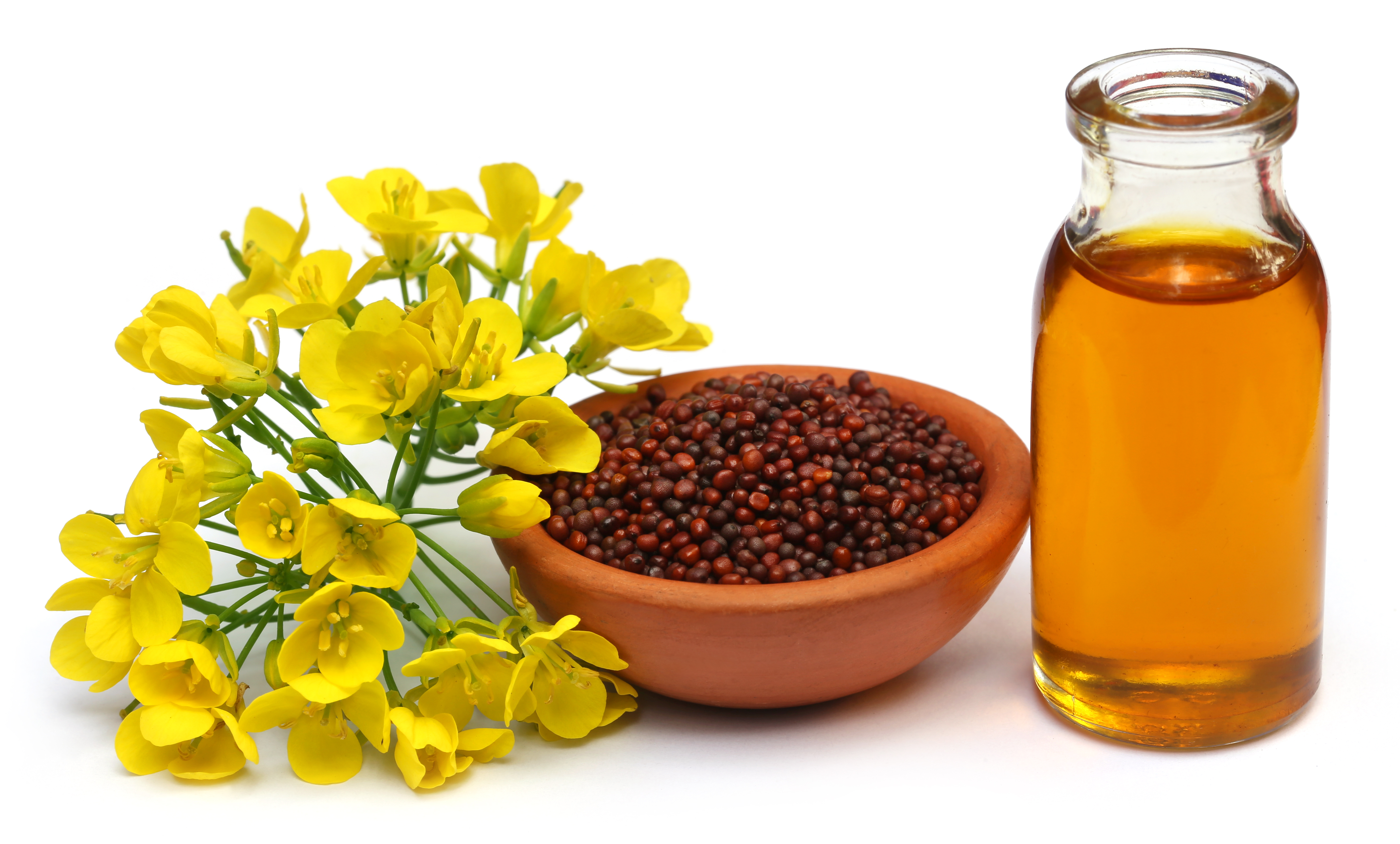
Canola oil is a type of vegetable oil extracted from the seeds of the canola plant, a variety of the rapeseed plant. It has a light flavor, making it a versatile option for cooking, frying, and baking. Canola oil is known for its high levels of monounsaturated fats, which are considered heart-healthy fats, and its low levels of saturated fat.

However, much of the debate surrounding canola oil comes from the methods used in its production and its omega-3 content.

Nutritional Profile of Canola Oil

One tablespoon (15g) of canola oil contains:

  • Calories: 120
  • Total Fat: 14g
    • Saturated Fat: 1g
    • Monounsaturated Fat: 9g
    • Polyunsaturated Fat: 4g
  • Omega-3 Fatty Acids: 1.3g
  • Omega-6 Fatty Acids: 3.9g
  • Vitamin E: 2.4 mg (12% of the recommended daily value)

As you can see, canola oil is low in saturated fat and contains a significant amount of monounsaturated fats, which are known for their heart-health benefits. It’s also a good source of omega-3 fatty acids, though the exact amount depends on the specific brand and production process.

Health Benefits of Canola Oil

  1. Heart Health
    Canola oil is often praised for its positive effects on heart health due to its high monounsaturated fat content. Monounsaturated fats have been shown to help reduce LDL cholesterol (the “bad” cholesterol) and lower the risk of cardiovascular diseases. In fact, studies have linked diets rich in unsaturated fats to improved heart health outcomes.

  2. Anti-Inflammatory Properties
    The omega-3 fatty acids found in canola oil have anti-inflammatory effects, which can help reduce chronic inflammation. This is important because inflammation is associated with various conditions, including heart disease, arthritis, and diabetes.

  3. Supports Brain Function
    Omega-3 fatty acids are essential for brain health and cognitive function. Including canola oil in your diet can provide a source of plant-based omega-3s, which may help support brain development and reduce the risk of cognitive decline as you age.

  4. Skin Health
    Canola oil contains vitamin E, an antioxidant that plays a crucial role in protecting the skin from free radical damage, promoting healthy skin and preventing signs of aging.

Canola Oil: Risks and Concerns

Despite its many benefits, canola oil is not without its controversies. Here are a few concerns you may want to consider before using it:

  1. Processing Methods
    Most commercial canola oil undergoes heavy processing, including refining, bleaching, and deodorizing, which strips the oil of some of its natural nutrients. Additionally, some methods of oil extraction use chemical solvents like hexane, raising concerns about potential residue left in the final product.

  2. Omega-6 to Omega-3 Ratio
    While canola oil contains omega-3s, it also has a high amount of omega-6 fatty acids. Both omega-3 and omega-6 are essential for health, but an imbalance—especially when the omega-6 intake outweighs omega-3—can lead to inflammation and other health issues. A diet too high in omega-6s may promote chronic inflammation, contributing to conditions like heart disease and arthritis.

  3. Genetically Modified Organisms (GMOs)
    A large portion of commercially available canola oil is made from genetically modified (GMO) crops. While the health risks of GMOs remain controversial, many people prefer to avoid GMO products due to concerns about their long-term effects on health and the environment.

Canola Oil Alternatives

If you’re concerned about the risks of canola oil or simply want to diversify your cooking oils, here are a few alternatives to consider:

  1. Olive Oil
    Olive oil is another heart-healthy option that’s rich in monounsaturated fats. Extra virgin olive oil is minimally processed, retaining antioxidants and nutrients. It’s ideal for salad dressings, sautéing, and drizzling over cooked vegetables.

  2. Avocado Oil
    Avocado oil is another great source of monounsaturated fats and has a mild flavor, making it versatile for both cooking and baking. It’s also packed with vitamin E and antioxidants, promoting healthy skin and reducing inflammation.

  3. Coconut Oil
    While higher in saturated fat, coconut oil contains medium-chain triglycerides (MCTs), which have been shown to support metabolism and brain function. Use it in moderation, especially for high-heat cooking.

  4. Flaxseed Oil
    Flaxseed oil is an excellent source of omega-3 fatty acids. It has a nutty flavor and is best used in cold dishes, such as salad dressings or drizzled over cooked vegetables, as it has a low smoke point.

Top FAQs About Canola Oil

1. Is canola oil good for weight loss?
Canola oil is lower in saturated fat and higher in healthy fats, which can be beneficial for weight loss when used in moderation. However, like all oils, it is calorie-dense, so it’s important to control portion sizes.

2. Can I use canola oil for high-heat cooking?
Yes, canola oil has a high smoke point (about 400°F/204°C), making it suitable for frying, grilling, and sautéing at high temperatures.

3. Is canola oil bad for your heart?
No, canola oil is generally considered heart-healthy due to its high content of monounsaturated fats, which can lower bad cholesterol and reduce the risk of heart disease.

4. Should I choose organic or non-GMO canola oil?
If you're concerned about GMOs and pesticides, choosing organic and non-GMO canola oil is a good option. Organic oils are grown without synthetic pesticides and fertilizers, and non-GMO oils are produced from non-genetically modified crops.

5. Can canola oil cause inflammation?
While canola oil contains omega-3 fatty acids, its high omega-6 content can potentially contribute to inflammation if consumed in excess. It’s essential to balance omega-3 and omega-6 intake from your overall diet.


Final Thoughts

Canola oil can be a healthy addition to your diet, especially when used in moderation. It offers several health benefits, such as supporting heart health and providing a good source of omega-3 fatty acids. However, due to its processing methods and omega-6 content, it’s essential to be mindful of how much you consume and consider diversifying your cooking oils.

For a balanced approach to healthy fats, consider incorporating a variety of oils like olive oil, avocado oil, and flaxseed oil into your cooking routine. Always prioritize a well-rounded diet, rich in whole foods, to support your overall health.


Related Articles

DISCLAIMER:

THIS WEBSITE DOES NOT PROVIDE MEDICAL OR OTHER PROFESSIONAL ADVICE. The information provided on this website (blog), including but not limited to text, graphics, images, and other materials, is for informational purposes only. It is not intended to serve as a substitute for professional medical, legal, or any other kind of advice. Always seek the guidance of a qualified professional or relevant authorities with any questions you may have regarding information you read on this website. This includes any content found in Healthy Roots & Habits Blog, articles, website, social media channels, and written by the authors.

Featured Post

Healthy Foods That Aren’t Actually Healthy: Debunking Common Food Myths

When it comes to healthy eating, we all want to make the right choices. But what if some of the foods you think are healthy aren't actua...