Showing posts with label Prostate Health. Show all posts

Saturday, August 30, 2025

Frequent Urination at Night (Nocturia): Causes, Symptoms & Treatment

Frequent urination at night, medically known as nocturia, can be more than just an inconvenience. While occasionally waking up once to urinate may be normal, waking up two or more times at night could indicate a serious urological problem or other underlying health conditions.

Nocturia disrupts your sleep cycle, leaving you feeling tired, irritable, and less productive during the day. Understanding the causes, symptoms, and possible treatments is essential to protect your overall health and wellness.


๐Ÿšจ Symptoms of Nocturia

  • Waking up two or more times at night to urinate.

  • Passing large amounts of urine (polyuria).

  • Daytime fatigue and sleepiness due to disturbed rest.


๐Ÿ” Causes of Frequent Urination at Night

Frequent urination can result from lifestyle habits or medical conditions.

✅ Lifestyle Factors:

  • Drinking excess fluids before bedtime, especially caffeine or alcohol.

  • Certain diuretic medications (water pills).

  • Habits where the body is unintentionally trained to wake up at night.

⚠️ Medical Conditions:

  • Polyuria – excess urine production.

  • Diabetes (uncontrolled sugar levels).

  • Hypertension (high blood pressure).

  • Prostate obstruction in men.

  • Congestive heart failure or cardiac problems.

  • Obstructive sleep apnea and other sleep disorders.

  • Pelvic organ prolapse (in women).

  • Pregnancy, menopause, or childbirth effects.

  • Restless leg syndrome.

  • Oedema (swelling due to fluid retention).


๐Ÿงช How Nocturia is Diagnosed

  • Patient history and symptom evaluation.

  • Urinalysis to detect infections, proteins, or other abnormalities.

  • Blood tests to check kidney function.

  • Bladder imaging to assess filling and emptying.

  • Cystoscopy – a scope test to check for tumors or bladder issues.


๐Ÿฉบ Treatment & Management of Nocturia

๐ŸŒฟ Lifestyle Changes:

  • Limit evening fluid intake.

  • Take diuretic medication in the morning or 6 hours before bedtime.

  • Afternoon naps to restore rest.

  • Elevate legs while sitting.

  • Practice pelvic floor exercises.

  • Wear compression stockings.

๐Ÿ’Š Medications:

  • Anticholinergics – to relax an overactive bladder.

  • Diuretics – regulate urine production.

  • Desmopressin – reduces urine output from kidneys.


⚡ Why You Shouldn’t Ignore Nocturia

While nocturia itself is not life-threatening, the underlying causes can be. Ignoring it may worsen diabetes, hypertension, heart disease, sleep apnea, or prostate problems.

Moreover, disturbed sleep lowers your physical fitness, immunity, productivity, and emotional balance. Poor sleep is directly linked to obesity, depression, and reduced quality of life.

๐Ÿ‘‰ Nocturia is a signal, not just a symptom. Seeking medical advice is crucial for long-term health and wellness.


✅ Conclusion

Frequent urination at night, or nocturia, should never be ignored. It might be caused by simple lifestyle factors like fluid intake or serious medical conditions such as diabetes, heart disease, or prostate issues.

By identifying the root cause, making necessary lifestyle changes, and seeking proper medical advice, you can restore your sleep quality, health, and overall well-being.

Your body communicates through symptoms—listen to it. Protect your health and wellness before minor issues grow into major health concerns.


❓ Top FAQs on Frequent Urination at Night

1. Is nocturia normal as we age?
Mild nocturia can occur with age, but frequent urination may signal an underlying health issue.

2. Can lifestyle changes reduce nocturia?
Yes. Limiting evening fluids, avoiding caffeine/alcohol, and elevating your legs can help.

3. Is nocturia related to diabetes?
Yes. High blood sugar causes excess urine production, leading to nocturia.

4. Can stress or anxiety cause frequent urination at night?
Yes, stress may worsen bladder overactivity and disturb sleep.

5. What doctor should I consult for nocturia?
A urologist is the right specialist, but sometimes a cardiologist, endocrinologist, or sleep specialist may be involved.

6. Is nocturia dangerous?
Nocturia itself is not dangerous, but the causes like heart failure, diabetes, or prostate issues can be serious.

7. Can women experience nocturia due to menopause?
Yes. Hormonal changes, pelvic organ prolapse, or bladder changes post-menopause can cause nocturia.

8. Can nocturia affect physical fitness?
Yes. Poor sleep reduces energy, weakens immunity, and lowers exercise performance.

9. How many times is too many to urinate at night?
Waking up once may be normal, but two or more times regularly should be evaluated.

10. Can nocturia be cured completely?
Treatment depends on the cause. With proper management and lifestyle adjustments, nocturia can often be controlled.

Tuesday, May 13, 2025

What Happens When the Prostate Gland is Removed? Understanding the Impact of Prostatectomy

The prostate gland plays a crucial role in male reproductive and urinary health. It's responsible for producing a portion of the semen and helps with urinary function. However, in certain circumstances, such as prostate cancer or other serious health issues, a person may need to undergo a prostatectomy — the surgical removal of part or all of the prostate gland.


While the removal of the prostate can be life-saving, it's important to understand the potential effects and changes that might occur following the surgery. Here’s what you should know.


Effects of Prostate Gland Removal

  1. Urinary Incontinence:
    One of the most common side effects after prostate removal is urinary incontinence — a loss of bladder control. This happens because the prostate is located near the bladder, and its removal can temporarily affect the muscles responsible for controlling urination. Fortunately, this condition often improves with time and rehabilitation exercises, such as pelvic floor therapy. However, some individuals may continue to experience symptoms for a while after the surgery.

  2. Erectile Dysfunction:
    Another significant effect is erectile dysfunction (ED). The prostate is located close to the nerves and blood vessels responsible for erections. Removing the prostate can damage these vital structures, leading to difficulties in achieving or maintaining an erection. While this issue can be challenging, many men find that ED improves over time, and medications, therapy, or surgical interventions may help restore erectile function.

  3. Infertility:
    The prostate gland plays a role in producing semen. If the entire prostate is removed, it can lead to infertility, as the ability to produce sperm is affected. However, this does not mean that a person cannot engage in sexual activity, but conception may require alternative methods, such as sperm retrieval for assisted reproductive technologies like IVF.

  4. Changes in Urinary Function:
    After prostatectomy, some men may experience narrowing of the urethra, the tube through which urine exits the body. This can lead to urinary retention, difficulty urinating, or painful urination. In rare cases, surgical procedures may be required to correct this issue.


Top FAQs About Prostate Gland Removal

Q1: Can a person still have sex after prostate removal?
Yes, many men continue to have sexual activity after prostate removal. However, they may experience temporary or permanent erectile dysfunction. Medications, therapy, or implants can assist in restoring sexual function.

Q2: Will I be able to have children after prostate removal?
If the entire prostate is removed, it is likely that a person will be infertile, as sperm production is impacted. However, sperm retrieval and assisted reproductive techniques may offer alternative options for conception.

Q3: How long does it take to recover from prostate surgery?
Recovery time can vary based on the extent of surgery and individual health. Generally, it can take a few weeks to a few months to recover fully, with many men regaining urinary control and sexual function over time.

Q4: Is there any way to prevent complications after prostate removal?
While complications can't always be avoided, following a healthcare provider's recommendations on post-surgery care, including pelvic floor exercises, medications, and lifestyle changes, can help manage symptoms and improve recovery.


Conclusion:

Prostate removal, or prostatectomy, can have significant effects on a man's health, especially in areas like urinary function, sexual health, and fertility. However, many of these challenges are manageable with time and appropriate medical care. Understanding what to expect and discussing options with a healthcare professional can help individuals navigate their recovery journey.

If you're considering or have recently undergone prostate surgery, know that there are treatments available to help address complications like incontinence and erectile dysfunction, allowing you to lead a fulfilling life.

Friday, May 2, 2025

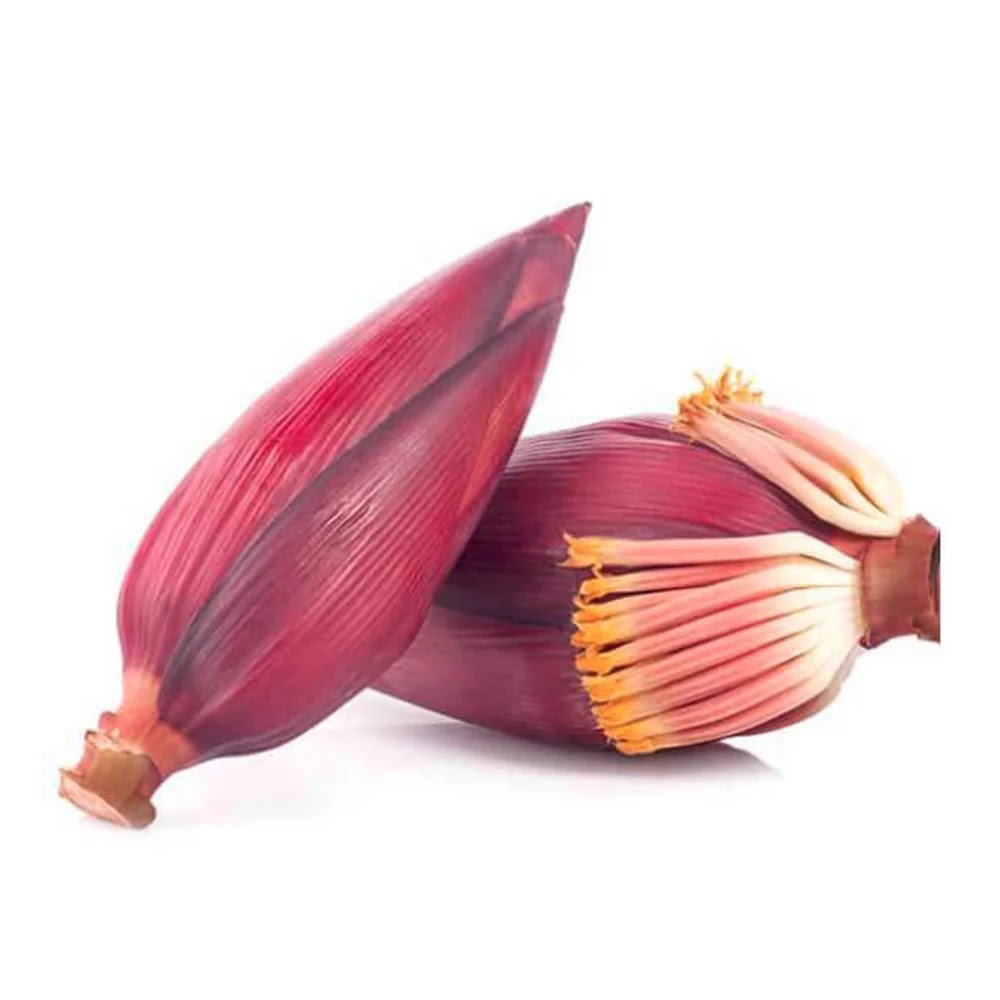
Banana Flower Benefits for Male Health: A Natural Approach to Wellness

In the realm of holistic health and natural living, exploring diverse plant-based foods can unlock surprising benefits. The humble banana flower, often overlooked, emerges as a nutrient-rich powerhouse with potential advantages for male health. While research is ongoing, traditional uses and emerging studies suggest incorporating banana flower into your diet could contribute to overall male wellness. Let's delve into the potential benefits of banana flower for men.


Nutrient Powerhouse for Men's Vitality:

The banana flower is packed with essential nutrients that support various bodily functions crucial for male health. It's a good source of fiber, which aids digestion and can contribute to weight management. Furthermore, it contains essential minerals like potassium, calcium, magnesium, iron, zinc, and copper, all vital for maintaining energy levels, nerve function, and overall vitality in men. The presence of all essential amino acids also makes it a valuable addition to a balanced diet for male wellness.

Emerging Benefits Specific to Male Health:

While comprehensive human studies are still needed, preliminary research and traditional medicine highlight specific potential banana flower benefits for men:

  • Prostate Health: One animal study suggests that the anti-inflammatory properties of banana flower extract may help reduce the size of an enlarged prostate gland, a common concern for men over 50. Compounds like citric acid and specific amino acids in the flower might contribute to this effect. Additionally, antioxidants like quercetin found in banana flower may help reduce prostate inflammation and improve urinary flow when combined with other remedies.
  • Antioxidant Protection: Rich in antioxidants like quercetin and catechin, the banana flower can help combat free radicals in the body. This antioxidant action may contribute to overall cellular health and potentially reduce the risk of chronic diseases that can affect men.
  • Bone Health: Studies indicate that antioxidants present in banana flower may help prevent bone loss. Additionally, the presence of zinc in banana flower also contributes to maintaining strong bones, crucial for men's physical health.

Incorporating Banana Flower into a Healthy Lifestyle for Men:

The banana flower is a versatile ingredient that can be incorporated into various dishes. Its mild, slightly bitter flavor makes it a good absorber of spices and flavors. It can be eaten raw in salads (after removing the bitter sap between petals), cooked in curries, stir-fries, soups, or even used as a plant-based alternative in certain preparations. Exploring recipes featuring banana flower can be a delicious way to potentially harness its benefits for male health within a natural living framework.

Important Note: While promising, the research on banana flower benefits for men is still in its early stages, with most studies being animal or in-vitro. More human research is needed to confirm these effects. Always consult with a healthcare professional before making significant dietary changes or using banana flower for specific health concerns.

Top FAQs:

  1. What are the main nutrients in banana flower beneficial for men? Banana flower contains fiber, potassium, calcium, magnesium, iron, zinc, copper, and essential amino acids, all important for overall male health.
  2. Can banana flower help with prostate health in men? Preliminary animal studies suggest potential anti-inflammatory effects that may benefit prostate health, but more human research is needed.
  3. Does banana flower have antioxidants that are good for men? Yes, banana flower is rich in antioxidants like quercetin and catechin, which can help protect cells from damage.
  4. How can men include banana flower in their diet? Banana flower can be eaten raw in salads (after preparation) or cooked in various savory dishes like curries and stir-fries.
  5. Is there scientific evidence for all the claimed benefits of banana flower for men? While traditional uses and initial studies are promising, more comprehensive human research is necessary to confirm all potential benefits of banana flower for male health.
  6. Are there any side effects of consuming banana flower for men? Generally, it's considered safe in moderation. However, some individuals might experience allergic reactions or gastrointestinal issues due to its high fiber content if consumed in large amounts.
  7. Can banana flower boost energy levels in men? The presence of essential minerals like iron and magnesium in banana flower can contribute to maintaining energy levels.

Conclusion:

The banana flower presents itself as a nutrient-dense food with promising potential benefits for male health within a holistic and natural living approach. Its rich nutritional profile and emerging research, particularly regarding prostate health and antioxidant properties, warrant further exploration. By thoughtfully incorporating banana flower into a balanced diet, men can potentially tap into its natural advantages and contribute to their overall well-being. As with any dietary addition, moderation and awareness of individual responses are key, and consulting a healthcare professional is always recommended for personalized advice. Embracing such diverse plant-based foods aligns with the principles of healthy roots and can be a flavorful step towards a more holistic and vibrant life for men.

How Banana Flowers Support Male Health: Prostate, Digestion & Bone Health

Banana flowers, often overlooked in the world of superfoods, offer a wide range of health benefits, particularly for men. Rich in nutrients, these vibrant blooms support various aspects of male health, from prostate health to digestion and beyond. If you're looking for a natural way to boost your wellness, adding banana flowers to your diet might be a great option. Let’s explore the key benefits of banana flowers for men and how they can enhance overall health.


1. Prostate Health

Prostate health is a crucial concern for many men, especially as they age. Banana flowers can potentially offer support in maintaining a healthy prostate.

  • Anti-inflammatory Properties: Banana flowers contain powerful compounds like citric acid, amino acids, and Quercetin. These compounds are known for their anti-inflammatory effects, which can help reduce inflammation in the prostate. This could be beneficial for men dealing with symptoms of an enlarged prostate.

  • Controlling Prostate Cell Growth: Some studies suggest that banana flower extract may play a role in controlling the growth of prostate cells. This could help slow the progression of prostate-related issues.

  • Urinary Health: Urinary disturbances often occur alongside prostate problems, and banana flowers may help ease these symptoms, improving overall urinary function.

2. Digestive Health

A healthy digestive system is essential for overall well-being, and banana flowers can be a powerful ally in promoting digestive health.

  • Rich in Fiber: Banana flowers are packed with both soluble and insoluble fiber. Fiber is essential for good digestion, as it helps prevent constipation, promotes healthy bowel movements, and supports a balanced gut microbiome.

  • Weight Management: Due to their high fiber content, banana flowers can help you feel full for longer, making them beneficial for weight management. Feeling satiated can prevent overeating, contributing to better digestive health and healthy weight loss.

3. Other Potential Health Benefits

Banana flowers offer more than just benefits for the prostate and digestive system. Their range of nutrients may support various aspects of health:

  • Bone Health: Banana flowers are rich in minerals like calcium and antioxidants that are essential for maintaining strong bones. This could help prevent bone loss and support overall bone health, particularly in aging men.

  • Blood Sugar and Cholesterol Regulation: Some studies suggest that banana flowers may help regulate blood sugar levels and lower cholesterol. This is particularly beneficial for men who are at risk of diabetes or heart disease.

  • Mood and Anxiety Relief: Magnesium, found abundantly in banana flowers, plays a crucial role in improving mood and reducing anxiety. This can help maintain emotional well-being, particularly in stressful times.

  • Iron Deficiency Support: If you suffer from iron deficiency or low hemoglobin levels, banana flowers could help. They are a good source of iron, which can aid in increasing red blood cell production.

  • Hair Growth: Traditionally, banana flowers have been used in remedies to support hair growth. The nutrients in the flower, including vitamins and minerals, may help nourish hair follicles and promote healthy hair growth.

How to Include Banana Flowers in Your Diet

Banana flowers can be incorporated into various dishes, such as salads, curries, and soups. In many cultures, they are used in traditional recipes to provide both flavor and nutrition. You can find fresh banana flowers at specialty markets or purchase them canned for convenience.

You can also try banana flower supplements, which are available in health food stores and online. However, always consult with a healthcare provider before adding new foods or supplements to your diet, especially if you have underlying health conditions.

Top FAQs About Banana Flower Benefits for Men

1. Can banana flowers help with prostate health?
Yes, banana flowers contain compounds that may help reduce inflammation and control prostate cell growth, making them potentially beneficial for prostate health.

2. Are banana flowers good for digestion?
Banana flowers are rich in fiber, which supports healthy digestion, prevents constipation, and promotes a healthy gut microbiome.

3. Can banana flowers help with weight management?
Yes, due to their high fiber content, banana flowers can help you feel fuller for longer, which can assist with weight management and prevent overeating.

4. Do banana flowers support bone health?
Yes, banana flowers are rich in calcium and other minerals, making them beneficial for maintaining strong bones and preventing bone loss.

5. Can banana flowers reduce anxiety?
The magnesium content in banana flowers may help improve mood and reduce symptoms of anxiety, contributing to overall emotional well-being.

6. How can I include banana flowers in my diet?
Banana flowers can be added to curries, soups, and salads. They are also available in supplement form, but always consult your doctor before adding them to your diet.

Conclusion:

Banana flowers are a nutritious and versatile food that offer a range of health benefits, particularly for men. From supporting prostate health and improving digestion to promoting bone health and reducing anxiety, this natural remedy is packed with essential nutrients. If you’re looking for a way to enhance your overall well-being, consider adding banana flowers to your diet. However, always remember to consult with a healthcare professional before making significant changes to your diet, especially if you have pre-existing health conditions.

Sunday, January 26, 2025

Treat Prostatitis with Natural Solutions: Prostate Infection Relief at Home

Prostatitis, or prostate infection, is a condition that affects many men, often causing pain, discomfort, and urinary issues. Whether acute or chronic, prostatitis can significantly impact daily life, but the good news is that natural remedies can help alleviate symptoms and support overall prostate health. In this post, we will dive into what prostatitis is, its symptoms, and some of the most effective natural treatments that can provide relief.

What is Prostatitis?

Prostatitis is an inflammation of the prostate gland, a small walnut-shaped organ located below the bladder in men. The prostate produces seminal fluid, which nourishes and transports sperm. Prostatitis can occur when the prostate becomes infected or inflamed, leading to discomfort and a range of symptoms.

Common Symptoms of Prostatitis

Prostatitis can manifest in several ways, depending on the severity and type (acute or chronic). The following are common symptoms associated with this condition:

  • Painful urination (dysuria)
  • Frequent urges to urinate, especially at night
  • Painful ejaculation
  • Lower abdominal or pelvic pain
  • Pain in the lower back or perineum
  • Flu-like symptoms (in cases of bacterial prostatitis)
  • Fever and chills (in cases of acute prostatitis)

If you experience any of these symptoms, it's important to consult a healthcare provider for a proper diagnosis.

How to Treat Prostate Infection with Natural Remedies

While medical treatment may be necessary, particularly for bacterial prostatitis, there are several natural remedies that can help manage symptoms, improve prostate health, and promote healing. Here are some of the most effective natural treatments for prostatitis:

1. Saw Palmetto

Saw palmetto is a popular herb known for its ability to support prostate health. Studies have shown that saw palmetto can help reduce inflammation and relieve symptoms associated with prostatitis, such as frequent urination and pelvic discomfort. It may also help improve urinary flow, providing relief from symptoms.

2. Quercetin

Quercetin, a flavonoid found in various fruits and vegetables, has antioxidant and anti-inflammatory properties. It is believed to help reduce inflammation in the prostate and provide relief from chronic prostatitis symptoms. Quercetin is available as a supplement and can also be found in foods like apples, onions, and citrus fruits.

3. Pumpkin Seeds

Pumpkin seeds are a rich source of zinc, an essential mineral for prostate health. Zinc plays a vital role in reducing inflammation and supporting immune function. Consuming pumpkin seeds regularly can help alleviate symptoms of prostatitis and promote overall prostate health.

4. Cranberry Juice

Cranberry juice is well-known for its ability to prevent urinary tract infections (UTIs), but it can also help with prostatitis. The antioxidants and anti-inflammatory compounds in cranberries may reduce inflammation in the prostate and help prevent further infections.

5. Turmeric

Turmeric, specifically its active compound curcumin, has powerful anti-inflammatory and antioxidant properties. Studies suggest that turmeric may help reduce the swelling and pain associated with prostatitis, especially chronic prostatitis. You can consume turmeric in various forms, including as a supplement or in meals.

6. Warm Sitz Baths

Sitz baths, or warm water baths that cover the lower abdomen and pelvic area, can help relieve pain and discomfort associated with prostatitis. The warmth helps relax the muscles and reduce inflammation in the affected area.

7. Dietary Changes

Adopting a diet rich in anti-inflammatory foods can help support prostate health. Include foods like leafy greens, fatty fish (such as salmon), nuts, seeds, and whole grains. Reducing the intake of processed foods, caffeine, alcohol, and spicy foods may also help alleviate prostatitis symptoms.

8. Herbal Teas

Certain herbal teas, like chamomile, ginger, and peppermint, may help soothe inflammation and improve urinary symptoms associated with prostatitis. These herbs also have relaxing properties that may help reduce stress, which can worsen symptoms.

Preventing Prostate Infection (Prostatitis)

While some factors like age and genetics can increase the risk of prostatitis, adopting a healthy lifestyle can significantly reduce your chances of developing the condition. Here are some preventive tips:

  • Stay hydrated: Drinking plenty of water helps flush out toxins and supports urinary health.
  • Practice good hygiene: Keeping the genital area clean can help reduce the risk of infection.
  • Exercise regularly: Staying active improves overall health, circulation, and immune function.
  • Avoid sitting for prolonged periods: Long periods of sitting can put pressure on the prostate, increasing the risk of infection.
  • Manage stress: Chronic stress can impact immune function, so practicing relaxation techniques like meditation or yoga may help.

Top FAQ's About Prostate Infection (Prostatitis)

1. Can prostatitis go away on its own? In some cases, prostatitis may improve with lifestyle changes and natural remedies. However, bacterial prostatitis typically requires medical treatment with antibiotics. Always consult a healthcare professional for proper diagnosis and treatment.

2. Is prostatitis painful? Yes, prostatitis can cause significant pain, particularly during urination, ejaculation, and in the pelvic region. The intensity of the pain varies depending on the severity of the condition.

3. Can natural remedies replace medical treatment for prostatitis? Natural remedies can help alleviate symptoms and support prostate health, but they should not replace medical treatment, especially in cases of bacterial prostatitis. Always follow your doctor's advice for treatment.

4. What foods should I avoid with prostatitis? Avoid spicy foods, caffeine, alcohol, and acidic foods, as they can irritate the bladder and worsen prostatitis symptoms. Instead, focus on an anti-inflammatory diet rich in fruits, vegetables, and healthy fats.

5. How long does it take for prostatitis to heal? The healing time for prostatitis depends on the severity and type of infection. Acute prostatitis may improve within a few weeks with proper treatment, while chronic prostatitis can take longer to manage and may require ongoing care.


Conclusion

Prostatitis can be a challenging condition, but with the right approach, natural remedies can offer significant relief and improve quality of life. If you're experiencing symptoms of prostate infection, consider integrating some of these natural treatments into your routine to support prostate health. However, always consult with a healthcare provider to determine the best course of action for your specific situation. By adopting a holistic approach to your health, you can take control of your prostate health and live a more comfortable, active life.

Saturday, January 18, 2025

Prostate Health & Prevention: Natural Ways to Protect Your Wellness

Taking care of your prostate is crucial for maintaining overall well-being as you age. Prostate issues are common in men, especially after the age of 50, but adopting healthy roots and habits can significantly reduce your risk of prostate-related health problems. The good news is that many preventive measures involve natural strategies, foods, and lifestyle changes that promote long-term health and well-being.

In this article, we'll explore how you can prioritize prostate health through natural prevention methods, including dietary adjustments, physical activity, and mindful habits.


1. Understanding Prostate Health: The Basics

The prostate is a small, walnut-shaped gland located below the bladder and in front of the rectum. It plays a key role in male reproductive health by producing seminal fluid, which nourishes and transports sperm. As men age, the prostate can experience growth and other complications, such as benign prostatic hyperplasia (BPH) or even prostate cancer. This makes it essential to take proactive steps to protect your prostate health throughout your life.


2. Natural Ways to Prevent Prostate Problems

Here are some natural methods to help maintain and improve prostate health:

A. Diet: Fueling Your Prostate Right

A well-balanced diet rich in vitamins, minerals, and antioxidants is vital for prostate health. Certain foods have been shown to support prostate function and may even help prevent issues like BPH and prostate cancer.

  • Tomatoes: Rich in lycopene, a potent antioxidant, tomatoes may help reduce the risk of prostate cancer by inhibiting the growth of cancer cells.
  • Cruciferous Vegetables: Broccoli, cauliflower, and kale contain compounds that may slow prostate cancer growth.
  • Green Tea: Packed with antioxidants, green tea has anti-inflammatory properties that benefit prostate health.
  • Pumpkin Seeds: High in zinc, which supports prostate health, these seeds can help reduce inflammation and prevent enlargement.

B. Exercise: Keeping Active for Prostate Wellness

Regular physical activity plays a vital role in maintaining a healthy prostate. Exercise helps regulate hormone levels, improves circulation, and can help prevent prostate enlargement.

  • Aerobic exercise: Engaging in activities like walking, swimming, and cycling can improve overall health and reduce the risk of prostate issues.
  • Strength training: Resistance exercises help maintain a healthy weight, reduce stress, and support hormone balance, all of which contribute to prostate health.

C. Hydration: The Power of Water

Staying hydrated is essential for prostate health. Dehydration can lead to urinary issues and increased pressure on the prostate. Aim to drink plenty of water throughout the day to maintain proper bladder function and reduce strain on the prostate.

D. Stress Management: A Calm Mind for a Healthy Body

Chronic stress can negatively impact your hormone levels and overall health, including your prostate. Incorporating stress-reducing practices into your daily routine can help maintain prostate wellness.

  • Meditation and yoga: These practices can lower cortisol levels, reduce inflammation, and support a balanced nervous system.
  • Mindful breathing: Simple deep breathing exercises can help reduce stress and improve overall well-being.

3. Healthy Habits: Lifestyle Choices for Prostate Health

Adopting healthy lifestyle habits is another key factor in maintaining prostate health. Here are some habits that can make a big difference:

A. Regular Checkups and Screenings

Getting regular checkups with your doctor is essential for catching any potential prostate issues early. While screening guidelines vary depending on age and risk factors, most doctors recommend annual prostate exams after the age of 50 or earlier if you have a family history of prostate cancer.

B. Maintaining a Healthy Weight

Obesity has been linked to an increased risk of prostate problems, including BPH and prostate cancer. Maintaining a healthy weight through diet and exercise not only benefits your prostate but also your overall health.

C. Limiting Alcohol and Caffeine

Excessive alcohol and caffeine can irritate the prostate and bladder. While occasional consumption may not be harmful, moderating your intake can help reduce symptoms related to prostate enlargement or urinary issues.

D. Quitting Smoking

Smoking is known to damage cells and increase the risk of cancer, including prostate cancer. Quitting smoking is one of the best things you can do for your health and prostate.


4. Top FAQs About Prostate Health and Prevention

Q1: What are the most common prostate health problems?

The most common prostate problems include benign prostatic hyperplasia (BPH), which is the enlargement of the prostate, and prostate cancer. BPH is typically non-cancerous but can cause symptoms like difficulty urinating.

Q2: At what age should I start worrying about my prostate?

Prostate health becomes more of a concern after age 50, but men with a family history of prostate issues may need to start earlier. Regular checkups with a healthcare provider are essential.

Q3: Can diet prevent prostate cancer?

While no single food or diet can guarantee prevention, a healthy diet rich in fruits, vegetables, and healthy fats has been shown to lower the risk of prostate issues, including cancer.

Q4: Is exercise really important for prostate health?

Yes! Regular physical activity supports hormone balance, reduces inflammation, and helps maintain a healthy weight—important factors in prostate health.

Q5: Are supplements helpful for prostate health?

Supplements like saw palmetto, zinc, and selenium may help support prostate health. However, it's essential to consult with a healthcare provider before taking any supplements to ensure they are appropriate for you.


5. Conclusion: Embracing Healthy Roots & Habits for Prostate Wellness

Your prostate health is an integral part of your overall well-being, and the good news is that you can take control of it. By focusing on natural prevention methods—such as eating a nutrient-dense diet, staying active, managing stress, and adopting healthy lifestyle habits—you can significantly reduce your risk of prostate issues and enjoy long-lasting health.

The root cause of many prostate problems is preventable through the choices you make today. Embrace healthy roots and habits, and prioritize your prostate health naturally.

Monday, June 17, 2024

Raw Garlic – Important Health Benefits for Male

Raw Garlic – Important Health Benefits for Male – Garlic has been recognized for its medicinal properties for centuries, and consuming raw garlic can offer several health benefits, particularly for men. Here are some of the potential health benefits:

Cardiovascular Health: Garlic is beneficial for cardiovascular health, particularly in men. It helps lower blood pressure and cholesterol levels, reducing the risk of heart disease. Garlic also improves blood flow, enhancing overall heart function. These effects are attributed to compounds like allicin, which is more potent in raw garlic. Regular consumption can lead to better cardiovascular outcomes, making garlic a simple yet effective addition to a heart-healthy diet. Always consult a healthcare provider before making dietary changes, especially if you have existing health conditions.

Sexual Health : Garlic can enhance men’s sexual health by improving blood flow, which is crucial for erectile function. Its natural ability to boost blood circulation may help with erectile dysfunction and increase libido. Additionally, garlic’s antioxidant properties support overall health, potentially enhancing sexual performance. Consuming raw garlic regularly can thus contribute to better sexual health and vitality. However, it’s important to balance intake to avoid potential side effects like bad breath and digestive discomfort. Always consult a healthcare provider for personalized

Immune System Boost: Garlic boosts the immune system due to its natural antibacterial, antiviral, and antioxidant properties. It helps the body fight off infections and reduces oxidative stress, which can enhance overall immune health. Regular consumption of raw garlic can strengthen the immune response, making it easier for the body to fend off common illnesses like colds and flu. Its anti-inflammatory effects also support immune function, helping to keep the body in optimal health.

Prostate Health : Garlic may help support prostate health, particularly by reducing the risk of prostate cancer. Its anti-carcinogenic properties are believed to inhibit cancer cell growth. Additionally, garlic’s anti-inflammatory and antioxidant effects contribute to overall prostate well-being. Including 1-2 cloves of raw garlic in your daily diet can provide these benefits. However, consult with a healthcare provider before making dietary changes, especially if you have existing health conditions or are on medication.


DISCLAIMER:

THIS WEBSITE DOES NOT PROVIDE MEDICAL OR OTHER PROFESSIONAL ADVICE. The information provided on this website (blog), including but not limited to text, graphics, images, and other materials, is for informational purposes only. It is not intended to serve as a substitute for professional medical, legal, or any other kind of advice. Always seek the guidance of a qualified professional or relevant authorities with any questions you may have regarding information you read on this website. This includes any content found in Healthy Roots & Habits Blog, articles, website, social media channels, and written by the authors.

Featured Post

Healthy Foods That Aren’t Actually Healthy: Debunking Common Food Myths

When it comes to healthy eating, we all want to make the right choices. But what if some of the foods you think are healthy aren't actua...