Showing posts with label Weight Loss Diet Plan. Show all posts

Sunday, January 12, 2025

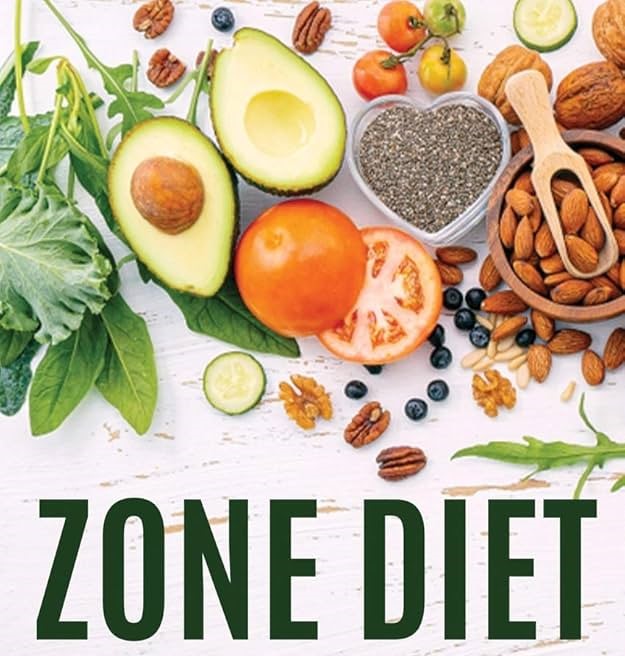
Zone Diet: A Comprehensive Guide to Balanced Nutrition for Better Health

When it comes to healthy eating, finding a balanced approach is crucial to long-term success. The Zone Diet, developed by Dr. Barry Sears, is a science-backed eating plan designed to help people achieve balanced nutrition by managing macronutrients in a specific ratio. It focuses on controlling insulin levels and promoting a state of "the Zone," where your body functions at its optimal level. In this article, we’ll explore what the Zone Diet is, how it works, and the benefits it offers.

What is the Zone Diet?

The Zone Diet is a dietary plan that emphasizes eating a specific ratio of macronutrients—40% carbohydrates, 30% protein, and 30% fats—at each meal. By focusing on this macronutrient distribution, the diet aims to control blood sugar and insulin levels, keeping them stable throughout the day. The goal is to reduce inflammation, improve metabolism, and support overall health.

Dr. Barry Sears, a biochemist, introduced the Zone Diet in the 1990s with the aim of helping people lose weight, enhance athletic performance, and reduce the risk of chronic diseases. The "Zone" refers to the state of optimal health and mental clarity that occurs when you eat in the right macronutrient balance.

Key Principles of the Zone Diet

  1. Macronutrient Balance: Every meal should consist of 40% carbohydrates, 30% protein, and 30% fats. This balance helps regulate insulin levels and promotes a stable energy supply throughout the day.

  2. Low-Glycemic Carbs: The carbohydrates in the Zone Diet come primarily from low-glycemic foods like vegetables, fruits, and whole grains. These foods are digested slowly, providing steady energy without causing spikes in blood sugar.

  3. Lean Protein: Protein sources such as chicken, fish, and legumes are central to the diet. Protein helps build and repair muscle tissue, supports the immune system, and keeps you feeling fuller for longer.

  4. Healthy Fats: The fats you consume on the Zone Diet are primarily healthy fats like olive oil, avocados, and omega-3 fatty acids. These fats are crucial for reducing inflammation and supporting overall cellular health.

  5. Portion Control: The Zone Diet encourages portion control to help manage calorie intake. It uses a simple system of measuring food portions based on "blocks." One block is equivalent to a certain amount of carbs, protein, and fat, helping you stay on track without needing to count calories.

Benefits of the Zone Diet

  • Weight Loss: By stabilizing blood sugar and reducing insulin levels, the Zone Diet promotes fat loss rather than muscle loss. The diet’s emphasis on protein and healthy fats also helps control hunger and reduce overeating.

  • Reduced Inflammation: The Zone Diet is designed to reduce inflammation, which is linked to many chronic health conditions such as heart disease, diabetes, and arthritis.

  • Improved Mental Clarity: Stable blood sugar levels and the right balance of nutrients can lead to improved focus and mental clarity.

  • Better Health: Long-term adherence to the Zone Diet may help reduce the risk of chronic diseases such as heart disease, type 2 diabetes, and obesity.

How to Follow the Zone Diet

  1. Calculate Your Zone Blocks: To get started, calculate how many blocks you need each day based on your gender, weight, and activity level. For example, a moderately active woman may need 11-13 blocks per day, while a man may need 14-16 blocks.

  2. Plan Your Meals: Once you know your daily block count, plan your meals to include the right balance of macronutrients. For example, a typical Zone meal might include 3 blocks of protein, 3 blocks of carbs, and 3 blocks of fat.

  3. Choose High-Quality Foods: Focus on lean proteins, low-glycemic carbs, and healthy fats. Choose nutrient-dense foods such as vegetables, fruits, nuts, seeds, and whole grains.

  4. Snack Wisely: Snacks should also follow the Zone balance, with each snack containing a combination of protein, carbs, and fats.

  5. Stay Consistent: For the best results, stick to the Zone Diet consistently, making adjustments as needed based on your progress.

Zone Diet Meal Example

  • Breakfast: Scrambled eggs (2 blocks of protein) with spinach and tomatoes (1 block of carbs) and olive oil (1 block of fat).
  • Lunch: Grilled chicken (3 blocks of protein) with mixed salad greens (2 blocks of carbs) and avocado (1 block of fat).
  • Dinner: Salmon (3 blocks of protein) with roasted sweet potatoes (2 blocks of carbs) and olive oil (1 block of fat).

FAQs about the Zone Diet

1. What is the Zone Diet’s main focus?

The main focus of the Zone Diet is achieving a balanced ratio of 40% carbs, 30% protein, and 30% fat in each meal to regulate insulin levels and reduce inflammation.

2. Do I need to count calories on the Zone Diet?

No, the Zone Diet does not require calorie counting. Instead, you measure food portions based on "blocks" to ensure that you are consuming the right balance of macronutrients.

3. Can I eat carbohydrates on the Zone Diet?

Yes! The Zone Diet encourages consuming low-glycemic carbohydrates like vegetables, fruits, and whole grains. These are slowly digested and help maintain stable blood sugar levels.

4. Is the Zone Diet suitable for long-term use?

Yes, the Zone Diet is designed as a long-term lifestyle, not just a short-term weight loss plan. It encourages healthy eating habits and can support overall wellness when followed consistently.

5. Will the Zone Diet help me lose weight?

Yes, by stabilizing blood sugar and reducing insulin levels, the Zone Diet can promote weight loss by encouraging fat loss and controlling hunger.

Wednesday, January 8, 2025

Best Diet Plan for Weight Loss: A Simple Guide to Shed Pounds Effectively

Losing weight can often feel like a complicated and overwhelming journey. But, with the right diet plan, it’s entirely achievable! A balanced diet, combined with healthy habits, can significantly improve not only your weight but also your overall health. In this article, we’ll explore a simple yet effective diet plan for weight loss that’s both sustainable and easy to follow.


Why a Balanced Diet Matters for Weight Loss

When it comes to losing weight, the key lies in creating a calorie deficit, which means burning more calories than you consume. However, it’s not just about cutting calories; it’s important to prioritize nutritious foods that fuel your body and keep you energized. The best diet plan for weight loss should emphasize a balance of proteins, healthy fats, fiber, and carbohydrates, providing all the nutrients you need for overall health.

The Best Diet Plan for Weight Loss: The 5 Key Principles

  1. Focus on Protein-Rich Foods
    Protein is crucial for weight loss. It boosts metabolism, helps you feel fuller for longer, and supports muscle growth, which is essential when you’re shedding fat. Include lean proteins like chicken, turkey, tofu, legumes, and eggs in your diet.

  2. Incorporate Healthy Fats
    Healthy fats help with satiety and can actually assist in burning fat. Opt for sources like avocado, nuts, seeds, olive oil, and fatty fish such as salmon. These fats are rich in omega-3 fatty acids, which can support your metabolism.

  3. Eat Plenty of Vegetables
    Vegetables are packed with fiber, vitamins, and minerals while being low in calories. Fiber helps with digestion and keeps you full without overeating. Try to include a variety of colorful veggies like spinach, kale, bell peppers, zucchini, and broccoli.

  4. Choose Whole Grains
    Whole grains like quinoa, oats, brown rice, and barley are much more nutritious than refined grains. They provide fiber and essential nutrients while helping to stabilize blood sugar levels.

  5. Hydrate Properly
    Drinking enough water is crucial for weight loss. Sometimes, thirst can be mistaken for hunger, leading to unnecessary snacking. Aim to drink at least 8 glasses of water a day and stay hydrated throughout your workouts.


Sample 7-Day Weight Loss Diet Plan

Here’s a simple, balanced diet plan to help you kickstart your weight loss journey:

Day 1

  • Breakfast: Scrambled eggs with spinach and tomatoes, 1 slice of whole-grain toast
  • Snack: A handful of almonds
  • Lunch: Grilled chicken salad with mixed greens, avocado, and olive oil dressing
  • Snack: Greek yogurt with berries
  • Dinner: Baked salmon with steamed broccoli and quinoa

Day 2

  • Breakfast: Oatmeal topped with chia seeds, almond butter, and berries
  • Snack: Apple slices with peanut butter
  • Lunch: Turkey and avocado wrap with whole-wheat tortilla
  • Snack: Carrot sticks with hummus
  • Dinner: Grilled shrimp with sautéed zucchini and brown rice

Day 3

  • Breakfast: Smoothie made with spinach, banana, protein powder, almond milk, and chia seeds
  • Snack: A handful of walnuts
  • Lunch: Lentil soup with a side of mixed greens
  • Snack: Cottage cheese with sliced cucumber
  • Dinner: Baked chicken breast with sweet potato and steamed asparagus

Day 4

  • Breakfast: Chia pudding with almond milk, topped with strawberries and almonds
  • Snack: Hard-boiled eggs
  • Lunch: Quinoa salad with chickpeas, cucumber, tomatoes, and olive oil
  • Snack: Celery sticks with almond butter
  • Dinner: Grilled turkey burger with a side of roasted Brussels sprouts

Day 5

  • Breakfast: Greek yogurt with granola, flaxseeds, and raspberries
  • Snack: 1 orange
  • Lunch: Grilled chicken and avocado wrap
  • Snack: A handful of mixed nuts
  • Dinner: Stir-fried tofu with mixed vegetables and brown rice

Day 6

  • Breakfast: Protein pancakes with a drizzle of honey and fresh berries
  • Snack: A pear
  • Lunch: Grilled salmon with a side of roasted cauliflower and quinoa
  • Snack: Sliced cucumber with hummus
  • Dinner: Grilled steak with a mixed green salad and a baked potato

Day 7

  • Breakfast: Veggie omelet with mushrooms, spinach, and feta cheese
  • Snack: Greek yogurt with a handful of almonds
  • Lunch: Chicken Caesar salad with a light dressing
  • Snack: Apple slices with peanut butter
  • Dinner: Grilled shrimp with a side of roasted vegetables and quinoa

Top FAQ's About Weight Loss Diet Plans

Q1: Can I follow this diet plan if I have dietary restrictions?
Yes, this plan can be adapted for various dietary restrictions. For example, vegetarians can replace meat with plant-based protein like tofu, legumes, and tempeh. Those who are lactose intolerant can opt for dairy-free alternatives like almond milk and coconut yogurt.

Q2: How many calories should I consume daily to lose weight?
The number of calories you need to consume will depend on your age, gender, activity level, and goals. On average, women need around 1,500-1,800 calories per day for weight loss, while men may need 1,800-2,200. However, it's best to consult a healthcare provider for personalized advice.

Q3: Can I lose weight without exercising?
Yes, you can lose weight by following a healthy diet plan, but regular exercise can accelerate the process and help maintain muscle mass. A combination of diet and exercise yields the best results.

Q4: How quickly will I see results?
Weight loss varies by individual, but many people begin to see results within the first few weeks if they follow the diet consistently. Aim for a sustainable weight loss of 1-2 pounds per week for lasting results.

Q5: Can I drink coffee or tea on this diet?
Yes, you can enjoy coffee and tea in moderation. However, avoid excessive sugar or high-calorie creamers, which can hinder your progress.


Conclusion: A Sustainable Approach to Weight Loss

The best diet plan for weight loss isn’t about extreme deprivation; it’s about creating sustainable habits that nourish your body and promote gradual weight loss. By following a balanced diet, focusing on whole, nutrient-dense foods, and staying consistent, you can achieve long-term success. Pair your healthy eating habits with regular physical activity, and you’ll be well on your way to reaching your weight loss goals in a healthy, sustainable way.

Stay consistent, be patient, and most importantly, listen to your body as it transforms on this exciting journey!

Monday, December 2, 2024

Weight Loss Diet: Most Effective and Successful Diet to Lose Weight

In the modern world, weight loss remains one of the most commonly sought-after goals. From fitness enthusiasts to those simply looking to improve their health, people are constantly on the lookout for the best ways to shed those extra pounds. However, amidst the plethora of diets and strategies available, it can be difficult to determine which approach is truly the most effective and sustainable in the long run. In this article, we will explore the most successful weight loss diets, their benefits, and provide answers to some of the top frequently asked questions related to weight loss.

Introduction to Weight Loss Diets

Before diving into specific diet plans, it's essential to understand what weight loss is and why it occurs. Weight loss generally happens when you burn more calories than you consume, creating a calorie deficit. This deficit forces your body to use stored fat for energy, leading to fat loss.

While this principle is simple, the implementation is where things get tricky. Different diets focus on different aspects of nutrition, making it important to choose one that aligns with your preferences, lifestyle, and health needs.

Factors to Consider Before Starting a Weight Loss Diet

  1. Nutritional Balance: A good weight loss diet should provide adequate nutrients, vitamins, and minerals to support your overall health. Cutting calories should not come at the expense of nutritional deficiencies.

  2. Sustainability: For long-term success, a diet should be easy to stick to. Extreme or overly restrictive diets may lead to short-term weight loss but can be difficult to maintain, leading to regaining the lost weight.

  3. Personal Preferences and Lifestyle: Different people have different tastes and food preferences. It’s important to choose a weight loss diet that you can enjoy and fit into your daily routine. This includes considering factors such as cooking time, meal prep, and access to the foods you need.

  4. Health Conditions: If you have any underlying health conditions, such as diabetes or heart disease, certain diets might be more suitable than others. Always consult with a healthcare professional before beginning any weight loss plan.

The Most Effective Weight Loss Diets

There are numerous diets available, but only a few have proven to be both effective and sustainable in promoting long-term weight loss. Below are some of the most popular and successful diets that have been scientifically backed:

1. The Mediterranean Diet

One of the most well-researched and widely recommended diets for overall health and weight loss is the Mediterranean diet. This diet emphasizes whole foods such as fruits, vegetables, whole grains, nuts, seeds, legumes, and healthy fats, particularly olive oil. It also includes moderate amounts of fish and poultry, while limiting red meat and processed foods.

Why It Works:

  • Rich in healthy fats like omega-3 fatty acids, the Mediterranean diet helps reduce inflammation and promotes fat loss.
  • High fiber content from fruits, vegetables, and whole grains helps with satiety and prevents overeating.
  • It encourages portion control and mindful eating without overly restricting food groups.

Benefits:

  • Reduces the risk of heart disease, stroke, and type 2 diabetes.
  • Supports brain health and cognitive function.
  • Improves overall longevity.

2. Intermittent Fasting (IF)

Intermittent fasting is not so much a diet as it is an eating pattern. It involves alternating periods of eating and fasting. The most common method is the 16:8 rule, which involves fasting for 16 hours and eating during an 8-hour window. Other variations include the 5:2 diet (eating normally for five days and restricting calories for two) and the eat-stop-eat method.

Why It Works:

  • During fasting periods, the body burns stored fat for energy, leading to weight loss.
  • IF can help reduce calorie intake naturally without requiring people to track every meal or food group.
  • It may improve metabolism and enhance fat-burning hormones, such as norepinephrine and growth hormone.

Benefits:

  • Improves blood sugar control and may reduce the risk of type 2 diabetes.
  • Enhances brain health and could reduce the risk of neurodegenerative diseases.
  • May aid in reducing the risk of heart disease by improving cholesterol levels.

3. Low-Carb Diets (Keto, Atkins)

Low-carb diets, particularly the ketogenic (keto) diet and Atkins diet, have gained widespread popularity for their ability to help individuals lose weight quickly. These diets focus on reducing carbohydrate intake significantly, encouraging the body to enter a state of ketosis, where it burns fat for energy instead of carbs.

Why It Works:

  • By cutting carbs, insulin levels drop, and the body starts burning fat for energy.
  • The keto diet encourages high-fat, moderate-protein, and low-carb foods, which help keep hunger in check.
  • It reduces blood sugar spikes and cravings for sugary foods.

Benefits:

  • May lead to significant weight loss in a short period.
  • Helps with appetite suppression and fat loss.
  • Improves metabolic health and may enhance athletic performance.

4. Plant-Based Diets (Vegan, Vegetarian)

Plant-based diets focus on consuming whole, plant-based foods such as fruits, vegetables, legumes, grains, nuts, and seeds, while eliminating or minimizing animal products. Vegan diets eliminate all animal-based foods, while vegetarian diets allow for dairy and eggs.

Why It Works:

  • Plant-based diets are naturally low in calories, high in fiber, and nutrient-dense, which help in weight loss.
  • Plant-based diets typically include a lot of high-volume foods that fill you up without consuming excessive calories.
  • They reduce the intake of unhealthy fats and processed foods, promoting fat loss and improving overall health.

Benefits:

  • Reduces the risk of chronic diseases, including heart disease, cancer, and diabetes.
  • Improves digestion due to the high fiber content of plant-based foods.
  • Aids in weight loss through reduced calorie intake.

5. The DASH Diet

The Dietary Approaches to Stop Hypertension (DASH) diet was designed to combat high blood pressure but has since gained recognition for its weight loss benefits. This diet emphasizes nutrient-rich, low-fat foods such as vegetables, fruits, whole grains, lean proteins, and low-fat dairy.

Why It Works:

  • The DASH diet promotes portion control and balances calorie intake with nutrient-dense foods.
  • It reduces sodium intake and encourages foods rich in potassium, magnesium, and calcium, which are beneficial for weight management.
  • It helps regulate blood pressure, reduce inflammation, and improve heart health.

Benefits:

  • Helps lower blood pressure, reducing the risk of heart disease and stroke.
  • Improves insulin sensitivity and reduces the risk of type 2 diabetes.
  • Promotes a balanced and healthy weight in the long term.

How to Choose the Right Weight Loss Diet for You

While all of the diets listed above have shown to be effective for weight loss, the best diet for you will depend on your preferences, health conditions, and lifestyle. The key is to find an eating plan that you can stick to over the long term while ensuring it provides all the nutrients your body needs.

Tips for Success:

  • Gradual Changes: Start by making small changes to your diet, such as reducing portion sizes or cutting back on processed foods, before committing to a full-fledged weight loss diet.
  • Exercise: Incorporate physical activity into your routine. Exercise not only burns calories but also boosts metabolism and improves overall health.
  • Mindfulness: Practice mindful eating by paying attention to hunger cues, savoring your food, and eating slowly to avoid overeating.

Top 10 Frequently Asked Questions About Weight Loss

  1. How much weight can I expect to lose in a month? 
    On average, a safe and sustainable rate of weight loss is about 1-2 pounds per week, equating to 4-8 pounds per month. However, results vary depending on your diet, exercise, and metabolism.

  2. Is it better to eat three meals a day or smaller, more frequent meals? 
    Both approaches can be effective for weight loss. The key is to maintain a calorie deficit, whether you eat three meals or multiple smaller meals throughout the day.

  3. How can I avoid losing muscle while losing weight? 
    To preserve muscle mass, incorporate strength training into your routine and ensure you are consuming enough protein. A gradual calorie deficit, rather than an extreme one, is also important to prevent muscle loss.

  4. Should I cut carbs completely to lose weight? 
    Not necessarily. While low-carb diets can be effective, carbs are a necessary source of energy. It’s better to focus on reducing refined carbs (like sugary foods and white bread) while choosing healthier carbs such as whole grains, fruits, and vegetables.

  5. What are the healthiest foods to eat for weight loss? 
    Foods high in fiber, lean proteins, and healthy fats, such as vegetables, fruits, legumes, lean meats, and whole grains, are the best choices for weight loss.

  6. How important is exercise for weight loss? 
    Exercise plays a crucial role in weight loss by increasing calorie expenditure and building muscle. However, diet is equally important for creating a calorie deficit.

  7. Can drinking water help me lose weight? 
    Yes! Drinking water before meals can help you feel fuller, reducing your calorie intake. Staying hydrated also helps maintain a healthy metabolism.

  8. Is it okay to have cheat meals during a weight loss diet? 
    Occasional indulgence in a cheat meal is fine, as long as it doesn’t become a regular occurrence. Moderation is key to maintaining a balanced and sustainable diet.

  9. Should I track my calories for weight loss? 
    Tracking calories can be helpful in understanding portion sizes and ensuring you're maintaining a calorie deficit. However, some people may find it tedious and stressful. It's not required but can be beneficial for some.

  10. How do I stay motivated during my weight loss journey? 
    Setting realistic goals, tracking your progress, finding a support system, and celebrating small victories can help keep you motivated. Remember, weight loss is a gradual process, and consistency is key.

Conclusion

The most effective weight loss diet is one that works for you and is sustainable in the long term. Whether you choose the Mediterranean diet, intermittent fasting, a low-carb approach, or a plant-based plan, the best way to lose weight is by making mindful food choices, staying consistent, and finding a routine that fits your lifestyle. Always consult with a healthcare provider before beginning any new diet or exercise regimen to ensure it’s safe and appropriate for you. With the right diet and commitment, weight loss can be a rewarding journey toward better health and well-being.

DISCLAIMER:

THIS WEBSITE DOES NOT PROVIDE MEDICAL OR OTHER PROFESSIONAL ADVICE. The information provided on this website (blog), including but not limited to text, graphics, images, and other materials, is for informational purposes only. It is not intended to serve as a substitute for professional medical, legal, or any other kind of advice. Always seek the guidance of a qualified professional or relevant authorities with any questions you may have regarding information you read on this website. This includes any content found in Healthy Roots & Habits Blog, articles, website, social media channels, and written by the authors.

Featured Post

Healthy Foods That Aren’t Actually Healthy: Debunking Common Food Myths

When it comes to healthy eating, we all want to make the right choices. But what if some of the foods you think are healthy aren't actua...