Showing posts with label foods to lower blood pressure. Show all posts

Friday, April 11, 2025

8 Best Foods to Lower High Blood Pressure Naturally

High blood pressure, or hypertension, is a growing health concern that affects millions globally. While prescription medication is commonly prescribed, one of the most effective and natural ways to control high blood pressure is through dietary changes. Incorporating specific heart-healthy foods can significantly reduce blood pressure levels and improve overall cardiovascular health.


Let’s explore eight scientifically backed foods that can help you maintain healthy blood pressure levels naturally.


1. Green Tea

Green tea is loaded with antioxidants and known for its artery-widening properties. Drinking 2 cups daily can increase arterial diameter by up to 40%, promoting smoother blood flow and reducing pressure on the heart.

2. Garlic Cloves

Garlic is a time-tested remedy for heart health. It reduces cholesterol and helps lower blood pressure by relaxing blood vessels. Consult your doctor for the ideal dosage if you're on hypertension meds.

3. Beetroot Juice

Beets are rich in nitrates, which convert into nitric oxide in the body. This compound relaxes and dilates blood vessels, making beetroot juice a natural blood pressure reducer. Studies show it can lower systolic pressure by 8 points.

4. Potassium-Rich Fruit Smoothies

Fruits like bananas, avocados, papayas, figs, and pomegranates are potassium-rich, which helps balance sodium levels and reduce blood pressure. Blend them into delicious smoothies for a daily health boost.

5. Leafy Greens and Colorful Vegetables

Vegetables such as kale, spinach, carrots, and broccoli are rich in fiber and potassium. Fiber helps control cholesterol, while potassium aids in balancing blood pressure. Add white beans to vegetable salads for extra nutrients.

6. Low-Fat Dairy Products

Dairy products like plain yogurt and low-fat milk are rich in calcium and protein. Consuming 2–3 servings daily has been linked to lower blood pressure and improved heart health.

7. Dark Chocolate

Yes, you can indulge! Dark chocolate contains flavonoids and polyphenols that improve circulation and widen blood vessels. Just one small square a day can make a difference—without derailing your diet.

8. Hibiscus Tea

Packed with antioxidants, hibiscus tea prevents the narrowing of blood vessels. Drinking 2–3 cups daily can significantly lower both systolic and diastolic blood pressure.


Top FAQs About Blood Pressure and Diet

Q1. Can diet alone lower high blood pressure?
Yes, in many cases, lifestyle and dietary changes can effectively manage or even reverse hypertension without medication—especially when caught early.

Q2. How fast can I see results by changing my diet?
Some people notice improvements in a few days to weeks. Consistency is key to long-term benefits.

Q3. Are there any foods to avoid if I have high blood pressure?
Avoid processed foods, excessive salt, sugary snacks, red meat, and alcohol, as these can spike blood pressure.

Q4. Can I drink tea or coffee if I have hypertension?
Moderate consumption of herbal teas like hibiscus and green tea is beneficial. Limit caffeine intake as it may temporarily raise blood pressure.

Q5. Is dairy safe for people with hypertension?
Yes, low-fat dairy products like yogurt and skimmed milk are actually beneficial due to their calcium and protein content.


Conclusion

High blood pressure doesn't have to take control of your life. With mindful eating and a disciplined lifestyle, you can manage and even reverse hypertension naturally. These eight foods are simple to include in your daily diet and offer long-term benefits not just for blood pressure, but for your overall health. Always consult your healthcare provider before making major dietary changes—especially if you're on medication. Empower your plate, empower your heart!

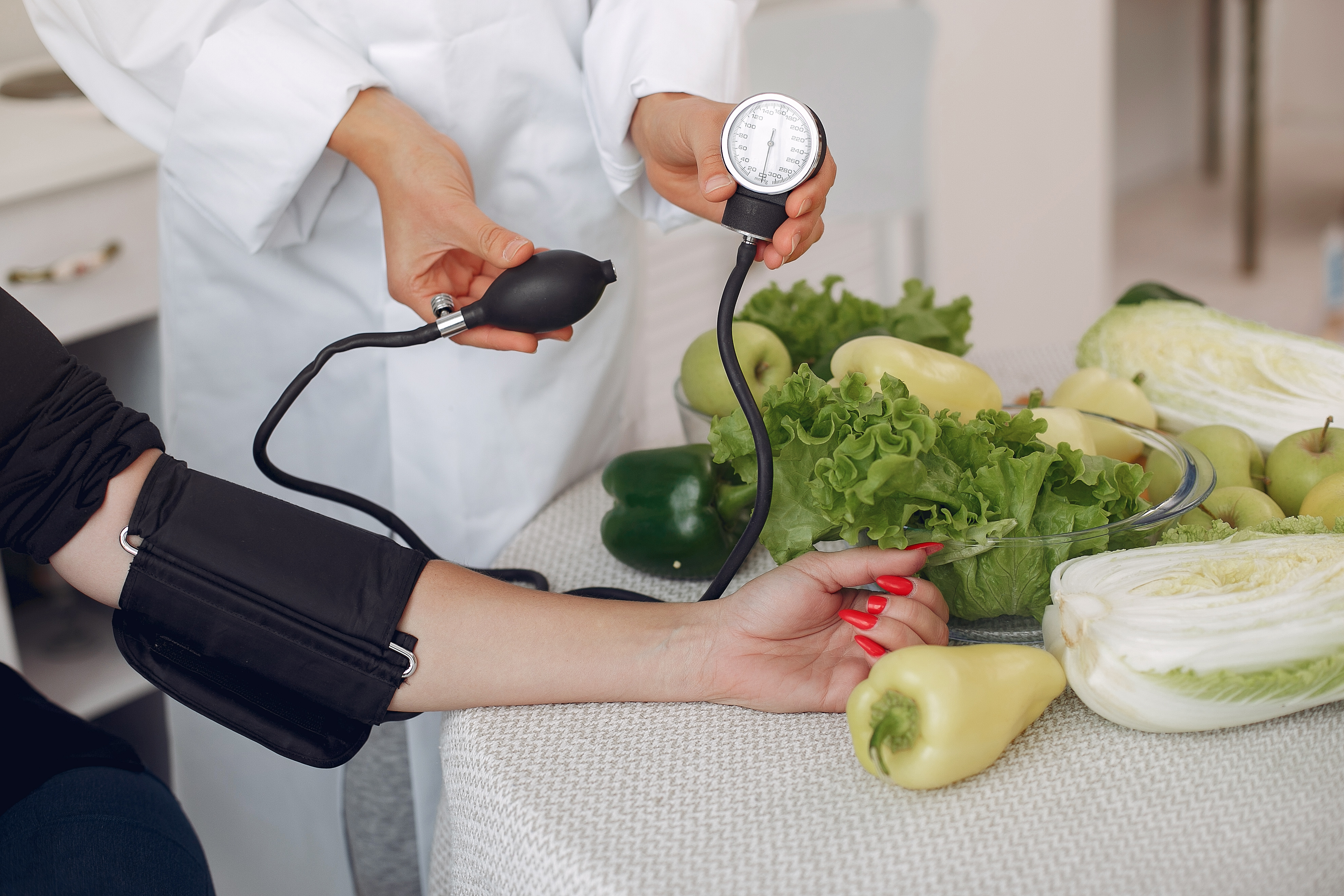
Thursday, January 16, 2025

Best Diet for Managing High Blood Pressure: A Comprehensive Guide

High blood pressure, also known as hypertension, affects millions of people worldwide and is a major risk factor for heart disease, stroke, and kidney damage. While medications can play a crucial role in controlling blood pressure, a balanced, heart-healthy diet is equally important in managing and even preventing hypertension.

In this article, we’ll explore the best foods and dietary habits that help lower blood pressure naturally, as well as foods to avoid, and answer some frequently asked questions about blood pressure and diet.


Key Nutrients for Managing Blood Pressure

To manage blood pressure effectively through diet, it’s essential to focus on the following nutrients:

  1. Potassium
    Potassium helps balance the effects of sodium and reduces tension in blood vessel walls. Foods rich in potassium include:

    • Bananas
    • Sweet potatoes
    • Spinach
    • Avocados
    • Beans
  2. Magnesium
    Magnesium supports vascular health and may help regulate blood pressure. Top magnesium-rich foods are:

    • Leafy greens (e.g., spinach, kale)
    • Nuts (almonds, cashews)
    • Whole grains (brown rice, oats)
    • Legumes
  3. Calcium
    Adequate calcium intake helps blood vessels tighten and relax efficiently. Consider adding these calcium-rich foods:

    • Dairy products (milk, cheese, yogurt)
    • Fortified plant-based milks (almond, soy, oat)
    • Leafy greens (collard greens, kale)
  4. Omega-3 Fatty Acids
    These healthy fats reduce inflammation and can help lower blood pressure. Include sources of omega-3s in your diet, such as:

    • Fatty fish (salmon, mackerel, sardines)
    • Flaxseeds
    • Chia seeds
    • Walnuts
  5. Antioxidants
    Foods rich in antioxidants, especially flavonoids, may improve blood vessel function and lower blood pressure. You can boost your intake with:

    • Berries (blueberries, strawberries)
    • Dark chocolate (70% cocoa or more)
    • Citrus fruits
    • Beets

The DASH Diet: A Proven Plan for Blood Pressure

The Dietary Approaches to Stop Hypertension (DASH) diet is one of the most recommended dietary patterns for managing high blood pressure. The DASH diet emphasizes:

  • Fruits and Vegetables: At least 4-5 servings per day.
  • Whole Grains: 6-8 servings per day, including brown rice, whole wheat bread, and oats.
  • Lean Protein: 2 or fewer servings of lean meats, poultry, or fish daily.
  • Low-Fat Dairy: 2-3 servings per day.
  • Nuts, Seeds, and Legumes: 4-5 servings per week.
  • Limit Sodium Intake: No more than 2,300 mg of sodium per day (ideally 1,500 mg for optimal heart health).
  • Minimize Processed Foods: Focus on whole foods rather than pre-packaged meals and snacks.

Foods to Avoid for Healthy Blood Pressure

  1. Sodium-Rich Foods
    Sodium increases blood pressure by causing the body to retain more water, which puts extra pressure on blood vessels. Avoid or limit:

    • Processed meats (bacon, sausages)
    • Canned soups and vegetables
    • Fast food
    • Packaged snacks (chips, crackers)
  2. Excessive Alcohol
    Drinking too much alcohol can raise blood pressure. The American Heart Association recommends no more than one drink per day for women and two drinks per day for men.

  3. Caffeine
    While caffeine’s impact on blood pressure varies, it can cause a temporary spike. If you're sensitive to caffeine, limit your intake of coffee, energy drinks, and soda.

  4. Refined Carbohydrates and Sugars
    High sugar and refined carb consumption, including white bread, sugary snacks, and sweetened beverages, may contribute to high blood pressure and weight gain. Opt for complex carbs instead, such as whole grains and vegetables.


Top FAQ's About Diet and Blood Pressure

Q1: Can eating certain foods lower blood pressure?
Yes, certain foods like those high in potassium, magnesium, and omega-3 fatty acids can help lower blood pressure by relaxing blood vessels and improving circulation.

Q2: What is the DASH diet, and how does it help?
The DASH (Dietary Approaches to Stop Hypertension) diet is specifically designed to help lower blood pressure by encouraging the intake of fruits, vegetables, whole grains, lean proteins, and low-fat dairy, while limiting sodium and processed foods.

Q3: Can a diet alone control high blood pressure?
A healthy diet is a key factor in controlling high blood pressure, but it should be combined with regular physical activity, stress management, and, if necessary, medications prescribed by a healthcare provider.

Q4: Are there any foods that can immediately lower blood pressure?
While no food provides an instant fix, regular consumption of heart-healthy foods such as leafy greens, berries, and omega-3-rich fish can gradually improve blood pressure over time.

Q5: Can I still eat salt if I have high blood pressure?
It’s essential to reduce your sodium intake if you have high blood pressure. The goal is to limit sodium to 2,300 mg per day (or ideally 1,500 mg) by avoiding processed foods, canned products, and salty snacks.


Conclusion

A heart-healthy diet is an essential part of managing and preventing high blood pressure. By incorporating nutrient-rich foods such as fruits, vegetables, whole grains, lean proteins, and healthy fats, you can naturally lower your blood pressure and improve overall heart health. The DASH diet is an excellent framework to guide your dietary choices, and avoiding excessive sodium, alcohol, and processed foods will also help you maintain optimal blood pressure levels.

Remember, always consult with a healthcare provider before making significant changes to your diet, especially if you have existing health conditions or take medication for hypertension.

DISCLAIMER:

THIS WEBSITE DOES NOT PROVIDE MEDICAL OR OTHER PROFESSIONAL ADVICE. The information provided on this website (blog), including but not limited to text, graphics, images, and other materials, is for informational purposes only. It is not intended to serve as a substitute for professional medical, legal, or any other kind of advice. Always seek the guidance of a qualified professional or relevant authorities with any questions you may have regarding information you read on this website. This includes any content found in Healthy Roots & Habits Blog, articles, website, social media channels, and written by the authors.

Featured Post

Healthy Foods That Aren’t Actually Healthy: Debunking Common Food Myths

When it comes to healthy eating, we all want to make the right choices. But what if some of the foods you think are healthy aren't actua...