Showing posts with label immunity boost. Show all posts

Thursday, September 4, 2025

Chili Leaves: Health Benefits, Nutrition Facts, Uses, and Side Effects

Nature has always been a source of healing, nourishment, and wellness. While chili peppers often take the spotlight with their fiery flavor, their green leaves are a hidden superfood packed with nutrition. Chili leaves are not only edible but also rich in vitamins, minerals, antioxidants, and fiber—offering a wide range of health benefits for digestion, immunity, heart health, and overall wellness.

This guide explores the nutritional value, medicinal properties, culinary uses, and possible side effects of chili leaves so you can make the most of this underrated natural ingredient.


🌱 What Are Chili Leaves?

Chili leaves come from the chili pepper plant (Capsicum spp.), a member of the nightshade family. Unlike the spicy fruit, chili leaves have a milder taste with slight bitterness and a gentle kick of spice.

They are commonly used in Southeast Asian and African cuisines, often in soups, stews, curries, and stir-fries. Beyond their culinary appeal, they provide powerful nutrition and healing properties.


🍃 Nutritional Value of Chili Leaves

Chili leaves are nutrient-dense and contain:

  • Vitamins – Rich in Vitamin C (immune support), Vitamin A (vision & immunity), and Vitamin K (bone & blood health).

  • Minerals – Calcium, potassium, and iron for bone strength, heart function, and blood production.

  • Antioxidants – Flavonoids and phenolic compounds to fight free radicals.

  • Fiber – Supports digestion, gut health, and blood sugar regulation.


🌿 Health Benefits of Chili Leaves

  1. Antioxidant Protection – Reduces oxidative stress, lowering the risk of heart disease and cancer.

  2. Anti-Inflammatory Properties – Helps ease arthritis, joint pain, and gut inflammation.

  3. Blood Sugar Regulation – Supports diabetes management by controlling glucose levels.

  4. Heart Health – May lower cholesterol and blood pressure naturally.

  5. Digestive Wellness – Fiber improves digestion and prevents constipation.

  6. Immunity Boost – Vitamin C and antioxidants strengthen the immune system.

  7. Pain Relief – Mild capsaicin content may reduce pain sensations.

  8. Cancer-Fighting Potential – May slow the growth of harmful cells.

  9. Overall Vitality – Regular use supports energy, wellness, and longevity.


🍲 Culinary Uses of Chili Leaves

Chili leaves add flavor, nutrition, and aroma to meals. You can use them in:

  • Salads – Freshly chopped for a peppery kick.

  • Stir-fries – Adds texture and taste alongside vegetables and proteins.

  • Soups & Stews – Infuses depth and richness.

  • Curries – Enhances spice blends with a subtle heat.

  • Herbal Tea – A soothing drink with natural health benefits.

  • Garnish – Fresh leaves make a vibrant topping.


⚠️ Potential Side Effects of Chili Leaves

Though generally safe, be mindful of these:

  • Allergic Reactions – May cause itching, swelling, or rashes in sensitive individuals.

  • Mouth Irritation – High intake can cause burning sensations due to capsaicin.

  • Digestive Discomfort – Overconsumption may trigger bloating or stomach upset.


✅ Conclusion

Chili leaves are an underrated powerhouse of nutrition and wellness. From boosting immunity to supporting heart health, these humble green leaves are worth adding to your kitchen and wellness routine. Just remember to consume them in moderation to avoid side effects.

Incorporating chili leaves into your meals can be a simple yet effective way to enhance your health naturally—the Healthy Roots & Habits way.


❓ Top FAQs on Chili Leaves

1. Are chili leaves safe to eat?
Yes, chili leaves are edible and safe when cooked or consumed in moderation.

2. Can chili leaves help with diabetes?
Yes, studies suggest chili leaves may help regulate blood sugar levels.

3. How do I cook chili leaves?
They can be stir-fried, added to curries, soups, or brewed into herbal tea.

4. Do chili leaves taste spicy like chili peppers?
No, they are milder with a slight bitterness and a subtle peppery taste.

5. Are there side effects of chili leaves?
Excessive consumption may cause mouth irritation, digestive issues, or allergic reactions.

6. Do chili leaves contain vitamins?
Yes, they are rich in Vitamin C, Vitamin A, and Vitamin K.

7. Can chili leaves improve immunity?
Yes, their Vitamin C and antioxidants strengthen the immune system.

8. Are chili leaves good for heart health?
Yes, they may help reduce cholesterol and blood pressure naturally.

9. Can pregnant women eat chili leaves?
Yes, in moderation, but it’s best to consult a doctor before including them regularly.

10. Are chili leaves used in traditional medicine?
Yes, they have been used in folk remedies for inflammation, pain relief, and digestive health.

Saturday, August 30, 2025

Benefits of Citrus Fruits for Females: Oranges, Grapefruits & Lemons for Skin and Immunity

Citrus fruits such as oranges, grapefruits, and lemons are nutritional powerhouses widely recognized for their Vitamin C content, antioxidants, and refreshing flavors. For women, these fruits play a vital role in immune health, glowing skin, collagen production, and hormonal balance. Including citrus in daily meals not only enhances wellness but also supports beauty and long-term vitality.


🌟 Key Benefits of Citrus Fruits for Women

1. Boosts Immune Function

Vitamin C strengthens immunity, helping women fight infections, seasonal flu, and fatigue.

2. Supports Skin Health & Collagen Production

Citrus fruits protect against free radical damage, reduce signs of aging, and boost collagen for firmer, radiant skin.

3. Aids in Weight Management

Low in calories and rich in fiber, oranges and grapefruits promote fullness, supporting weight control naturally.

4. Balances Hormones

The flavonoids in citrus fruits help reduce oxidative stress and support overall hormonal wellness.

5. Promotes Heart Health

Citrus antioxidants reduce cholesterol, support healthy blood circulation, and lower cardiovascular risk in women.

6. Improves Iron Absorption

Vitamin C enhances the body’s ability to absorb iron from plant-based foods, preventing anemia in women.


🍋 How Women Can Include Citrus Fruits in Diet

  • Fresh orange or grapefruit juice in the morning

  • Lemon water for detox and hydration

  • Citrus zest in salads or desserts

  • Adding slices to green tea for enhanced antioxidants


❓ Top FAQs about Citrus Fruits for Females

Q1. How does Vitamin C in citrus fruits benefit women’s skin?
It supports collagen production, fights wrinkles, and promotes glowing skin.

Q2. Can citrus fruits help in weight loss for women?
Yes, their low calories and high fiber promote satiety and weight management.

Q3. Are citrus fruits safe during pregnancy?
Yes, in moderation. They provide Vitamin C and folate but should be consumed fresh and not in excess.

Q4. Do citrus fruits help in iron absorption?
Yes, Vitamin C in oranges and lemons enhances iron absorption from plant-based foods.

Q5. Which citrus fruit is best for women’s health?
All are beneficial—oranges for immunity, grapefruit for weight control, and lemons for detox & skin glow.


✅ Conclusion

Citrus fruits like oranges, grapefruits, and lemons are essential superfoods for women, offering benefits for immunity, skin, collagen, hormones, and heart health. Regular inclusion in the diet ensures holistic well-being and long-lasting vitality.

Tuesday, May 27, 2025

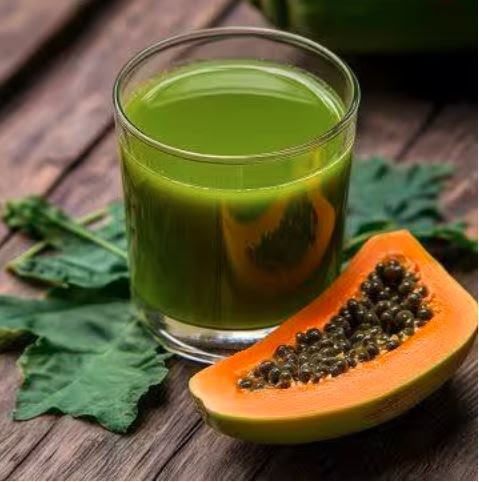
Papaya Leaf Juice Benefits: How to Make & Potential Side Effects

Welcome to Healthy Roots & Habits! Today, we delve into the potent natural remedy of papaya leaf juice. From boosting your immunity to supporting digestion, this humble juice is packed with papaya leaf benefits that can contribute significantly to your holistic health journey. Let's explore how to harness the power of papaya leaf juice benefits, learn how to make papaya leaf juice, and understand potential papaya leaf juice side effects.


The Natural Goodness of Papaya Leaf Juice

Papaya leaf juice is a dark green liquid extracted by crushing the leaves of the Carica papaya plant. Traditionally used for its medicinal properties, this juice is gaining recognition for its impressive health benefits. It's a source of vital nutrients like vitamins A, B, C, and E, and minerals such as calcium, phosphorus, and iron. Furthermore, papaya leaves are rich in phytochemicals like saponins, tannins, alkaloids, and flavonoids, including β-carotene, which contribute to its therapeutic effects.

8 Incredible Papaya Leaf Juice Benefits for Your Well-being

  1. May Help Treat Dengue Fever: Papaya leaf juice is known to potentially boost platelet count, which is crucial in managing dengue fever. Consuming a small amount twice daily may aid recovery.
  2. Potential Antimalarial Properties: Some studies suggest that papaya leaf extract may possess antimalarial properties by slowing down the growth of the Plasmodium parasite and increasing antioxidant levels.
  3. Aids Digestion and Soothes Gut Issues: The enzymes papain and chymopapain found in papaya leaves can help with digestion, potentially relieving bloating, heartburn, and constipation.
  4. May Protect Liver Health: By potentially lowering cholesterol levels and reducing lipid peroxidation, papaya leaf juice may help protect the liver from inflammatory diseases.
  5. Supports Healthy Skin: The antioxidants and vitamins in papaya leaf extract may contribute to healthy skin by scavenging free radicals and improving circulation, potentially reducing signs of aging.
  6. May Boost Immunity and Possess Anticancer Properties: Papaya leaf juice might stimulate the immune system and some compounds within it show potential antitumor activity, although more research is needed.
  7. Fights Dandruff and Scalp Issues: Applying papaya leaf extract to the scalp may help remove excess oil and dirt, potentially reducing dandruff and itchy scalp.
  8. Potent Anti-inflammatory Effects: Compounds in papaya leaves exhibit anti-inflammatory and pain-relieving properties, potentially beneficial for various conditions.

How to Make Your Own Papaya Leaf Juice at Home

Making papaya leaf juice is simple. Here's a basic recipe:

What You Need:

  • 5-10 fresh, tender papaya leaves
  • Purified drinking water
  • Juicer or blender
  • Thin cloth or sieve

Let's Make It!

  1. Thoroughly wash the papaya leaves.
  2. If using a juicer, process the leaves.
  3. If using a blender, crush the leaves with a little water until smooth.
  4. Strain the mixture through a cloth or sieve to collect the juice.

For a less bitter taste, you can blend the papaya leaves with sweet fruits like bananas or mangoes.

Potential Side Effects of Papaya Leaf Juice: What to Be Aware Of

While beneficial, it's important to be aware of potential papaya leaf juice side effects:

  • Not Recommended During Pregnancy: It's generally considered unsafe for pregnant women or those trying to conceive.
  • Potential Allergen: If you're allergic to papaya fruit, you may also be allergic to the leaf juice.
  • Digestive Discomfort: Consuming large amounts may cause digestive issues in some individuals.
  • Potential Drug Interactions: It may interact with certain medications.

Always consult your doctor before adding papaya leaf juice to your diet, especially if you have underlying health conditions or are taking medications. Start with a small amount to see how your body reacts.

Ways to Incorporate Papaya Leaf Juice into Your Routine

You can easily include papaya leaf juice in your daily routine by:

  • Adding it to fruit or green smoothies.
  • Having it with fresh fruits for breakfast.
  • Using it in salad dressings or marinades.

Top FAQs: Understanding Papaya Leaf Juice

  • Can you boil papaya leaves? Yes, boiling papaya leaves can be a way to extract their benefits for teas and juices.
  • Does papaya leaf juice increase white blood cells? Some studies suggest it might help improve platelet and white blood cell counts, particularly in dengue.
  • What are the potential interactions with medications? Papaya leaf juice may interact with certain diabetes medications, blood thinners, and other drugs. Always consult your doctor.
  • How often should you consume papaya leaf juice? Moderation is key. Daily consumption in small amounts is generally considered safe for many, but consult a healthcare professional for personalized advice.

Conclusion:

Papaya leaf juice offers a wealth of potential health benefits, making it a valuable addition to a holistic lifestyle. From its traditional use in managing dengue to its potential in supporting digestion and immunity, this natural juice is a powerhouse of goodness. However, it's crucial to be mindful of potential side effects and to consult with a healthcare professional before making it a regular part of your routine. Embrace the natural wisdom of papaya leaves on your path to healthy roots and habits!

Have you ever tried papaya leaf juice? Share your experiences in the comments below!

Thursday, May 15, 2025

The Powerful Health Benefits of Eating Soaked Peanuts with Jaggery

Peanuts and jaggery—two ingredients that may seem simple on their own—combine to create a powerhouse duo for your health. Not only are these two foods delicious, but they also provide numerous benefits when consumed together, especially when soaked overnight. In this article, we will explore the incredible benefits of eating soaked peanuts with jaggery and how this combination can improve your overall health and wellness.


Why Peanuts are a Nutrient Powerhouse

Peanuts, often considered a humble legume, are packed with essential nutrients. They are an excellent source of protein, offering 1.3 times more protein than meat, 2.5 times more than eggs, and 8 times more than fruits. This makes peanuts a fantastic, plant-based protein source, especially for vegetarians and vegans.

In addition to protein, peanuts are rich in healthy fats, carbohydrates, minerals, calcium, and vitamins. These nutrients play a crucial role in maintaining overall health, promoting heart health, boosting metabolism, and keeping energy levels up. However, the real magic happens when peanuts are paired with jaggery.

The Benefits of Soaked Peanuts and Jaggery Together

When you soak peanuts overnight and pair them with jaggery, you create a nutrient-rich snack that offers multiple health benefits. Here’s how this combination works:

  1. Boosts Energy and Combats Weakness
    Peanuts are rich in protein and healthy fats, while jaggery provides natural sugars that give you an immediate energy boost. This combination is especially beneficial for people experiencing weakness, dizziness, or fatigue. The added nutrients help provide the necessary energy to get through the day.

  2. Improves Digestion and Reduces Stomach Issues
    Both peanuts and jaggery are high in fiber, which helps maintain good digestion. Eating soaked peanuts with jaggery can alleviate common digestive issues such as gas, constipation, and acidity. The fiber content also keeps the stomach feeling full for longer, helping with weight management.

  3. Strengthens Bones and Teeth
    Peanuts contain a significant amount of calcium, which is essential for strong bones and teeth. Consuming this combination regularly can help you maintain bone density and support dental health. For people with weak bones or dental issues, this is a highly beneficial pairing.

  4. Supports Metabolism and Weight Control
    Soaked peanuts with jaggery help strengthen metabolism and regulate weight. They provide the body with essential nutrients that support a healthy metabolism, enabling your body to burn calories efficiently. If you’re looking to control your weight, this snack can make a difference.

  5. Boosts Immunity and Blood Health
    Peanuts are rich in vitamins and minerals that help in strengthening the immune system. The combination of jaggery and peanuts also helps improve blood circulation and can address issues like low iron levels, which are often linked to fatigue and dizziness.

  6. Helps Build Muscle and Gain Weight
    For individuals who are underweight or have difficulty gaining weight, the combination of soaked peanuts and jaggery is an excellent way to increase calorie intake in a healthy manner. Regular consumption of this combination can help in building muscle and improving body strength.

How to Consume Soaked Peanuts and Jaggery

To reap the benefits of peanuts and jaggery, follow these simple steps:

  • Soak a handful of peanuts in water overnight.

  • In the morning, either boil the peanuts or eat them raw, depending on your preference.

  • Add 10 to 15 grams of jaggery to the peanuts and consume this combination for a nutrient-packed, energizing breakfast or snack.

By incorporating this simple yet powerful duo into your daily routine, you can experience a range of health benefits, from improved digestion to increased energy levels and stronger bones.

Top FAQs About Soaked Peanuts with Jaggery

  1. Is it healthy to eat peanuts and jaggery every day?
    Yes, consuming soaked peanuts with jaggery daily is healthy in moderation. The combination provides essential nutrients like protein, fiber, calcium, and healthy fats, which support overall health.

  2. Can eating peanuts with jaggery help with weight gain?
    Yes, peanuts and jaggery are calorie-dense foods that can help those who are underweight to gain healthy weight and muscle mass when consumed regularly.

  3. Can soaked peanuts with jaggery improve digestion?
    Yes, the fiber content in both peanuts and jaggery can help regulate digestion, preventing issues like constipation, bloating, and acidity.

  4. What are the benefits of jaggery with peanuts for energy?
    Jaggery provides natural sugars, while peanuts provide protein and healthy fats. Together, they offer a sustained energy boost that combats fatigue and weakness.

  5. Is jaggery a better option than refined sugar?
    Yes, jaggery is a more nutritious option than refined sugar as it contains minerals like iron, magnesium, and calcium. It also provides a slower, sustained release of energy compared to the quick spike and crash from refined sugar.

Conclusion

Soaked peanuts with jaggery are more than just a tasty treat—they are a powerful combination that can enhance your health in various ways. From boosting energy levels and improving digestion to strengthening bones and supporting metabolism, this duo is an excellent addition to any holistic diet. Whether you’re looking to improve your overall health, gain weight, or maintain strong bones and teeth, soaking peanuts and pairing them with jaggery could be the natural remedy you’ve been searching for.


Title Suggestions:

  1. "The Health Benefits of Soaked Peanuts with Jaggery: A Natural Powerhouse"

  2. "Why Soaked Peanuts with Jaggery Should Be Part of Your Daily Routine"

  3. "Boost Your Health with Soaked Peanuts and Jaggery: The Ultimate Duo"

  4. "How Soaked Peanuts with Jaggery Can Improve Digestion, Energy, and Bone Health"

  5. "Eat Soaked Peanuts with Jaggery for Stronger Immunity, Better Digestion, and More!"


Labels:


Meta Description:


Saturday, May 10, 2025

Black Raisins: A Superfruit for Anti-Aging, Immunity, and Overall Health

Everyone knows that fruits are good for our health, but have you ever heard of a fruit that not only promotes your overall health but also prevents aging and helps you stay young? The secret to staying youthful and healthy might just be black raisins.


Black raisins are more than just a tasty snack; they are packed with essential nutrients that support various aspects of health, from boosting immunity to enhancing brain function. In this article, we’ll explore why you should make black raisins a part of your daily diet and how they can contribute to your well-being.

Why Black Raisins Are Good for You

Black raisins, also known as "kishmish," are dried grapes that retain all the nutritional benefits of fresh grapes. These small but mighty fruits are packed with vitamins, minerals, and antioxidants, which offer numerous health benefits. Here's why black raisins should be a part of your diet:

1. Rich in Nutrients

Black raisins are loaded with essential nutrients such as:

  • Vitamin C: Vital for maintaining healthy skin, boosting immunity, and fighting free radicals that contribute to aging.

  • Iron: Helps in the production of red blood cells and boosts energy levels.

  • Potassium: Helps regulate blood pressure and maintain heart health.

  • Fiber: Supports digestive health and prevents constipation.

  • Antioxidants: Protect the body from oxidative stress and inflammation, both of which can contribute to aging and chronic diseases.

2. Boost Immunity

Regular consumption of black raisins can significantly boost your immune system. They contain antioxidants and vitamin C, which help protect your body from infections and diseases. By strengthening your immune system, black raisins help prevent common illnesses, allowing you to stay healthy year-round.

3. Promote Healthy Skin and Slow Down Aging

Thanks to their high vitamin C content, black raisins can help reduce the visible signs of aging. Vitamin C is a powerful antioxidant that promotes collagen production, which is crucial for maintaining skin elasticity and preventing wrinkles. Eating black raisins regularly can make your skin look shiny, smooth, and youthful. The antioxidants in black raisins also protect the skin from harmful free radicals that cause premature aging.

4. Support Brain Health

Black raisins are excellent for brain health. They contain compounds that improve brain function and memory. By enhancing cognitive function and increasing mental sharpness, black raisins help in keeping your mind sharp and alert. Their high levels of iron also improve oxygen circulation in the brain, further enhancing mental clarity.

5. Heart and Kidney Health

Black raisins are beneficial for both the heart and kidneys. The potassium in black raisins helps regulate blood pressure and maintain a healthy heart. They also aid in detoxifying the kidneys and improving overall kidney function. Regular consumption of black raisins can protect against kidney stones and other kidney-related issues.

6. Improve Digestion

Black raisins are an excellent source of fiber, which is crucial for digestive health. They help in promoting healthy bowel movements, preventing constipation, and supporting a healthy gut. Fiber also plays a role in reducing bloating and other digestive discomforts.

How to Incorporate Black Raisins into Your Diet

Eating black raisins is simple and convenient. Here are some ways to include them in your daily routine:

  • As a snack: A small handful of black raisins is a great on-the-go snack.

  • Soaked in water: Soaking black raisins overnight and consuming them on an empty stomach in the morning can offer additional health benefits, especially for improving digestion.

  • In smoothies: Add black raisins to your smoothies for a boost of nutrients.

  • In salads: Sprinkle black raisins over salads for added texture and sweetness.

  • In oatmeal or cereal: Add black raisins to your morning oats or cereal to enhance the flavor and nutritional value.

Top FAQs About Black Raisins

1. How many black raisins should I eat daily?
You should consume about 10-15 black raisins per day for optimal health benefits. Eating them in moderation will ensure you get their health-boosting properties without overdoing it.

2. Can black raisins help with weight loss?
Yes, black raisins are a great source of fiber, which can promote a feeling of fullness and reduce cravings. This can help with weight management by preventing overeating.

3. Are black raisins good for your skin?
Yes, black raisins are rich in antioxidants and vitamin C, which help promote healthy, glowing skin. Regular consumption can also slow down the aging process and reduce wrinkles.

4. Can black raisins boost energy levels?
Black raisins are rich in iron, which helps improve red blood cell production and boosts energy levels. They are a great snack to keep you energized throughout the day.

5. Can black raisins help with constipation?
Yes, black raisins are high in fiber, which aids in digestion and promotes regular bowel movements. Soaking black raisins overnight and consuming them in the morning can be especially helpful in relieving constipation.

Conclusion: Add Black Raisins to Your Diet for Better Health and a Youthful Glow

Black raisins are more than just a tasty treat; they are a powerhouse of nutrients that support overall health, prevent aging, and keep your body functioning at its best. From boosting immunity to improving brain health and promoting healthy skin, black raisins offer a multitude of benefits that make them a must-have in your daily diet.

So, the next time you're looking for a healthy snack or a natural remedy to keep your body youthful and vibrant, reach for black raisins. They are an easy and delicious way to take care of your health and beauty naturally.

Enjoy the power of black raisins and embrace a healthier, more youthful you!

Wednesday, May 7, 2025

Surprising Benefits of Eating an Apple Every Morning for 30 Days

The humble apple is often called "nature's candy" for a good reason—it’s not just delicious, but packed with essential nutrients that can promote better health and well-being. Eating an apple in the morning, especially on an empty stomach, can offer numerous benefits that support your holistic health journey. Let’s explore what happens when you eat an apple every day for 30 days and why this simple habit is worth incorporating into your daily routine.


1. Boosts Digestion with Fiber-Rich Goodness

One of the most significant benefits of eating an apple every morning is its positive impact on digestion. Apples are rich in both soluble and insoluble fiber, which helps regulate bowel movements, prevent constipation, and improve overall digestive health. The high fiber content promotes a healthy gut by supporting beneficial bacteria and ensuring smooth digestion, setting the stage for a comfortable and energized day.

2. Supports Heart Health and Controls Cholesterol

Eating apples regularly can have a profound effect on your heart health. Apples are loaded with antioxidants and fiber, which are key in lowering cholesterol levels. By helping to regulate bad cholesterol (LDL) while promoting good cholesterol (HDL), apples contribute to a healthy cardiovascular system. Over the course of 30 days, you may notice better heart health and a reduced risk of cardiovascular diseases.

3. Assists in Weight Control and Curbing Hunger

If you're looking to manage your weight, eating an apple in the morning is a great strategy. Apples are naturally low in calories yet high in fiber, making them an ideal snack to curb your hunger. The fiber helps you feel fuller for longer, reducing the temptation to snack on unhealthy foods and promoting portion control throughout the day. This simple habit can support your weight management goals over time.

4. Strengthens Immunity and Fights Off Illnesses

Packed with Vitamin C, apples help strengthen your immune system, making it easier for your body to ward off common illnesses like the cold and flu. Eating apples regularly enhances your body's natural defense mechanisms, providing an extra layer of protection as you go about your day. The antioxidants in apples also neutralize harmful free radicals, keeping your immune system in peak condition.

5. Promotes Glowing Skin and Reduces Wrinkles

Apples are loaded with antioxidants like flavonoids and polyphenols, which can help protect your skin cells from oxidative damage. These antioxidants work wonders in reducing the visible signs of aging, such as wrinkles and fine lines, and contribute to clearer, healthier skin. Over the course of 30 days, you may notice a visible improvement in your skin’s tone, texture, and radiance.

6. Provides a Natural Energy Boost

Consuming an apple first thing in the morning gives you a natural energy boost, without the need for caffeine or sugary snacks. The combination of fiber and natural sugars in apples provides a steady release of energy throughout the morning, helping you feel more alert and productive. Many people report feeling more energetic and focused after incorporating apples into their morning routine.

Important Considerations:

While apples are generally safe and beneficial for most people, it’s important to remember that moderation is key. Eating too many apples may lead to digestive discomfort, including bloating, gas, or stomach cramps. Additionally, if you follow a low-carb or ketogenic diet, you may need to monitor your apple intake as apples contain natural carbohydrates.


Top FAQs About Eating Apples Every Morning:

1. What are the benefits of eating apples on an empty stomach?
Eating apples on an empty stomach provides a boost of fiber, vitamins, and antioxidants that help improve digestion and enhance overall energy levels for the day ahead.

2. How do apples help with digestion?
Apples contain soluble and insoluble fiber, which regulate bowel movements, prevent constipation, and promote a healthy digestive tract.

3. Can eating an apple daily help me lose weight?
Yes, apples are low in calories and high in fiber, which helps curb appetite, control hunger, and prevent overeating, making them a great addition to any weight management plan.

4. How do apples improve heart health?
Apples help lower bad cholesterol (LDL) while boosting good cholesterol (HDL) through their fiber and antioxidant content, reducing the risk of heart disease over time.

5. Will apples make my skin glow?
Yes, the antioxidants and vitamins in apples protect your skin from damage, reduce wrinkles, and contribute to a more youthful and glowing complexion.


Conclusion

Incorporating an apple into your morning routine for 30 days can have a profound impact on your overall health. From improved digestion to enhanced heart health, weight control, and glowing skin, the benefits of eating apples are undeniable. The natural vitamins, fiber, and antioxidants in apples make them a simple yet powerful addition to your holistic health journey. So, why not start today and experience the transformative effects of this delicious and nutritious fruit?

Wednesday, April 30, 2025

Radish Leaves: Health Benefits, Uses And Side Effects

In the world of holistic health and natural living, we often overlook everyday ingredients that can contribute to our wellness. One such gem is the humble radish leaf. While most people focus on the root vegetable, radish leaves are equally packed with health benefits that can improve your immunity, digestion, and even support weight loss. In this post, we’ll dive deep into the many benefits, culinary uses, and potential side effects of this nutrient-dense green, making it a versatile addition to your wellness routine.


Nutrient-Packed and Beneficial for Health

Radish leaves are rich in several essential vitamins and minerals that promote overall health. They are an excellent source of:

  • Vitamin C: Essential for boosting your immune system and fighting off infections.

  • Vitamin A: Vital for maintaining eye health and improving vision.

  • Vitamin K: Important for bone health and blood clotting.

  • Iron: Helps prevent anemia and supports energy levels.

  • Calcium: Crucial for strong bones and teeth.

These nutrients come together to offer an impressive range of health benefits, from boosting immunity to promoting healthy skin and heart function.

Health Benefits of Radish Leaves

1. Boosts Immunity

With their high vitamin C content, radish leaves help strengthen the immune system, making them a natural defense against common illnesses like colds and flu.

2. Supports Digestive Health

The fiber content in radish leaves aids digestion, preventing constipation and promoting regular bowel movements. Their detoxifying properties also support liver health.

3. Promotes Weight Loss

Low in calories and high in fiber, radish leaves are a fantastic addition to weight loss diets. They help you feel full longer and can be easily incorporated into a variety of dishes.

4. Detoxification and Blood Purification

Radish leaves are known for their detoxifying properties, helping to cleanse the liver and purify the blood. This can result in improved energy levels and better skin health.

5. Supports Heart and Blood Vessel Health

The anthocyanins and vitamin C found in radish leaves may help lower the risk of heart disease by protecting blood vessels and supporting their elasticity.

6. Skin Health

Vitamin C in radish leaves aids collagen production, which is crucial for maintaining youthful, radiant skin.

7. Eye Health

Thanks to their vitamin A content, radish leaves help improve vision and may reduce the risk of age-related eye conditions.

8. Blood Sugar Control

Radish leaves may help regulate blood sugar levels, making them an excellent addition for individuals managing diabetes.

9. Anti-inflammatory

The anti-inflammatory properties of radish leaves can alleviate pain and swelling in conditions such as arthritis and muscle inflammation.

10. Bone Health

With their calcium and iron content, radish leaves support strong bones and help prevent conditions like osteoporosis and anemia.

Culinary Uses of Radish Leaves

Radish leaves can be used in a variety of dishes, both raw and cooked. Here are a few ways you can incorporate them into your meals:

  • Raw in Salads: Add fresh radish leaves to your salads for an extra nutritional boost.

  • In Soups and Stews: Radish leaves can be cooked and added to soups and stews for a hearty, healthy meal.

  • Stir-fries: Sauté them with other vegetables for a nutrient-packed stir-fry.

  • Smoothies: Blend radish leaves with other greens and fruits to create a refreshing detox smoothie.

Traditional Medicinal Uses

In addition to their culinary uses, radish leaves have long been used in traditional medicine for treating various health conditions, including:

  • Piles: Radish leaves have been used as a remedy for piles (hemorrhoids) due to their anti-inflammatory and soothing properties.

  • Jaundice: They have been used to cleanse the liver and improve liver function.

  • Digestive Issues: Radish leaves are often consumed to aid in digestion and prevent issues like constipation.

Possible Side Effects of Radish Leaves

While radish leaves offer numerous health benefits, it’s important to consume them in moderation. Excessive consumption can lead to:

  • Dehydration: Due to their diuretic properties, consuming too many radish leaves may cause excessive water loss.

  • Low Blood Pressure: Radish leaves can potentially lower blood pressure, so individuals with low blood pressure should be cautious.

  • Hypoglycemia: They may lower blood sugar levels, which could be problematic for individuals on medication for diabetes.

  • Gallstones: People with gallstones should avoid radish consumption due to its potential to irritate the gallbladder.

  • Pregnancy: Pregnant women are advised to limit or avoid radish leaves, as they could have mild diuretic effects.

FAQs About Radish Leaves

Q1: Can radish leaves be eaten raw? Yes, radish leaves can be eaten raw in salads or smoothies. Just ensure they are thoroughly washed before consumption.

Q2: Are radish leaves good for weight loss? Yes, radish leaves are low in calories and high in fiber, making them a great addition to a weight loss diet.

Q3: Can radish leaves help with digestion? Yes, radish leaves contain fiber that promotes healthy digestion and can help prevent constipation.

Q4: What are the medicinal uses of radish leaves? Traditionally, radish leaves have been used to treat conditions like piles, jaundice, and digestive issues.

Q5: Are there any side effects of consuming radish leaves? Excessive consumption can lead to dehydration, low blood pressure, and hypoglycemia. It’s best to consume them in moderation.

Conclusion

Radish leaves are an incredibly nutritious and versatile superfood that can provide numerous health benefits, from boosting immunity to supporting digestive health and promoting weight loss. With their rich nutrient profile, they can be easily incorporated into your diet through raw or cooked dishes. However, like any food, they should be consumed in moderation to avoid potential side effects. If you’re looking to improve your overall health naturally, radish leaves might just be the green you’ve been missing!


Conclusion Reminder: Don’t forget to consult with a healthcare provider before making significant dietary changes, especially if you have underlying health conditions or concerns.

Thursday, April 24, 2025

Health Benefits of Beetroot: Boost Immunity, Skin, and Digestion Naturally

When it comes to health and wellness, nature provides us with simple, effective solutions. One such superfood is beetroot – a vibrant vegetable found in most kitchens. Packed with essential nutrients and numerous health benefits, beetroot is more than just a salad ingredient. In this post, we’ll explore the remarkable benefits of beetroot juice and how it can contribute to your overall health, from boosting immunity to aiding in weight loss.


Why Beetroot Juice Should Be Part of Your Daily Routine

Beetroot juice is a natural powerhouse, offering a variety of health benefits that support digestion, immunity, heart health, and skin glow. Let’s break down why this vegetable is worth adding to your morning routine.

1. Improves Digestion and Prevents Constipation

Beetroot is rich in fiber, which plays a crucial role in improving digestion and preventing constipation. Drinking beetroot juice on an empty stomach helps your body absorb nutrients more efficiently and promotes a healthy digestive system.

2. Boosts Immunity

Packed with vitamin C and antioxidants, beetroot juice can help enhance your body’s natural defense system. These nutrients protect your cells from damage, support your immune system, and aid in fighting off infections.

3. Supports Heart Health

Beetroot is loaded with potassium and nitrates, which help improve blood circulation and lower blood pressure. The nitrates convert into nitric oxide in the body, which enhances blood flow and contributes to better cardiovascular health.

4. Promotes Healthy Skin

Looking for glowing skin? Beetroot juice is an excellent source of vitamin C and iron, both of which are essential for skin health. Regular consumption of beetroot juice can help rejuvenate your skin, leaving it with a healthy, natural glow.

5. Helps in Weight Loss

If you’re aiming to lose weight, beetroot juice can be a helpful addition to your diet. It’s low in calories, high in fiber, and provides essential nutrients that support healthy metabolism. Drinking beetroot juice regularly can aid in weight management by reducing cravings and improving digestion.

6. Improves Brain Function

The nitrates in beetroot juice also improve blood flow to the brain, which can reduce the risk of memory loss and enhance cognitive function. For those looking to stay sharp, beetroot juice is an excellent natural option.


Top FAQs About Beetroot Juice

1. How often should I drink beetroot juice? For optimal benefits, try drinking beetroot juice on an empty stomach every morning. You can start with a small amount and gradually increase the quantity to suit your body.

2. Can beetroot juice help with skin issues? Yes, beetroot juice contains vitamin C and iron, which are both known to promote healthy skin. Regular consumption can help improve your skin's appearance and give it a natural glow.

3. Is beetroot juice good for weight loss? Beetroot juice is low in calories and high in fiber, making it a great addition to a weight loss plan. It helps improve digestion and curb cravings, contributing to a healthier weight.

4. Can beetroot juice improve heart health? Yes, beetroot juice is rich in potassium and nitrates, both of which contribute to improved blood circulation and lower blood pressure, supporting overall heart health.

5. What are the best times to drink beetroot juice? Drinking beetroot juice in the morning, on an empty stomach, is ideal for maximizing its health benefits. It helps with nutrient absorption and provides a fresh start to your day.


Conclusion

Incorporating beetroot juice into your daily routine is a simple, effective way to boost your health naturally. From enhancing digestion and promoting a healthy heart to improving skin and supporting weight loss, the benefits of beetroot juice are numerous. Whether you want to glow from the inside out or improve your overall well-being, beetroot juice is a great addition to your holistic health journey.

Start your day with a glass of beetroot juice, and experience the power of nature’s goodness!

Wednesday, April 23, 2025

Vitamin D: The Sunshine Vitamin and Its Incredible Health Benefits

When we step into the sunlight, our skin gets more than just a tan—it receives essential nutrients, including Vitamin D, which is commonly known as the sunshine vitamin. This vital nutrient plays a crucial role in our overall health, supporting everything from bone strength to mental well-being.


In this article, we’ll dive into the key benefits of Vitamin D and explore how you can ensure you're getting enough of this vital nutrient.

Key Benefits of Vitamin D

🌞 1. Bone Health:
Vitamin D is essential for calcium absorption, which is vital for strengthening your bones and teeth. It plays a protective role in preventing conditions like osteoporosis, which causes bones to become brittle and weak.

🌞 2. Boosts Immunity:
A strong immune system is your body's defense against infections. Vitamin D boosts your body's immunity, making it more capable of fighting off harmful bacteria and viruses.

🌞 3. Supports Muscle Function:
Vitamin D is crucial for muscle function and strength. It helps regulate muscle contractions and is particularly important for maintaining balance and coordination.

🌞 4. Heart Health:
Studies suggest that Vitamin D may help lower the risk of heart diseases by regulating blood pressure and supporting the cardiovascular system. Maintaining adequate levels may reduce the likelihood of hypertension and heart conditions.

🌞 5. Mental Health:
There’s growing evidence that Vitamin D can have a positive impact on mental health. Deficiency has been linked to mood disorders such as depression and anxiety. Regular sunlight exposure can help combat these issues and support mental well-being.

🌞 6. Reduces Cancer Risk:
Vitamin D is believed to have protective effects against certain types of cancer, including colon, breast, and prostate cancer. By regulating cell growth, it may reduce the likelihood of abnormal cell development.

🌞 7. Hormone Balance:
Vitamin D also plays a key role in regulating hormones, particularly those involved in immune function and inflammation. Keeping Vitamin D levels in check can help maintain hormonal balance in the body.

How to Get Vitamin D Naturally

The most effective way to boost your Vitamin D levels is through exposure to sunlight. When your skin is exposed to UVB rays, it naturally synthesizes Vitamin D.

Experts suggest around 10 to 15 minutes of direct sunlight exposure each day is sufficient for most people. However, this may vary depending on factors like skin tone, weather conditions, and your geographical location.

Top FAQs About Vitamin D

1. How much Vitamin D do I need daily?
The recommended daily intake varies based on age, health status, and lifestyle, but generally, adults need about 600–800 IU of Vitamin D per day.

2. Can I get enough Vitamin D from food alone?
While some foods (like fatty fish, fortified dairy, and egg yolks) contain Vitamin D, it’s challenging to get sufficient amounts from diet alone. Sunlight exposure is the most effective source.

3. Can I take a Vitamin D supplement if I can’t get enough sunlight?
Yes, Vitamin D supplements can help if you're not getting enough sunlight or if you live in areas with limited sun exposure.

4. What are the signs of Vitamin D deficiency?
Symptoms of deficiency include fatigue, bone pain, muscle weakness, and mood changes. If you suspect you’re deficient, a blood test can help confirm it.

5. Is it safe to get too much Vitamin D?
Yes, it’s possible to have too much Vitamin D, leading to toxicity. Excessive amounts can result in calcium buildup, which can damage kidneys and bones. Always consult a healthcare provider before taking high doses of supplements.

Conclusion: The Sunshine Vitamin's Vital Role in Your Health

Vitamin D, often called the "sunshine vitamin," is much more than a nutrient—it’s a powerful health booster. From enhancing bone health to improving immune function and mental health, its benefits are vast. Taking in natural sunlight for 10–15 minutes each day is an easy and natural way to give your body the Vitamin D it needs to thrive.

If you can’t get enough sun, consider incorporating Vitamin D-rich foods into your diet or taking a supplement as needed. Your body will thank you for it!

Rambutan Health Benefits: The Nutrient-Packed Exotic Fruit You Need to Know About

When we think about nourishing our bodies, we often focus on the essentials provided by fruits and vegetables. But what if there was a fruit, often overlooked, that packed a punch in terms of essential nutrients? Rambutan is one such exotic fruit that has begun making its way into more households and diets worldwide. Not only does it offer a burst of flavor, but it also provides a host of incredible health benefits that can help improve overall well-being.


What is Rambutan?

Rambutan, scientifically known as Nephelium lappaceum, is a tropical fruit native to Southeast Asia. The name "Rambutan" comes from the Malay word "rambut," meaning hair, which refers to its spiky outer appearance. The fruit is typically red or yellow when ripe and resembles lychee with its sweet and juicy pulp inside. It has a seed in the middle, making it both a flavorful and nutrient-rich treat.

Rambutan Nutritional Benefits

Rambutan is a powerhouse of essential nutrients like calcium, iron, potassium, magnesium, zinc, copper, and vitamins A, C, and B9 (folate). Here's a breakdown of the nutritional content of 100 grams of Rambutan:

  • Energy: 73.1 kcal

  • Protein: 0.6 grams

  • Fat: 0.1 grams

  • Carbohydrates: 6.8 grams

  • Calcium: 8.6 mg

  • Zinc: 0.5 mg

  • Iron: 0.3 mg

  • Folate: 7.3 mcg

  • Magnesium: 21.3 mg

  • Copper: 0.08 mg

  • Vitamin A: 0.4 mcg

  • Vitamin C: 65 mg

  • Fiber: 0.05 grams

These nutrients play a crucial role in maintaining good health, supporting bodily functions, and protecting against disease.

Health Benefits of Rambutan

Rambutan is more than just a tasty snack; it's a fruit that provides a wide range of health benefits:

  1. Boosts Immunity
    Rich in Vitamin C, Rambutan helps strengthen the immune system, protecting your body against infections.

  2. Improves Digestion
    The fiber and water content in Rambutan support digestive health, making it a great addition to your diet.

  3. Helps with Weight Management
    Rambutan is low in calories and fat but rich in nutrients, making it a satisfying and healthy option for those trying to manage their weight.

  4. Acts as an Antioxidant
    The antioxidants in Rambutan protect the body from free radicals, reducing oxidative stress and lowering the risk of chronic diseases.

  5. Reduces Inflammation
    The anti-inflammatory properties of Rambutan can help reduce swelling and discomfort in the body.

  6. Supports Heart Health
    Rambutan helps regulate blood pressure and cholesterol levels, contributing to a healthier heart.

  7. Increases Iron Levels
    The iron in Rambutan helps in preventing anemia and improving the circulation of oxygen throughout the body.

  8. Promotes Healthy Skin
    The high Vitamin C content in Rambutan helps in collagen formation, leading to healthy, glowing skin.

How to Include Rambutan in Your Diet

Rambutan can be enjoyed in a variety of ways:

  • Fresh: Eat the pulp directly from the fruit after peeling off the skin.

  • Desserts: Add it to cakes, ice creams, smoothies, or puddings.

  • Salads: Toss it into your salads for a refreshing twist.

  • Juices: Make a fresh Rambutan juice for a nutritious drink.

Conclusion

Rambutan is much more than just an exotic fruit; it’s a nutrient-packed superfood that can support various aspects of your health. From boosting immunity and aiding digestion to improving skin health and promoting heart wellness, this tropical fruit offers countless benefits. So, the next time you find Rambutan in the store, consider adding it to your diet for a delicious and health-boosting treat. Your body will thank you!


Top FAQs:

  1. What are the main health benefits of Rambutan? Rambutan boosts immunity, improves digestion, helps with weight management, acts as an antioxidant, and supports heart health.

  2. How many calories are in 100 grams of Rambutan? 100 grams of Rambutan provides 73.1 kcal of energy.

  3. Can Rambutan help with skin health? Yes, Rambutan is rich in Vitamin C, which helps with collagen formation, promoting healthy and glowing skin.

  4. Is Rambutan good for people with diabetes? Rambutan is a low-calorie fruit that can be beneficial for people with diabetes when consumed in moderation as part of a balanced diet.

  5. Where is Rambutan grown? Rambutan is native to Southeast Asia, but due to its growing popularity, it is now available worldwide.

Thursday, April 10, 2025

Salt Room Therapy: Health Benefits, Uses & How It Works for Natural Healing

🧂 What Is Salt Room Therapy?

Salt Room Therapy, also known as halotherapy, is a natural wellness treatment where individuals relax in a specially designed room filled with micronized salt particles. The practice draws from ancient European traditions where people visited salt caves for their therapeutic properties—particularly in Poland and the Himalayan regions.


Modern salt rooms simulate this environment by using temperature-controlled dry salt air, often enriched with Himalayan or Polish rock salt. Sessions typically last 25 to 45 minutes, and offer a chemical-free, non-invasive wellness experience.


✨ Health Benefits of Salt Room Therapy

Salt room therapy is gaining global popularity for its diverse range of health benefits. Here's how it can support your physical and mental well-being:


🫁 1. Supports Respiratory Health

Dry salt particles clear mucus, reduce inflammation, and improve breathing. It is especially beneficial for:

  • Asthma

  • COPD

  • Bronchitis

  • Sinusitis

  • Allergies

Salt helps clear lung congestion and can relieve chronic cough and wheezing, offering a complementary treatment for respiratory discomfort.


🧠 2. Improves Nervous System & Mental Clarity

Salt particles can stimulate neural pathways, reduce fatigue, and enhance focus. Benefits include:

  • Migraine relief

  • Reduced anxiety

  • Better sleep

  • Increased energy

People report feeling calmer and more focused after a single session, thanks to the soothing, mineral-rich environment.


🧘‍♀️ 3. Reduces Stress & Improves Mood

The peaceful atmosphere, combined with salt’s natural properties, makes it ideal for:

  • Stress reduction

  • Mood elevation

  • Combating depression

  • Balancing emotional health

Salt room sessions often feel like a mental detox, allowing the mind to reset in a calm, grounding environment.


🧴 4. Heals & Hydrates the Skin

Salt has antimicrobial and anti-inflammatory properties that help with:

  • Psoriasis

  • Eczema

  • Dermatitis

  • Acne

  • Skin infections

Regular salt therapy can balance skin pH, remove dead skin cells, and leave your skin soft and glowing.


🛡️ 5. Boosts Immunity

Salt therapy regulates the immune system by controlling IgE levels—reducing allergic reactions and chronic inflammation. It’s also beneficial for:

  • Autoimmune conditions

  • Joint pain

  • Inflammation-related fatigue


🌬️ How Salt Room Therapy Works

Salt rooms use a halogenerator, which disperses ultra-fine salt particles into the air. These particles are inhaled and absorbed by the skin. Unlike humid salt therapies, this is dry salt therapy—ideal for deep respiratory cleansing and skin rejuvenation.

Sessions are:

  • Drug-free

  • Non-invasive

  • Suitable for adults and children (if approved by a doctor)


⚠️ Who Should Avoid Salt Room Therapy?

While salt therapy is generally safe, it’s not suitable for everyone. Avoid or consult your doctor if you:

  • Are pregnant with high blood pressure

  • Have heart conditions

  • Are experiencing acute respiratory infections

  • Have open wounds or burns


❓ Top FAQs on Salt Room Therapy

Q1. Is salt room therapy scientifically proven?
While widely used and based on ancient practices, there is limited modern scientific research. However, many users report noticeable health benefits.

Q2. Can salt room therapy replace medication?
No. It’s a complementary therapy and should never replace prescribed medical treatments.

Q3. How often should I do salt room therapy?
1–2 sessions per week are common for general wellness. For chronic issues, consult a holistic health practitioner.

Q4. What should I wear to a salt room session?
Comfortable clothing that exposes skin (like shorts or short sleeves) is ideal for skin benefits.

Q5. Are there side effects to salt room therapy?
It's generally safe, but people with respiratory sensitivity might initially experience coughing or mild irritation.


🌱 Conclusion: A Natural Path to Better Health

Salt room therapy offers a natural, holistic way to improve your respiratory health, rejuvenate your skin, and relax your mind. Rooted in ancient healing traditions and gaining popularity worldwide, it's a powerful wellness option for those seeking alternatives to conventional medicine.

If you're looking to boost your immunity, improve your breathing, or simply unwind from stress, salt room therapy might be just what your body and soul need.

Always consult with a qualified health professional before starting any new therapy, especially if you have underlying conditions.

Monday, March 24, 2025

Incorporate Buttermilk Into Your Diet for Healthier Bones, Heart & More

Buttermilk, or thair, is a versatile and healthy addition to any diet. This dairy product, made from fermented milk using beneficial bacteria like Lactobacillus bulgaricus and Streptococcus thermophilus, is loaded with probiotics, proteins, vitamins, calcium, and essential minerals. Not only is it a delicious and refreshing beverage, but it also provides a myriad of health benefits when incorporated into your daily meals. Here's why adding buttermilk to your diet can help improve your health.

1. Improves Heart Health

One of the most significant benefits of buttermilk is its ability to improve heart health. It helps regulate cholesterol levels and control blood pressure. Studies show that consuming fermented dairy products like buttermilk can reduce the risk of heart disease. By improving overall cardiovascular health, buttermilk lowers the chances of developing heart-related problems, making it a great choice for a heart-healthy diet.

2. Beneficial for Strong Bones and Teeth

Buttermilk is an excellent source of calcium and phosphorus, two essential minerals that help maintain strong bones and teeth. Regular consumption can prevent bone-related conditions like osteoporosis and promote skeletal health. Additionally, calcium and phosphorus play a vital role in maintaining the strength of your teeth, helping you keep your smile bright and healthy.

3. Aids in Weight Loss

Buttermilk can also be beneficial if you're trying to lose weight. The high protein content helps control hunger and boosts metabolism, aiding in weight management. As it keeps you feeling full for longer, it reduces the chances of overeating, while providing sustained energy throughout the day. If you're looking for a nutritious and low-calorie addition to your diet, buttermilk is a great option.

4. Improves Digestion

Buttermilk contains probiotics that help maintain the growth of healthy bacteria in the gut, which is essential for good digestion. These probiotics can prevent digestive issues such as bloating, constipation, and indigestion, while also aiding in the absorption of essential nutrients. By improving digestion, buttermilk ensures that your body gets the maximum benefits from the food you consume.

5. Strengthens Immunity

The probiotics found in buttermilk play a crucial role in boosting the immune system. Consuming buttermilk regularly helps strengthen your body’s natural defense system, reducing the frequency of illnesses and helping to fight off harmful pathogens. This makes it a great addition to your diet, especially during cold and flu seasons.

Other Health Benefits of Buttermilk

  • Hair Health: Regular consumption of buttermilk can reduce hair loss and promote healthier hair growth.
  • Blood Sugar Control: Buttermilk helps regulate blood sugar levels, making it a good choice for those with diabetes or anyone looking to maintain healthy blood sugar levels.

Top FAQs About Buttermilk:

Q1: Can buttermilk help with weight loss? Yes, buttermilk can help control hunger and boost metabolism, which aids in weight loss.

Q2: Is buttermilk good for digestion? Yes, the probiotics in buttermilk support healthy gut bacteria, improving digestion and preventing digestive issues.

Q3: Can buttermilk improve heart health? Yes, buttermilk helps regulate cholesterol levels and blood pressure, lowering the risk of heart disease.

Q4: How does buttermilk help with bone health? Buttermilk is a rich source of calcium and phosphorus, which are essential for strong bones and teeth.

Q5: Can buttermilk boost immunity? Yes, the probiotics in buttermilk enhance the immune system, helping to fight infections.


Conclusion:

Incorporating buttermilk into your daily meals is an easy and nutritious way to enhance your overall health. Whether you're looking to improve your digestion, strengthen your bones, manage your weight, or boost your immunity, buttermilk can be a great addition to your diet. It's a versatile ingredient that can be enjoyed in both savory and sweet dishes, making it a delicious and healthy choice for everyone.

Pointed Gourd (Parwal): A Nutrient-Rich Vegetable for Digestion and Heart Health

Pointed gourd, also known as Trichosanthes doica or Parwal, is a beloved vegetable in the Indian subcontinent. Part of the gourd family, it is known for its unique shape, vibrant green color, and impressive nutrient profile. But what makes pointed gourd more than just a delicious addition to your meals is its wide range of health benefits. This low-calorie veggie is packed with vitamins and minerals that support overall well-being, including improved digestion, enhanced immunity, and better heart health.

What is Pointed Gourd?

Pointed gourd, or Parwal, is commonly found in the Indian subcontinent, where it is enjoyed in a variety of dishes. It is rich in vitamins, especially vitamin C, which is crucial for boosting immunity. Additionally, it contains essential minerals like calcium and iron, which contribute to strong bones, teeth, and healthy blood circulation. Its mild flavor and firm texture make it a versatile ingredient in many savory dishes, from curries to stir-fries.

Health Benefits of Pointed Gourd

  1. Improved Digestion
    Pointed gourd is an excellent source of dietary fiber, which aids in digestion. It helps regulate bowel movements, reduces constipation, and promotes a healthy gut. Regular consumption can keep digestive problems at bay.

  2. Enhanced Immunity
    Rich in vitamin C, pointed gourd strengthens the immune system by helping the body fight off infections and diseases. It plays a vital role in collagen production, which is important for skin health and wound healing.

  3. Better Heart Health
    Pointed gourd is an excellent choice for heart health due to its rich content of calcium and iron. Calcium helps in maintaining healthy blood pressure, while iron ensures proper oxygenation of blood, reducing the risk of anemia and heart disease.

  4. Low-Calorie Vegetable for Weight Management
    As a low-calorie vegetable, pointed gourd is ideal for those looking to manage their weight. It provides essential nutrients without adding unnecessary calories, making it a perfect addition to a weight-conscious diet.

  5. Supports Bone Health
    Thanks to its calcium and phosphorus content, pointed gourd promotes strong bones and teeth. Regular consumption can help reduce the risk of bone-related conditions such as osteoporosis.

How to Incorporate Pointed Gourd into Your Diet

Pointed gourd can be cooked in a variety of ways, making it easy to incorporate into your diet:

  • Stir-Fries and Curries: One of the most popular ways to cook pointed gourd is by adding it to curries or stir-fries, along with other vegetables and spices.
  • Stuffed Parwal: A flavorful option where the gourd is stuffed with spices and herbs, then cooked to perfection.
  • Boiled or Steamed: For a lighter alternative, you can boil or steam pointed gourd and enjoy it as a side dish.

Top FAQs about Pointed Gourd

  1. What is the nutritional value of pointed gourd?
    Pointed gourd is rich in vitamin C, calcium, iron, and fiber. It is also low in calories, making it an excellent choice for those seeking a nutrient-dense, low-calorie vegetable.

  2. How does pointed gourd benefit digestion?
    Pointed gourd is high in dietary fiber, which helps regulate digestion by promoting healthy bowel movements and preventing constipation.

  3. Can pointed gourd help boost immunity?
    Yes, the high vitamin C content in pointed gourd plays a key role in boosting the immune system, helping the body fight off infections and improving overall health.

  4. Is pointed gourd good for heart health?
    Pointed gourd is rich in calcium and iron, both of which contribute to healthy blood circulation, balanced blood pressure, and a reduced risk of heart disease.

  5. How can I add pointed gourd to my diet?
    You can incorporate pointed gourd into your meals by adding it to curries, stir-fries, or even boiling it for a simple side dish.

Conclusion

Pointed gourd (Trichosanthes doica), also known as Parwal, is a nutrient-packed vegetable that offers numerous health benefits. From improving digestion to boosting immunity and supporting heart health, this low-calorie veggie is a fantastic addition to any diet. Whether enjoyed in a savory curry, stuffed with spices, or simply boiled, pointed gourd provides a healthy and delicious way to support your overall well-being. Make it a regular part of your holistic health journey and experience the many benefits it offers!e title, labels, and meta description based on your specific target audience and SEO strategy!

DISCLAIMER:

THIS WEBSITE DOES NOT PROVIDE MEDICAL OR OTHER PROFESSIONAL ADVICE. The information provided on this website (blog), including but not limited to text, graphics, images, and other materials, is for informational purposes only. It is not intended to serve as a substitute for professional medical, legal, or any other kind of advice. Always seek the guidance of a qualified professional or relevant authorities with any questions you may have regarding information you read on this website. This includes any content found in Healthy Roots & Habits Blog, articles, website, social media channels, and written by the authors.

Featured Post

Healthy Foods That Aren’t Actually Healthy: Debunking Common Food Myths

When it comes to healthy eating, we all want to make the right choices. But what if some of the foods you think are healthy aren't actua...