Showing posts with label anti-inflammatory. Show all posts

Wednesday, April 30, 2025

Radish Leaves: Health Benefits, Uses And Side Effects

In the world of holistic health and natural living, we often overlook everyday ingredients that can contribute to our wellness. One such gem is the humble radish leaf. While most people focus on the root vegetable, radish leaves are equally packed with health benefits that can improve your immunity, digestion, and even support weight loss. In this post, we’ll dive deep into the many benefits, culinary uses, and potential side effects of this nutrient-dense green, making it a versatile addition to your wellness routine.


Nutrient-Packed and Beneficial for Health

Radish leaves are rich in several essential vitamins and minerals that promote overall health. They are an excellent source of:

  • Vitamin C: Essential for boosting your immune system and fighting off infections.

  • Vitamin A: Vital for maintaining eye health and improving vision.

  • Vitamin K: Important for bone health and blood clotting.

  • Iron: Helps prevent anemia and supports energy levels.

  • Calcium: Crucial for strong bones and teeth.

These nutrients come together to offer an impressive range of health benefits, from boosting immunity to promoting healthy skin and heart function.

Health Benefits of Radish Leaves

1. Boosts Immunity

With their high vitamin C content, radish leaves help strengthen the immune system, making them a natural defense against common illnesses like colds and flu.

2. Supports Digestive Health

The fiber content in radish leaves aids digestion, preventing constipation and promoting regular bowel movements. Their detoxifying properties also support liver health.

3. Promotes Weight Loss

Low in calories and high in fiber, radish leaves are a fantastic addition to weight loss diets. They help you feel full longer and can be easily incorporated into a variety of dishes.

4. Detoxification and Blood Purification

Radish leaves are known for their detoxifying properties, helping to cleanse the liver and purify the blood. This can result in improved energy levels and better skin health.

5. Supports Heart and Blood Vessel Health

The anthocyanins and vitamin C found in radish leaves may help lower the risk of heart disease by protecting blood vessels and supporting their elasticity.

6. Skin Health

Vitamin C in radish leaves aids collagen production, which is crucial for maintaining youthful, radiant skin.

7. Eye Health

Thanks to their vitamin A content, radish leaves help improve vision and may reduce the risk of age-related eye conditions.

8. Blood Sugar Control

Radish leaves may help regulate blood sugar levels, making them an excellent addition for individuals managing diabetes.

9. Anti-inflammatory

The anti-inflammatory properties of radish leaves can alleviate pain and swelling in conditions such as arthritis and muscle inflammation.

10. Bone Health

With their calcium and iron content, radish leaves support strong bones and help prevent conditions like osteoporosis and anemia.

Culinary Uses of Radish Leaves

Radish leaves can be used in a variety of dishes, both raw and cooked. Here are a few ways you can incorporate them into your meals:

  • Raw in Salads: Add fresh radish leaves to your salads for an extra nutritional boost.

  • In Soups and Stews: Radish leaves can be cooked and added to soups and stews for a hearty, healthy meal.

  • Stir-fries: Sauté them with other vegetables for a nutrient-packed stir-fry.

  • Smoothies: Blend radish leaves with other greens and fruits to create a refreshing detox smoothie.

Traditional Medicinal Uses

In addition to their culinary uses, radish leaves have long been used in traditional medicine for treating various health conditions, including:

  • Piles: Radish leaves have been used as a remedy for piles (hemorrhoids) due to their anti-inflammatory and soothing properties.

  • Jaundice: They have been used to cleanse the liver and improve liver function.

  • Digestive Issues: Radish leaves are often consumed to aid in digestion and prevent issues like constipation.

Possible Side Effects of Radish Leaves

While radish leaves offer numerous health benefits, it’s important to consume them in moderation. Excessive consumption can lead to:

  • Dehydration: Due to their diuretic properties, consuming too many radish leaves may cause excessive water loss.

  • Low Blood Pressure: Radish leaves can potentially lower blood pressure, so individuals with low blood pressure should be cautious.

  • Hypoglycemia: They may lower blood sugar levels, which could be problematic for individuals on medication for diabetes.

  • Gallstones: People with gallstones should avoid radish consumption due to its potential to irritate the gallbladder.

  • Pregnancy: Pregnant women are advised to limit or avoid radish leaves, as they could have mild diuretic effects.

FAQs About Radish Leaves

Q1: Can radish leaves be eaten raw? Yes, radish leaves can be eaten raw in salads or smoothies. Just ensure they are thoroughly washed before consumption.

Q2: Are radish leaves good for weight loss? Yes, radish leaves are low in calories and high in fiber, making them a great addition to a weight loss diet.

Q3: Can radish leaves help with digestion? Yes, radish leaves contain fiber that promotes healthy digestion and can help prevent constipation.

Q4: What are the medicinal uses of radish leaves? Traditionally, radish leaves have been used to treat conditions like piles, jaundice, and digestive issues.

Q5: Are there any side effects of consuming radish leaves? Excessive consumption can lead to dehydration, low blood pressure, and hypoglycemia. It’s best to consume them in moderation.

Conclusion

Radish leaves are an incredibly nutritious and versatile superfood that can provide numerous health benefits, from boosting immunity to supporting digestive health and promoting weight loss. With their rich nutrient profile, they can be easily incorporated into your diet through raw or cooked dishes. However, like any food, they should be consumed in moderation to avoid potential side effects. If you’re looking to improve your overall health naturally, radish leaves might just be the green you’ve been missing!


Conclusion Reminder: Don’t forget to consult with a healthcare provider before making significant dietary changes, especially if you have underlying health conditions or concerns.

Thursday, March 27, 2025

Milk Thistle: A Natural Solution for Better Liver Health

The liver is one of the most important organs in the body, playing a crucial role in detoxifying harmful substances, metabolizing nutrients, and supporting digestion. Given its essential functions, it's important to take steps to ensure its health. One natural remedy that has gained attention for its liver-supporting benefits is milk thistle.


Milk thistle, scientifically known as Silybum marianum, is an herb that has been used for centuries to promote liver health and detoxification. Its active ingredient, silymarin, is a powerful antioxidant that helps protect the liver from damage, supports liver function, and aids in the regeneration of liver cells.

Health Benefits of Milk Thistle for the Liver

  1. Liver Detoxification
    Milk thistle is best known for its detoxifying properties. It helps the liver filter out toxins from the body more efficiently by boosting the production of bile, which is essential for digestion. This detoxifying action ensures that the liver remains free from harmful substances, promoting overall health.

  2. Liver Protection
    The silymarin in milk thistle acts as a potent antioxidant that helps protect liver cells from oxidative damage caused by free radicals. This protection is particularly beneficial for individuals who consume alcohol, take medications, or have liver conditions, as it helps minimize liver damage and reduces the risk of developing chronic liver diseases.

  3. Supports Liver Regeneration
    In addition to protecting liver cells, milk thistle has regenerative properties. Studies suggest that silymarin can help stimulate the growth of new liver cells, making it a valuable supplement for those recovering from liver damage caused by alcohol or toxic substances.

  4. Prevents Fatty Liver Disease
    Fatty liver disease (NAFLD) is a common condition where fat builds up in the liver, leading to inflammation and damage. Research shows that milk thistle can help reduce liver fat, lower liver enzyme levels, and prevent the progression of fatty liver disease, contributing to improved liver function.

  5. Anti-Inflammatory Effects
    Chronic liver inflammation can lead to liver fibrosis, cirrhosis, and other serious liver conditions. Milk thistle has anti-inflammatory properties that help reduce liver inflammation, promoting overall liver health and preventing long-term damage.

How to Use Milk Thistle for Liver Health

Milk thistle can be consumed in various forms, including capsules, tablets, liquid extracts, and teas. While supplements are the most popular choice, it's essential to follow recommended dosages to avoid any side effects. For optimal liver support, a typical dosage is 200-400 mg of standardized silymarin extract daily.

However, as with any supplement, it's always a good idea to consult with a healthcare provider before adding milk thistle to your routine, especially if you're pregnant, nursing, or on medication.

Top FAQs:

Q1: What is the primary active ingredient in milk thistle?
A1: The primary active ingredient in milk thistle is silymarin, a potent antioxidant known for its liver-protective and regenerative properties.

Q2: How does milk thistle help detoxify the liver?
A2: Milk thistle promotes the production of bile, aiding in the removal of toxins from the liver and supporting overall liver detoxification.

Q3: Can milk thistle help with fatty liver disease?
A3: Yes! Studies suggest that milk thistle can help reduce liver fat, lower liver enzyme levels, and prevent the progression of fatty liver disease.

Q4: How should I take milk thistle for liver health?
A4: Milk thistle can be taken in capsule, tablet, liquid extract, or tea form. The standard dosage is 200-400 mg of silymarin extract per day. Always follow dosage instructions and consult your doctor.

Q5: Are there any side effects of milk thistle?
A5: Milk thistle is generally considered safe for most people. However, some individuals may experience mild digestive discomfort or allergic reactions. Consult your healthcare provider before using it.

Conclusion

Milk thistle has long been recognized as a powerful natural remedy for supporting liver health. Its detoxifying, protective, and regenerative effects make it a valuable addition to any wellness routine aimed at maintaining optimal liver function. By incorporating milk thistle into your diet, you can promote better liver health, detoxify your body, and reduce the risk of liver-related diseases. However, always consult with your healthcare provider before starting any new supplement to ensure it’s right for your individual needs.

Tuesday, March 25, 2025

Lemongrass: A Natural Cure for High Blood Pressure, Diabetes & More

Lemongrass, often hailed as a potent herb, offers a wide range of health benefits due to its exceptional anti-inflammatory, anti-oxidant, anti-microbial, and anti-cancer properties. Traditionally used to ease respiratory issues like laryngitis and sore throats, lemongrass is gaining popularity in modern wellness circles for its healing properties. If you’re looking for a natural way to improve your overall health, incorporating lemongrass into your routine may be the answer.

1. High Blood Pressure Relief
Lemongrass is rich in potassium, which plays a key role in regulating blood pressure. A daily cup of Citralife lemongrass herbal tea can significantly help in reducing high blood pressure levels, promoting cardiovascular health.

2. Cholesterol Control
Lemongrass possesses anti-hyperlipidemic and anti-hypercholesterolemic properties, making it ideal for maintaining healthy cholesterol levels. Studies show that lemongrass can lower LDL cholesterol and reduce triglyceride levels, thus preventing conditions like atherosclerosis and promoting heart health.

3. Headache and Migraine Relief
Lemongrass is known for its headache-relieving properties. Research suggests that it is effective in reducing headache pain and migraines, often providing relief comparable to aspirin, but without the harmful side effects.

4. Managing Type-2 Diabetes
Lemongrass is beneficial in managing Type-2 diabetes. Its citral content helps regulate insulin levels and enhances glucose tolerance. Moreover, lemongrass detoxifies the pancreas, improving its function and lowering blood sugar levels in diabetics.

5. Cold and Cough Relief
Lemongrass ‘Kadha’ is a popular remedy for cold, cough, and fever. The herb is known for its diuretic and detoxifying properties, which help clear toxins from the body, reduce fever, and provide relief from respiratory infections.

6. Easing Stomach Ache and Diarrhea
If you’re dealing with digestive issues like stomach pain or diarrhea, lemongrass tea is a great remedy. It calms the stomach muscles, reduces cramping, and promotes better digestion.

7. Weight Loss Aid
Lemongrass tea aids in weight loss by supporting detoxification and fat burning. Its diuretic properties help eliminate excess waste from the body, making it a great addition to any weight loss regimen.

8. Relief for Arthritis and Gout
Lemongrass is a natural anti-inflammatory agent, making it an excellent choice for individuals with arthritis, gout, or sprains. Regular consumption of lemongrass helps reduce pain and swelling in joints and bones.

9. Skin Care
With its astringent and antiseptic qualities, lemongrass makes an excellent natural skin tonic. It helps cleanse oily or acne-prone skin and can improve conditions like acne, eczema, and psoriasis. Lemongrass also has antifungal properties that can aid in treating skin infections.

10. Constipation Relief
Lemongrass promotes proper digestion and helps relieve constipation. It acts as a gentle cleanser for the digestive tract, including the liver, pancreas, and kidneys, supporting overall digestive health.

11. Acne and Pimple Treatment
Due to its detoxifying properties, lemongrass is beneficial for individuals suffering from acne or pimples. It helps clear toxins from the body and flushes impurities from the skin, leading to clearer, healthier skin.

12. Cancer Prevention
Lemongrass has shown promise in cancer prevention, particularly in liver and breast cancers. Research published in the Journal of Fundamental and Clinical Pharmacology suggests that lemongrass oil can inhibit the growth of cancer cells and promote apoptosis (cell death).

13. Anemia Support
Lemongrass is rich in iron, an essential nutrient for producing hemoglobin in the blood. It is particularly useful for individuals with iron deficiency anemia, helping to improve oxygen transport in the body.

14. Pain Relief (Anti-inflammatory)
Lemongrass is a natural analgesic that can help relieve various types of pain, including toothaches, joint pain, muscle aches, and general inflammation. Incorporating lemongrass into your diet can provide quick relief from pain without harmful side effects.

15. Gastritis and Heartburn Relief
For those dealing with gastritis or acid indigestion, lemongrass tea is a soothing remedy. Drinking it regularly can reduce the frequency of heartburn and help manage gastritis symptoms effectively.


Conclusion:

Lemongrass is a powerhouse herb with a wide array of health benefits. From managing blood pressure and cholesterol to promoting skin health and aiding weight loss, the health benefits of lemongrass are truly remarkable. By incorporating lemongrass into your daily routine, you can tap into its healing properties and enhance your overall well-being. Whether you drink it as tea or use it in your skincare routine, lemongrass is a natural remedy that should not be overlooked.

The Miracle Leaf of Life: 11 Surprising Health Benefits You Need to Know

When it comes to natural remedies, The Miracle Leaf of Life (Bryophyllum pinnatum) is nothing short of a powerhouse. Native to Madagascar, this succulent plant is packed with medicinal properties that have been used for centuries in tropical regions. In this article, we’ll explore the many health benefits of this incredible plant and why you should consider incorporating it into your wellness routine.

1. Respiratory Health

The Miracle Leaf of Life is a fantastic natural remedy for various respiratory issues. It is particularly effective for asthma, bronchitis, and persistent coughs. Drinking tea made from the leaves helps soothe the throat, clear the airways, and provide relief from respiratory discomfort.

2. Wound Healing

Thanks to its antimicrobial and anti-inflammatory properties, the Miracle Leaf of Life is a great aid in wound healing. Applying a poultice of crushed leaves to cuts, burns, or bruises helps promote faster healing and reduce infection risks.

3. Antiviral and Antibacterial Properties

This miraculous plant contains flavonoids and phenolic acids that offer impressive antiviral and antibacterial properties. It has been traditionally used to fight viral infections like herpes and bacterial ones like E. coli and Staphylococcus aureus.

4. Anti-inflammatory Benefits

Inflammation is at the root of many chronic health issues, including arthritis and rheumatism. The Miracle Leaf of Life offers natural relief by reducing inflammation and swelling, providing comfort and alleviating pain.

5. Digestive Health

If you suffer from digestive issues like constipation or stomach aches, the Miracle Leaf of Life may help. Its soothing properties aid in digestion and support overall gut health. Drinking its tea can promote a healthier digestive system.

6. Kidney Stone Prevention

One of the most notable benefits of this plant is its ability to prevent and treat kidney stones. Consuming extracts from the leaves can help dissolve kidney stones and promote their natural expulsion, reducing the chances of recurrence.

7. Immune System Boost

Packed with antioxidants, the Miracle Leaf of Life can strengthen your immune system. It helps the body fight off oxidative stress, making it more resilient to infections and diseases.

8. Skin Health

The anti-inflammatory and antimicrobial properties of this plant make it a great option for treating skin conditions like acne, eczema, and psoriasis. Applying the leaf extract can soothe irritated skin and promote healing.

9. Pain Relief

Suffering from chronic pain? The Miracle Leaf of Life can offer natural pain relief. Its anti-inflammatory compounds can help alleviate muscle pain, headaches, and the pain associated with conditions like arthritis.

10. Blood Sugar Regulation

For those managing diabetes, The Miracle Leaf of Life can play a vital role in blood sugar regulation. Studies show that it can help maintain stable glucose levels and prevent harmful spikes in blood sugar.

11. Cardiovascular Health

The Miracle Leaf of Life also supports heart health by helping lower high blood pressure and cholesterol levels. Its diuretic properties assist in fluid removal, which aids in reducing blood pressure, while its antioxidants maintain healthy cholesterol levels.

Conclusion

The Miracle Leaf of Life (Bryophyllum pinnatum) is truly nature’s gift to our health. From respiratory relief to wound healing and improved digestion, this versatile plant offers numerous health benefits. Whether you’re looking to boost your immune system, reduce inflammation, or treat skin conditions, the Miracle Leaf of Life could be your natural solution. However, remember to consult a healthcare professional before incorporating it into your health routine, especially if you have existing conditions or are on medication.

Embrace the healing power of nature with The Miracle Leaf of Life and enjoy the many ways it can enhance your well-being.

Friday, March 21, 2025

Health Benefits of Goose Grass: A Natural Remedy for Wound Healing, Inflammation, and More

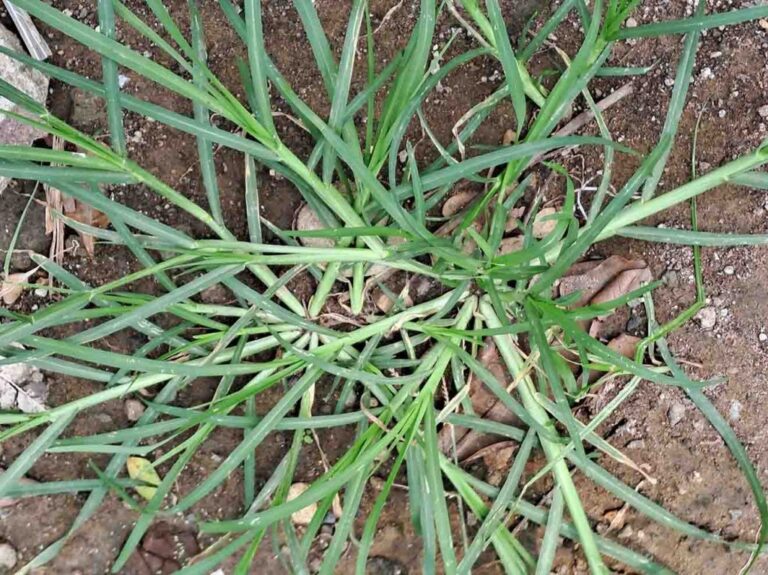
Nature offers us an abundance of health-enhancing plants, and goose grass (Eleusine indica) is one such hidden gem. Despite being labeled a common weed, goose grass has a rich history in traditional medicine and is known for its potent health benefits. From promoting wound healing to managing inflammation, diabetes, and liver health, goose grass offers a variety of healing properties.

In this comprehensive guide, we will explore the traditional uses and potential health benefits of goose grass, and how this natural herb can support your overall wellness journey.

Goose Grass: A Closer Look

Goose grass, commonly known as wiregrass or crowfoot grass, is a weed that grows in fields and lawns. Part of the Poaceae family, which also includes cereal grains like wheat and rice, goose grass has been used in folk medicine in regions such as Asia, Africa, and South America. Although often seen as a nuisance in gardens, this resilient plant has a variety of medicinal uses that make it invaluable to natural health practitioners.

Traditional Uses of Goose Grass

1. Wound Healing

Goose grass has long been used in traditional medicine for its ability to promote wound healing. Its astringent and anti-inflammatory properties help stop bleeding and reduce inflammation, accelerating the healing process.

2. Anti-Inflammatory

The herb is frequently used to treat inflammation-related conditions, including arthritis, skin rashes, and digestive problems. Goose grass helps reduce swelling and provides relief from pain associated with inflammation.

3. Diuretic

Known for its diuretic effects, goose grass increases urine production, which can be beneficial for individuals suffering from urinary tract infections (UTIs) or edema (fluid retention).

4. Antipyretic

Goose grass has also been used to reduce fever. Its ability to balance the body’s internal temperature makes it a common remedy for feverish conditions.

5. Other Traditional Uses

Goose grass has a long list of additional uses, including the treatment of diarrhea, dysentery, liver problems, and various skin diseases. It is considered an essential part of holistic healing in many cultures.

Potential Health Benefits of Goose Grass

1. Antioxidant Properties

Goose grass is rich in antioxidants, including flavonoids and phenolic compounds. These compounds help protect cells from damage caused by free radicals, potentially reducing the risk of chronic diseases such as cancer and heart disease.

2. Anti-Inflammatory Effects

Modern studies confirm that goose grass extracts contain anti-inflammatory properties, further supporting its traditional use in reducing inflammation in conditions like arthritis, skin conditions, and gastrointestinal issues.

3. Anti-Diabetic Potential

Some research has shown that goose grass may help regulate blood sugar levels, making it potentially beneficial for those with diabetes or at risk of developing the condition. It helps improve insulin sensitivity and may aid in managing blood sugar.

4. Liver Protective Effects

Animal studies suggest that goose grass might help protect the liver from damage, potentially preventing liver diseases. However, more research is needed to confirm these effects in humans.

5. Wound Healing

Studies have supported the traditional use of goose grass for accelerating wound healing. Its anti-inflammatory properties contribute to reducing swelling and promoting faster recovery.

6. Antimicrobial Activity

Goose grass may have antimicrobial effects, which could help fight against certain bacterial and fungal infections, making it a natural remedy for skin ailments.

How to Use Goose Grass

Goose grass can be consumed or applied in various forms:

1. Juice

Fresh goose grass leaves can be juiced and consumed on an empty stomach to take advantage of its detoxifying and healing properties.

2. Tea

Dried goose grass leaves can be brewed into a tea, offering a soothing and healing drink that supports digestion, inflammation relief, and detoxification.

3. Poultice

A poultice made from crushed goose grass leaves can be applied topically to wounds or irritated skin to promote healing and reduce inflammation.

Important Considerations

While goose grass offers many health benefits, there are a few important considerations to keep in mind:

  • Source and Preparation: Ensure that you obtain goose grass from a clean, pesticide-free source. Wash it thoroughly before consumption or topical use.
  • Dosage: Consult a healthcare professional or herbalist to determine the appropriate dosage for your needs.
  • Allergies: Some individuals may be allergic to goose grass. It’s recommended to perform a patch test before applying it topically or consult a doctor before ingesting it.
  • Pregnancy and Breastfeeding: Pregnant or breastfeeding women should consult a healthcare provider before using goose grass.

Top FAQs About Goose Grass

Q1: What are the health benefits of goose grass?
Goose grass is known for its wound healing, anti-inflammatory, diuretic, and antimicrobial properties. It is also believed to help regulate blood sugar and protect liver health.

Q2: How can I use goose grass at home?
You can use goose grass in various forms, such as fresh juice, dried tea, or a poultice for topical applications.

Q3: Is goose grass safe to consume?
Goose grass is generally safe when consumed in moderate amounts. However, it’s important to consult a healthcare provider, especially if you’re pregnant, breastfeeding, or on medication.

Q4: Can goose grass help with diabetes?
Some studies suggest that goose grass may help regulate blood sugar levels, making it beneficial for individuals with diabetes or those at risk.

Q5: How does goose grass help with wound healing?
Goose grass contains anti-inflammatory and astringent properties that promote faster healing of wounds by reducing inflammation and supporting tissue regeneration.


Conclusion

Goose grass may be a humble weed, but its potential health benefits are far from ordinary. From wound healing and inflammation reduction to its possible effects on diabetes and liver health, goose grass offers a wide array of natural remedies. By incorporating this herb into your wellness routine and maintaining a balanced lifestyle, you can harness its power for better health and vitality.

So, the next time you spot goose grass growing in your yard or field, remember that nature has provided a powerful ally for your health, right under your nose.


Conclusion Label:
Goose Grass, Health Benefits, Traditional Medicine, Herbal Remedies, Wound Healing, Anti-Inflammatory, Diabetes, Liver Health, Herbal Tea, Natural Healing

Thursday, March 13, 2025

Euphorbia Hirta (Asthma-Plant): Health Benefits, Uses, and Potential Side Effects

Euphorbia hirta, also known as asthma-plant or garden spurge, is a small, unassuming plant with a surprising array of health benefits. Historically used across the globe, particularly in tropical regions, this herb has long been a staple in traditional medicine systems for treating various ailments, particularly respiratory issues like asthma and bronchitis. In this article, we will delve into the therapeutic properties of Euphorbia hirta, its health benefits, how to use it, and the potential side effects.

What is Euphorbia Hirta?

Euphorbia hirta is a herbaceous plant from the Euphorbiaceae family, commonly found in tropical and subtropical regions around the world. The plant has hairy stems and small oval-shaped leaves, and its bioactive compounds provide many medicinal benefits. Some of the key bioactive compounds include:

  • Flavonoids: Antioxidant and anti-inflammatory properties.
  • Tannins: Astringent and antimicrobial benefits.
  • Phenolic Compounds: Contribute to antioxidant and anti-inflammatory effects.
  • Alkaloids, Terpenoids, and Steroids: Provide additional therapeutic properties.

Traditional Uses of Euphorbia Hirta

In traditional medicine, Euphorbia hirta has been used for centuries to treat a wide variety of health issues, including:

  1. Respiratory Ailments:
    Known for its ability to treat conditions like asthma, bronchitis, and persistent coughs, Euphorbia hirta acts as a bronchodilator and expectorant. It helps clear airways, reduce inflammation, and ease breathing difficulties.

  2. Gastrointestinal Issues:
    Euphorbia hirta is used to alleviate digestive problems such as diarrhea, dysentery, and intestinal worms. It is often consumed to improve gut health and relieve stomach discomfort.

  3. Skin Conditions:
    This herb is also applied topically to treat skin issues like eczema, wounds, and warts, thanks to its antimicrobial properties.

  4. Other Traditional Uses:
    In some regions, Euphorbia hirta has been used to treat fever, malaria, and even snakebites, showcasing its diverse therapeutic potential.

Health Benefits of Euphorbia Hirta

Recent studies have shed light on the specific health benefits of Euphorbia hirta, many of which are rooted in its bioactive compounds. Here’s a closer look at its potential:

  1. Anti-inflammatory Effects:
    Euphorbia hirta has been found to have anti-inflammatory properties that can help reduce inflammation in the body, benefiting individuals suffering from conditions like asthma, arthritis, and inflammatory diseases.

  2. Anti-asthmatic Properties:
    Euphorbia hirta is well-regarded for its ability to ease asthma symptoms and improve lung function, making it an excellent natural remedy for asthma sufferers.

  3. Anti-diarrheal Effects:
    The plant has been shown to have anti-diarrheal properties, making it beneficial for managing digestive issues and restoring gut health.

  4. Antioxidant Properties:
    The plant’s antioxidants help protect cells from oxidative stress, which can cause cell damage and contribute to chronic diseases.

  5. Antimicrobial Activity:
    Research suggests that Euphorbia hirta may have antimicrobial properties, potentially fighting off harmful bacteria and fungi.

How to Use Euphorbia Hirta

Euphorbia hirta can be used in various ways to reap its medicinal benefits:

  • Decoction:
    Boil the leaves or whole plant in water to create a decoction. This can be consumed for respiratory issues or digestive problems.

  • Juice:
    Extract juice from fresh Euphorbia hirta leaves and consume in small amounts to treat respiratory and digestive issues.

  • Poultice:
    For topical use, crush the leaves and apply them as a poultice to treat skin conditions like eczema, wounds, or warts.

Potential Side Effects of Euphorbia Hirta

While Euphorbia hirta is generally considered safe when used in moderation, there are a few potential side effects to be aware of:

  1. Digestive Upset:
    Some individuals may experience stomach upset or diarrhea, especially if the herb is consumed in large amounts.

  2. Allergic Reactions:
    In rare cases, some people may be allergic to Euphorbia hirta. If you experience symptoms such as itching, swelling, or rashes, discontinue use immediately and seek medical advice.

  3. Pregnancy and Breastfeeding:
    Pregnant and breastfeeding women should consult their healthcare provider before using Euphorbia hirta.

  4. Drug Interactions:
    Euphorbia hirta may interact with certain medications. It’s essential to consult your doctor before using it, especially if you’re on medication for chronic conditions.

Top FAQs about Euphorbia Hirta

1. What are the health benefits of Euphorbia hirta?
Euphorbia hirta helps treat respiratory ailments, digestive issues, and skin conditions. It is also known for its anti-inflammatory, antioxidant, and antimicrobial properties.

2. How can I use Euphorbia hirta?
Euphorbia hirta can be consumed as a decoction, juice, or poultice. It can be used both internally and externally depending on the condition being treated.

3. Is Euphorbia hirta safe for everyone?
While Euphorbia hirta is safe for most people, it may cause digestive upset or allergic reactions in some. Pregnant and breastfeeding women should consult a doctor before use.

4. How does Euphorbia hirta help with asthma?
Euphorbia hirta works as a bronchodilator and expectorant, helping to clear airways and reduce inflammation, which provides relief for asthma sufferers.

5. Can Euphorbia hirta be used for weight loss?
While not a primary weight-loss herb, Euphorbia hirta can support digestion and promote overall health, which may indirectly help with weight management.

Conclusion

Euphorbia hirta, commonly known as asthma-plant, is a potent herb with a wide range of medicinal uses. From improving respiratory health and digestion to supporting skin care and fighting infections, this herb is a natural remedy worth considering for various ailments. However, as with any natural remedy, it's essential to use Euphorbia hirta with caution, especially if you have any pre-existing health conditions or are on medication. Always consult your healthcare provider before incorporating new herbs into your routine.

Friday, February 28, 2025

How Eating Papaya Can Help Solve These 4 Common Health Problems

Papaya is more than just a sweet and delicious tropical fruit. It’s a powerhouse of essential vitamins and nutrients that can help you manage and prevent several health issues. Rich in vitamins A, C, E, and B, as well as fiber, potassium, and magnesium, papaya offers a wide range of health benefits. Let’s dive into the specific problems you can tackle by adding this nutrient-packed fruit to your daily diet.

4 Health Problems You Can Avoid by Eating Papaya

1. Constipation

Constipation is a common digestive problem that many people face. It can be uncomfortable and disruptive to daily life. Fortunately, papaya can be a natural remedy to help with this issue. This fruit is high in fiber, which aids in promoting better digestion and regular bowel movements. The enzyme papain found in papaya helps break down proteins and facilitates smoother digestion, reducing the likelihood of constipation. If you often experience bloating due to gas, papaya can also help alleviate that by reducing bloating and easing digestion.

2. Cholesterol

High cholesterol, especially the "bad" LDL cholesterol, is a serious risk factor for heart disease. By incorporating papaya into your diet, you can work towards lowering your cholesterol levels. Papaya contains essential fatty acids, oleic acid, and fiber, which work together to reduce bad cholesterol levels. Consuming this fruit regularly may not only help in lowering cholesterol but also contribute to better heart health overall.

3. Arthritis

Arthritis is a painful condition caused by inflammation in the joints. Papaya’s natural anti-inflammatory properties can help reduce the symptoms of arthritis and prevent the development of the condition. By including papaya in your diet, you can manage inflammation in your joints, making it a helpful addition to an arthritis-friendly lifestyle. The enzymes and antioxidants in papaya work to soothe inflammation and keep the body moving comfortably.

4. Skin Problems

Papaya isn’t just great for your internal health; it also works wonders for your skin. Packed with vitamin C, E, and powerful antioxidants, papaya can help promote skin health by combating free radicals that cause premature aging. Regular consumption of papaya may help reduce wrinkles, fine lines, and other skin issues. Additionally, the enzymes in papaya also help in exfoliating the skin and removing dead skin cells, leaving you with a glowing, fresh complexion.


Top FAQs About Papaya Health Benefits

Q1: Can eating papaya help with bloating?
Yes, the fiber content and the papain enzyme in papaya aid digestion and can help prevent bloating and discomfort caused by trapped gas.

Q2: How does papaya benefit heart health?
Papaya is rich in fatty acids, oleic acid, and fiber, all of which contribute to lowering bad cholesterol levels and improving heart health.

Q3: Can papaya improve skin texture?
Yes, papaya is rich in antioxidants and vitamins that promote skin health, reduce wrinkles, and exfoliate the skin, leaving it radiant and youthful.

Q4: Is papaya good for arthritis relief?
Papaya has anti-inflammatory properties that can help reduce joint inflammation, which is beneficial for individuals suffering from arthritis.


Conclusion

Papaya is a versatile and nutrient-packed fruit that can do wonders for your health. Whether you’re looking to improve digestion, lower cholesterol, manage arthritis, or enhance your skin health, adding papaya to your diet offers multiple benefits. This tropical fruit is not only delicious but also a natural remedy for several common health issues. So, make papaya a regular part of your diet and start reaping the benefits today!

Thursday, January 9, 2025

Gooseberries: A Powerhouse for Immunity and Digestion

Gooseberries, a small, tart fruit from the Ribes genus, have long been cherished for their powerful health benefits and rich nutritional profile. Whether you’ve enjoyed them fresh, in jams, or as part of your favorite dessert, gooseberries are packed with essential nutrients that can improve your health in many ways. In this article, we’ll dive into the health benefits, nutritional value, potential risks, and creative ways to include gooseberries in your diet.

Nutritional Value of Gooseberries

Gooseberries are incredibly nutrient-dense and low in calories. Here’s a breakdown of the nutritional profile of a 100-gram serving of raw gooseberries:

  • Calories: 44 kcal
  • Carbohydrates: 10.2 g
  • Protein: 0.9 g
  • Fat: 0.2 g
  • Fiber: 4.3 g
  • Vitamin C: 27.7 mg (46% of the daily value)
  • Vitamin A: 3% of the daily value
  • Vitamin K: 5% of the daily value
  • Calcium: 25 mg
  • Iron: 0.3 mg
  • Potassium: 198 mg

Gooseberries are especially renowned for their exceptionally high vitamin C content, making them a fantastic fruit for boosting immunity. They also offer a good dose of fiber, antioxidants, and several essential vitamins and minerals.

Health Benefits of Gooseberries

  1. Rich in Vitamin C: Gooseberries are packed with vitamin C, a powerful antioxidant that helps strengthen the immune system, fight off infections, and promote healthy skin. It also aids in collagen production, which is crucial for wound healing and skin elasticity.

  2. Supports Digestion: The high fiber content in gooseberries supports healthy digestion. Fiber aids in regulating bowel movements, preventing constipation, and promoting overall gut health. It also acts as a prebiotic, feeding beneficial gut bacteria.

  3. Boosts Heart Health: Gooseberries are rich in antioxidants, particularly flavonoids, which help reduce oxidative stress and inflammation. This can potentially lower the risk of heart disease by improving cholesterol levels and supporting healthy blood pressure.

  4. Promotes Skin Health: Due to their high vitamin C and antioxidant content, gooseberries can help maintain youthful, glowing skin. They protect the skin from free radical damage, reduce wrinkles, and promote collagen production for firm, healthy skin.

  5. Helps with Weight Loss: Low in calories and high in fiber, gooseberries are a great snack option for anyone looking to lose weight. The fiber keeps you feeling full longer, preventing overeating and supporting healthy digestion. Plus, they’re naturally low in fat, making them an ideal choice for a weight-conscious diet.

  6. Anti-inflammatory Properties: Gooseberries have natural anti-inflammatory effects, which can help reduce chronic inflammation in the body. Chronic inflammation is linked to many diseases, including arthritis, heart disease, and diabetes, making gooseberries a beneficial addition to an anti-inflammatory diet.

  7. Supports Eye Health: Gooseberries are a good source of vitamin A, which plays a crucial role in maintaining good vision. It helps protect the eyes from age-related conditions like macular degeneration and cataracts.

Potential Risks of Gooseberries

While gooseberries offer numerous health benefits, there are some considerations to keep in mind:

  • Allergic Reactions: Although rare, some people may experience allergic reactions to gooseberries. Symptoms may include itching, swelling, or difficulty breathing. If you experience any of these symptoms, discontinue use and consult with a healthcare professional.

  • Gastrointestinal Issues: Consuming large quantities of gooseberries may cause digestive discomfort, such as bloating or gas, due to their high fiber content. It’s best to introduce them gradually into your diet to allow your digestive system to adjust.

  • Interaction with Medications: Gooseberries may interact with certain medications, particularly blood thinners or medications for diabetes. Always consult with a healthcare provider if you’re on any medication and plan to incorporate gooseberries into your routine.

How to Use Gooseberries in Your Diet

Gooseberries are a versatile fruit that can be enjoyed in a variety of ways:

  1. Fresh and Raw: Simply wash and eat gooseberries as they are. Their tart flavor is refreshing and can be enjoyed on its own or mixed with other fruits for a delicious snack.

  2. In Smoothies: Blend gooseberries into smoothies for a nutritious, tangy addition. They pair well with ingredients like banana, spinach, and coconut water for a refreshing and health-boosting beverage.

  3. Add to Salads: Gooseberries add a burst of tartness and color to salads. Mix them with leafy greens, nuts, and a light vinaigrette for a refreshing dish.

  4. Make Jam or Jelly: Gooseberries can be cooked down into a flavorful jam or jelly, which can be spread on toast or used in desserts. Their tangy flavor makes a perfect complement to sweet spreads.

  5. In Desserts: Bake gooseberries into pies, crumbles, or tarts. Their tartness balances perfectly with sweet ingredients like sugar or honey.

  6. As a Pickle: In many cultures, gooseberries are pickled with spices and herbs to create a tangy, flavorful side dish. Try making your own at home for an exotic twist on traditional pickles.

Top FAQ's about Gooseberries

1. Are gooseberries good for your skin? Yes! Gooseberries are rich in vitamin C, which is essential for healthy skin. Vitamin C promotes collagen production, reduces the appearance of wrinkles, and helps protect the skin from oxidative damage caused by free radicals.

2. How can gooseberries help with digestion? Gooseberries are high in fiber, which aids in digestion by promoting regular bowel movements and preventing constipation. Fiber also helps feed beneficial gut bacteria, improving gut health.

3. Can gooseberries help in weight loss? Absolutely! Due to their low calorie and high fiber content, gooseberries make a great addition to a weight-loss diet. The fiber helps you feel fuller for longer, reducing overall calorie intake and preventing overeating.

4. Are gooseberries good for heart health? Yes, gooseberries contain antioxidants, such as flavonoids, that help reduce inflammation and oxidative stress. This can support heart health by improving cholesterol levels and promoting healthy blood pressure.

5. Can I eat gooseberries if I have diabetes? Gooseberries can be beneficial for people with diabetes due to their low glycemic index, which means they don’t cause rapid spikes in blood sugar. However, if you have diabetes, it’s important to consult with a healthcare provider before adding any new food to your diet.

6. How should I store gooseberries? Fresh gooseberries can be stored in the refrigerator for up to one week. If you want to preserve them longer, you can freeze gooseberries or make jams and jellies to store them for extended periods.

Conclusion

Gooseberries are a powerhouse of nutrition, offering a range of health benefits that can support everything from immune function to heart health. Their rich vitamin C content, fiber, antioxidants, and potential anti-inflammatory properties make them a fantastic addition to any healthy diet. Whether eaten fresh, made into jams, or added to your favorite dishes, gooseberries are a delicious way to boost your health. Just remember to consume them in moderation, especially if you’re new to this fruit, and always consult with a healthcare professional if you have concerns about allergies or medication interactions.

DISCLAIMER:

THIS WEBSITE DOES NOT PROVIDE MEDICAL OR OTHER PROFESSIONAL ADVICE. The information provided on this website (blog), including but not limited to text, graphics, images, and other materials, is for informational purposes only. It is not intended to serve as a substitute for professional medical, legal, or any other kind of advice. Always seek the guidance of a qualified professional or relevant authorities with any questions you may have regarding information you read on this website. This includes any content found in Healthy Roots & Habits Blog, articles, website, social media channels, and written by the authors.

Featured Post

Healthy Foods That Aren’t Actually Healthy: Debunking Common Food Myths

When it comes to healthy eating, we all want to make the right choices. But what if some of the foods you think are healthy aren't actua...