Showing posts with label Herbal medicine. Show all posts

Sunday, August 24, 2025

Goose Grass Benefits: Powerful Healing Properties of this Natural Herb

Goose grass, also known as Cleavers or Galium aparine, is a traditional medicinal herb that has been valued for centuries in natural healing and folk medicine. This sticky, trailing plant is often considered a weed, but in reality, it is packed with nutrients and health-promoting compounds. Known for its detoxifying and diuretic properties, goose grass has found a place in herbal remedies for kidney health, skin issues, and digestive wellness.

In this article, we will explore the health benefits of goose grass, its nutritional profile, home remedies, and how you can safely use it in your daily routine.


What is Goose Grass?

Goose grass is a climbing plant that naturally sticks to clothing, skin, and animal fur due to its tiny hooked hairs. It grows widely across fields, gardens, and hedgerows. Despite being a common weed, herbalists have long used it for its cleansing, cooling, and healing effects on the body.


Top Health Benefits of Goose Grass

1. Supports Kidney and Bladder Health

Goose grass acts as a natural diuretic, helping the body flush out toxins and excess fluids. It can ease urinary tract infections (UTIs), kidney stones, and bladder irritation.

2. Detoxifies the Lymphatic System

The herb is highly valued for stimulating lymphatic drainage, which helps remove waste from the body and boosts immunity. A strong lymphatic system prevents infections and reduces swelling.

3. Skin Healing Properties

Goose grass is traditionally used for skin conditions such as eczema, psoriasis, acne, and wounds. Its cooling effect helps reduce inflammation, itching, and irritation. Herbal poultices or teas can be applied externally for relief.

4. Aids Digestion

The herb is known to improve digestion and relieve indigestion, bloating, and gastritis. It supports healthy liver function, which enhances metabolism and detoxification.

5. Anti-Inflammatory Benefits

Goose grass contains flavonoids and antioxidants that fight inflammation, making it useful for arthritis, joint pain, and chronic inflammatory conditions.

6. Supports Weight Loss and Cleansing

Due to its diuretic and detoxifying action, goose grass tea may help in weight management, reducing water retention and bloating.

7. Boosts Immunity

Rich in plant compounds, goose grass enhances the immune system by cleansing the blood and strengthening the body’s defense against infections.


How to Use Goose Grass at Home

  1. Goose Grass Tea

    • Dry the leaves and stems.

    • Add 1 teaspoon to a cup of hot water.

    • Steep for 10–15 minutes and drink once daily.

  2. Poultice for Skin

    • Crush fresh leaves into a paste.

    • Apply directly on wounds, burns, or irritated skin for quick relief.

  3. Juice

    • Blend fresh goose grass with water.

    • Strain and drink a small amount to support detoxification.

⚠️ Always consult a healthcare professional before starting herbal remedies, especially if pregnant, breastfeeding, or taking medication.


Possible Side Effects of Goose Grass

  • Excessive use may cause mild nausea or dizziness.

  • People with low blood pressure should avoid high doses due to its diuretic effect.

  • Not recommended for pregnant or breastfeeding women without medical guidance.


Top FAQs about Goose Grass

Q1. What is goose grass used for in herbal medicine?
Goose grass is mainly used for kidney and bladder health, detoxification, skin healing, and improving digestion.

Q2. Can I drink goose grass tea daily?
Yes, in moderation. One cup a day is generally safe for most people.

Q3. Does goose grass help with weight loss?
Yes, due to its natural detoxifying and diuretic properties, it may reduce bloating and support weight management.

Q4. Is goose grass safe during pregnancy?
No, it should be avoided during pregnancy unless prescribed by a healthcare expert.

Q5. Can goose grass help with acne?
Yes, applying it topically as a poultice or consuming it as tea can help clear skin and reduce inflammation.


Conclusion

Goose grass, often dismissed as a weed, is in fact a powerful natural remedy with wide-ranging health benefits. From cleansing the lymphatic system to promoting kidney health and healing skin issues, it is truly a herbal gem. Adding goose grass tea or poultice to your wellness routine can bring natural healing and vitality.

By rediscovering such traditional herbs, we can embrace the path of holistic health and natural living, which is the true essence of Healthy Roots & Habits.

Saturday, August 23, 2025

Ginger Home Remedies: Health Benefits, Beauty Tips & Natural Uses

Ginger, a fragrant spice and ancient Ayurvedic remedy, has been used for centuries in traditional medicine and cooking. Known for its healing properties, ginger is a natural powerhouse that supports digestive health, relieves nausea, boosts immunity, and promotes beauty care. From ginger tea for relaxation to remedies for cough, morning sickness, and stomach cramps, ginger is a staple in holistic living.

Health Benefits of Ginger

1. Relieves Stomach Cramps and Pains

Ginger contains natural antispasmodic properties that help relax the digestive tract and ease stomach cramps, indigestion, and bloating.

2. Natural Remedy for Morning Sickness and Nausea

A combination of ginger and honey is effective in reducing nausea, especially for pregnant women experiencing morning sickness, and patients undergoing chemotherapy.

3. Boosts Respiratory Health

Ginger stimulates the secretion of mucus, which helps soothe dry coughs, ease throat irritation, and prevent ulcers caused by stomach acid.

4. Improves Digestion and Prevents Ulcers

Ginger enhances digestion by improving gut motility and protecting the stomach lining from ulcer formation.

5. Supports Immunity and Detoxification

Rich in antioxidants, ginger helps flush out toxins, strengthen the immune system, and promote overall well-being.

Beauty Benefits of Ginger

  • Glowing Skin: Ginger tea and ginger-based face packs boost circulation, giving your skin a natural glow.

  • Anti-Aging Properties: Its antioxidants fight free radicals that cause wrinkles and premature aging.

  • Scalp and Hair Health: Ginger juice nourishes hair follicles, reduces dandruff, and stimulates hair growth.

Home Remedies with Ginger

  1. Ginger Tea for Relaxation – Boil fresh ginger slices in water, strain, and enjoy with lemon and honey.

  2. Honey-Ginger for Nausea – Mix a teaspoon of ginger juice with honey for instant relief from nausea.

  3. Ginger Steam for Cough – Add ginger slices to boiling water, inhale the steam to relieve congestion.

  4. Topical Ginger Paste – Apply ginger paste on aching joints or muscles to reduce inflammation.

Conclusion

Ginger is more than just a spice – it is a natural remedy for health, beauty, and wellness. Incorporating ginger tea, honey-ginger remedies, and topical applications can improve digestion, relieve nausea, enhance immunity, and even rejuvenate your skin. By making ginger a part of your daily routine, you embrace holistic health and natural living.


Top FAQs About Ginger Home Remedies

Q1. Can ginger help with weight loss?
Yes, ginger boosts metabolism, improves digestion, and reduces appetite, which may support weight management.

Q2. Is ginger safe during pregnancy?
Moderate consumption of ginger tea or honey-ginger remedies is considered safe for relieving morning sickness. Always consult a doctor before use.

Q3. Can ginger cure cough permanently?
Ginger soothes dry coughs and boosts mucus secretion, but it works best as a supportive natural remedy, not a permanent cure.

Q4. How much ginger should I consume daily?
2–4 grams of fresh ginger or 1 teaspoon of powdered ginger per day is generally safe for adults.

Q5. Can ginger be applied directly to the skin?
Yes, but it should be diluted or mixed with carrier oils, as raw ginger may cause skin irritation in sensitive individuals.

Q6. Does ginger help in arthritis and joint pain?
Yes, applying ginger paste or consuming ginger tea helps reduce inflammation and joint stiffness.

Q7. Can children consume ginger?
Yes, small amounts of ginger tea with honey can be given to children for cough and digestion, but always in moderation.

Q8. Is dried ginger as effective as fresh ginger?
Both are effective, but fresh ginger contains higher levels of certain beneficial compounds.

Q9. Can ginger interact with medications?
Yes, ginger may interact with blood thinners and diabetes medications. Always check with your doctor.

Q10. Is it good to drink ginger tea daily?
Yes, drinking ginger tea daily improves digestion, immunity, and overall well-being.

Thursday, July 31, 2025

Bael (Wood Apple)Fruit Benefits: Best Home Remedies and Beauty Tips You Should Know

Bael, also known as Aegle marmelos, is a sacred and therapeutic fruit widely used in traditional Indian medicine. Revered in Ayurveda, it is often found in temple courtyards and is especially beneficial during the hot summer months. This aromatic and astringent fruit is not only packed with digestive properties but also has healing effects for skin and gastrointestinal conditions.

Whether you're drinking its sherbet to cool down or using its leaves as a natural remedy for ulcers, bael offers a holistic approach to well-being. Let’s explore the top home remedies and beauty tips using bael fruit and leaves.


🥭 Health Benefits & Home Remedies Using Bael

The Ayurvedic Miracle Fruit for Summer Health and Digestion

1. 🍹 Bael Sherbet – A Natural Laxative

Ripe bael fruit is known for its laxative properties. When mixed with water and a teaspoon of honey, it becomes a delicious and effective summer drink. This sherbet not only cools the body but also helps regulate bowel movements, relieving constipation naturally.

How to Use:

  • Scoop out ripe bael pulp.

  • Mix it with chilled water and a spoon of honey.

  • Drink daily during summer for detox and gut health.


2. 🧬 Unripe Bael – A Natural Remedy for Diarrhea and Dysentery

While ripe bael treats constipation, the unripe fruit works oppositely. Its astringent properties help manage loose stools and cure gastrointestinal infections like diarrhea and dysentery.

How to Use:

  • Cut and dry slices of unripe bael.

  • Boil in water and strain the decoction.

  • Drink warm, twice a day during illness.


3. 🍃 Bael Leaves Infusion – Relief from Peptic Ulcers

An age-old remedy, bael leaves left to infuse overnight in water can significantly reduce symptoms of peptic ulcers. The leaves have anti-inflammatory and cooling effects on the stomach lining.

How to Use:

  • Take 3–5 fresh bael leaves.

  • Soak them in a cup of water overnight.

  • Drink the water on an empty stomach in the morning.


💁‍♀️ Beauty Benefits of Bael – Natural Tips

4. ✨ Glowing Skin with Bael Pulp

While bael is more popular for its internal healing, it can also be used externally. The pulp of ripe bael can be applied to the skin as a soothing mask, especially for those with oily or acne-prone skin due to its astringent nature.

How to Use:

  • Mash ripe bael fruit into a smooth paste.

  • Apply to cleansed face and leave for 15–20 minutes.

  • Rinse with lukewarm water.

5. 🌞 Summer Skin Soother

Bael sherbet hydrates and cools the body from within, preventing heat rashes and summer skin breakouts. Staying hydrated with bael reduces excess oil production and promotes clear skin.


🌟 Why You Should Include Bael in Your Daily Routine

  • Cooling Effect: Ideal for combating summer heat.

  • Digestive Aid: Treats both constipation and diarrhea depending on ripeness.

  • Natural Detoxifier: Cleanses the stomach and intestines.

  • Ulcer Relief: Calms inflammation in the digestive tract.

  • Skin Benefits: Offers internal hydration and external glow.


❓ Top 10 Frequently Asked Questions (FAQs)

1. Can I eat bael fruit every day?

Yes, consuming ripe bael pulp or juice in moderation daily helps improve digestion and prevents constipation.

2. Is bael good for diarrhea?

Yes, unripe bael has strong astringent properties that help manage diarrhea and dysentery.

3. How do I make bael sherbet at home?

Mash ripe bael fruit, mix with water and a spoon of honey, strain, and enjoy chilled.

4. What are the benefits of bael leaves?

Bael leaves help reduce inflammation in the digestive tract and are beneficial for ulcers.

5. Is bael safe for children?

Yes, in small amounts. Bael juice (sherbet) is cooling and good for digestion but consult a doctor for children under 5.

6. Can bael help with constipation?

Absolutely. Ripe bael is a natural laxative and helps relieve constipation effectively.

7. What does bael fruit taste like?

It has a unique sweet and slightly tangy taste with an aromatic scent.

8. Can bael be used on the face?

Yes, ripe bael pulp can be used as a skin mask to help soothe and tone the skin.

9. Does bael have side effects?

Bael is generally safe, but excessive intake can cause constipation or lower blood sugar, so moderation is key.

10. Where can I find bael fruit?

Bael is available in Indian markets during the summer season, especially in Ayurvedic stores and rural markets.


✅ Conclusion

Bael is truly a powerhouse fruit that aligns with holistic health, natural remedies, and Ayurvedic wisdom. Whether it’s to cool down your body in summer, treat digestive issues, or boost your skin glow naturally, bael deserves a place in your seasonal wellness routine.

Incorporate bael fruit, leaves, and sherbet into your daily habits and experience nature’s way of healing from the inside out.

Saturday, July 19, 2025

Tragia Involucrata (Indian Stinging Nettle): Ayurvedic Benefits, Uses, and Side Effects

Tragia involucrata, popularly known as Indian stinging nettle, is a powerful perennial climbing herb recognized for its remarkable Ayurvedic healing properties. Though it’s infamous for the itching caused by its stinging hairs, this potent plant has been revered in folk medicine and Ayurveda for treating a wide range of ailments—from respiratory issues to digestive disorders and skin diseases.

Let’s explore this ancient herb’s medicinal significance, benefits, usage, precautions, and more in detail.


🌱 Overview of Tragia Involucrata (Indian Stinging Nettle)

  • Botanical Name: Tragia involucrata

  • Common Names: Barhanta (Hindi), Pachhirangi (Kannada), Senthatti (Tamil), Dulagondi chettu (Telugu), Vrischikali (Sanskrit), Choriyanam (Malayalam)

  • Plant Type: Perennial climbing herb with stinging hairs

  • Habitat: Found in scrub forests, wastelands, and tropical deciduous forests across India and Sri Lanka


🌿 Physical Characteristics of Indian Stinging Nettle

  • Leaves: Alternate, serrated, ovate to lance-shaped, covered with stinging hairs that cause irritation.

  • Flowers: Tiny, pale yellow, typically found in axillary spikes.

  • Fruits: Hairy, three-lobed capsules.

⚠️ Warning: Avoid direct contact with the plant as its stinging hairs contain formic acid and histamine, which cause intense itching.


🩺 Medicinal Uses of Tragia Involucrata in Ayurveda

Ayurvedic and folk medicine practitioners have been using this plant for generations to manage a wide range of conditions:

Ailment Part Used Traditional Use
Asthma Roots/Leaves Anti-inflammatory properties help open airways
Skin Eruptions Leaf paste Applied externally for relief
Diarrhea/Dysentery Root infusion Used to calm the digestive tract
Excessive Urination Roots Acts as a urinary astringent
Vomiting Root decoction Helps control nausea and vomiting
Enlarged Spleen Fruit extract Used in traditional concoctions

🧪 Active Chemical Compounds Found in Tragia Involucrata

The plant owes its powerful medicinal properties to the following compounds:

  • Quercetin, Rutin, and Iridin – Known for anti-inflammatory and antioxidant properties.

  • Stigmasterol – A phytosterol beneficial for lowering cholesterol and inflammation.

  • Formic Acid, Histamine, Acetylcholine – Responsible for the plant’s stinging and itchy sensation upon contact.


⚕️ Health Benefits of Indian Stinging Nettle

✅ Reduces inflammation and pain
✅ Boosts immunity
✅ Supports digestive health
✅ Detoxifies the skin
✅ Promotes respiratory wellness
✅ Acts as a natural antimicrobial agent


⚠️ Side Effects and Precautions

  • Skin Irritation: Direct contact with the stinging hairs causes itching and redness.

  • Pregnancy and Lactation: Avoid use without medical supervision.

  • Overdose Risks: Excessive use may irritate the gut or kidneys—always consult an Ayurvedic practitioner for dosage.


🌼 How to Use Tragia Involucrata Safely

  • External Use: Use gloves when collecting leaves; apply as a paste or decoction for skin ailments.

  • Internal Use: Roots are boiled or infused to prepare traditional remedies. Should only be consumed under expert guidance.


🔍 Top 10 FAQs About Tragia Involucrata (Indian Stinging Nettle)

1. What is Tragia involucrata used for in Ayurveda?
It’s used for asthma, diarrhea, vomiting, skin eruptions, and urinary disorders.

2. Is it safe to touch Tragia involucrata?
No. It has stinging hairs that can cause severe itching and discomfort.

3. How does it benefit the skin?
Its leaf paste helps treat skin rashes and inflammation due to its antimicrobial properties.

4. Can Tragia involucrata be taken internally?
Yes, but only under expert supervision to avoid toxicity or side effects.

5. What are its active compounds?
It contains Quercetin, Rutin, Stigmasterol, and formic acid.

6. Does it help with respiratory issues?
Yes, it’s used to relieve asthma and other respiratory conditions.

7. Where is Tragia involucrata found in India?
It grows in scrublands, forests, and wastelands in South India and Sri Lanka.

8. Is it considered a weed?
Yes, due to its invasive growth and stinging nature, it is sometimes treated as a weed.

9. What precautions should be taken while handling it?
Wear gloves and avoid touching bare skin.

10. Is it part of any Ayurvedic formulations?
Yes, it's used in many classical and regional formulations in traditional medicine.


🧘‍♀️ Conclusion: Nature’s Painful Yet Powerful Healer

Though Tragia involucrata may appear hostile due to its sting, its medicinal powers are undeniable. This climbing herb serves as a testament to nature’s dual nature—capable of both harm and healing. When used wisely and safely, Indian stinging nettle can be a potent addition to Ayurvedic health practices, offering benefits ranging from detoxification to respiratory relief.

Let this humble plant remind us: sometimes healing hides behind discomfort, and ancient wisdom often lies in the wildest of weeds.

Sunday, June 1, 2025

Sacostigma Kleinii (Odapazham): Health Benefits and Side Effects Explained

Sacostigma Kleinii, commonly known as Odapazham, is a lesser-known but powerful medicinal plant traditionally used in natural healing practices. Native to certain regions, this plant is gaining attention for its broad range of health benefits, supported by its rich phytochemical profile. In Ayurveda and traditional medicine, Odapazham has been valued for its therapeutic properties that support overall health and well-being.

Health Benefits of Sacostigma Kleinii (Odapazham)

1. Anti-inflammatory Effects

Odapazham contains natural compounds that help reduce inflammation, making it useful for managing arthritis, joint pain, and other inflammatory conditions.

2. Antioxidant Properties

The plant is rich in antioxidants which protect the body from oxidative stress, potentially lowering the risk of chronic diseases such as heart disease and cancer.

3. Digestive Health Support

Sacostigma Kleinii aids digestion by promoting healthy gut function and alleviating common digestive problems like bloating and indigestion.

4. Immune System Booster

Regular use of Odapazham may enhance the immune system due to its high vitamin and mineral content, helping the body defend against infections.

5. Blood Sugar Regulation

Preliminary studies suggest that Sacostigma Kleinii could help maintain healthy blood sugar levels, beneficial for individuals managing diabetes.

6. Skin Health

Due to its antioxidant and anti-inflammatory effects, Odapazham supports skin health by reducing inflammation and promoting healing of skin irritations and wounds.

Possible Side Effects of Sacostigma Kleinii (Odapazham)

While Odapazham offers many health benefits, users should be aware of potential side effects and precautions:

  • Allergic Reactions: Some individuals may experience skin irritation or allergic responses.

  • Gastrointestinal Issues: Overconsumption can cause nausea, diarrhea, or stomach discomfort.

  • Pregnancy and Breastfeeding: There is limited data on safety, so pregnant or breastfeeding women should avoid it or consult healthcare providers.

  • Drug Interactions: Odapazham may interact with medications such as blood thinners or diabetes drugs. Consult a doctor before use.


Conclusion

Sacostigma Kleinii (Odapazham) is a valuable plant with diverse medicinal benefits, from reducing inflammation to supporting immune and digestive health. Its antioxidant properties also make it a natural ally for skin care and chronic disease prevention. However, like all herbal remedies, it should be used responsibly and with awareness of potential side effects. Incorporating Odapazham into your holistic health routine can enhance your natural healing journey, promoting balanced wellness.


Frequently Asked Questions (FAQ)

Q1: What are the main benefits of Sacostigma Kleinii (Odapazham)?
It offers anti-inflammatory, antioxidant, digestive, immune-boosting, and blood sugar regulating benefits.

Q2: Can Odapazham cause side effects?
Possible side effects include allergic reactions and gastrointestinal discomfort. Pregnant women should avoid it unless advised.

Q3: How is Odapazham used in traditional medicine?
It’s used as a herbal remedy for inflammation, digestive issues, skin problems, and to support immunity.

Q4: Is Odapazham safe for long-term use?
Long-term safety data is limited. Use with caution and consult a healthcare provider if planning extended use.

Q5: Where can I find Sacostigma Kleinii?
Odapazham grows naturally in specific regions and can sometimes be found in herbal shops or grown at home.

Tuesday, May 27, 2025

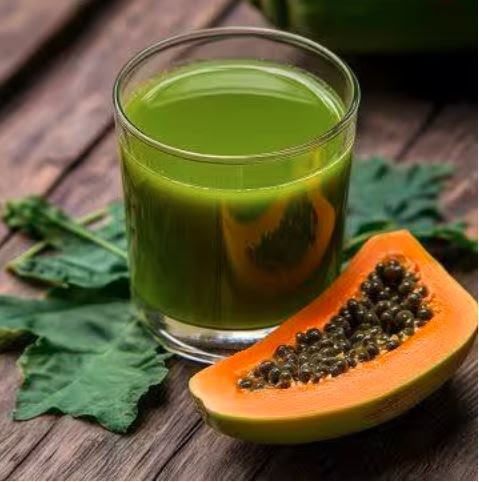
Papaya Leaf Juice Benefits: How to Make & Potential Side Effects

Welcome to Healthy Roots & Habits! Today, we delve into the potent natural remedy of papaya leaf juice. From boosting your immunity to supporting digestion, this humble juice is packed with papaya leaf benefits that can contribute significantly to your holistic health journey. Let's explore how to harness the power of papaya leaf juice benefits, learn how to make papaya leaf juice, and understand potential papaya leaf juice side effects.


The Natural Goodness of Papaya Leaf Juice

Papaya leaf juice is a dark green liquid extracted by crushing the leaves of the Carica papaya plant. Traditionally used for its medicinal properties, this juice is gaining recognition for its impressive health benefits. It's a source of vital nutrients like vitamins A, B, C, and E, and minerals such as calcium, phosphorus, and iron. Furthermore, papaya leaves are rich in phytochemicals like saponins, tannins, alkaloids, and flavonoids, including β-carotene, which contribute to its therapeutic effects.

8 Incredible Papaya Leaf Juice Benefits for Your Well-being

  1. May Help Treat Dengue Fever: Papaya leaf juice is known to potentially boost platelet count, which is crucial in managing dengue fever. Consuming a small amount twice daily may aid recovery.
  2. Potential Antimalarial Properties: Some studies suggest that papaya leaf extract may possess antimalarial properties by slowing down the growth of the Plasmodium parasite and increasing antioxidant levels.
  3. Aids Digestion and Soothes Gut Issues: The enzymes papain and chymopapain found in papaya leaves can help with digestion, potentially relieving bloating, heartburn, and constipation.
  4. May Protect Liver Health: By potentially lowering cholesterol levels and reducing lipid peroxidation, papaya leaf juice may help protect the liver from inflammatory diseases.
  5. Supports Healthy Skin: The antioxidants and vitamins in papaya leaf extract may contribute to healthy skin by scavenging free radicals and improving circulation, potentially reducing signs of aging.
  6. May Boost Immunity and Possess Anticancer Properties: Papaya leaf juice might stimulate the immune system and some compounds within it show potential antitumor activity, although more research is needed.
  7. Fights Dandruff and Scalp Issues: Applying papaya leaf extract to the scalp may help remove excess oil and dirt, potentially reducing dandruff and itchy scalp.
  8. Potent Anti-inflammatory Effects: Compounds in papaya leaves exhibit anti-inflammatory and pain-relieving properties, potentially beneficial for various conditions.

How to Make Your Own Papaya Leaf Juice at Home

Making papaya leaf juice is simple. Here's a basic recipe:

What You Need:

  • 5-10 fresh, tender papaya leaves
  • Purified drinking water
  • Juicer or blender
  • Thin cloth or sieve

Let's Make It!

  1. Thoroughly wash the papaya leaves.
  2. If using a juicer, process the leaves.
  3. If using a blender, crush the leaves with a little water until smooth.
  4. Strain the mixture through a cloth or sieve to collect the juice.

For a less bitter taste, you can blend the papaya leaves with sweet fruits like bananas or mangoes.

Potential Side Effects of Papaya Leaf Juice: What to Be Aware Of

While beneficial, it's important to be aware of potential papaya leaf juice side effects:

  • Not Recommended During Pregnancy: It's generally considered unsafe for pregnant women or those trying to conceive.
  • Potential Allergen: If you're allergic to papaya fruit, you may also be allergic to the leaf juice.
  • Digestive Discomfort: Consuming large amounts may cause digestive issues in some individuals.
  • Potential Drug Interactions: It may interact with certain medications.

Always consult your doctor before adding papaya leaf juice to your diet, especially if you have underlying health conditions or are taking medications. Start with a small amount to see how your body reacts.

Ways to Incorporate Papaya Leaf Juice into Your Routine

You can easily include papaya leaf juice in your daily routine by:

  • Adding it to fruit or green smoothies.
  • Having it with fresh fruits for breakfast.
  • Using it in salad dressings or marinades.

Top FAQs: Understanding Papaya Leaf Juice

  • Can you boil papaya leaves? Yes, boiling papaya leaves can be a way to extract their benefits for teas and juices.
  • Does papaya leaf juice increase white blood cells? Some studies suggest it might help improve platelet and white blood cell counts, particularly in dengue.
  • What are the potential interactions with medications? Papaya leaf juice may interact with certain diabetes medications, blood thinners, and other drugs. Always consult your doctor.
  • How often should you consume papaya leaf juice? Moderation is key. Daily consumption in small amounts is generally considered safe for many, but consult a healthcare professional for personalized advice.

Conclusion:

Papaya leaf juice offers a wealth of potential health benefits, making it a valuable addition to a holistic lifestyle. From its traditional use in managing dengue to its potential in supporting digestion and immunity, this natural juice is a powerhouse of goodness. However, it's crucial to be mindful of potential side effects and to consult with a healthcare professional before making it a regular part of your routine. Embrace the natural wisdom of papaya leaves on your path to healthy roots and habits!

Have you ever tried papaya leaf juice? Share your experiences in the comments below!

Sunday, May 11, 2025

The Amazing Benefits of Dandelions & How to Use Them for Holistic Health

When we think of dandelions, we often picture a common weed in the lawn or a flower kids blow on to make a wish. However, dandelions are much more than just a pesky plant. In fact, they are a powerhouse of health benefits and have been used for centuries in traditional medicine around the world. Known for their detoxifying properties and nutrient-rich profile, dandelions are a must-have in your journey toward holistic health and natural living.


What Are Dandelions?

The dandelion (Taraxacum officinale) is a flowering plant found in many parts of the world. Often seen as a weed, every part of the dandelion—its roots, leaves, and flowers—is medicinal and nutritious. The word "dandelion" comes from the French term "dent de lion," meaning "lion's tooth," referring to the plant's jagged, tooth-shaped leaves.

The Health Benefits of Dandelions

Dandelions are packed with vitamins, minerals, and antioxidants that support overall health. Here are some of the key benefits of incorporating dandelions into your wellness routine:

1. Supports Liver Health

Dandelions have long been used in traditional medicine as a liver detoxifier. The roots of the dandelion plant contain compounds that promote the production of bile, which helps in the digestion of fats and the removal of toxins from the liver. Drinking dandelion root tea or consuming it as a supplement can support liver function and aid in detoxification.

2. Rich in Nutrients

Dandelions are a nutrient-dense plant. They are high in vitamins like A, C, and K, as well as iron, calcium, potassium, and folate. These nutrients help support immune health, bone strength, eye health, and even skin health. The leaves are especially rich in antioxidants, which help combat oxidative stress in the body.

3. Supports Digestive Health

Dandelion is often used to improve digestion. It can stimulate the appetite, promote regular bowel movements, and relieve constipation. The fiber in dandelion leaves helps maintain gut health by supporting the growth of beneficial bacteria in the gut microbiome. Dandelion is also known to be a gentle diuretic, helping to reduce water retention and support kidney health.

4. Helps Manage Blood Sugar

Studies have shown that dandelion can help regulate blood sugar levels by improving insulin sensitivity and supporting the pancreas. This makes it a beneficial herb for those looking to maintain stable blood sugar levels and manage diabetes.

5. Boosts Skin Health

Dandelions are great for skin health due to their anti-inflammatory and antioxidant properties. Dandelion root can be used to make a topical oil or cream that can help reduce eczema, acne, and psoriasis. The plant’s ability to cleanse the body of toxins helps promote clearer skin, making it a popular remedy for various skin conditions.

How to Use Dandelions

Dandelions are incredibly versatile and can be consumed in many different ways. Here are some of the most popular methods of using dandelions for health and wellness:

1. Dandelion Tea

One of the easiest ways to use dandelions is by brewing a cup of dandelion tea. You can make it using dried leaves or roots. Simply steep the dried plant in hot water for a few minutes. This tea can be enjoyed daily for liver detoxification, digestive support, and overall well-being.

2. Dandelion Salad

Dandelion greens are edible and can be used to make a nutritious salad. The leaves have a slightly bitter taste, which can be balanced with other salad ingredients such as olive oil, lemon, and garlic. A great addition to any detox diet!

3. Dandelion Root Coffee

For those who love coffee but want a healthier alternative, dandelion root coffee is a great option. You can roast and grind dandelion roots to make a coffee substitute that is caffeine-free and rich in nutrients. It's also great for liver detoxification.

4. Dandelion Extracts and Supplements

If you're looking for a more concentrated form, dandelion is available as an extract or supplement. These products provide a potent dose of the herb’s beneficial compounds and can be used to support liver function, digestion, and overall health.

5. Dandelion Oil for Skin

To treat skin conditions such as eczema, acne, or psoriasis, try applying dandelion-infused oil directly to affected areas. This natural remedy can help reduce inflammation and promote healing.

Top FAQs About Dandelions

1. Are dandelions safe to consume?
Yes, dandelions are safe for most people to consume. However, if you are allergic to plants in the Asteraceae family (like ragweed), it’s best to avoid dandelions. Always consult a healthcare provider if you’re pregnant, nursing, or on medication.

2. Can dandelions help with weight loss?
While dandelions are not a weight loss miracle, they can support digestive health and reduce water retention, which may help with feeling less bloated. Their high fiber content also promotes satiety, which may aid in weight management.

3. How do I make dandelion tea?
To make dandelion tea, simply steep 1–2 teaspoons of dried dandelion leaves or roots in boiling water for 5-10 minutes. You can drink this tea up to 2-3 times per day for liver detoxification and digestive support.

4. Can dandelions help with high blood pressure?
Dandelion’s diuretic properties may help reduce water retention, which can contribute to high blood pressure. However, dandelion should not replace medical treatment. Always consult your doctor if you have hypertension.

5. Can I use dandelions on my skin?
Yes, dandelion oil and topical applications of dandelion can be used to reduce skin inflammation and promote healing of skin conditions like acne and eczema. Always do a patch test before using it extensively on your skin.

Conclusion

Dandelions are not only a common weed but a nourishing herb that has been used for centuries to promote health and well-being. Packed with vitamins, minerals, and antioxidants, dandelions support liver health, digestive health, skin health, and more. Whether you choose to drink dandelion tea, eat its leaves in a salad, or use it in skincare products, this versatile plant offers a wealth of benefits. By incorporating dandelions into your natural health routine, you can harness the power of this plant for detoxification, nourishment, and overall wellness.

Imphepho: Africa’s Sacred Herb for Holistic Health and Healing

In the world of traditional healing and natural medicine, few plants are as revered as Imphepho. Known as a sacred herb in many African cultures, particularly in Southern Africa, Imphepho (scientifically known as Helicrysum species) has long been used for both spiritual and medicinal purposes. Often referred to by names such as Sewejaartjies, Kooigoed, and Everlasting, this remarkable herb carries a legacy as one of the most potent and versatile healing plants in South Africa.


The History and Significance of Imphepho

Imphepho holds deep spiritual significance and is considered to be the first plant shown to healers in their early stages of learning. It is believed that this herb guided the healers to discover and understand the therapeutic powers of other plants. Its name, Helicrysum, comes from the Greek words “Helios” (meaning Sun) and “Chrysos” (meaning gold), reflecting the golden-yellow hues of its flowers.

The herb's importance is also closely tied to African traditions, where it is commonly used for spiritual cleansing, ancestor communication, and energy purification. The smoke of Imphepho is burned during rituals to invoke trance states, call upon the ancestors, and create a sacred atmosphere. The traditional act of smudging with Imphepho is said to purify the space, clear negative energies, and invoke healing.

Medicinal Benefits of Imphepho

Beyond its spiritual uses, Imphepho is highly valued for its medicinal properties. Scientific studies and centuries of traditional use have confirmed its effectiveness as a powerful antiseptic, anti-inflammatory, anti-microbial, and analgesic herb. Here's a closer look at the many ways Imphepho is used for health and healing:

  • Cleansing & Protecting Newborns: Imphepho is often used to wash newborn babies, offering them protection and a spiritual cleanse.

  • Healing Wounds: The plant’s infusion can be used to wash wounds, effectively sterilizing and promoting healing.

  • Respiratory Health: Tea made from Imphepho is commonly consumed to relieve symptoms of fever, coughs, colds, and flu. Inhalation of its smoke can also help alleviate headaches.

  • Women's Health: Imphepho tea is known to relieve menstrual pain, while also providing support for liver and kidney health.

  • Skin Health: Imphepho is used topically to treat various skin ailments, including rashes, spots, and fungal infections. It also aids in the regeneration of scars.

Imphepho and Modern Medicine

Imphepho is also showing promise in modern medical research. It has been investigated for its potential to treat Tuberculosis, herpes, and even HIV. The herb's anti-viral, anti-bacterial, and anti-fungal properties make it a valuable ally in the fight against a variety of illnesses. Furthermore, it has a positive influence on the liver, bladder, heart, and kidneys, providing all-around detoxification and wellness benefits.

Harvesting Imphepho: Respect for Nature

In traditional practice, harvesting Imphepho is done with great care and respect. Before collecting the plant, the gatherer must seek permission from the “guardian” spirit, which is often symbolized by a large or ancient tree nearby. This ritualistic approach ensures that the plant’s energy is honored and that its resources are used sustainably.

How to Use Imphepho

Imphepho can be used in several ways:

  • Smudging: Burn the dried leaves and flowers as incense for cleansing and spiritual connection.

  • Teas and Infusions: Brew tea from the leaves to aid in respiratory health, detox, and pain relief.

  • Topical Application: Use as a poultice or wash for skin conditions or wound healing.

  • Aromatherapy Oils: Modern essential oil extracts of Imphepho are available for use in massages and therapeutic practices.

Top FAQs About Imphepho

1. What is Imphepho used for?
Imphepho is used for a variety of purposes including spiritual cleansing, healing wounds, treating respiratory issues, and promoting liver health.

2. Can Imphepho help with menstrual pain?
Yes, Imphepho tea is known to relieve menstrual cramps and promote overall women’s health.

3. How do I use Imphepho for spiritual purposes?
You can burn Imphepho as incense or smudge the smoke to purify your space, invoke ancestral energies, and clear negative vibes.

4. Is Imphepho safe for babies?
Yes, Imphepho is traditionally used to wash newborns for protection and spiritual cleansing. Always consult with a healthcare professional before use.

5. Where can I buy Imphepho?
Imphepho can be found in medicine markets or local herbal shops in Southern Africa. Some varieties are also sold at nurseries for home gardening.

Conclusion

Imphepho is more than just a herb; it is a sacred plant that has woven itself into the fabric of African culture, spirituality, and healing practices. Whether you are looking for a natural remedy to support your immune system, ease your respiratory symptoms, or connect with ancestral energies, Imphepho offers a wealth of benefits for holistic health and natural living. By incorporating this powerful herb into your wellness routine, you can tap into the rich traditions and healing practices that have been passed down through generations.

Thursday, May 8, 2025

Health Benefits of Betel Leaf: A Natural Remedy for Digestion, Pain, and More

Betel leaf (Piper betle) is far more than a cultural symbol—it's a powerhouse of natural healing and holistic wellness. Known in Sanskrit as Nagavallari and Saptashira, this herb has been used in Ayurvedic medicine for centuries. Native to India, betel leaf is an essential part of religious rituals and celebrations—but beyond tradition lies its incredible medicinal value.


This article explores the top health benefits of betel leaf, how to use it for digestion, pain relief, constipation, and answers common questions about its daily use.


🧬 Key Nutrients in Betel Leaf

Betel leaves are packed with:

  • Vitamin C – boosts immunity and heals wounds

  • Thiamine (Vitamin B1) – supports nerve function

  • Niacin (Vitamin B3) – improves metabolism

  • Riboflavin (Vitamin B2) – aids cell growth

  • Carotene – precursor to Vitamin A, good for eyes

  • Calcium – strengthens bones and supports nerve function


💚 Medicinal Uses of Betel Leaf

1. Natural Pain Reliever

Crush a fresh betel leaf and apply it to the affected area to reduce pain. Chewing the leaf and spitting the juice can also soothe internal discomfort. Apply to wounds and bandage to promote faster healing.

2. Rich in Antioxidants

Betel leaves help fight free radicals, reduce oxidative stress, and support body detox. They also regulate pH levels and improve gut health.

3. Relieves Constipation

Drinking betel water on an empty stomach helps relieve constipation. Crush a leaf in water, leave overnight, and drink in the morning.

4. Constipation Relief for Children

Dip the betel stem in castor oil and insert gently like a suppository to relieve constipation in infants or toddlers.

5. Boosts Digestion

Traditionally chewed after meals, betel aids digestion. For children, boil betel leaves with black pepper, strain, and give 2 teaspoons twice a day.


❓ Top FAQs About Betel Leaf

Q1: Can I chew betel leaf daily?
Yes, betel leaf without additives like tobacco or areca nut can be chewed daily for digestive and oral health benefits.

Q2: Is betel leaf safe for kids?
Yes, in small quantities and specific preparations (like boiled water with pepper), it can help with digestion and constipation.

Q3: Does betel leaf help with stomach issues?
Absolutely. Betel balances stomach acid, supports gut health, and relieves bloating and gas.

Q4: Can betel be used for external wounds?
Yes. Crushed betel leaf applied to wounds can reduce pain and speed up healing due to its antibacterial properties.

Q5: Are there any side effects?
Betel leaf is generally safe when used naturally. Avoid pairing it with lime, tobacco, or pakku, which have known health risks.


✅ Conclusion: Rediscover the Healing Power of Betel Leaf

Betel leaf is more than tradition—it's a time-tested natural remedy with powerful health benefits. Whether it’s easing digestion, relieving pain, or healing wounds, this leaf deserves a place in your holistic wellness routine. Embrace the Ayurvedic wisdom and let nature guide your path to better health.

Saturday, May 3, 2025

Makoy (Black Nightshade): The Powerful Herb for Holistic Health and Healing

Makoy, also known as Black Nightshade (scientific name: Solanum nigrum), Kakamachi, or Bhatkoinya Pilpotan, is a small yet potent herb commonly found in shaded areas across India. This humble plant may be small in size but is packed with numerous medicinal benefits that can aid in the treatment of various health conditions. Its roots, stems, leaves, flowers, and fruits—collectively known as Makoy Panchang—are used in different forms of traditional medicine.


Let's explore the many health benefits of this natural powerhouse.

What Is Makoy and How Can It Benefit Your Health?

Makoy is a versatile plant that blooms year-round, with white flowers and small, round fruits that transition from green to purple or sometimes yellow upon ripening. The seeds of Makoy are small, smooth, and yellow, resembling eggplant seeds, but much smaller. The fruits are sweet when ripe and offer numerous health benefits.

Here are the key benefits of Makoy:

1. Anti-inflammatory and Pain Relief Properties

Makoy is known for its anti-inflammatory and analgesic properties. It is particularly effective for individuals dealing with joint pain and swelling. Consuming Makoy can help alleviate arthritis pain and reduce swelling in the body. Additionally, it can be used topically to treat chronic wounds, injury wounds, and conditions like herpes or itching.

2. Aids in Digestive Health

Makoy is beneficial for digestive issues such as bloating, indigestion, and stomach ulcers. The leaves and fruits of Makoy can help regulate digestion and provide relief from discomfort. Regular intake can support gut health and maintain a clean stomach, especially when combined with other natural remedies.

3. Supports Kidney Health

Makoy has diuretic properties, which help increase urine output, flush out toxins, and promote kidney health. For those suffering from kidney inflammation, repeated urinary problems, or kidney-related diseases, Makoy extract can be beneficial. Consuming 10-15 mg of Makoy extract daily can provide relief from kidney pain and inflammation.

4. Combats Urinary Tract Infections (UTIs)

Makoy contains antimicrobial properties that help fight bacteria responsible for urinary tract infections (UTIs). Regular consumption of Makoy can reduce the frequency of UTIs by flushing out harmful bacteria and toxins from the body, ultimately supporting urinary health.

5. Strengthens the Immune System

The phytochemicals present in Makoy contribute to its immune-boosting abilities. It helps in improving oxygen levels in the body and provides relief from stress and anxiety. For those experiencing sleep difficulties or anxiety, incorporating Makoy into your routine can be a natural remedy to help calm your mind and promote better sleep.

6. Makoy and Cancer Prevention

Cancer is a growing concern, and Makoy may play a role in preventing the growth of cancer cells. The fruit of this herb has anti-cancer properties, preventing tumor formation and aiding in cancer prevention. It has shown promise in reducing the risk of cancer and is considered an effective part of holistic cancer care.

7. Helps Manage Blood Pressure and Cholesterol

Makoy is beneficial for managing blood pressure and cholesterol levels. By controlling high blood pressure and reducing cholesterol levels, Makoy helps minimize the risk of heart diseases, strokes, and other cardiovascular issues. It also contributes to overall heart health and reduces the strain on the heart.

8. Relieves Menstrual Cramps

Women suffering from painful menstrual cramps can turn to Makoy for natural relief. Makoyberry, in particular, is known for its antipyretic properties, which act as a natural painkiller and can provide relief from cramps and menstrual discomfort without the side effects of over-the-counter medications.

How to Use Makoy for Maximum Health Benefits

Makoy can be consumed in various forms, such as fresh fruit, juice, or as a paste made from the leaves. To prepare a paste, grind Makoy leaves along with turmeric and apply it to the affected area for treating chronic wounds or swelling. Consuming ripe Makoy fruits with honey can provide relief from TB symptoms. Additionally, you can grind and dry the fruit, heat it, and use it to reduce swelling in different parts of the body.

For kidney health and repeated urinary problems, consuming Makoy extract or juice regularly can yield positive results. You can also include Makoy in your diet as part of a holistic approach to managing inflammation, digestive issues, and overall wellness.

Conclusion:

Makoy, also known as Black Nightshade, is a remarkable herb that offers a wide range of health benefits. Whether you're dealing with kidney issues, digestive discomfort, arthritis pain, or even high blood pressure, Makoy can be an excellent addition to your natural wellness routine. By harnessing the power of this herb, you can support your body's health in a holistic and natural way. As always, consult with a healthcare provider before incorporating any new herbs or remedies into your routine to ensure safety and effectiveness.


Top FAQs:

1. What are the benefits of Makoy for kidney health?
Makoy has diuretic properties that help increase urine output, flush out toxins, and alleviate kidney inflammation, providing relief from kidney pain and improving overall kidney function.

2. How does Makoy help with arthritis pain?
Makoy has anti-inflammatory properties that can reduce pain and swelling associated with arthritis. Regular consumption or topical application of Makoy can provide relief from joint pain.

3. Can Makoy prevent cancer?
Makoy contains anti-cancer properties that may help prevent tumor formation and reduce the growth of cancer cells. It is considered beneficial in cancer prevention as part of a holistic health approach.

4. How does Makoy help with urinary tract infections (UTIs)?
Makoy has antimicrobial properties that fight bacteria responsible for UTIs. It helps flush out toxins and bacteria from the body, reducing the frequency and severity of UTIs.

5. Is Makoy beneficial for menstrual cramps?
Yes, Makoyberry, in particular, has antipyretic properties that act as a natural painkiller and can relieve menstrual cramps without the need for synthetic medications.

Tuesday, April 29, 2025

Crabgrass Health Benefits: Nutritional Value, Uses, and Recipe

While often dismissed as an invasive weed, crabgrass (Digitaria sanguinalis) is gaining recognition for its numerous health benefits. Commonly found in lawns and gardens, this resilient plant has been used for centuries in traditional medicine, especially in African and Asian cultures. Despite its negative reputation, crabgrass is a powerhouse of nutrients, antioxidants, and medicinal properties. In this article, we’ll explore how crabgrass can benefit your health, provide a tasty recipe for its incorporation into your diet, and discuss potential side effects.


What Is Crabgrass?

Crabgrass is a fast-growing, hardy weed that thrives in warm climates and often overtakes lawns. However, this seemingly unwanted plant is edible and packed with a variety of beneficial nutrients. Native to regions of Africa and Asia, it has been used as a grain and in traditional medicinal practices for its healing properties. Rich in fiber, vitamins, and minerals, crabgrass can be a valuable addition to your diet.


Health Benefits of Crabgrass

Crabgrass is more than just a weed—it’s a nutritional powerhouse. Here are some of its key health benefits:

  1. Rich in Fiber
    Crabgrass is an excellent source of dietary fiber, which is essential for promoting digestive health. Fiber helps improve bowel regularity, prevent constipation, and support a healthy gut microbiome by nourishing beneficial bacteria.

  2. Supports Heart Health
    The fiber in crabgrass helps reduce LDL cholesterol, preventing its absorption in the bloodstream and lowering the risk of heart disease and stroke. Additionally, crabgrass is rich in magnesium, a mineral that supports blood pressure regulation and cardiovascular function.

  3. High in Antioxidants
    Crabgrass contains potent antioxidants that protect the body from the harmful effects of oxidative stress and free radicals. Antioxidants are crucial in lowering the risk of chronic conditions such as cancer, cardiovascular disease, and inflammation.

  4. Provides Essential Minerals
    This plant is packed with essential minerals like calcium, phosphorus, and magnesium, which are necessary for bone health, muscle function, and maintaining proper enzyme activity in the body.

  5. Boosts Immune Function
    Crabgrass is a rich source of vitamin C, which is essential for enhancing immune function. Regular consumption of crabgrass may help the body defend against infections and improve recovery times from illnesses.

  6. Promotes Weight Loss
    Due to its high fiber content and low-calorie profile, crabgrass makes a great addition to a weight loss diet. The fiber helps you feel full longer, reducing overall calorie intake and aiding in weight management.

  7. Natural Diuretic
    Crabgrass acts as a diuretic, which helps flush excess fluids from the body. This can reduce bloating, water retention, and high blood pressure, supporting overall detoxification.


Traditional Uses of Crabgrass

Crabgrass has been valued in traditional medicine for centuries, particularly in Africa and Asia. Here are some of its common uses:

  1. Treating Skin Conditions
    In traditional African medicine, crabgrass is often applied topically to treat skin conditions such as rashes, eczema, and wounds due to its anti-inflammatory and healing properties.

  2. Improving Digestion
    Crabgrass has long been used to aid digestion. Its fiber content helps alleviate constipation, while its diuretic properties assist in flushing out toxins from the body, promoting overall digestive health.

  3. Managing Diabetes
    Although research is still limited, some cultures use crabgrass to help regulate blood sugar levels. The high fiber content in crabgrass may slow the absorption of sugar into the bloodstream, potentially benefiting individuals with diabetes.

  4. Supporting Bone Health
    Crabgrass is also used to support bone health and strengthen joints due to its rich calcium and phosphorus content. This makes it a valuable food for improving skeletal strength.


Recipe: Crabgrass Stir-Fry

Looking to add crabgrass to your diet? Try this easy and nutritious crabgrass stir-fry recipe!

Ingredients:

  • 2 cups fresh crabgrass (leaves and stems)

  • 1 tablespoon olive oil

  • 1 small onion, chopped

  • 2 garlic cloves, minced

  • 1 bell pepper, sliced

  • 1 tablespoon soy sauce or tamari

  • 1 teaspoon sesame oil (optional)

  • Salt and pepper to taste

  • Sesame seeds for garnish (optional)

Instructions:

  1. Prepare the crabgrass: Wash thoroughly to remove dirt and debris. Remove any tough stems if desired.

  2. Heat the oil: In a large skillet or wok, heat olive oil over medium heat.

  3. Sauté the onion and garlic: Add the chopped onion and minced garlic to the skillet and sauté until soft.

  4. Add the crabgrass: Stir in crabgrass and bell pepper. Cook for 3-4 minutes until the crabgrass is tender.

  5. Season: Add soy sauce, sesame oil (optional), salt, and pepper. Stir to combine.

  6. Serve: Transfer the stir-fry to a plate, garnish with sesame seeds, and enjoy!

This vibrant stir-fry makes a perfect side dish or light meal, packed with flavor and nutrients.


Potential Side Effects of Crabgrass

While crabgrass offers a multitude of health benefits, it's important to be aware of possible side effects:

  1. Allergic Reactions
    Some individuals may experience allergic reactions to crabgrass, especially if they are sensitive to grasses or plants in the same family. Symptoms can include itching, swelling, or difficulty breathing. Discontinue use if you experience any of these symptoms and consult a healthcare professional.

  2. Gastrointestinal Issues
    Due to its high fiber content, eating too much crabgrass at once may cause bloating, gas, or diarrhea. Gradually introducing crabgrass into your diet can help your digestive system adjust.

  3. Interaction with Diuretics
    Crabgrass's natural diuretic properties may enhance the effects of prescribed diuretics, leading to excessive fluid loss, dehydration, or electrolyte imbalances. Consult your doctor before consuming crabgrass if you are on diuretic medications.

  4. May Cause Low Blood Pressure
    Crabgrass may lower blood pressure, which can be problematic for individuals with hypotension. If you have low blood pressure or take medication for hypertension, speak with a healthcare professional before consuming crabgrass.


Top FAQs about Crabgrass

1. Is crabgrass edible?
Yes, despite its reputation as a weed, crabgrass is edible and contains numerous nutrients like fiber, vitamins, and minerals.

2. What are the health benefits of crabgrass?
Crabgrass supports digestion, heart health, weight loss, immune function, and provides antioxidant protection. It’s also a natural diuretic and may help with skin conditions.

3. How can I incorporate crabgrass into my diet?
You can add crabgrass to your meals by preparing it as a stir-fry, adding it to salads, or using it as a green in soups.

4. Are there any side effects of consuming crabgrass?
Possible side effects include allergic reactions, gastrointestinal issues from high fiber intake, and interactions with diuretic medications or blood pressure medications.


Conclusion

Crabgrass, often overlooked as a simple weed, is a nutrient-dense plant packed with health benefits. From supporting heart health and digestion to boosting the immune system and aiding in weight loss, crabgrass offers numerous advantages when incorporated into your diet. While there are potential side effects, consuming crabgrass in moderation and being mindful of any allergies or medical conditions can help you safely enjoy its benefits. Try adding crabgrass to your next meal with a delicious stir-fry and take a step toward improving your health naturally!

Friday, April 4, 2025

Acalypha Indica: The Healing Herb for Respiratory, Digestive, and Skin Problems

At Healthy Roots & Habits, we are always on the lookout for natural remedies that can improve our overall well-being. Today, we delve into the wonders of Acalypha Indica, a powerful herb with numerous therapeutic benefits that have been embraced by traditional medicine for centuries. This versatile plant, native to tropical regions such as India, Indochina, and Africa, offers a range of healing properties that can support your health in various ways.

What Is Acalypha Indica?

Acalypha Indica, also known as Indian Nettle or Acalypha, belongs to the Euphorbiaceae family and grows widely across tropical regions. It can grow up to 1 meter in height and is characterized by its distinctive cup-shaped involucre that surrounds its flowers. Its therapeutic benefits are attributed to the potent bioactive compounds it contains, such as alkaloids, flavonoids, glycosides, steroids, and triterpenoids. These compounds give the plant anti-inflammatory, antibacterial, anti-cancer, and diuretic properties, making it an effective natural remedy for a variety of health issues.

Medicinal Uses of Acalypha Indica

Acalypha Indica has a long history of use in traditional medicine, particularly in treating skin infections, respiratory issues, and digestive problems. Here’s a closer look at its various applications:

1. Skin Care and Healing

  • Skin Infections: Acalypha Indica is widely known for its ability to treat skin ailments such as eczema, scabies, boils, and wounds. Crushed leaves or leaf paste can be applied topically to promote healing and act as an antiseptic.

  • Scabies Treatment: In many communities, the leaf sap or ground leaves mixed with water is used as a topical application for scabies, while a leaf decoction is used to cleanse the skin and eliminate parasites.

  • Wound Healing: The leaf powder is also effective in promoting faster wound healing due to its antiseptic properties.

2. Respiratory Health

  • Acalypha Indica is considered an excellent remedy for respiratory conditions such as asthma, bronchitis, and pneumonia. The decoction made from the whole plant can be used as an expectorant to relieve congestion and clear the airways.

  • The plant’s anti-inflammatory properties help reduce inflammation in the lungs, making it useful for chronic respiratory conditions like asthma.

3. Digestive Health

  • Anti-Helminthic Action: Acalypha Indica is known for its ability to expel intestinal worms. A decoction made from leaf powder and garlic can treat intestinal worms effectively.

  • Digestive Aid: It can also act as a laxative, helping to treat constipation and promote regular bowel movements.

4. Joint and Muscle Pain

  • The decoction of Acalypha Indica is often used as a massage cream to relieve joint pain and muscle soreness. It is particularly beneficial for those suffering from rheumatoid arthritis or other inflammatory conditions.

5. Additional Benefits

  • Ear Infections: The leaf decoction can be dropped into the ears to treat earache and ear infections.

  • Anti-Cancer Properties: The plant contains compounds that have shown potential in inhibiting the growth of cancer cells, making it an important herb for cancer prevention.

  • Diabetes Management: The root decoction is used to regulate blood sugar levels, making it helpful for those managing diabetes.

Top FAQs About Acalypha Indica

1. What is Acalypha Indica used for?
Acalypha Indica is used to treat a wide range of ailments, including skin infections, respiratory issues, digestive problems, joint pain, and even cancer prevention.

2. How do you use Acalypha Indica for skin infections?
You can crush the leaves into a paste and apply it directly to the affected area. It helps to reduce inflammation and promotes healing.

3. Can Acalypha Indica be used for respiratory conditions?
Yes, a decoction made from the plant can be used as an expectorant for conditions like asthma, pneumonia, and bronchitis.

4. Is Acalypha Indica safe to use?
When used in appropriate amounts, Acalypha Indica is safe for most people. However, it’s important to consult with a healthcare professional before using it, especially for pregnant or breastfeeding women.

5. Can Acalypha Indica be used for digestive problems?
Yes, Acalypha Indica is effective in treating digestive issues like constipation and intestinal worms, especially through the use of its leaf decoctions.

Conclusion

Acalypha Indica is more than just a tropical plant; it’s a powerful herbal remedy with numerous health benefits. From treating skin infections and respiratory problems to promoting digestive health and reducing inflammation, this versatile herb has earned its place in traditional medicine. If you’re looking for a natural remedy to enhance your well-being, consider incorporating Acalypha Indica into your health routine. Always consult with a healthcare provider to ensure it’s the right fit for your specific needs.

Start your journey to holistic health today with Acalypha Indica, a natural solution for a variety of ailments!

Monday, March 24, 2025

Luffa Versatile Vegetable Sponge: A Natural Remedy for Health and Healing

When it comes to holistic health and natural living, we often look for solutions that are both effective and gentle on the body. Enter Luffa (Luffa aegyptiaca and Luffa acutangula), a unique and versatile plant that has been used for centuries for its health benefits. Also known as the vegetable sponge or dishcloth gourd, Luffa is not just a natural cleaning tool, but a powerhouse for your wellness routine.

What is Luffa?

Luffa, or loofah, is a tropical plant known for its fibrous tissue skeleton. The young fruits of the plant are edible and can be used in various dishes, such as stews or salads, and even in place of cucumbers. However, it is the fibrous skeleton of the mature fruit that truly makes Luffa stand out. This fiber is what makes it famous as a natural sponge, often used for bathing or scrubbing. But beyond its cleaning properties, Luffa offers a wealth of health benefits, particularly in natural medicine.

Health Benefits of Luffa

  1. Cold Relief
    Luffa has been traditionally used as a natural remedy for colds. When boiled in water, Luffa’s properties are believed to help treat and prevent respiratory issues, offering relief from the symptoms of the common cold.

  2. Sinus and Nasal Swelling Treatment
    Luffa is known to help with nasal swelling and sinus issues. Consuming Luffa-infused water may help reduce inflammation in the sinuses, making it a popular natural treatment for sinusitis and congestion.

  3. Pain Management for Arthritis
    Luffa is also reputed to provide relief for arthritis pain. Its anti-inflammatory properties may help soothe joint pain and stiffness, allowing for greater comfort and mobility.

  4. Muscle Pain Relief
    Whether from overuse or injury, muscle pain can be debilitating. The medicinal uses of Luffa extend to muscle pain relief, offering a natural alternative for those seeking a solution without harsh chemicals.

How to Use Luffa

  • Boiling for Medicinal Purposes: To reap the benefits of Luffa for cold or sinus issues, boil the fibers in water and drink it as a tea or use the water as a nasal rinse. Be sure to follow the recommended dosage as directed by a natural health practitioner.

  • Topical Application: Luffa can also be used topically. Its fibrous texture makes it ideal for exfoliating the skin, especially for those looking for a natural, gentle scrub for dry skin or to remove dead skin cells.

  • Culinary Uses: When the Luffa is still young, it can be used in cooking, just like squash. It can be added to stews, soups, or stir-fries, adding a mild flavor and a boost of nutrition to your meals.

Top FAQs about Luffa

  1. Can Luffa be used to treat skin conditions? Yes, the fibrous texture of Luffa makes it a great natural exfoliator. It can be used to gently scrub away dead skin cells, promoting smoother, healthier skin.

  2. Is Luffa safe to consume? Yes, young Luffa fruits are safe to eat and can be added to various dishes like squash or cucumbers. However, it’s best to cook them before consuming, as raw Luffa can be tough.

  3. How does Luffa help with sinus problems? Luffa is believed to have anti-inflammatory properties that can help reduce swelling in the nasal passages and relieve congestion.

  4. Can Luffa be used for arthritis pain relief? Yes, Luffa’s natural anti-inflammatory properties make it a useful remedy for arthritis pain. It can be consumed or applied topically for relief.

  5. How do I prepare Luffa for medicinal use? To prepare Luffa for medicinal purposes, boil the dried fibers in water, strain it, and drink the liquid. Be sure to consult a health professional for proper dosage.

Conclusion:

Luffa (Luffa aegyptiaca and Luffa acutangula) is more than just a natural sponge; it’s a versatile plant that has earned its place in holistic health practices. From cold and sinus relief to pain management for arthritis and muscle aches, Luffa offers a natural alternative for those looking to embrace a healthy lifestyle. Whether used in the kitchen, as a topical treatment, or in traditional remedies, Luffa has much to offer. So, next time you reach for a dish sponge, consider the many other benefits this incredible plant can provide for your health and well-being!

Thursday, March 13, 2025

Euphorbia Hirta (Asthma-Plant): Health Benefits, Uses, and Potential Side Effects

Euphorbia hirta, also known as asthma-plant or garden spurge, is a small, unassuming plant with a surprising array of health benefits. Historically used across the globe, particularly in tropical regions, this herb has long been a staple in traditional medicine systems for treating various ailments, particularly respiratory issues like asthma and bronchitis. In this article, we will delve into the therapeutic properties of Euphorbia hirta, its health benefits, how to use it, and the potential side effects.

What is Euphorbia Hirta?

Euphorbia hirta is a herbaceous plant from the Euphorbiaceae family, commonly found in tropical and subtropical regions around the world. The plant has hairy stems and small oval-shaped leaves, and its bioactive compounds provide many medicinal benefits. Some of the key bioactive compounds include:

  • Flavonoids: Antioxidant and anti-inflammatory properties.
  • Tannins: Astringent and antimicrobial benefits.
  • Phenolic Compounds: Contribute to antioxidant and anti-inflammatory effects.
  • Alkaloids, Terpenoids, and Steroids: Provide additional therapeutic properties.

Traditional Uses of Euphorbia Hirta

In traditional medicine, Euphorbia hirta has been used for centuries to treat a wide variety of health issues, including:

  1. Respiratory Ailments:
    Known for its ability to treat conditions like asthma, bronchitis, and persistent coughs, Euphorbia hirta acts as a bronchodilator and expectorant. It helps clear airways, reduce inflammation, and ease breathing difficulties.

  2. Gastrointestinal Issues:
    Euphorbia hirta is used to alleviate digestive problems such as diarrhea, dysentery, and intestinal worms. It is often consumed to improve gut health and relieve stomach discomfort.

  3. Skin Conditions:
    This herb is also applied topically to treat skin issues like eczema, wounds, and warts, thanks to its antimicrobial properties.

  4. Other Traditional Uses:
    In some regions, Euphorbia hirta has been used to treat fever, malaria, and even snakebites, showcasing its diverse therapeutic potential.

Health Benefits of Euphorbia Hirta

Recent studies have shed light on the specific health benefits of Euphorbia hirta, many of which are rooted in its bioactive compounds. Here’s a closer look at its potential:

  1. Anti-inflammatory Effects:
    Euphorbia hirta has been found to have anti-inflammatory properties that can help reduce inflammation in the body, benefiting individuals suffering from conditions like asthma, arthritis, and inflammatory diseases.

  2. Anti-asthmatic Properties:
    Euphorbia hirta is well-regarded for its ability to ease asthma symptoms and improve lung function, making it an excellent natural remedy for asthma sufferers.

  3. Anti-diarrheal Effects:
    The plant has been shown to have anti-diarrheal properties, making it beneficial for managing digestive issues and restoring gut health.

  4. Antioxidant Properties:
    The plant’s antioxidants help protect cells from oxidative stress, which can cause cell damage and contribute to chronic diseases.

  5. Antimicrobial Activity:
    Research suggests that Euphorbia hirta may have antimicrobial properties, potentially fighting off harmful bacteria and fungi.

How to Use Euphorbia Hirta

Euphorbia hirta can be used in various ways to reap its medicinal benefits:

  • Decoction:
    Boil the leaves or whole plant in water to create a decoction. This can be consumed for respiratory issues or digestive problems.

  • Juice:
    Extract juice from fresh Euphorbia hirta leaves and consume in small amounts to treat respiratory and digestive issues.

  • Poultice:
    For topical use, crush the leaves and apply them as a poultice to treat skin conditions like eczema, wounds, or warts.

Potential Side Effects of Euphorbia Hirta

While Euphorbia hirta is generally considered safe when used in moderation, there are a few potential side effects to be aware of:

  1. Digestive Upset:
    Some individuals may experience stomach upset or diarrhea, especially if the herb is consumed in large amounts.

  2. Allergic Reactions:
    In rare cases, some people may be allergic to Euphorbia hirta. If you experience symptoms such as itching, swelling, or rashes, discontinue use immediately and seek medical advice.

  3. Pregnancy and Breastfeeding:
    Pregnant and breastfeeding women should consult their healthcare provider before using Euphorbia hirta.

  4. Drug Interactions:
    Euphorbia hirta may interact with certain medications. It’s essential to consult your doctor before using it, especially if you’re on medication for chronic conditions.

Top FAQs about Euphorbia Hirta

1. What are the health benefits of Euphorbia hirta?
Euphorbia hirta helps treat respiratory ailments, digestive issues, and skin conditions. It is also known for its anti-inflammatory, antioxidant, and antimicrobial properties.

2. How can I use Euphorbia hirta?
Euphorbia hirta can be consumed as a decoction, juice, or poultice. It can be used both internally and externally depending on the condition being treated.

3. Is Euphorbia hirta safe for everyone?
While Euphorbia hirta is safe for most people, it may cause digestive upset or allergic reactions in some. Pregnant and breastfeeding women should consult a doctor before use.

4. How does Euphorbia hirta help with asthma?
Euphorbia hirta works as a bronchodilator and expectorant, helping to clear airways and reduce inflammation, which provides relief for asthma sufferers.

5. Can Euphorbia hirta be used for weight loss?
While not a primary weight-loss herb, Euphorbia hirta can support digestion and promote overall health, which may indirectly help with weight management.

Conclusion

Euphorbia hirta, commonly known as asthma-plant, is a potent herb with a wide range of medicinal uses. From improving respiratory health and digestion to supporting skin care and fighting infections, this herb is a natural remedy worth considering for various ailments. However, as with any natural remedy, it's essential to use Euphorbia hirta with caution, especially if you have any pre-existing health conditions or are on medication. Always consult your healthcare provider before incorporating new herbs into your routine.

DISCLAIMER:

THIS WEBSITE DOES NOT PROVIDE MEDICAL OR OTHER PROFESSIONAL ADVICE. The information provided on this website (blog), including but not limited to text, graphics, images, and other materials, is for informational purposes only. It is not intended to serve as a substitute for professional medical, legal, or any other kind of advice. Always seek the guidance of a qualified professional or relevant authorities with any questions you may have regarding information you read on this website. This includes any content found in Healthy Roots & Habits Blog, articles, website, social media channels, and written by the authors.

Featured Post

Healthy Foods That Aren’t Actually Healthy: Debunking Common Food Myths

When it comes to healthy eating, we all want to make the right choices. But what if some of the foods you think are healthy aren't actua...