Showing posts with label Iron. Show all posts

Thursday, March 20, 2025

Ultimate Guide to Using Spinach for Period Pain Relief: A Natural Solution

Period pain, also known as dysmenorrhea, affects many women, causing discomfort like cramps, bloating, and fatigue. While medication and rest are commonly used to alleviate these symptoms, spinach offers a natural and effective remedy. Packed with essential nutrients, spinach is not just a healthy food option, but a great choice for managing period pain relief.
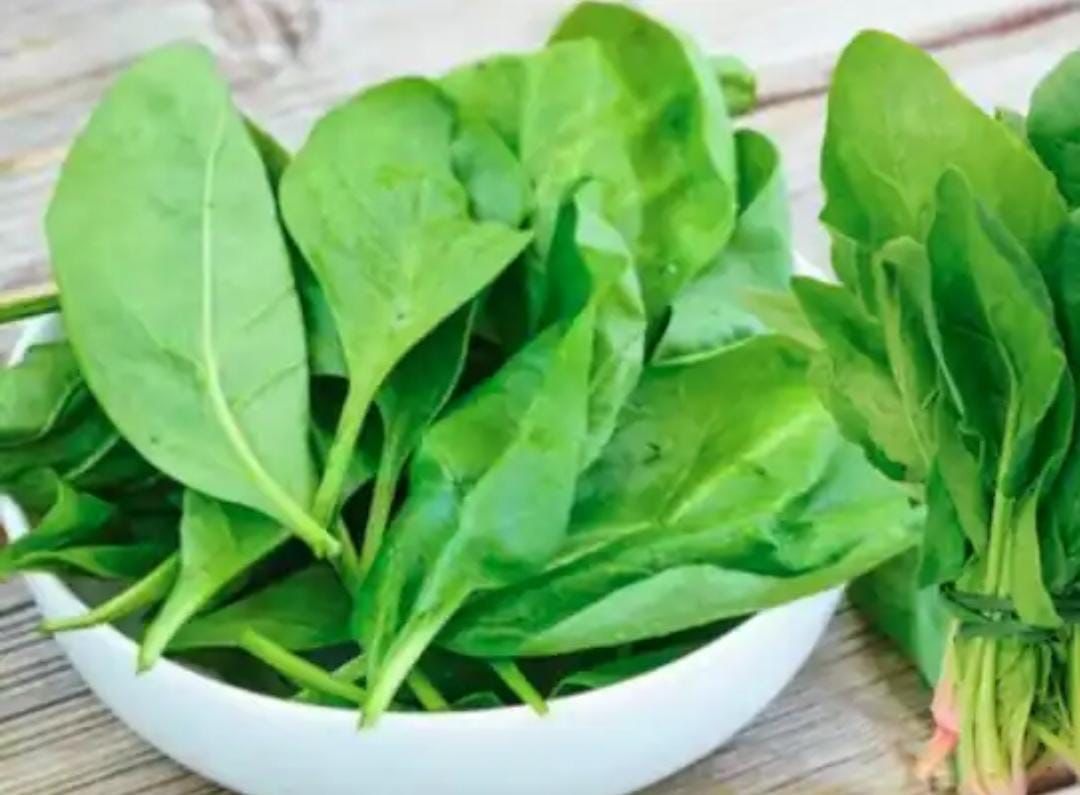
How Spinach Helps Relieve Period Pain

Spinach is rich in iron, a vital mineral that helps combat fatigue often associated with menstruation. During periods, women experience a decrease in iron levels due to blood loss, which can exacerbate fatigue and increase the severity of cramps. By incorporating spinach into your diet, you can replenish iron levels, reduce fatigue, and ease period discomfort.

Spinach is also an excellent source of magnesium, a key mineral that has been proven to reduce period pain. Magnesium inhibits the release of prostaglandins, hormones that cause muscle contractions, which in turn alleviates cramping and pain during menstruation.

Nutritional Benefits of Spinach

In addition to iron and magnesium, spinach is loaded with calcium, vitamin K, and antioxidants. These nutrients provide numerous health benefits:

  • Calcium and vitamin K support bone and teeth health.
  • Antioxidants protect eye health and contribute to overall well-being.
  • Regular consumption of spinach supports heart health, making it an excellent addition to any balanced diet.

Spinach is also known for its low glycemic index, making it an ideal food choice for diabetics and those looking to manage their weight. It helps control appetite and keeps you feeling fuller for longer, preventing unnecessary cravings.

Top FAQ's about Spinach for Period Pain Relief

  1. How does spinach help with period pain? Spinach helps relieve period pain by replenishing iron levels and providing magnesium, which reduces muscle contractions and inflammation responsible for cramps.

  2. Is spinach good for anemia during periods? Yes, spinach is high in iron, which helps replenish iron levels lost during menstruation and can prevent or alleviate symptoms of anemia.

  3. Can I eat spinach every day for better health? Yes, regular consumption of spinach can provide a wide range of health benefits, including better digestion, improved heart health, and stronger bones and teeth.

  4. Can spinach help reduce menstrual bloating? Spinach’s rich content of magnesium can help alleviate bloating and water retention associated with menstruation.

  5. Is spinach safe to eat during periods? Absolutely! Spinach is a healthy, nutritious food that can be included in your diet during periods to help reduce pain and fatigue.

Conclusion

Spinach is more than just a delicious vegetable—it's a powerful ally in alleviating period pain and improving overall health. Its high content of iron, magnesium, and other nutrients make it a perfect addition to your diet, especially during menstruation. By incorporating spinach into your meals, you can combat fatigue, reduce cramps, and maintain good health throughout the month. So, the next time you’re experiencing period discomfort, reach for spinach for natural relief.

Friday, February 14, 2025

Essential Vitamins and Minerals for a Strong, Healthy Body: A Complete Guide

Essential Vitamins and Minerals for a Strong, Healthy Body

Incorporating the right vitamins and minerals into your diet is essential for maintaining overall health, boosting immunity, and supporting body func
tions. From strengthening your bones and muscles to supporting your immune system, the right balance of nutrients is key to feeling your best. In this guide, we’ll explore the most important vitamins and minerals, their food sources, and how to ensure you're getting enough of them.

Vitamin C: A Powerful Antioxidant

Vitamin C is essential for boosting immunity, promoting healthy skin, and aiding in the absorption of iron. It is also an important antioxidant that helps fight free radicals in the body.

Top Food Sources of Vitamin C:

  • Amla (Indian Gooseberry): One of the richest sources of Vitamin C.
  • Guava: A tropical fruit packed with more Vitamin C than oranges.
  • Peppers: Bell peppers, particularly red ones, are high in Vitamin C.
  • Citrus Fruits: Oranges, lemons, limes, and grapefruits are all excellent sources.

Vitamin D: The Sunshine Vitamin

Vitamin D plays a crucial role in bone health by helping the body absorb calcium. It also supports immune function and mood regulation.

Top Food Sources of Vitamin D:

  • Milk: Fortified with Vitamin D, a great option for bone health.
  • Eggs: Specifically, the yolks are rich in Vitamin D.
  • Mushrooms: Mushrooms exposed to sunlight are a good source of Vitamin D.
  • Fish: Fatty fish like salmon, mackerel, and tuna are excellent sources.

Calcium: Strong Bones and Teeth

Calcium is vital for building and maintaining strong bones and teeth. It also helps in nerve function, muscle contraction, and blood clotting.

Top Food Sources of Calcium:

  • Leafy Greens: Kale, collard greens, and bok choy are rich in calcium.
  • Sesame Seeds: A great plant-based source of calcium.
  • Soya Products: Tofu and soy milk are fortified with calcium.
  • Milk: A classic source of calcium, promoting bone health.

Iron: For Healthy Blood and Energy

Iron is essential for producing hemoglobin, which carries oxygen to your body’s tissues. It also plays a role in energy metabolism and immune function.

Top Food Sources of Iron:

  • Tofu: A plant-based protein that is rich in iron.
  • Spinach: One of the best plant sources of iron.
  • Lentils: A great source of non-heme iron.
  • Peas: Packed with iron and other essential nutrients.

Zinc: Immune Support and Healing

Zinc is vital for immune system function, wound healing, and protein synthesis. It also plays a key role in cellular division and growth.

Top Food Sources of Zinc:

  • Nuts: Almonds, cashews, and walnuts are high in zinc.
  • Soya Products: Tofu and soybeans are excellent sources of zinc.
  • Pumpkin Seeds: A rich, plant-based source of zinc.
  • Oysters: The highest source of zinc.

Magnesium: Muscle and Nerve Function

Magnesium is crucial for muscle and nerve function, as well as the synthesis of protein, bone development, and energy production. It also helps regulate blood sugar and blood pressure.

Top Food Sources of Magnesium:

  • Bananas: Not only high in potassium, but also rich in magnesium.
  • Oats: A nutritious breakfast option packed with magnesium.
  • Nuts: Almonds, cashews, and Brazil nuts are rich in magnesium.
  • Spinach: Another leafy green that contains a good amount of magnesium.

Top FAQs:

1. What foods are the best source of Vitamin C? The best sources of Vitamin C include citrus fruits (oranges, lemons, grapefruits), guava, peppers, and amla (Indian gooseberry).

2. How can I get more Vitamin D naturally? Vitamin D can be obtained through sunlight exposure, as well as consuming foods like fortified milk, egg yolks, mushrooms, and fatty fish (salmon, mackerel).

3. Which foods are rich in calcium? Leafy greens like kale, bok choy, sesame seeds, and tofu are great plant-based sources of calcium. Dairy products like milk also provide calcium.

4. How can I increase my iron intake? Iron-rich foods include tofu, spinach, lentils, peas, and fortified cereals. Pairing iron-rich foods with Vitamin C-rich foods can enhance absorption.

5. What are the best sources of zinc? Zinc can be found in nuts (cashews, almonds), soya products (tofu, soybeans), pumpkin seeds, and oysters.

6. What foods help improve magnesium levels? Magnesium is abundant in bananas, oats, nuts (almonds, cashews), and leafy greens like spinach.

7. How much calcium should I consume daily? The recommended daily intake of calcium varies based on age and gender, but for adults, it is typically around 1,000 mg per day. Pregnant or breastfeeding women may need slightly more.


Conclusion:

By incorporating these nutrient-dense foods into your daily diet, you can support your overall health, boost your immune system, strengthen your bones, and improve your energy levels. Whether it’s increasing your intake of Vitamin C-rich citrus fruits or ensuring you get enough calcium and magnesium through leafy greens and nuts, a balanced and diverse diet is key to maintaining optimal health. Make sure to enjoy a variety of nutrient-rich foods that provide essential vitamins and minerals for a vibrant and healthy lifestyle!

DISCLAIMER:

THIS WEBSITE DOES NOT PROVIDE MEDICAL OR OTHER PROFESSIONAL ADVICE. The information provided on this website (blog), including but not limited to text, graphics, images, and other materials, is for informational purposes only. It is not intended to serve as a substitute for professional medical, legal, or any other kind of advice. Always seek the guidance of a qualified professional or relevant authorities with any questions you may have regarding information you read on this website. This includes any content found in Healthy Roots & Habits Blog, articles, website, social media channels, and written by the authors.

Featured Post

Healthy Foods That Aren’t Actually Healthy: Debunking Common Food Myths

When it comes to healthy eating, we all want to make the right choices. But what if some of the foods you think are healthy aren't actua...