Showing posts with label Menstrual Cramps. Show all posts

Saturday, May 3, 2025

Makoy (Black Nightshade): The Powerful Herb for Holistic Health and Healing

Makoy, also known as Black Nightshade (scientific name: Solanum nigrum), Kakamachi, or Bhatkoinya Pilpotan, is a small yet potent herb commonly found in shaded areas across India. This humble plant may be small in size but is packed with numerous medicinal benefits that can aid in the treatment of various health conditions. Its roots, stems, leaves, flowers, and fruits—collectively known as Makoy Panchang—are used in different forms of traditional medicine.


Let's explore the many health benefits of this natural powerhouse.

What Is Makoy and How Can It Benefit Your Health?

Makoy is a versatile plant that blooms year-round, with white flowers and small, round fruits that transition from green to purple or sometimes yellow upon ripening. The seeds of Makoy are small, smooth, and yellow, resembling eggplant seeds, but much smaller. The fruits are sweet when ripe and offer numerous health benefits.

Here are the key benefits of Makoy:

1. Anti-inflammatory and Pain Relief Properties

Makoy is known for its anti-inflammatory and analgesic properties. It is particularly effective for individuals dealing with joint pain and swelling. Consuming Makoy can help alleviate arthritis pain and reduce swelling in the body. Additionally, it can be used topically to treat chronic wounds, injury wounds, and conditions like herpes or itching.

2. Aids in Digestive Health

Makoy is beneficial for digestive issues such as bloating, indigestion, and stomach ulcers. The leaves and fruits of Makoy can help regulate digestion and provide relief from discomfort. Regular intake can support gut health and maintain a clean stomach, especially when combined with other natural remedies.

3. Supports Kidney Health

Makoy has diuretic properties, which help increase urine output, flush out toxins, and promote kidney health. For those suffering from kidney inflammation, repeated urinary problems, or kidney-related diseases, Makoy extract can be beneficial. Consuming 10-15 mg of Makoy extract daily can provide relief from kidney pain and inflammation.

4. Combats Urinary Tract Infections (UTIs)

Makoy contains antimicrobial properties that help fight bacteria responsible for urinary tract infections (UTIs). Regular consumption of Makoy can reduce the frequency of UTIs by flushing out harmful bacteria and toxins from the body, ultimately supporting urinary health.

5. Strengthens the Immune System

The phytochemicals present in Makoy contribute to its immune-boosting abilities. It helps in improving oxygen levels in the body and provides relief from stress and anxiety. For those experiencing sleep difficulties or anxiety, incorporating Makoy into your routine can be a natural remedy to help calm your mind and promote better sleep.

6. Makoy and Cancer Prevention

Cancer is a growing concern, and Makoy may play a role in preventing the growth of cancer cells. The fruit of this herb has anti-cancer properties, preventing tumor formation and aiding in cancer prevention. It has shown promise in reducing the risk of cancer and is considered an effective part of holistic cancer care.

7. Helps Manage Blood Pressure and Cholesterol

Makoy is beneficial for managing blood pressure and cholesterol levels. By controlling high blood pressure and reducing cholesterol levels, Makoy helps minimize the risk of heart diseases, strokes, and other cardiovascular issues. It also contributes to overall heart health and reduces the strain on the heart.

8. Relieves Menstrual Cramps

Women suffering from painful menstrual cramps can turn to Makoy for natural relief. Makoyberry, in particular, is known for its antipyretic properties, which act as a natural painkiller and can provide relief from cramps and menstrual discomfort without the side effects of over-the-counter medications.

How to Use Makoy for Maximum Health Benefits

Makoy can be consumed in various forms, such as fresh fruit, juice, or as a paste made from the leaves. To prepare a paste, grind Makoy leaves along with turmeric and apply it to the affected area for treating chronic wounds or swelling. Consuming ripe Makoy fruits with honey can provide relief from TB symptoms. Additionally, you can grind and dry the fruit, heat it, and use it to reduce swelling in different parts of the body.

For kidney health and repeated urinary problems, consuming Makoy extract or juice regularly can yield positive results. You can also include Makoy in your diet as part of a holistic approach to managing inflammation, digestive issues, and overall wellness.

Conclusion:

Makoy, also known as Black Nightshade, is a remarkable herb that offers a wide range of health benefits. Whether you're dealing with kidney issues, digestive discomfort, arthritis pain, or even high blood pressure, Makoy can be an excellent addition to your natural wellness routine. By harnessing the power of this herb, you can support your body's health in a holistic and natural way. As always, consult with a healthcare provider before incorporating any new herbs or remedies into your routine to ensure safety and effectiveness.


Top FAQs:

1. What are the benefits of Makoy for kidney health?
Makoy has diuretic properties that help increase urine output, flush out toxins, and alleviate kidney inflammation, providing relief from kidney pain and improving overall kidney function.

2. How does Makoy help with arthritis pain?
Makoy has anti-inflammatory properties that can reduce pain and swelling associated with arthritis. Regular consumption or topical application of Makoy can provide relief from joint pain.

3. Can Makoy prevent cancer?
Makoy contains anti-cancer properties that may help prevent tumor formation and reduce the growth of cancer cells. It is considered beneficial in cancer prevention as part of a holistic health approach.

4. How does Makoy help with urinary tract infections (UTIs)?
Makoy has antimicrobial properties that fight bacteria responsible for UTIs. It helps flush out toxins and bacteria from the body, reducing the frequency and severity of UTIs.

5. Is Makoy beneficial for menstrual cramps?
Yes, Makoyberry, in particular, has antipyretic properties that act as a natural painkiller and can relieve menstrual cramps without the need for synthetic medications.

Thursday, March 20, 2025

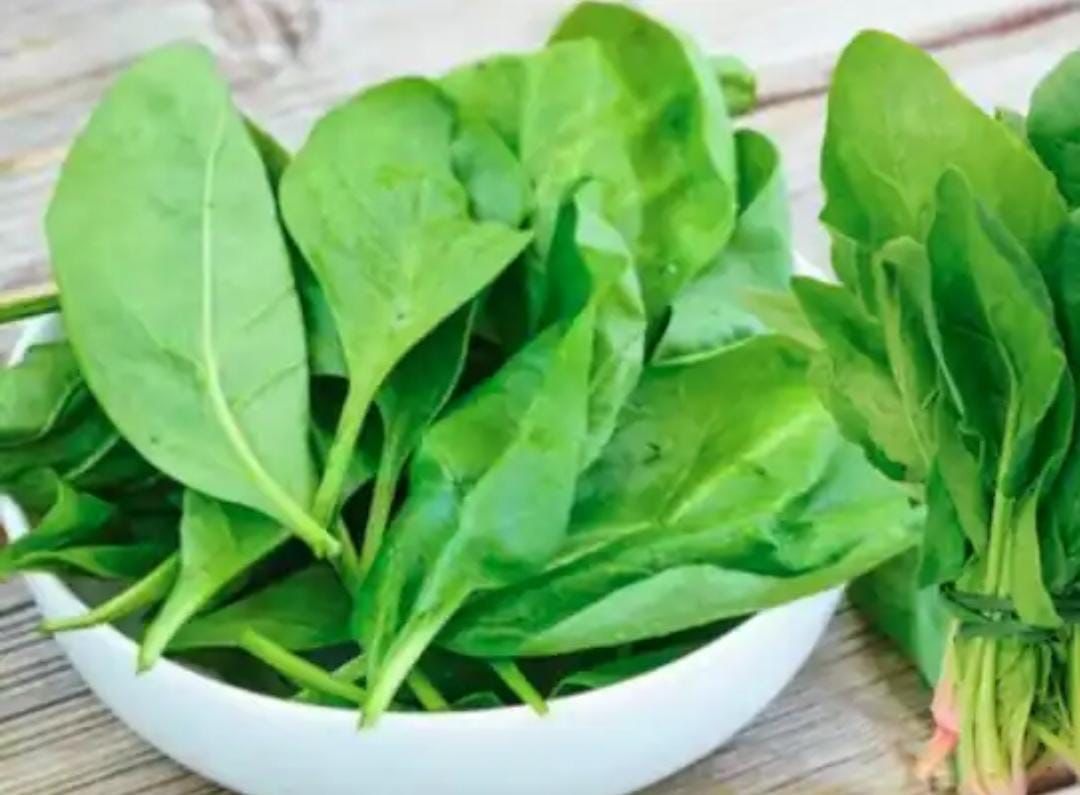
Ultimate Guide to Using Spinach for Period Pain Relief: A Natural Solution

Period pain, also known as dysmenorrhea, affects many women, causing discomfort like cramps, bloating, and fatigue. While medication and rest are commonly used to alleviate these symptoms, spinach offers a natural and effective remedy. Packed with essential nutrients, spinach is not just a healthy food option, but a great choice for managing period pain relief.

How Spinach Helps Relieve Period Pain

Spinach is rich in iron, a vital mineral that helps combat fatigue often associated with menstruation. During periods, women experience a decrease in iron levels due to blood loss, which can exacerbate fatigue and increase the severity of cramps. By incorporating spinach into your diet, you can replenish iron levels, reduce fatigue, and ease period discomfort.

Spinach is also an excellent source of magnesium, a key mineral that has been proven to reduce period pain. Magnesium inhibits the release of prostaglandins, hormones that cause muscle contractions, which in turn alleviates cramping and pain during menstruation.

Nutritional Benefits of Spinach

In addition to iron and magnesium, spinach is loaded with calcium, vitamin K, and antioxidants. These nutrients provide numerous health benefits:

  • Calcium and vitamin K support bone and teeth health.
  • Antioxidants protect eye health and contribute to overall well-being.
  • Regular consumption of spinach supports heart health, making it an excellent addition to any balanced diet.

Spinach is also known for its low glycemic index, making it an ideal food choice for diabetics and those looking to manage their weight. It helps control appetite and keeps you feeling fuller for longer, preventing unnecessary cravings.

Top FAQ's about Spinach for Period Pain Relief

  1. How does spinach help with period pain? Spinach helps relieve period pain by replenishing iron levels and providing magnesium, which reduces muscle contractions and inflammation responsible for cramps.

  2. Is spinach good for anemia during periods? Yes, spinach is high in iron, which helps replenish iron levels lost during menstruation and can prevent or alleviate symptoms of anemia.

  3. Can I eat spinach every day for better health? Yes, regular consumption of spinach can provide a wide range of health benefits, including better digestion, improved heart health, and stronger bones and teeth.

  4. Can spinach help reduce menstrual bloating? Spinach’s rich content of magnesium can help alleviate bloating and water retention associated with menstruation.

  5. Is spinach safe to eat during periods? Absolutely! Spinach is a healthy, nutritious food that can be included in your diet during periods to help reduce pain and fatigue.

Conclusion

Spinach is more than just a delicious vegetable—it's a powerful ally in alleviating period pain and improving overall health. Its high content of iron, magnesium, and other nutrients make it a perfect addition to your diet, especially during menstruation. By incorporating spinach into your meals, you can combat fatigue, reduce cramps, and maintain good health throughout the month. So, the next time you’re experiencing period discomfort, reach for spinach for natural relief.

Friday, January 17, 2025

Effective Strategies for Menstrual Health & PMS Management: A Comprehensive Guide

Menstrual health is a crucial yet often overlooked aspect of overall wellness for women. From irregular cycles to painful cramps and mood swings, many women experience discomfort due to premenstrual syndrome (PMS) and other menstrual health issues. Fortunately, managing PMS and improving menstrual health is entirely possible with the right habits and lifestyle adjustments. In this article, we’ll dive into natural ways to support your menstrual cycle and alleviate PMS symptoms.


Understanding Menstrual Health and PMS

Menstrual health refers to the general well-being of your reproductive system, including the regularity of your cycles, the health of your ovaries, and the hormonal balance that governs menstruation. PMS (Premenstrual Syndrome) is a collection of physical, emotional, and behavioral symptoms that occur in the days or weeks leading up to menstruation. These symptoms are linked to hormonal fluctuations, primarily estrogen and progesterone, and can affect every woman differently.

Some common PMS symptoms include:

  • Physical symptoms: bloating, breast tenderness, fatigue, headaches, and cramps
  • Emotional symptoms: irritability, anxiety, mood swings, and depression
  • Behavioral symptoms: food cravings, sleep disturbances, and trouble concentrating

Understanding the causes and symptoms of PMS is the first step toward managing it effectively.


Top Ways to Manage PMS Symptoms Naturally

While PMS can be difficult to navigate, there are several natural remedies and lifestyle adjustments that can help alleviate symptoms and promote better menstrual health.

  1. Nutrition & Diet Adjustments

    A balanced diet plays a significant role in regulating hormones and reducing PMS symptoms. Key dietary recommendations include:

    • Increase magnesium-rich foods: Magnesium helps with muscle relaxation and can reduce cramps. Incorporate foods like spinach, almonds, and avocados.
    • Opt for complex carbohydrates: Whole grains, oats, and legumes help stabilize blood sugar and reduce irritability.
    • Boost omega-3 fatty acids: These healthy fats, found in fish like salmon and in flaxseeds, may reduce inflammation and improve mood.
    • Limit sugar and caffeine: High sugar and caffeine intake can exacerbate bloating, irritability, and anxiety, so aim to cut back during your cycle.
    • Stay hydrated: Proper hydration can reduce bloating and alleviate fatigue.
  2. Exercise Regularly

    Physical activity is one of the most effective ways to combat PMS. Regular exercise boosts serotonin levels, reducing mood swings and anxiety. Even light activities like walking, yoga, or swimming can alleviate bloating and cramps. Aim for at least 30 minutes of exercise most days of the week.

  3. Herbal Remedies

    Several herbs have been traditionally used to support menstrual health and relieve PMS symptoms:

    • Chasteberry (Vitex): This herb has been shown to balance hormones and reduce symptoms like irritability, breast tenderness, and mood swings.
    • Ginger: Known for its anti-inflammatory properties, ginger can help reduce bloating, nausea, and cramps.
    • Peppermint tea: Peppermint has soothing properties that can ease cramps and digestive issues during PMS.
  4. Stress Management

    Stress exacerbates PMS symptoms, so finding effective ways to relax is crucial. Techniques such as meditation, deep breathing exercises, mindfulness, and journaling can help reduce stress and improve overall well-being. Yoga is particularly effective for PMS, as it helps release tension, reduce cramps, and improve circulation.

  5. Sleep Quality

    Poor sleep can make PMS symptoms worse. Aim for 7-9 hours of quality sleep each night to allow your body to rest and rejuvenate. Establishing a calming nighttime routine, such as limiting screen time before bed or drinking herbal teas like chamomile, can help improve sleep quality.

  6. Supplements to Consider

    Certain vitamins and minerals can support menstrual health:

    • Vitamin B6: Helps regulate mood and can reduce irritability.
    • Vitamin D: Supports hormone balance and may ease cramps.
    • Calcium: Helps with muscle relaxation and can reduce bloating and cramps.
    • Evening Primrose Oil: Contains gamma-linolenic acid (GLA), which may help balance hormones and alleviate breast tenderness and irritability.
  7. Acupuncture and Acupressure

    Acupuncture is an ancient practice that involves inserting tiny needles into specific points on the body to promote balance and alleviate pain. Studies have shown that acupuncture can be effective in reducing menstrual pain and regulating the menstrual cycle. Acupressure, a form of self-treatment, can also provide relief by stimulating pressure points that reduce cramps and discomfort.


When to Seek Medical Help

While many PMS symptoms can be managed naturally, it’s important to consult a healthcare professional if your symptoms are severe, don’t improve with lifestyle changes, or interfere with your daily life. Conditions like endometriosis, polycystic ovary syndrome (PCOS), or fibroids can cause symptoms that mimic PMS, and these require professional treatment.


Top FAQs About Menstrual Health & PMS Management

  1. What is the best way to treat PMS naturally?

    • The best approach involves a combination of dietary adjustments, regular exercise, stress management, and natural supplements like chasteberry or magnesium. A holistic approach tends to provide the most relief.
  2. Can I reduce PMS cramps without medication?

    • Yes, lifestyle changes like exercise, hydration, and using heat therapy (like a heating pad) can significantly alleviate cramps without medication. Additionally, herbs like ginger and peppermint have anti-inflammatory properties that help.
  3. How long do PMS symptoms last?

    • PMS symptoms typically start 1-2 weeks before menstruation and end once your period begins. However, the intensity of symptoms can vary from cycle to cycle.
  4. Are there any foods that can worsen PMS symptoms?

    • Yes, excessive sugar, caffeine, and processed foods can increase inflammation, worsen bloating, and contribute to mood swings during PMS. It's best to limit these foods, especially during the luteal phase of your cycle.
  5. Is it normal to have severe PMS symptoms?

    • Some discomfort is normal, but if your PMS symptoms are particularly severe, lasting beyond a few days, or interfering with your daily activities, it may be worth discussing with your doctor. Conditions like endometriosis or fibroids can exacerbate symptoms and require medical treatment.

Conclusion

Taking care of your menstrual health is an essential part of overall well-being. With the right lifestyle habits, you can alleviate PMS symptoms and support your body through each phase of your menstrual cycle. By incorporating balanced nutrition, regular exercise, stress management, and natural remedies, you can take charge of your menstrual health and live more comfortably throughout the month.

Tuesday, December 31, 2024

Natural Remedies for Menstrual Cramps: Relief Without Medication

Menstrual cramps, medically known as dysmenorrhea, are a common problem that affects many women during their menstrual cycle. These cramps are often caused by the contraction of the uterus as it sheds its lining, and they can range from mild discomfort to intense, debilitating pain. While over-the-counter medications such as ibuprofen are commonly used to alleviate these symptoms, many women seek out natural remedies to manage menstrual cramps without relying on pharmaceutical solutions.

In this article, we’ll explore 10 natural remedies that can help relieve menstrual cramps, improve comfort, and support overall menstrual health. From herbal teas to lifestyle changes, these remedies are designed to work with your body’s natural rhythms, providing a gentler approach to managing menstrual pain.

1. Heat Therapy: Simple and Effective Relief

One of the most effective and widely used natural remedies for menstrual cramps is heat therapy. Applying heat to the lower abdomen can help relax the muscles of the uterus and alleviate the pain caused by contractions.

How to Use Heat Therapy:

  • Heating pad: Place a heating pad or hot water bottle on your lower abdomen for 20-30 minutes at a time.
  • Warm bath: Soaking in a warm bath can also help relax the body and relieve cramping.

Heat therapy can be particularly soothing during the early days of menstruation when cramps are most intense.

2. Herbal Teas for Pain Relief

Certain herbal teas have been used for centuries to soothe menstrual cramps and ease discomfort. Herbs such as ginger, chamomile, and peppermint contain natural compounds that can reduce inflammation, improve circulation, and relax muscles.

Best Herbal Teas for Menstrual Cramps:

  • Ginger tea: Ginger has anti-inflammatory and analgesic properties that help reduce pain and inflammation. Drinking ginger tea or adding ginger to hot water can relieve cramps.
  • Chamomile tea: Chamomile is a natural muscle relaxant and can also reduce anxiety and stress. It’s a great option for calming both the body and mind during your period.
  • Peppermint tea: Peppermint has antispasmodic properties that can help ease muscle cramps, making it a great tea to drink during menstruation.

3. Exercise: A Natural Pain Reliever

It may sound counterintuitive, but gentle exercise can be a powerful natural remedy for menstrual cramps. Exercise releases endorphins, the body’s natural painkillers, which can help reduce the perception of pain. Additionally, physical activity improves blood circulation, which can reduce cramping and improve overall comfort during menstruation.

Best Exercises for Menstrual Cramp Relief:

  • Yoga: Certain yoga poses, such as the child’s pose, cat-cow, and pelvic tilts, can help stretch and relax the muscles of the abdomen and lower back, providing relief from cramps.
  • Walking or light cardio: Even a short walk can help get your blood flowing and ease menstrual discomfort.
  • Stretching: Gentle stretches can help alleviate tension in the pelvic region, reducing cramp severity.

4. Acupressure and Acupuncture

Acupressure and acupuncture are traditional Chinese medicine techniques that have been used for centuries to treat various types of pain, including menstrual cramps. Both methods involve stimulating specific points on the body to improve energy flow and reduce pain.

How Acupressure Can Help:

  • Acupressure involves applying pressure to specific points on the body, such as the area between your thumb and index finger, to reduce pain and discomfort.
  • Acupuncture, which involves inserting fine needles into specific acupuncture points on the body, can also be effective in reducing menstrual cramps.

These techniques can be performed by a trained professional, or you can learn basic acupressure points to try at home.

5. Essential Oils: Aromatherapy for Cramps

Essential oils are a popular natural remedy for menstrual cramps due to their soothing, anti-inflammatory, and analgesic properties. Certain oils, such as lavender, clary sage, and eucalyptus, can provide significant relief from cramping and discomfort.

Essential Oils for Menstrual Cramp Relief:

  • Lavender oil: Known for its calming and relaxing properties, lavender oil can help reduce stress, relax muscles, and relieve cramping.
  • Clary sage oil: This oil has hormone-balancing properties that can ease menstrual cramps and promote emotional well-being.
  • Eucalyptus oil: Eucalyptus oil has anti-inflammatory properties and can be used to reduce muscle pain and tension.

To use essential oils, dilute a few drops of oil in a carrier oil (like coconut or jojoba oil) and massage it gently into your lower abdomen.

6. Proper Nutrition and Hydration

Eating a balanced diet rich in anti-inflammatory foods can help reduce the intensity of menstrual cramps. Certain nutrients, such as magnesium, calcium, and omega-3 fatty acids, have been shown to ease cramping and promote muscle relaxation.

Foods to Include in Your Diet:

  • Magnesium-rich foods: Foods like leafy greens, nuts, seeds, and avocados are high in magnesium, which can help relax muscles and reduce cramping.
  • Calcium-rich foods: Dairy products, tofu, and leafy greens are good sources of calcium, which has been shown to reduce menstrual pain.
  • Omega-3 fatty acids: Fatty fish like salmon, chia seeds, and walnuts are high in omega-3s, which have anti-inflammatory effects that can alleviate cramping.

Additionally, staying hydrated throughout your cycle can help reduce bloating and improve overall comfort during menstruation.

7. Supplements for Menstrual Cramp Relief

There are several natural supplements that may help reduce the severity of menstrual cramps. These supplements work by addressing the underlying causes of cramping, such as inflammation, hormonal imbalances, and nutrient deficiencies.

Supplements That May Help:

  • Magnesium supplements: Magnesium can help relax muscles and reduce cramping. Taking a magnesium supplement during your period may provide relief from menstrual cramps.
  • Vitamin B1 (Thiamine): Some studies suggest that vitamin B1 may help reduce the severity of menstrual cramps. You can take B1 supplements or increase your intake of foods like whole grains, nuts, and seeds.
  • Fish oil: Omega-3 fatty acids found in fish oil can reduce inflammation and provide relief from menstrual cramps.

Before taking any new supplements, it’s always best to consult with a healthcare provider to ensure they’re safe for you.

8. Reducing Stress and Managing Emotions

Stress and anxiety can exacerbate menstrual cramps, making them more painful and prolonged. Managing stress is an important aspect of relieving menstrual pain naturally.

Stress-Reduction Techniques:

  • Meditation: Practicing mindfulness meditation can help you manage the emotional and physical aspects of menstrual discomfort.
  • Deep breathing exercises: Slow, deep breaths can help activate the parasympathetic nervous system, reducing pain perception and stress.
  • Journaling: Writing down your feelings and thoughts can help release pent-up stress and improve your emotional well-being during menstruation.

9. Rest and Sleep

Getting adequate rest is crucial for relieving menstrual cramps. Sleep helps the body heal, reduces stress, and can improve your tolerance to pain. If you're feeling fatigued during your period, don’t hesitate to take naps or rest more than usual to help your body recover.

10. Hydration: Drink Plenty of Water

Drinking water throughout your menstrual cycle can help alleviate bloating, reduce water retention, and promote circulation, all of which can help relieve menstrual cramps. Aim to drink at least 8-10 glasses of water per day, and consider drinking herbal teas that are known to help with menstrual discomfort.


Top FAQs About Natural Remedies for Menstrual Cramps

Q1: Can natural remedies completely replace medication for menstrual cramps? While natural remedies can provide significant relief, they may not completely replace medication, especially in cases of severe cramps. It’s always a good idea to talk to your healthcare provider about the best approach for managing your symptoms.

Q2: How soon should I start using natural remedies for menstrual cramps? It’s best to begin using natural remedies a few days before your period starts to prevent cramps from worsening. However, you can also start using them as soon as you begin to experience symptoms.

Q3: Are there any risks associated with using essential oils for menstrual cramps? Essential oils are generally safe when used properly, but they should always be diluted with a carrier oil to avoid skin irritation. If you’re pregnant or breastfeeding, consult with a healthcare provider before using essential oils.

Q4: How can I prevent menstrual cramps in the future? To prevent future menstrual cramps, maintain a healthy lifestyle with regular exercise, a balanced diet, stress management, and hydration. Supplements like magnesium and omega-3 fatty acids may also help reduce the frequency and severity of cramps.

Q5: Can diet affect the severity of menstrual cramps? Yes, a diet rich in anti-inflammatory foods like fruits, vegetables, omega-3s, and magnesium can help reduce the severity of menstrual cramps. Avoiding excessive sugar and caffeine may also alleviate symptoms.


Conclusion

Menstrual cramps are a common and often painful part of a woman’s menstrual cycle. However, natural remedies can provide effective relief from cramping without the need for medication. From heat therapy and herbal teas to essential oils and exercise, there are many natural solutions that can help ease the pain and discomfort associated with menstruation. By incorporating these remedies into your routine, you can find relief and improve your overall menstrual health. Always consult with a healthcare provider if your cramps are severe or if you have concerns about your menstrual health.

DISCLAIMER:

THIS WEBSITE DOES NOT PROVIDE MEDICAL OR OTHER PROFESSIONAL ADVICE. The information provided on this website (blog), including but not limited to text, graphics, images, and other materials, is for informational purposes only. It is not intended to serve as a substitute for professional medical, legal, or any other kind of advice. Always seek the guidance of a qualified professional or relevant authorities with any questions you may have regarding information you read on this website. This includes any content found in Healthy Roots & Habits Blog, articles, website, social media channels, and written by the authors.

Featured Post

Healthy Foods That Aren’t Actually Healthy: Debunking Common Food Myths

When it comes to healthy eating, we all want to make the right choices. But what if some of the foods you think are healthy aren't actua...