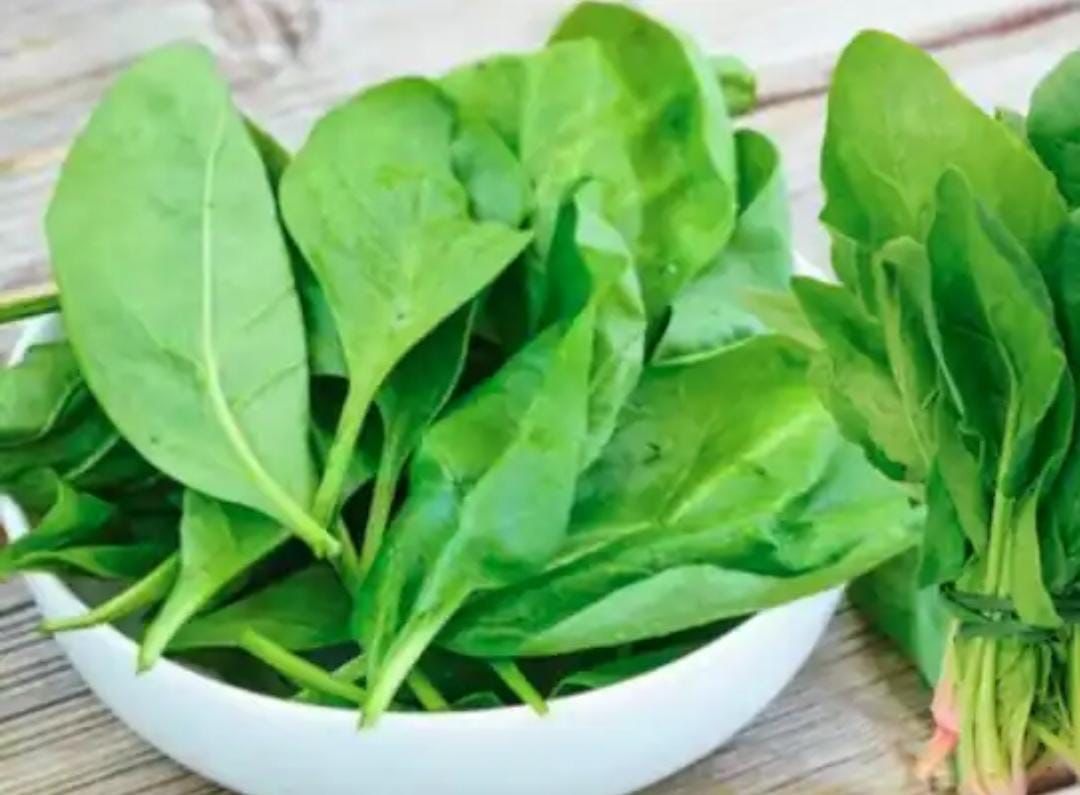
Showing posts with label Spinach. Show all posts

Saturday, May 17, 2025

Top 5 Vegetables with the Highest Nutritional Value for Better Health

When it comes to a healthy diet, vegetables are indispensable. Packed with vitamins, minerals, fiber, and antioxidants, they play a crucial role in maintaining good health. However, some vegetables are particularly nutrient-dense and offer exceptional health benefits. From improving immune function to fighting inflammation and reducing disease risk, these vegetables stand out from the rest.


Let’s explore the top vegetables that pack the most nutritional punch:

1. Spinach: The Leafy Green Powerhouse

Spinach is often referred to as a superfood, and for good reason. This leafy green is loaded with nutrients while being low in calories. Just one cup (30 grams) of raw spinach provides 56% of your daily vitamin A requirement and a significant amount of vitamin K. Additionally, spinach is rich in antioxidants like lutein and zeaxanthin, which help protect the body from oxidative damage. Including spinach in your diet can help lower the risk of chronic diseases, improve skin health, and boost your overall immunity.

Key Nutrients in Spinach:

  • Vitamin A

  • Vitamin K

  • Antioxidants

  • Folate

  • Iron

2. Broccoli: The King of Vegetables

Broccoli truly lives up to its title as the “King of Vegetables” due to its exceptional nutritional profile. It contains almost all the essential nutrients the body needs to function properly. Rich in isothiocyanates and vitamin C, broccoli is a powerful antioxidant that helps scavenge free radicals, reduce inflammation, and slow down aging. Its high fiber content also aids digestion and promotes heart health.

Key Nutrients in Broccoli:

  • Vitamin C

  • Vitamin K

  • Fiber

  • Folate

  • Calcium

3. Carrots: The Vitamin A Boost

Carrots are renowned for their high vitamin A content, largely due to their beta-carotene content, which gives them their bright orange color. One cup of carrots can provide 428% of the daily recommended intake of vitamin A. This essential vitamin supports healthy vision, skin, and immune function. Carrots also contain vitamin C, potassium, and fiber, all of which contribute to overall well-being.

Key Nutrients in Carrots:

  • Vitamin A

  • Beta-Carotene

  • Vitamin C

  • Potassium

  • Fiber

4. Chinese Cabbage: The Underrated Gem

Chinese cabbage is packed with essential vitamins, minerals, and fiber, making it a nutritional powerhouse. It contains five times more vitamin C and four times more riboflavin than apples and pears. This vegetable supports healthy digestion, strengthens the immune system, and has anti-inflammatory properties. Chinese cabbage is also rich in calcium, phosphorus, and protein, which contribute to strong bones and overall vitality.

Key Nutrients in Chinese Cabbage:

  • Vitamin C

  • Riboflavin

  • Fiber

  • Calcium

  • Phosphorus

5. White Radish: A Superfood for Immunity

White radish is a highly nutritious root vegetable that boosts immune function and improves disease resistance. Rich in vitamin C, zinc, and antioxidants, white radish helps detoxify the body and has cancer-fighting properties. Its high fiber content aids digestion and can help regulate blood sugar levels. White radish also contains enzymes that can break down carcinogenic compounds, making it an excellent addition to a cancer-preventive diet.

Key Nutrients in White Radish:

  • Vitamin C

  • Zinc

  • Antioxidants

  • Fiber

  • Enzymes


Top FAQs About High-Nutrient Vegetables:

1. What is the healthiest vegetable to eat?
Spinach, broccoli, and carrots are among the healthiest vegetables due to their high levels of vitamins, minerals, and antioxidants.

2. Which vegetable is richest in vitamin C?
Chinese cabbage is rich in vitamin C, containing five times more vitamin C than apples and pears.

3. Can vegetables help prevent diseases?
Yes, many vegetables like spinach, broccoli, and white radish are packed with antioxidants and anti-inflammatory compounds that can help reduce the risk of chronic diseases.

4. Are carrots good for eyesight?
Yes, carrots are a great source of vitamin A, which is essential for maintaining healthy vision.

5. What are the benefits of eating broccoli?
Broccoli is known for its antioxidant properties, which help fight free radicals, reduce inflammation, and support immune function.


Conclusion:

Incorporating a variety of nutrient-rich vegetables into your diet is one of the best ways to support overall health. From the antioxidant-packed spinach to the immunity-boosting white radish, each of these vegetables brings a unique set of health benefits. By choosing vegetables with high nutritional value, you can enhance your well-being, prevent diseases, and maintain a balanced diet. Make sure to include these powerhouse vegetables in your meals to reap their many benefits!

For more tips on healthy eating and natural living, visit Healthy Roots & Habits and start your journey toward holistic health today.

Monday, May 12, 2025

Top Vegetables and Their Health Benefits You Should Know About

When it comes to maintaining a balanced, healthy lifestyle, vegetables are often at the forefront of any nutrition-focused diet. Packed with vitamins, minerals, antioxidants, and fiber, vegetables play a critical role in promoting overall health. Whether you’re looking to improve your digestive health, boost your immunity, or enhance your skin, certain vegetables offer unique health benefits that should be a part of your daily meals.


In this article, we will explore the top vegetables and the health benefits they bring to the table. Including these nutrient-dense foods in your diet can help you feel your best, naturally.

1. Broccoli

Broccoli is a nutritional powerhouse loaded with vitamins, minerals, and antioxidants. It’s rich in vitamin C, vitamin K, and folate, and contains a unique compound called sulforaphane which has been shown to have cancer-fighting properties. Additionally, broccoli is great for supporting heart health and improving digestion due to its fiber content.

2. Carrots

Carrots are famous for their high β-carotene content, which the body converts into vitamin A. This vitamin is essential for good vision, a strong immune system, and healthy skin. Carrots are also high in fiber, which aids digestion and promotes gut health.

3. Spinach

Spinach is loaded with iron, vitamin K, vitamin A, and folate, making it an excellent choice for overall health. It is particularly beneficial for blood health due to its high iron content, and it also helps maintain bone health and supports skin vitality.

4. Brussels Sprouts

Brussels sprouts are rich in vitamin K, vitamin C, and fiber. They also contain a compound called glucosinolate, which has been shown to have detoxifying and anti-cancer properties. Regular consumption can support the immune system, heart health, and digestive function.

5. Bell Peppers

Bell peppers are an excellent source of vitamin C, which is essential for collagen production, skin health, and immune function. They are also rich in antioxidants, which protect the body from oxidative stress and inflammation.

6. Beetroot

Beetroot is packed with folate, fiber, and antioxidants. It’s known to help lower blood pressure, improve athletic performance by increasing blood flow, and enhance liver detoxification.

7. Sweet Potatoes

Sweet potatoes are high in vitamin A, vitamin C, and fiber. They support eye health, skin health, and digestion. They also have a low glycemic index, making them a great option for maintaining stable blood sugar levels.

8. Asparagus

Asparagus is rich in folate, vitamin K, and fiber, and it has natural diuretic properties. It supports kidney function, reduces inflammation, and promotes heart health due to its high potassium content.

9. Peas

Peas are an excellent source of plant-based protein, fiber, vitamin C, and vitamin K. They help boost energy, improve digestion, and support bone health. Peas are also great for heart health, as they help regulate cholesterol levels.

10. Cauliflower

Cauliflower is a versatile vegetable high in vitamin C, fiber, and antioxidants. It supports digestive health, promotes skin health, and may reduce the risk of certain cancers due to its high content of glucosinolates.

11. Garlic

Garlic is known for its powerful medicinal properties. It contains allicin, a sulfur compound that has antibacterial, antiviral, and antifungal effects. Garlic can help lower blood pressure, improve heart health, and boost the immune system.

12. Kale

Kale is one of the most nutrient-dense leafy greens, rich in vitamin A, vitamin C, and vitamin K. It’s also packed with antioxidants that help reduce inflammation and support overall well-being. Kale is great for bone health and immune support.

13. Red Cabbage

Red cabbage is high in vitamin C and fiber, and it contains powerful antioxidants like anthocyanins that help reduce inflammation. Red cabbage is also beneficial for digestion and supports heart health.

14. Onions

Onions are rich in vitamin C, fiber, and antioxidants. They contain compounds like quercetin, which have anti-inflammatory and heart-protective effects. Onions also promote digestive health and can help lower cholesterol levels.

15. Mushrooms

Mushrooms are a great source of vitamin D, fiber, and antioxidants. They support immune function, bone health, and provide natural anti-inflammatory benefits. Mushrooms are also low in calories, making them an excellent choice for weight management.

16. Tomatoes

Tomatoes are high in vitamin C, potassium, and lycopene, a powerful antioxidant that has been shown to protect against heart disease and certain cancers. Eating tomatoes can also promote healthy skin and eye health.

17. Collard Greens

Collard greens are a great source of vitamin A, vitamin C, and calcium. They support bone health, immune function, and help regulate blood sugar levels. Collard greens are also high in fiber, which supports digestion.

18. Butternut Squash

Butternut squash is rich in vitamin A, vitamin C, and fiber. It supports vision health, immune function, and skin health. This sweet vegetable is also a great source of potassium, which helps regulate blood pressure.

19. Leafy Greens

Leafy greens, such as arugula, Swiss chard, and romaine lettuce, are packed with vitamin A, vitamin C, and calcium. These greens support bone health, immune function, and promote digestive health due to their high fiber content.

20. Artichoke

Artichokes are rich in fiber, vitamin C, and antioxidants. They promote liver health, improve digestion, and help lower cholesterol levels. Artichokes are also beneficial for heart health due to their high potassium content.

21. Eggplant

Eggplant is an excellent source of fiber, vitamin C, and antioxidants. It supports heart health, aids in digestion, and may help lower blood pressure due to its high potassium content.

22. Green Beans

Green beans are rich in fiber, vitamin C, and vitamin K. They support bone health, promote digestive health, and help regulate blood sugar levels, making them a great addition to a balanced diet.

23. Swiss Chard

Swiss chard is high in vitamin K, vitamin A, and fiber. It supports bone health, heart health, and digestion. Swiss chard is also rich in antioxidants that help reduce inflammation.

24. Potatoes

Potatoes, especially when eaten with their skins, are a good source of vitamin C, potassium, and fiber. They provide energy, support immune health, and aid digestion.


Top FAQs About Vegetables and Their Health Benefits:

  1. What are the healthiest vegetables to eat daily?
    Vegetables like broccoli, spinach, kale, carrots, and bell peppers are some of the healthiest options due to their high vitamin and antioxidant content.

  2. Which vegetables are the best for boosting immunity?
    Vegetables like broccoli, garlic, kale, and bell peppers are rich in vitamins and antioxidants that help boost the immune system.

  3. How can vegetables help with digestion?
    Vegetables like spinach, peas, and sweet potatoes are high in fiber, which helps promote regular bowel movements and supports gut health.

  4. What are the best vegetables for heart health?
    Vegetables like tomatoes, onions, kale, and Brussels sprouts are rich in nutrients that support heart health, including antioxidants and anti-inflammatory compounds.

  5. Which vegetables are best for weight loss?
    Leafy greens like kale, spinach, and collard greens, along with fiber-rich vegetables like carrots and green beans, are great for weight loss as they help you feel fuller longer.


Conclusion

Incorporating a wide variety of vegetables into your daily meals can have a profound impact on your overall health. From supporting digestion and boosting the immune system to protecting the heart and enhancing skin health, vegetables are essential for maintaining a holistic, healthy lifestyle. Aim to include as many colorful, nutrient-rich vegetables as possible to reap the full range of their benefits.

Are Vegetables Healthier Raw or Cooked? Best Way to Eat for Nutrition

One of the most common questions in the world of healthy eating is: Are vegetables healthier when eaten raw or cooked? The answer isn't one-size-fits-all. While raw vegetables retain certain heat-sensitive nutrients, cooking can actually boost the availability of other powerful antioxidants and make vegetables easier to digest. Let’s explore how different cooking methods affect the nutrition of your favorite veggies.


🌱 Vegetables That Are Healthier Cooked

1. Tomatoes

Cooking increases lycopene, a powerful antioxidant linked to heart health and reduced cancer risk. Heat breaks down tomato cell walls, making nutrients more bioavailable.

2. Carrots

Boiling or steaming boosts beta-carotene, which the body converts to vitamin A. Cooking also softens fibers, aiding digestion.

3. Spinach

Cooking reduces oxalates, which can interfere with calcium and iron absorption. Steamed spinach offers more accessible iron and calcium than raw.

4. Asparagus

Heat boosts levels of antioxidants like ferulic acid, and breaks down tough fibers, making it more digestible.

5. Mushrooms

Cooking eliminates toxins (like agaritine) and enhances antioxidant activity. Always best eaten cooked for both safety and nutrition.

6. Sweet Potatoes and Potatoes

These starchy vegetables must be cooked to be digestible. Cooking enhances beta-carotene in sweet potatoes.

7. Collard Greens, Kale, and Swiss Chard

Light cooking breaks down tough fibers and reduces goitrogens, which can impact thyroid function in large amounts when raw.


🥗 Vegetables That Are Healthier Raw

1. Bell Peppers

Rich in vitamin C, which is heat-sensitive. Best consumed raw to preserve this immune-boosting nutrient.

2. Broccoli

While cooking enhances some compounds like indole, raw broccoli retains more sulforaphane, a potent anti-cancer compound.

3. Red Cabbage

Raw red cabbage retains more anthocyanins and vitamin C. It’s best added to slaws or salads.

4. Onions and Garlic

Raw onions and garlic contain allicin, a compound with powerful antimicrobial and anti-inflammatory effects that degrade with heat.

5. Peas

Eating them raw retains vitamin C and enzymes beneficial for digestion, although light cooking can also make them easier on the stomach.


🌿 Vegetables That Are Nutritious Both Ways

1. Cauliflower

Contains antioxidants and vitamin C raw, but light steaming makes it easier to digest and enhances antioxidant activity.

2. Brussels Sprouts

Raw or lightly cooked, they are packed with vitamin K and glucosinolates that support detoxification.

3. Green Beans and Eggplant

Can be consumed both ways, though light cooking enhances flavor and makes them gentler on the stomach.

4. Artichokes and Butternut Squash

Must be cooked, but retain a wide range of nutrients. Steaming is the preferred method to preserve antioxidants.


Best Cooking Methods to Retain Nutrients

  • Steaming: Preserves water-soluble vitamins like C and B.

  • Roasting: Enhances flavor without significant nutrient loss.

  • Sautéing: Use minimal oil to retain fat-soluble vitamins.

  • Microwaving: Quick and effective at preserving nutrients.


Top FAQs About Raw vs Cooked Vegetables

1. Is it bad to cook all vegetables?

No. Cooking can enhance certain nutrients and reduce anti-nutrients. The key is using gentle methods like steaming or sautéing.

2. Which vegetables should never be eaten raw?

Potatoes, eggplants, and mushrooms should be cooked due to toxins or indigestibility in their raw state.

3. Does cooking vegetables destroy vitamins?

Some water-soluble vitamins like vitamin C can degrade with heat, but others become more bioavailable through cooking.

4. Are raw vegetables better for weight loss?

Raw vegetables are often lower in calories per volume and can be filling, but both raw and cooked can support weight loss when part of a balanced diet.

5. What’s the healthiest way to cook vegetables?

Steaming, microwaving, and light sautéing retain the most nutrients while keeping flavors and textures intact.


🌼 Conclusion: Mix It Up for Maximum Nutrition

The healthiest approach to vegetables is variety. Some vegetables thrive when eaten raw, retaining delicate vitamins and enzymes. Others become nutritional powerhouses only after being lightly cooked. The goal isn’t raw or cooked—it’s about understanding each vegetable’s unique nutrient profile and preparing it in the way that brings out its best.

Balance is the key in holistic health. Rotate your cooking methods, eat the rainbow, and let your meals be both nourishing and delicious.

Saturday, May 10, 2025

Top Vegetables You Should Eat Daily for Better Health

Vegetables are an essential part of a healthy diet, and they should be included in our daily meals. Packed with nutrients, vitamins, and minerals, vegetables support a wide range of bodily functions, from improving digestion to enhancing skin health. Whether you're cooking up a healthy meal or simply adding a fresh side dish, vegetables are an easy way to boost your health.


Best Vegetables to Eat Daily for a Healthier You

Incorporating a variety of vegetables into your daily meals can significantly improve your overall health. Here are some of the top vegetables you should consider eating regularly:

1. Spinach

Spinach is a super green, rich in iron, vitamins, and minerals. It supports eye health, strengthens bones, and boosts immunity. This leafy green can be added to salads, soups, smoothies, or as a side dish.

2. Carrots

Carrots are packed with beta-carotene, a powerful antioxidant that supports vision health, improves skin quality, and boosts your immune system. They are perfect for snacking or added to salads, soups, and stews.

3. Beetroot

Beetroot is loaded with vitamins, minerals, and fiber. It helps improve blood circulation, supports liver health, and has anti-inflammatory properties. Beetroot can be enjoyed raw in salads or cooked into curries and juices.

4. Peas

Peas are a good source of plant-based protein and provide fiber, vitamins, and antioxidants. Regular consumption of peas can help maintain healthy blood sugar levels, aid digestion, and support heart health.

5. Onions

Onions have been used for centuries due to their numerous health benefits. They are rich in antioxidants and sulfur compounds that help fight infections, improve heart health, and maintain gut health. Add them to your meals to enhance flavor and boost nutrition.

Moringa: The Underrated Superfood to Include in Your Daily Diet

While the vegetables listed above should be consumed regularly, there's another underrated vegetable that deserves attention: Moringa leaves. Often called the "drumstick tree" or "Miracle Tree," Moringa is packed with incredible nutrients that can offer numerous health benefits.

Health Benefits of Moringa Leaves

Moringa leaves are a powerhouse of nutrients, containing 92 nutrients and 46 antioxidants. They are known for their ability to protect the skin, promote hair health, and support overall vitality. Here's a closer look at the benefits of Moringa leaves:

  • Skin and Hair Protection: Moringa helps in reducing oxidative stress, making it beneficial for skin and hair health. It is often used in skincare products for its rejuvenating properties.

  • Anti-inflammatory and Anti-bacterial Properties: Moringa helps reduce swelling, fights bacterial infections, and protects the liver.

  • Improves Vision: The high vitamin A content in Moringa is beneficial for eye health and can help improve vision.

  • Nutrient-Rich: Moringa contains vitamins B2, B3, and C, along with essential amino acids, calcium, and protein, making it a complete nutritional package.

How to Consume Moringa

Moringa can be consumed in various forms. You can include it in your diet as a powder (by mixing it into smoothies, juices, or warm water) or as fresh leaves in curry, soup, or as part of your salad.

Top FAQs About Vegetables and Moringa Leaves

Q1: How much Moringa should I eat daily?
A: The recommended daily intake of Moringa powder is about 1-2 teaspoons. It's important to consult a health professional before consuming large amounts, especially for those with existing health conditions.

Q2: Can Moringa leaves help with weight loss?
A: Yes, Moringa is known to support metabolism and improve digestion, which can aid in weight loss when combined with a healthy diet and exercise.

Q3: Can I eat Moringa every day?
A: Yes, Moringa can be consumed daily, but moderation is key. It’s best to start with small amounts and increase gradually, especially if you are new to this nutrient-packed herb.

Q4: Is it necessary to eat vegetables every day?
A: Yes, consuming a variety of vegetables daily ensures that your body gets a balanced supply of essential vitamins, minerals, and fiber to maintain overall health.


Conclusion: The Key to Better Health is Eating More Vegetables

Including vegetables like spinach, carrots, beetroot, peas, and onions in your diet is crucial for maintaining optimal health. These nutrient-packed foods help boost immunity, improve digestion, and enhance overall well-being.

Adding Moringa leaves to your daily routine can take your health to the next level, thanks to its vast array of nutrients and health benefits. Whether you consume them fresh or in powder form, Moringa is a powerhouse vegetable that can treat a variety of health issues and promote vitality.

So, make sure to prioritize vegetables in your daily diet, and incorporate Moringa for a more vibrant, healthier lifestyle.

Thursday, March 20, 2025

Ultimate Guide to Using Spinach for Period Pain Relief: A Natural Solution

Period pain, also known as dysmenorrhea, affects many women, causing discomfort like cramps, bloating, and fatigue. While medication and rest are commonly used to alleviate these symptoms, spinach offers a natural and effective remedy. Packed with essential nutrients, spinach is not just a healthy food option, but a great choice for managing period pain relief.

How Spinach Helps Relieve Period Pain

Spinach is rich in iron, a vital mineral that helps combat fatigue often associated with menstruation. During periods, women experience a decrease in iron levels due to blood loss, which can exacerbate fatigue and increase the severity of cramps. By incorporating spinach into your diet, you can replenish iron levels, reduce fatigue, and ease period discomfort.

Spinach is also an excellent source of magnesium, a key mineral that has been proven to reduce period pain. Magnesium inhibits the release of prostaglandins, hormones that cause muscle contractions, which in turn alleviates cramping and pain during menstruation.

Nutritional Benefits of Spinach

In addition to iron and magnesium, spinach is loaded with calcium, vitamin K, and antioxidants. These nutrients provide numerous health benefits:

  • Calcium and vitamin K support bone and teeth health.
  • Antioxidants protect eye health and contribute to overall well-being.
  • Regular consumption of spinach supports heart health, making it an excellent addition to any balanced diet.

Spinach is also known for its low glycemic index, making it an ideal food choice for diabetics and those looking to manage their weight. It helps control appetite and keeps you feeling fuller for longer, preventing unnecessary cravings.

Top FAQ's about Spinach for Period Pain Relief

  1. How does spinach help with period pain? Spinach helps relieve period pain by replenishing iron levels and providing magnesium, which reduces muscle contractions and inflammation responsible for cramps.

  2. Is spinach good for anemia during periods? Yes, spinach is high in iron, which helps replenish iron levels lost during menstruation and can prevent or alleviate symptoms of anemia.

  3. Can I eat spinach every day for better health? Yes, regular consumption of spinach can provide a wide range of health benefits, including better digestion, improved heart health, and stronger bones and teeth.

  4. Can spinach help reduce menstrual bloating? Spinach’s rich content of magnesium can help alleviate bloating and water retention associated with menstruation.

  5. Is spinach safe to eat during periods? Absolutely! Spinach is a healthy, nutritious food that can be included in your diet during periods to help reduce pain and fatigue.

Conclusion

Spinach is more than just a delicious vegetable—it's a powerful ally in alleviating period pain and improving overall health. Its high content of iron, magnesium, and other nutrients make it a perfect addition to your diet, especially during menstruation. By incorporating spinach into your meals, you can combat fatigue, reduce cramps, and maintain good health throughout the month. So, the next time you’re experiencing period discomfort, reach for spinach for natural relief.

Saturday, February 22, 2025

Top Seasonal Vegetables for March & April: A Guide to Nutrient-Rich Spring Picks

As the seasons shift from winter to spring, fresh, vibrant vegetables begin to take center stage. March and April are great months for filling your plate with nutrient-packed, seasonal vegetables. These veggies are not only bursting with flavor but also packed with vitamins and minerals to help boost your immune system, support your health, and rejuvenate your body after a long winter.

Eating seasonal produce is one of the best ways to get the most flavor and nutrition from your food. Local, seasonal vegetables tend to be fresher and more affordable than out-of-season alternatives. Let’s explore some of the best seasonal vegetables to eat during March and April that will fuel your body with the essential nutrients it needs.

1. Kale

Kale is a powerhouse vegetable, rich in fiber, vitamins A, C, and K, and packed with antioxidants. It's perfect for the cooler months, as it can withstand a little frost, making it a popular choice for early spring. Add kale to salads, soups, smoothies, or even make crispy kale chips.

2. Spinach

Spinach is another leafy green that thrives in March and April. It's rich in iron, folate, and vitamin K, which are all essential for maintaining energy and bone health. You can enjoy spinach in a variety of ways, such as in salads, sautéed with garlic, or blended into smoothies for a nutrient boost.

3. Broccoli

Broccoli is a cool-weather vegetable that flourishes in the spring months. It's a great source of fiber, vitamin C, and calcium, making it perfect for strengthening the immune system and supporting bone health. Whether steamed, roasted, or eaten raw, broccoli is a versatile vegetable for all kinds of dishes.

4. Carrots

Carrots are an excellent choice for March and April, as they are at their peak during these months. These vibrant orange vegetables are packed with beta-carotene (a precursor to vitamin A), which supports eye health and boosts the immune system. Enjoy carrots raw, roasted, or in soups and stews.

5. Leeks

Leeks, a member of the onion family, are available during the spring months and offer a milder, more delicate flavor than onions. They are rich in vitamins A and K and provide fiber to help support digestive health. Leeks are great in soups, stews, or as a flavorful addition to roasted vegetable dishes.

6. Asparagus

Asparagus is one of the first vegetables to emerge in spring, making it a highly anticipated seasonal treat. Packed with folate, vitamins A, C, and K, and antioxidants, asparagus is a fantastic addition to any meal. Enjoy it grilled, roasted, or steamed, and even toss it into salads or pasta dishes.

7. Radishes

Radishes are a crunchy and peppery vegetable that grows well in the early spring months. High in vitamin C, potassium, and fiber, they are great for digestion and skin health. Radishes are perfect for adding a burst of color and flavor to salads or enjoying them raw as a snack.

8. Peas

Peas, especially sugar snap and snow peas, are at their best during March and April. These little green gems are packed with vitamins A and C, as well as fiber and protein. They are perfect for adding sweetness and crunch to stir-fries, salads, or soups.


Top FAQs About Seasonal Vegetables for March & April

  1. Why should I eat seasonal vegetables in March and April? Eating seasonal vegetables ensures you’re getting fresh, nutrient-dense produce at its peak flavor and nutritional value. Seasonal produce is often more affordable and supports local farmers as well.

  2. How do I store seasonal vegetables? Most leafy greens like spinach and kale should be stored in the refrigerator in a plastic bag or container to keep them fresh. Root vegetables like carrots and radishes can be stored in a cool, dark place, while asparagus and peas should be kept in the fridge.

  3. Can I freeze seasonal vegetables for later use? Yes! Many vegetables, such as peas, carrots, and broccoli, can be blanched and frozen for later use. Freezing helps preserve their nutrients and allows you to enjoy them even after the season has passed.

  4. What are the health benefits of eating seasonal vegetables? Seasonal vegetables are packed with vitamins, minerals, and antioxidants that help boost immunity, promote heart health, improve digestion, and support overall well-being. Plus, they are fresher and more flavorful.

  5. How can I incorporate these vegetables into my meals? These vegetables are versatile and can be added to a variety of dishes. Try them in soups, salads, stir-fries, or roasted as a side dish. Many can also be enjoyed raw for a quick and healthy snack.


Conclusion: Embrace the Season with Fresh, Nutritious Veggies

March and April offer a bounty of fresh, seasonal vegetables that are both delicious and nourishing. From the leafy greens like kale and spinach to the crisp, colorful carrots and radishes, these veggies provide essential nutrients to support your health as the weather warms up. By incorporating these seasonal vegetables into your meals, you’ll enjoy better flavor, more nutrition, and a greater connection to the changing seasons. So, head to your local farmer’s market or grocery store and start embracing the fresh, vibrant produce of spring

Sunday, December 29, 2024

Spinach (पालक): Your Ultimate Superfood for Strength, Immunity & Energy

Spinach (पालक), a vibrant green leafy vegetable, is widely known for its health benefits and versatility in the kitchen. Whether you enjoy it raw in salads, cooked in curries, or blended into smoothies, spinach is a powerhouse of nutrients that supports overall well-being. It is a superfood that offers a wide array of health benefits, from boosting your immune system to improving digestive health.

In this article, we’ll explore the nutritional profile of spinach, its health benefits, and some frequently asked questions to help you make the most of this leafy green in your daily diet.

Nutritional Value of Spinach (पालक)

Spinach is not only low in calories but also packed with essential vitamins, minerals, and antioxidants. Here’s a quick breakdown of what makes spinach so nutritious:

  • Vitamins: Spinach is an excellent source of Vitamin A, Vitamin C, Vitamin K, and Folate. These vitamins are essential for maintaining good eyesight, immune function, skin health, and the production of healthy red blood cells.
  • Minerals: Spinach is rich in minerals like iron, magnesium, potassium, and calcium, which are necessary for energy production, maintaining strong bones, muscle function, and proper nerve function.
  • Antioxidants: Spinach contains powerful antioxidants like lutein, zeaxanthin, and beta-carotene, which help protect the body against oxidative stress and promote healthy aging.
  • Fiber: Spinach is high in dietary fiber, which supports digestion, helps prevent constipation, and aids in weight management.
  • Water content: Spinach is made up of about 91% water, making it a hydrating vegetable that also helps to detoxify the body.

Health Benefits of Spinach (पालक)

Spinach has long been considered a superfood due to its numerous health benefits. Let’s take a closer look at some of the reasons why you should incorporate more spinach into your diet.

1. Boosts Immunity

Spinach is rich in Vitamin C, which plays a crucial role in supporting the immune system. Regular consumption of spinach can help your body fight off infections and reduce the risk of chronic diseases. The antioxidants in spinach, like beta-carotene, also promote a strong immune system and protect cells from damage caused by free radicals.

2. Supports Eye Health

Spinach is an excellent source of Vitamin A and carotenoids like lutein and zeaxanthin. These nutrients are known to promote healthy eyesight and prevent age-related macular degeneration (AMD) and cataracts. Lutein and zeaxanthin act as antioxidants in the eyes, filtering harmful blue light and preventing damage to the retina.

3. Improves Digestive Health

With its high fiber content, spinach is an excellent food for promoting good digestive health. Fiber aids in the movement of food through the digestive tract, preventing constipation and maintaining regular bowel movements. Additionally, the water content in spinach helps in softening stool, making digestion smoother and more efficient.

4. Enhances Bone Health

Spinach is loaded with Vitamin K, a vital nutrient for bone health. Vitamin K is essential for calcium absorption and helps to maintain bone density. A diet rich in spinach can reduce the risk of bone fractures and osteoporosis, especially when combined with calcium-rich foods.

5. Promotes Skin Health

Spinach’s high levels of Vitamin A and Vitamin C help in maintaining healthy skin. Vitamin A is crucial for skin cell turnover and healing, while Vitamin C promotes collagen production, which keeps the skin firm and elastic. Antioxidants like beta-carotene also help protect the skin from damage caused by UV rays and pollution, reducing the appearance of fine lines and wrinkles.

6. Supports Heart Health

Spinach is heart-healthy thanks to its potassium, magnesium, and folate content. Potassium and magnesium help regulate blood pressure, while folate reduces homocysteine levels in the blood, which is linked to heart disease. Additionally, the fiber in spinach helps lower cholesterol levels, which is beneficial for heart health.

7. Aids in Weight Loss

Being low in calories but high in fiber, spinach is an ideal food for those looking to lose weight. The fiber content helps you feel full longer, preventing overeating. Spinach can be incorporated into a variety of meals, making it a versatile ingredient in weight-loss-friendly dishes.

8. Reduces Inflammation

Spinach contains several anti-inflammatory compounds, such as flavonoids and carotenoids, which help reduce inflammation in the body. Chronic inflammation is associated with several diseases, including arthritis and heart disease. Eating spinach regularly can help reduce the risk of these conditions by lowering inflammation levels in the body.

How to Incorporate Spinach (पालक) into Your Diet

Spinach is incredibly versatile and can be added to various dishes. Here are some creative ways to enjoy spinach in your meals:

  1. Smoothies: Blend fresh spinach leaves with fruits like bananas, berries, or mangoes, along with some almond milk or yogurt, for a nutritious and delicious green smoothie.
  2. Salads: Use fresh spinach as the base for salads, combining it with nuts, seeds, and other veggies for a crunchy, nutrient-packed meal.
  3. Stir-fries and Curries: Add spinach to stir-fries or curries for an extra dose of greens. It cooks down quickly and can be mixed with other vegetables and proteins.
  4. Soups: Spinach makes a great addition to soups and stews, adding depth and nutrition without overwhelming the flavor.
  5. Omelets and Scrambled Eggs: Add spinach to your breakfast by tossing it into an omelet or scrambled eggs for added vitamins and minerals.
  6. Smoothie Bowls: Create a thick, nutrient-packed smoothie bowl by blending spinach with frozen fruits, and top with granola, nuts, and seeds.

Top FAQs about Spinach (पालक)

Q1. Is spinach (पालक) safe to eat every day?

Yes, spinach is safe to eat every day in moderation. However, it’s important to balance your diet with other vegetables to ensure you get a wide range of nutrients. People with certain conditions like kidney stones or oxalate sensitivity should consult their doctor before consuming large amounts of spinach.

Q2. Does spinach (पालक) cause gas or bloating?

Spinach is generally easy to digest, but its high fiber content may cause gas or bloating in some individuals, especially if consumed in large amounts. To minimize this, start with small portions and gradually increase intake.

Q3. Can spinach (पालक) help with anemia?

Yes, spinach is rich in iron, which is essential for preventing and treating anemia. However, the non-heme iron found in spinach is better absorbed when consumed with a source of Vitamin C, like citrus fruits.

Q4. How should spinach (पालक) be stored to keep it fresh?

Fresh spinach should be stored in the refrigerator in a plastic bag or airtight container. To keep it fresh for longer, avoid washing the leaves until you’re ready to use them.

Q5. Is it better to eat spinach raw or cooked?

Both raw and cooked spinach offer unique benefits. Cooking spinach reduces its oxalate content, making it easier for the body to absorb certain nutrients like calcium and iron. However, raw spinach retains higher levels of Vitamin C and folate.

Q6. Does spinach (पालक) help in detoxification?

Yes, spinach is high in water and fiber, both of which support detoxification by helping flush toxins from the body and supporting healthy liver function.

Q7. Can spinach (पालक) be frozen?

Yes, spinach can be frozen. To freeze spinach, wash and blanch the leaves first, then place them in an airtight container or freezer bag. Frozen spinach can be stored for up to 6 months.

Conclusion

Spinach (पालक) is a powerhouse of nutrition, packed with essential vitamins, minerals, and antioxidants that support a variety of health benefits. From boosting immunity and improving eye health to promoting digestive wellness and supporting heart health, spinach is a valuable addition to any diet. So, make sure to include this leafy green in your daily meals for better health, vitality, and energy.

By incorporating spinach in various forms, whether raw or cooked, you can easily enjoy its numerous health benefits. Don’t forget to experiment with different recipes and discover how this humble vegetable can enhance your overall well-being!

DISCLAIMER:

THIS WEBSITE DOES NOT PROVIDE MEDICAL OR OTHER PROFESSIONAL ADVICE. The information provided on this website (blog), including but not limited to text, graphics, images, and other materials, is for informational purposes only. It is not intended to serve as a substitute for professional medical, legal, or any other kind of advice. Always seek the guidance of a qualified professional or relevant authorities with any questions you may have regarding information you read on this website. This includes any content found in Healthy Roots & Habits Blog, articles, website, social media channels, and written by the authors.

Featured Post

Healthy Foods That Aren’t Actually Healthy: Debunking Common Food Myths

When it comes to healthy eating, we all want to make the right choices. But what if some of the foods you think are healthy aren't actua...