Showing posts with label healthy foods. Show all posts

Tuesday, May 13, 2025

7 Foods You Should Eat Every Day for Longevity and Health

The food we eat has a direct impact on our overall health, longevity, and quality of life. Eating a balanced diet with essential nutrients can drastically reduce the risk of chronic diseases like obesity, heart disease, diabetes, and high blood pressure. Incorporating a few superfoods into your daily meals can provide essential vitamins, minerals, and antioxidants that your body needs for optimal functioning. If you want to live a long, healthy life, here are 7 foods you should eat every day.


1. Garlic: The Superfood for Heart Health and Immunity

Garlic is often dubbed a "superfood" because of its potent health benefits. Rich in allicin, garlic contains powerful antifungal, antibacterial, and antioxidant properties that help boost your immune system and fight off free radicals. Regular consumption of garlic can lower bad cholesterol levels, reduce the risk of heart disease, and improve blood circulation. It also has anti-inflammatory properties that can help relieve colds, sore throats, and coughs.

Health Benefits:

  • Improves heart health by lowering cholesterol.

  • Fights infections with antibacterial properties.

  • Reduces inflammation and improves immune function.


2. Tomatoes: A Nutrient-Packed Powerhouse

Tomatoes are a staple in many cuisines around the world, and for good reason. Packed with lycopene, beta-carotene, vitamins C and E, and potassium, tomatoes are a powerhouse of nutrition. Lycopene, an antioxidant found in tomatoes, helps reduce the risk of heart disease and cancer. Tomatoes are also great for your skin, promoting a healthy complexion and preventing skin damage caused by the sun.

Health Benefits:

  • Reduces the risk of heart disease and cancer.

  • Supports healthy skin and rejuvenates your complexion.

  • Improves hair quality and aids in weight management.


3. Onions: The Antioxidant-Rich Superfood

Onions are a kitchen staple that not only enhances the flavor of your food but also offers numerous health benefits. Rich in vitamins C and B6, fiber, and antioxidants such as quercetin, onions are great for improving immune function and reducing inflammation. The high fiber content in onions also supports healthy digestion and lowers the risk of chronic diseases like heart disease and diabetes.

Health Benefits:

  • High in antioxidants and anti-inflammatory properties.

  • Supports digestive health and overall immune function.

  • Reduces the risk of chronic diseases.


4. Ginger: A Natural Remedy for Digestive Health

Ginger is a spicy, aromatic root commonly used in teas, soups, and smoothies. Known for its anti-nausea properties, ginger is excellent for relieving digestive issues such as bloating, indigestion, and motion sickness. It also has powerful anti-inflammatory properties, making it effective for alleviating muscle pain and arthritic symptoms. Adding fresh ginger to your daily meals can help improve overall digestive health and boost your immune system.

Health Benefits:

  • Relieves nausea, indigestion, and motion sickness.

  • Reduces muscle pain and inflammation.

  • Supports digestive health and strengthens immunity.


5. Green Chilies: The Metabolism Booster

If you want to spice up your meals while improving your metabolism, green chilies are a great choice. Rich in capsaicin, green chilies help increase your body temperature and metabolism, aiding in weight loss. They also improve blood circulation, help control blood sugar levels in diabetics, and support bone health due to their high content of vitamins A, B6, and C, as well as calcium and zinc.

Health Benefits:

  • Boosts metabolism and aids in weight loss.

  • Improves circulation and helps control blood sugar levels.

  • Supports bone health and reduces inflammation.


6. Nuts: A Nutrient-Dense Snack for Heart Health

Nuts like almonds, cashews, walnuts, and pistachios are packed with healthy fats, fiber, vitamins, and minerals. These nutrient-dense foods are excellent for improving heart health, reducing inflammation, and managing weight. Regular consumption of nuts can help reduce the risk of heart disease and promote overall wellness. They are also rich in antioxidants, which protect your cells from oxidative stress and inflammation.

Health Benefits:

  • Improves heart health and supports weight management.

  • Rich in fiber, healthy fats, and antioxidants.

  • Reduces inflammation and improves overall well-being.


7. Eggs: A Complete Protein for Brain and Bone Health

Eggs are one of the most nutrient-dense foods, providing an excellent source of protein, healthy fats, and essential vitamins and minerals. They are particularly beneficial for brain function, heart health, eyesight, and skin health. Eggs are also rich in selenium, which is known to support a healthy immune system and protect the skin from oxidative damage. Including eggs in your daily diet can help improve metabolism, control appetite, and maintain healthy bones.

Health Benefits:

  • Supports brain, heart, and eye health.

  • Rich in protein and essential nutrients.

  • Boosts metabolism and promotes healthy skin.


Top FAQs About Healthy Eating Habits and Superfoods

1. Why is garlic considered a superfood?
Garlic is considered a superfood because it is rich in allicin, an organosulfur compound with powerful antifungal, antibacterial, and antioxidant properties. It helps improve heart health, immune function, and reduces inflammation.

2. Can tomatoes really help with weight loss?
Yes, tomatoes are low in calories and high in water content, making them an excellent addition to a weight-loss diet. They also contain lycopene, which helps reduce fat accumulation in the body.

3. How many eggs should I eat every day?
Eating one to two eggs a day is considered safe and beneficial for most people. Eggs are an excellent source of protein, vitamins, and minerals that support overall health.

4. Are nuts good for weight loss?
Yes, nuts are rich in healthy fats and fiber, which help with satiety and weight management. However, they are calorie-dense, so it’s important to consume them in moderation.

5. Can ginger help with joint pain?
Yes, ginger has natural anti-inflammatory properties that can help alleviate joint pain and reduce symptoms of arthritis. Consuming ginger regularly can provide relief for muscle and joint discomfort.


Conclusion:

To live a long, healthy life, it's essential to eat foods that are rich in nutrients and packed with health benefits. By incorporating garlic, tomatoes, onions, ginger, green chilies, nuts, and eggs into your daily diet, you can boost your overall health, improve digestion, and reduce the risk of chronic diseases. These 7 superfoods not only promote longevity but also support your immune system, heart health, and even skin vitality. So, start adding these nutritious foods to your meals today and enjoy a healthier, more fulfilling life!

Thursday, May 8, 2025

Healthy Foods That Aren’t Actually Healthy: Debunking Common Food Myths

When it comes to healthy eating, we all want to make the right choices. But what if some of the foods you think are healthy aren't actually benefiting your body as much as you think? In this article, we’ll uncover some common “healthy” foods that might not be as nutritious as marketed, and offer better alternatives to help you make truly health-conscious decisions.


Here’s the truth behind some popular foods that are often marketed as healthy but are, in reality, full of hidden sugars, preservatives, and artificial additives. Let’s dive in and separate the myths from the facts.


1. Corn Flakes: A Breakfast Scam?

Corn flakes, one of the most iconic breakfast cereals, have long been marketed as a healthy choice. But are they? The truth is, corn flakes are highly processed, often filled with added sugars, preservatives, and artificial ingredients. They might be convenient, but they’re not the most nutritious way to start your day.

Better Alternatives:

  • Poha

  • Oats

  • Besan chilla

  • Paratha

  • Eggs

These options are packed with fiber, protein, and healthy fats to fuel your body for the day ahead.


2. Masala Oats: Not as Healthy as You Think

While plain oats are an excellent source of fiber and protein, masala oats are another story. Many pre-packaged masala oats are full of preservatives, artificial spices, and excess sodium. So while the marketing might suggest they’re an easy way to get your daily dose of oats, they fall short in terms of actual nutrition.

Better Alternatives:

  • Plain, raw oats that you can cook at home with your own healthy ingredients.

This way, you can customize your oats with fresh veggies, nuts, seeds, and spices that support a healthy lifestyle.


3. Peanut Butter: The Processed Kind

Peanut butter is a popular go-to for a healthy snack or addition to smoothies. However, most commercially available peanut butters contain added hydrogenated oils, sugar, preservatives, and emulsifiers. These additives can outweigh the nutritional benefits of the peanuts themselves.

Better Alternatives:

  • Natural peanut butter made from just peanuts and salt. Always check the label to avoid added chemicals.

Homemade peanut butter or a natural version gives you all the healthy fats and protein without the unnecessary additives.


4. Whole Wheat Bread: A Marketing Trick?

Whole wheat bread is often seen as a healthier choice than white bread, but not all “whole wheat” bread is created equal. Many brands add refined flour (maida) along with the whole wheat flour, making the bread far less nutritious than you think. A lot of bread labeled “whole wheat” is just refined flour with a touch of whole grain added for color.

Better Alternatives:

  • Look for bread that is 100% whole wheat or sprouted grain bread. Always read the ingredient list to ensure no refined flours are included.

You can also consider alternatives like multigrain bread made from whole grains or sprouted grains for added nutritional value.


5. Multigrain Biscuits: Full of Refined Flour

Multigrain biscuits might sound healthy, but many are made with refined flour (maida), with just a small amount of multigrain flour thrown in. These biscuits are usually full of sugar and preservatives, making them no healthier than any regular cookie or biscuit.

Better Alternatives:

  • Opt for whole wheat biscuits or even homemade oat biscuits. You can also try simple brands like Parle-G if you want a more natural snack.

Always check the ingredient list and be cautious about overconsumption of packaged snacks.


6. Processed Meats: Full of Chemicals

Processed meats, like sausages, hot dogs, and deli meats, are common choices for quick meals. However, these products are often packed with preservatives, chemicals, and added salt, which can contribute to heart disease, high blood pressure, and other health issues. While they may be convenient, they shouldn’t be part of a regular healthy diet.

Better Alternatives:

  • Fresh, unprocessed meat from your local butcher or organic markets. Cooking at home allows you to control what goes into your food and ensures it’s free from harmful additives.


Top FAQs About "Healthy" Foods

1. Are all processed foods bad for you?
Not all processed foods are harmful, but many processed foods contain added sugars, preservatives, and unhealthy fats. It’s important to check labels and choose minimally processed foods when possible.

2. What is the healthiest breakfast option?
A healthy breakfast includes whole grains, lean proteins, healthy fats, and fiber. Some great options include oats, eggs, yogurt with fruit, or avocado toast on whole grain bread.

3. Is peanut butter bad for you?
Commercial peanut butter often contains added sugars, unhealthy fats, and preservatives. Opt for natural peanut butter made with only peanuts and salt to enjoy its full health benefits.

4. How can I tell if bread is truly whole wheat?
Always check the ingredients list. Look for bread made from 100% whole wheat or sprouted grains. Avoid breads that list refined flour (maida) as the first ingredient.

5. Are multigrain biscuits healthier than regular biscuits?
Not necessarily. Many multigrain biscuits are still made with refined flour and contain added sugars. Stick to whole grain options and check the label for minimal additives.

6. How often can I consume processed meats?
Processed meats should be consumed sparingly due to their high sodium and preservative content. Fresh, unprocessed meats are a much healthier alternative.


Conclusion: Choose Wisely for a Healthier Lifestyle

While some foods may be marketed as “healthy,” it's important to dig a little deeper and read the labels carefully. The foods mentioned in this article—corn flakes, masala oats, processed peanut butter, and more—are often full of hidden sugars, unhealthy fats, and preservatives that can harm your health over time. By choosing fresh, whole foods like oats, natural peanut butter, and fresh meats, you can ensure you’re making the best decisions for your body.

Remember, just because something is labeled as “healthy” doesn’t mean it’s truly nutritious. Stay informed, read labels, and choose whole, unprocessed foods for optimal health.

Tuesday, May 6, 2025

Top Nutritious Foods in India That Boost Health Naturally

India is home to a diverse array of nutritious foods that can provide a wide range of health benefits. From boosting energy levels to promoting glowing skin, the foods native to India are packed with vitamins, minerals, and antioxidants that can contribute to a healthier lifestyle. In this article, we’ll explore some of the most nutritious foods you can incorporate into your daily diet to support your well-being.


1. Sweet Potato
🍠

Sweet potatoes are a rich source of dietary fiber and antioxidants, making them a great choice for improving digestion and fighting off harmful free radicals. They are also loaded with vitamin A, which is essential for healthy skin and strong bones. This humble root vegetable is a great addition to your diet for its ability to support overall health.

Benefits:

  • High in fiber and antioxidants

  • Good for skin health due to vitamin A

  • Supports bone strength

2. Red Rice 🍚

Red rice is a powerhouse of nutrition. This whole grain is packed with fiber and helps in managing weight and controlling blood sugar levels. It also provides vital nutrients that protect the skin from premature aging, making it a great choice for overall health.

Benefits:

  • Aids in weight loss and diabetes management

  • Protects the skin from premature aging

  • High in fiber and antioxidants

3. Red Snapper 🐟

Red snapper, a type of fish commonly found in India, is rich in omega-3 fatty acids and protein. This fish helps improve mood by promoting the production of serotonin, often referred to as the "happiness hormone." Red snapper also plays a key role in maintaining heart health by reducing the risk of heart disease and lowering cholesterol levels.

Benefits:

  • Boosts mood by increasing serotonin levels

  • Reduces the risk of heart disease and high cholesterol

  • High in omega-3 fatty acids and protein

4. Ragi (Finger Millet) 🌾

Ragi, or finger millet, is a highly nutritious grain that has been a staple in Indian diets for centuries. It’s known for its ability to treat anemia and cool the body. Additionally, ragi is a great source of fiber, which aids in digestion, and helps in boosting milk production for breastfeeding mothers.

Benefits:

  • Treats anemia and cools the body

  • Excellent source of fiber

  • Increases milk production in mothers

5. Black Gram (Urad Dal) 🫘

Black gram, or urad dal, is a powerhouse legume in Indian cuisine. It is packed with protein, iron, and calcium, making it beneficial for skin health. It helps lighten skin tone, treats acne, and reduces spots. Additionally, urad dal is beneficial for strengthening bones and enhancing reproductive health.

Benefits:

  • Improves skin tone and treats acne

  • Strengthens bones

  • Good for reproductive health, especially for pregnant women

6. Black Gram (Chickpeas) 🧆

Chickpeas, or chana, are another popular legume that offers incredible health benefits. Sprouted chickpeas are especially recommended for promoting height growth, which is why they are often consumed by athletes, including the Indian army. Chickpeas are also an excellent energy booster and provide a range of nutrients essential for overall health.

Benefits:

  • Supports height growth when sprouted

  • Excellent energy booster

  • High in protein and fiber

7. Pea Eggplant 🍆

Pea eggplant, also known as "brinjal," is known for its medicinal properties. It’s particularly effective in curing brain warming and asthma, making it an important addition to a health-conscious diet. This vegetable is also low in calories, which makes it ideal for weight management.

Benefits:

  • Cures brain warming

  • Helps treat asthma

  • Supports weight management

8. Ivy Gourd 🍃

Ivy gourd, also known as "kovai" or "tindora," is packed with vitamins and minerals that can promote healthy digestion, clear skin, and boost metabolism. It is known for its ability to prevent obesity by regulating the body's metabolism and promoting overall digestive health.

Benefits:

  • Relieves digestive issues

  • Promotes healthy skin, especially in cases of wounds

  • Boosts metabolism and prevents obesity


Top FAQs About Nutritious Foods in India

1. What is the healthiest food in India?
Some of the most nutritious foods in India include sweet potatoes, ragi, red rice, and chickpeas. These foods are rich in fiber, antioxidants, and essential vitamins that support overall health.

2. Can eating Indian foods help in weight loss?
Yes! Foods like red rice, ragi, and chickpeas are high in fiber and low in unhealthy fats, making them excellent choices for weight management. They help improve digestion and keep you feeling full longer.

3. Which foods in India are best for skin health?
Sweet potatoes, urad dal, and red rice are great for skin health. They contain vitamins like vitamin A and antioxidants that promote glowing skin and reduce the signs of aging.

4. How can ragi help with anemia?
Ragi is rich in iron and calcium, which are essential for the production of red blood cells. It helps treat anemia by improving iron levels in the body, thus supporting overall health.

5. Is it beneficial to eat more legumes like chickpeas and urad dal?
Yes, legumes like chickpeas and urad dal are packed with protein, fiber, and essential vitamins. They are great for improving digestion, boosting energy, and supporting skin health.


Conclusion

The foods native to India are not only delicious but also packed with nutrients that can support your health in various ways. From boosting skin health and preventing premature aging to promoting digestion and supporting weight management, these superfoods are key to maintaining a healthy and balanced lifestyle. By incorporating more of these nutritious foods into your daily meals, you can take a natural and holistic approach to wellness that supports your body from the inside out.

Friday, April 4, 2025

Best Foods to Combat Artery Plaque and Lower Heart Disease Risk

Plaque buildup in the arteries, also known as atherosclerosis, is a major risk factor for heart disease, stroke, and other cardiovascular issues. This plaque consists of fat, cholesterol, and other substances that accumulate on the artery walls, restricting blood flow and increasing the risk of serious health problems. Fortunately, certain foods can help prevent and even reverse the buildup of plaque in the arteries. By incorporating these heart-healthy foods into your diet, you can improve your cardiovascular health and reduce your risk of atherosclerosis.

1. Beans

Beans are an excellent source of fiber and amino acids, both of which are crucial for heart health. The fiber in beans helps lower cholesterol levels, preventing the buildup of plaque in arteries. Beans also promote better artery function and reduce the risk of developing type 2 diabetes, which is another contributor to heart disease.

2. Garlic

Garlic has long been recognized for its heart health benefits. It contains diallyl trisulfide, a compound that can help reduce plaque formation and prevent abnormal blood clots. Additionally, garlic has anti-inflammatory properties that can help maintain healthy blood pressure and cholesterol levels, contributing to the overall health of your arteries.

3. Berries

Berries, such as blueberries, strawberries, and raspberries, are packed with antioxidants called flavonoids. These compounds help reduce inflammation and improve artery function, making it easier for blood to flow freely through the body. Regular consumption of berries has been shown to reduce the risk of plaque buildup and lower cholesterol levels.

4. Tomatoes

Tomatoes are rich in lycopene, a powerful antioxidant that helps reduce inflammation in the body and prevent plaque from forming in the arteries. Lycopene also contributes to improving blood flow and increasing good cholesterol levels, which supports overall heart health.

5. Coconut Oil

While coconut oil is considered a source of saturated fat, it contains medium-chain fatty acids that can help raise good cholesterol (HDL) levels in the blood. This helps combat the buildup of plaque in the arteries, reducing the risk of atherosclerosis. Consuming moderate amounts of coconut oil can be beneficial for heart health.

6. Onions

Onions are part of the Allium family, like garlic, and offer many heart-health benefits. They help lower cholesterol levels, reduce triglycerides, and have both anti-inflammatory and antioxidant effects. These properties contribute to reducing the risk of artery blockage and improving cardiovascular health.

7. Cold-Water Fish

Fish like salmon, sardines, and mackerel are rich in omega-3 fatty acids, which have anti-inflammatory properties that help reduce plaque buildup in the arteries. Omega-3s also help lower bad cholesterol levels and improve overall cardiovascular health. Try to eat cold-water fish at least twice a week to get the most benefit.

8. Turmeric

Turmeric contains curcumin, a compound known for its powerful anti-inflammatory properties. Curcumin can help reduce plaque buildup in the arteries by lowering LDL (bad) cholesterol levels and preventing oxidation. Drinking turmeric-infused milk or adding turmeric to meals regularly can benefit those dealing with atherosclerosis.

9. Flax Seeds

Flax seeds are rich in omega-3 fatty acids, fiber, and lignans, which help reduce inflammation and lower cholesterol levels. They are an excellent addition to your diet if you want to promote healthy arteries and reduce the risk of atherosclerosis. Add flax seeds to smoothies, yogurt, or salads for a heart-healthy boost.

10. Lemon

Lemons are packed with vitamin C, which helps lower LDL cholesterol and improve artery health. Drinking lemon water daily can aid in reducing oxidative stress, preventing plaque buildup, and promoting healthy blood flow. Lemon is also beneficial for detoxifying the body and supporting digestive health.

11. Chia Seeds

Chia seeds are a tiny but mighty superfood that contains fiber, protein, and omega-3 fatty acids. These nutrients work together to reduce inflammation, lower cholesterol levels, and improve blood pressure, all of which contribute to preventing plaque buildup in the arteries. Add chia seeds to smoothies, oatmeal, or baked goods for a heart-healthy addition.

12. Dark Chocolate

Good news for chocolate lovers! Dark chocolate, especially varieties that contain 70% cocoa or more, is rich in antioxidants that can help protect the heart. Consuming dark chocolate in moderation can reduce inflammation, lower blood pressure, and improve blood flow, which helps prevent the buildup of plaque in the arteries.

13. Cruciferous Vegetables

Cruciferous vegetables like broccoli, kale, cauliflower, and Brussels sprouts are packed with fiber, antioxidants, and essential vitamins that support cardiovascular health. These vegetables can help lower cholesterol levels, reduce inflammation, and prevent the formation of plaque in the arteries.

Conclusion

Maintaining healthy arteries is crucial for overall heart health, and the foods you eat play a significant role in preventing or reducing plaque buildup. By incorporating these 13 heart-healthy foods into your diet, you can support your cardiovascular system and reduce the risk of atherosclerosis. In addition to these foods, be sure to maintain a balanced, nutrient-rich diet and engage in regular physical activity to keep your heart and arteries in optimal condition.

Take control of your health today and start incorporating these artery-friendly foods into your meals!

Tuesday, March 25, 2025

Grapes and Their Health Benefits: Boost Heart Health, Gut Health, and Weight Management

When it comes to natural foods that support a healthy lifestyle, grapes often don’t get the recognition they deserve. Like other fruits, grapes are a rich source of fiber, offering a multitude of health benefits. These small, nutrient-dense fruits are not only delicious but also powerful allies for improving heart health, promoting gut health, managing cholesterol, and assisting in weight control. In this article, we explore the amazing benefits of grapes and why they should be a staple in your diet.

1. Heart Health: The Fiber Advantage

Eating fiber-rich foods like grapes can have a significant impact on your heart health. Fiber plays a key role in reducing inflammation throughout the body and lowering high blood pressure. By adding grapes to your diet, you can help lower the risk of heart disease and maintain a healthy heart. Grapes’ high fiber content also helps manage cholesterol, keeping it in check and supporting optimal cardiovascular health.

2. Gut Health: Improve Digestion Naturally

Your gut plays a crucial role in overall health, and grapes can help keep it functioning smoothly. The fiber in grapes helps prevent constipation by promoting healthy bowel movements. Additionally, fiber encourages the growth of beneficial bacteria in the gut, which is essential for good digestion and a strong immune system. A healthy gut can improve nutrient absorption and support overall well-being.

3. Healthy Cholesterol Levels: Regulating LDL Cholesterol

Managing cholesterol levels is important for preventing heart disease, and grapes can help with this. Grapes are rich in fiber, which helps to lower levels of low-density lipoprotein (LDL) cholesterol, also known as "bad" cholesterol. Consuming grapes regularly can help keep your cholesterol levels balanced, contributing to better heart health and reducing the risk of heart-related issues.

4. Weight Management: Feel Full Longer with Fiber

If you're looking to maintain a healthy weight or lose a few pounds, grapes can be a helpful addition to your diet. The fiber in grapes helps you feel fuller for longer, reducing the chances of overeating. Even when consuming smaller portions, the fiber content in grapes can help you feel satisfied, making it easier to control your food intake and manage your weight effectively.


Top FAQs:

1. How does fiber in grapes improve heart health? Fiber helps lower inflammation and reduce high blood pressure, both of which are important for maintaining heart health. It also helps regulate cholesterol levels, which is crucial for preventing heart disease.

2. Can grapes help with digestive issues like constipation? Yes, grapes are an excellent source of fiber, which aids in digestion and helps prevent constipation. The fiber promotes regular bowel movements and supports a healthy gut microbiome.

3. How can grapes help manage cholesterol levels? Grapes help reduce LDL (bad) cholesterol levels in the body due to their fiber content. Fiber binds to cholesterol, removing it from the body and preventing it from accumulating in the bloodstream.

4. Can grapes aid in weight management? Yes, the fiber in grapes promotes satiety, which helps you feel full for longer periods. This can lead to reduced calorie intake, making grapes an effective snack for those looking to manage their weight.

5. How can I include more grapes in my diet? You can enjoy grapes on their own as a snack, add them to smoothies, salads, or even use them as a topping for yogurt or oatmeal. They’re versatile and can be enjoyed in a variety of ways.


Conclusion:

Grapes are not only delicious but also packed with fiber, which supports heart health, gut health, healthy cholesterol levels, and weight management. Adding grapes to your daily diet can provide numerous benefits, making them a simple and natural way to boost your overall health. Whether you eat them fresh, in smoothies, or as part of a meal, grapes are a fantastic addition to any healthy lifestyle. So, next time you're looking for a nutritious snack, reach for grapes – your body will thank you!

Thursday, March 20, 2025

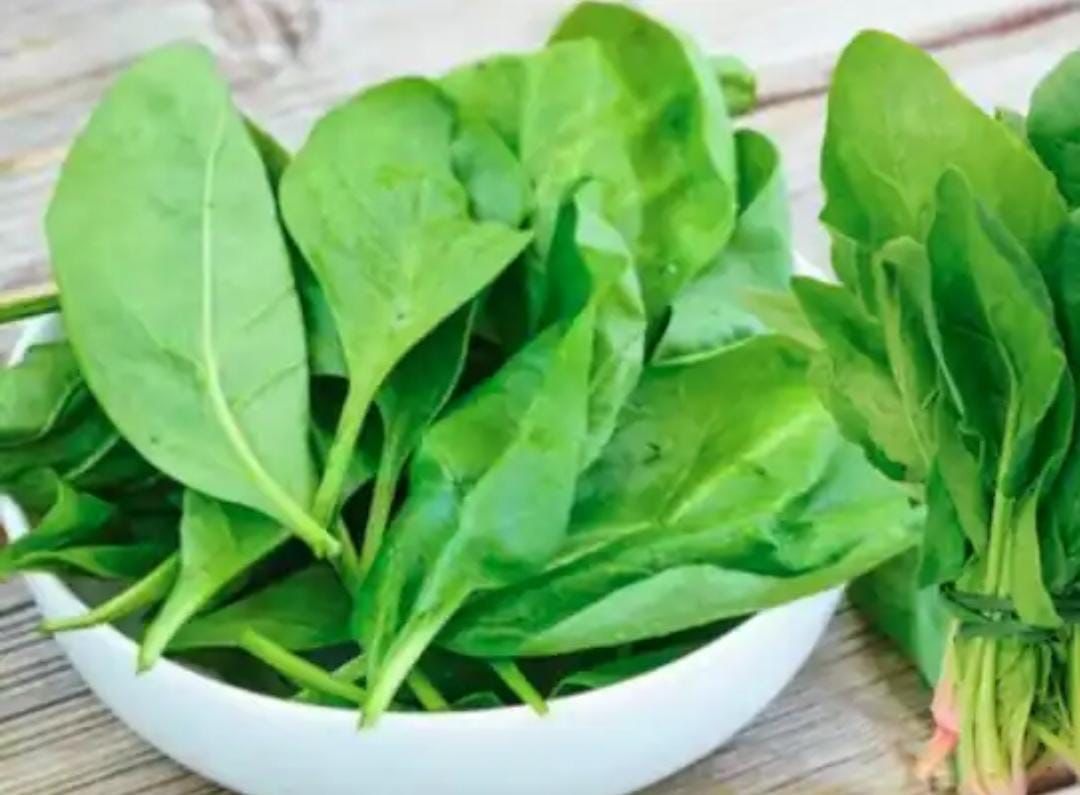
Ultimate Guide to Using Spinach for Period Pain Relief: A Natural Solution

Period pain, also known as dysmenorrhea, affects many women, causing discomfort like cramps, bloating, and fatigue. While medication and rest are commonly used to alleviate these symptoms, spinach offers a natural and effective remedy. Packed with essential nutrients, spinach is not just a healthy food option, but a great choice for managing period pain relief.

How Spinach Helps Relieve Period Pain

Spinach is rich in iron, a vital mineral that helps combat fatigue often associated with menstruation. During periods, women experience a decrease in iron levels due to blood loss, which can exacerbate fatigue and increase the severity of cramps. By incorporating spinach into your diet, you can replenish iron levels, reduce fatigue, and ease period discomfort.

Spinach is also an excellent source of magnesium, a key mineral that has been proven to reduce period pain. Magnesium inhibits the release of prostaglandins, hormones that cause muscle contractions, which in turn alleviates cramping and pain during menstruation.

Nutritional Benefits of Spinach

In addition to iron and magnesium, spinach is loaded with calcium, vitamin K, and antioxidants. These nutrients provide numerous health benefits:

  • Calcium and vitamin K support bone and teeth health.
  • Antioxidants protect eye health and contribute to overall well-being.
  • Regular consumption of spinach supports heart health, making it an excellent addition to any balanced diet.

Spinach is also known for its low glycemic index, making it an ideal food choice for diabetics and those looking to manage their weight. It helps control appetite and keeps you feeling fuller for longer, preventing unnecessary cravings.

Top FAQ's about Spinach for Period Pain Relief

  1. How does spinach help with period pain? Spinach helps relieve period pain by replenishing iron levels and providing magnesium, which reduces muscle contractions and inflammation responsible for cramps.

  2. Is spinach good for anemia during periods? Yes, spinach is high in iron, which helps replenish iron levels lost during menstruation and can prevent or alleviate symptoms of anemia.

  3. Can I eat spinach every day for better health? Yes, regular consumption of spinach can provide a wide range of health benefits, including better digestion, improved heart health, and stronger bones and teeth.

  4. Can spinach help reduce menstrual bloating? Spinach’s rich content of magnesium can help alleviate bloating and water retention associated with menstruation.

  5. Is spinach safe to eat during periods? Absolutely! Spinach is a healthy, nutritious food that can be included in your diet during periods to help reduce pain and fatigue.

Conclusion

Spinach is more than just a delicious vegetable—it's a powerful ally in alleviating period pain and improving overall health. Its high content of iron, magnesium, and other nutrients make it a perfect addition to your diet, especially during menstruation. By incorporating spinach into your meals, you can combat fatigue, reduce cramps, and maintain good health throughout the month. So, the next time you’re experiencing period discomfort, reach for spinach for natural relief.

DISCLAIMER:

THIS WEBSITE DOES NOT PROVIDE MEDICAL OR OTHER PROFESSIONAL ADVICE. The information provided on this website (blog), including but not limited to text, graphics, images, and other materials, is for informational purposes only. It is not intended to serve as a substitute for professional medical, legal, or any other kind of advice. Always seek the guidance of a qualified professional or relevant authorities with any questions you may have regarding information you read on this website. This includes any content found in Healthy Roots & Habits Blog, articles, website, social media channels, and written by the authors.

Featured Post

Healthy Foods That Aren’t Actually Healthy: Debunking Common Food Myths

When it comes to healthy eating, we all want to make the right choices. But what if some of the foods you think are healthy aren't actua...