Showing posts with label Wound Healing. Show all posts

Wednesday, April 23, 2025

Goose Grass Benefits and Side Effects: A Natural Remedy for Various Ailments

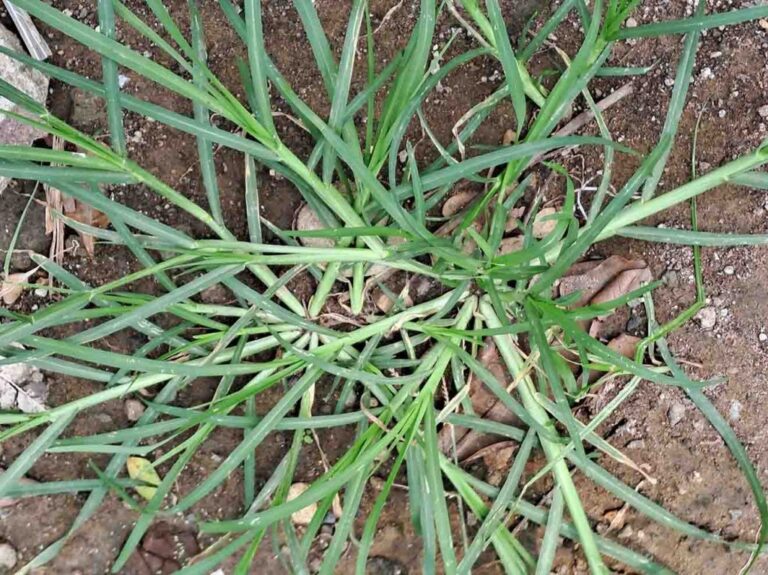
In the vast world of herbal medicine, some plants are easily overlooked due to their commonness or perceived insignificance. Goose grass, scientifically known as Eleusine indica, is one such unassuming plant. Despite its reputation as a mere weed, goose grass boasts an impressive list of health benefits that have been recognized for centuries in various traditional medicine systems across the world.


From wound healing and reducing inflammation to potentially helping with diabetes and liver health, goose grass deserves more attention than it typically gets. In this article, we’ll explore the many goose grass benefits, how to use it, and important considerations for its safe use.

What is Goose Grass?

Also known as wiregrass, yard grass, or crowfoot grass, goose grass is a common weed that belongs to the Poaceae family, the same family as cereal grains like wheat and rice. While it’s often found in lawns and fields around the world, goose grass has been used in traditional medicine in Asia, Africa, and South America for its medicinal properties.

Traditional Uses of Goose Grass:

  • Wound Healing: Goose grass is renowned for its astringent properties, which help promote faster healing of wounds. It is believed to stop bleeding, reduce inflammation, and accelerate recovery.

  • Anti-inflammatory: The plant has anti-inflammatory effects that make it useful for treating conditions such as arthritis, skin rashes, and digestive issues.

  • Diuretic: Goose grass is a natural diuretic, meaning it helps increase urine production, which can be beneficial for conditions like urinary tract infections (UTIs) and edema (fluid retention).

  • Antipyretic: In traditional medicine, goose grass has been used to reduce fever.

  • Digestive Health: Goose grass has also been used to treat conditions like diarrhea, dysentery, and liver-related problems.

Potential Health Benefits of Goose Grass:

In addition to its traditional uses, several studies suggest that goose grass has a range of potential health benefits, including:

  • Antioxidant Properties: Goose grass is rich in antioxidants like flavonoids and phenolic compounds, which protect cells from damage by free radicals. This can help lower the risk of chronic diseases and support overall health.

  • Anti-inflammatory Effects: Research has shown that goose grass has anti-inflammatory effects, which can help reduce swelling and pain associated with conditions like arthritis and skin problems.

  • Anti-diabetic Potential: Some studies suggest that goose grass may help regulate blood sugar levels, making it a potential ally for individuals with diabetes or those at risk.

  • Liver Health: Animal studies have shown that goose grass may offer protective effects for the liver, though more research is needed to confirm its efficacy in humans.

  • Wound Healing: Confirming its traditional use, studies suggest that goose grass can accelerate the healing of wounds by reducing inflammation and promoting tissue repair.

  • Antimicrobial Activity: Goose grass may also possess antimicrobial properties, which could help fight off harmful bacteria and fungi.

How to Use Goose Grass

Goose grass can be used in a variety of ways to unlock its health benefits:

  • Goose Grass Juice: Extract juice from fresh goose grass leaves and drink it on an empty stomach for maximum benefit.

  • Goose Grass Tea: Dry the leaves and brew them into a soothing herbal tea.

  • Poultice: Crush fresh goose grass leaves into a paste and apply it directly to wounds or irritated skin for fast relief.

Important Considerations:

  • Source and Preparation: Make sure to obtain goose grass from a clean and safe source. Always wash it thoroughly before consumption or topical use.

  • Dosage: Since herbal remedies can vary in potency, it’s important to consult with a healthcare professional or herbalist to determine the appropriate dosage for your needs.

  • Allergies: While goose grass is generally safe, some individuals may be allergic to it. Always perform a patch test before using it on your skin or consume a small amount initially.

  • Pregnancy and Breastfeeding: If you are pregnant or breastfeeding, consult a healthcare professional before using goose grass.

Top FAQs About Goose Grass

  1. Is Goose Grass an Herb? Yes, goose grass is considered an herb in traditional medicine due to its medicinal properties.

  2. What Are the Benefits of Goose Grass? Goose grass can help with wound healing, inflammation, diabetes, liver health, and acts as a natural diuretic.

  3. Is Goose Grass Good for Kidneys? Goose grass has diuretic properties that may help with urinary tract infections (UTIs) and promote kidney health by flushing out toxins.

  4. What Vitamins Are in Goose Grass? Goose grass is rich in antioxidants and compounds like flavonoids, which help support overall health.

  5. What Are the Side Effects of Goose Grass? While generally safe, excessive consumption or topical use without proper preparation may cause allergies in some individuals.


Conclusion

Goose grass, often dismissed as a mere weed, is a powerful herb with a wide range of potential health benefits. Whether you're seeking a remedy for wound healing, anti-inflammatory effects, or support for diabetes, this humble plant could be a valuable addition to your natural health toolkit.

Incorporating goose grass into your daily routine, whether through juice, tea, or topical application, can help improve your overall well-being. Remember, always consult a healthcare professional before starting any new herbal remedy, especially if you have underlying health conditions.

For optimal health and wellness, don't forget to prioritize regular health checkups and explore the benefits of natural remedies like goose grass to support your journey toward a healthier lifestyle.

Wednesday, April 2, 2025

Aloe Vera: The Miracle Plant for Skin, Digestion, and Diabetes Management

Aloe Vera is known for its numerous health benefits, ranging from soothing burns to aiding digestion and even managing blood sugar levels. This versatile plant has been used for centuries due to its healing properties, making it a valuable addition to any holistic health routine. In this article, we’ll explore how Aloe Vera can improve your health, focusing on its benefits for the skin, digestive system, and blood sugar management.

Aloe Vera for Skin Health

Aloe Vera is perhaps most famous for its ability to soothe and heal the skin. Its cooling, anti-inflammatory, and antioxidant properties make it an excellent remedy for various skin conditions.

  • Soothing and Healing: Aloe Vera gel is widely used to treat burns, sunburns, and minor skin irritations. Its cooling effect helps reduce pain and inflammation, promoting faster healing.

  • Wound Healing: Research suggests that Aloe Vera accelerates wound healing, including burns, ulcers, and genital herpes. Its antimicrobial and anti-inflammatory properties play a vital role in this healing process.

  • Facial Skin Conditions: Aloe Vera may also help improve facial skin conditions such as acne, redness, and irritation. While more research is needed, combining Aloe Vera with other treatments could potentially lead to clearer, healthier skin.

  • Anti-inflammatory Properties: The anti-inflammatory compounds in Aloe Vera help reduce swelling and redness, which can benefit various skin conditions like eczema, psoriasis, and acne.

Aloe Vera for Digestive Health

Aloe Vera’s benefits extend beyond skin care. It also supports digestive health by promoting better digestion and gut function.

  • Digestive Aid: Aloe Vera stimulates the production of gastric juices, which may improve digestion and help relieve constipation. This promotes smoother bowel movements and overall digestive comfort.

  • Ulcer Relief: Aloe Vera has been shown in some studies to help reduce the likelihood of developing stomach ulcers by soothing the digestive tract and reducing irritation.

Aloe Vera for Diabetes Management

Aloe Vera is also gaining recognition for its potential to manage blood sugar levels, making it a valuable addition to the diet of those with diabetes or pre-diabetes.

  • Blood Sugar Control: Several studies suggest that Aloe Vera can help lower blood sugar levels and improve insulin sensitivity. This is particularly beneficial for individuals with diabetes or pre-diabetes, helping to stabilize glucose levels.

  • Reducing HbA1c Levels: Aloe Vera may also help lower HbA1c levels, a marker of long-term blood sugar control. By improving blood sugar regulation, Aloe Vera could play a role in managing diabetes more effectively.

Other Potential Benefits of Aloe Vera

  • Antioxidant Properties: Aloe Vera is rich in antioxidants, which help neutralize harmful free radicals in the body. This helps protect cells from damage, reducing the risk of chronic diseases and promoting overall health.

  • Hydration: Aloe Vera is known to help hydrate the skin and body, contributing to better skin elasticity and overall wellness.

Conclusion

Aloe Vera is a powerhouse of health benefits. Whether you’re using it for skin healing, improving digestion, or managing blood sugar levels, Aloe Vera is a natural remedy with far-reaching advantages. It’s time to add this miracle plant to your daily wellness routine for its diverse and impactful benefits.


Top FAQs:

  1. What are the main health benefits of Aloe Vera? Aloe Vera helps with skin healing, digestion, blood sugar control, and offers antioxidant protection. It’s also known for reducing inflammation and soothing minor burns and irritations.

  2. How does Aloe Vera help with digestion? Aloe Vera aids digestion by stimulating gastric juice production, improving bowel movements, and potentially reducing constipation. It can also soothe the digestive tract, reducing irritation and promoting better digestion.

  3. Can Aloe Vera help with diabetes management? Yes, Aloe Vera has been shown to help lower blood sugar levels, improve insulin sensitivity, and potentially reduce HbA1c levels, which is beneficial for individuals with diabetes or pre-diabetes.

  4. Is Aloe Vera safe for skin use? Aloe Vera is generally safe for most people and is widely used for treating burns, sunburns, acne, and other skin conditions. However, it's best to do a patch test before applying it to larger areas to ensure no allergic reaction occurs.

  5. How can I use Aloe Vera for facial acne? Aloe Vera gel can be applied directly to the skin to reduce inflammation, redness, and irritation associated with acne. For best results, combine Aloe Vera with other acne treatments and use it consistently.

Tuesday, March 25, 2025

The Miracle Leaf of Life: 11 Surprising Health Benefits You Need to Know

When it comes to natural remedies, The Miracle Leaf of Life (Bryophyllum pinnatum) is nothing short of a powerhouse. Native to Madagascar, this succulent plant is packed with medicinal properties that have been used for centuries in tropical regions. In this article, we’ll explore the many health benefits of this incredible plant and why you should consider incorporating it into your wellness routine.

1. Respiratory Health

The Miracle Leaf of Life is a fantastic natural remedy for various respiratory issues. It is particularly effective for asthma, bronchitis, and persistent coughs. Drinking tea made from the leaves helps soothe the throat, clear the airways, and provide relief from respiratory discomfort.

2. Wound Healing

Thanks to its antimicrobial and anti-inflammatory properties, the Miracle Leaf of Life is a great aid in wound healing. Applying a poultice of crushed leaves to cuts, burns, or bruises helps promote faster healing and reduce infection risks.

3. Antiviral and Antibacterial Properties

This miraculous plant contains flavonoids and phenolic acids that offer impressive antiviral and antibacterial properties. It has been traditionally used to fight viral infections like herpes and bacterial ones like E. coli and Staphylococcus aureus.

4. Anti-inflammatory Benefits

Inflammation is at the root of many chronic health issues, including arthritis and rheumatism. The Miracle Leaf of Life offers natural relief by reducing inflammation and swelling, providing comfort and alleviating pain.

5. Digestive Health

If you suffer from digestive issues like constipation or stomach aches, the Miracle Leaf of Life may help. Its soothing properties aid in digestion and support overall gut health. Drinking its tea can promote a healthier digestive system.

6. Kidney Stone Prevention

One of the most notable benefits of this plant is its ability to prevent and treat kidney stones. Consuming extracts from the leaves can help dissolve kidney stones and promote their natural expulsion, reducing the chances of recurrence.

7. Immune System Boost

Packed with antioxidants, the Miracle Leaf of Life can strengthen your immune system. It helps the body fight off oxidative stress, making it more resilient to infections and diseases.

8. Skin Health

The anti-inflammatory and antimicrobial properties of this plant make it a great option for treating skin conditions like acne, eczema, and psoriasis. Applying the leaf extract can soothe irritated skin and promote healing.

9. Pain Relief

Suffering from chronic pain? The Miracle Leaf of Life can offer natural pain relief. Its anti-inflammatory compounds can help alleviate muscle pain, headaches, and the pain associated with conditions like arthritis.

10. Blood Sugar Regulation

For those managing diabetes, The Miracle Leaf of Life can play a vital role in blood sugar regulation. Studies show that it can help maintain stable glucose levels and prevent harmful spikes in blood sugar.

11. Cardiovascular Health

The Miracle Leaf of Life also supports heart health by helping lower high blood pressure and cholesterol levels. Its diuretic properties assist in fluid removal, which aids in reducing blood pressure, while its antioxidants maintain healthy cholesterol levels.

Conclusion

The Miracle Leaf of Life (Bryophyllum pinnatum) is truly nature’s gift to our health. From respiratory relief to wound healing and improved digestion, this versatile plant offers numerous health benefits. Whether you’re looking to boost your immune system, reduce inflammation, or treat skin conditions, the Miracle Leaf of Life could be your natural solution. However, remember to consult a healthcare professional before incorporating it into your health routine, especially if you have existing conditions or are on medication.

Embrace the healing power of nature with The Miracle Leaf of Life and enjoy the many ways it can enhance your well-being.

Friday, March 21, 2025

Health Benefits of Goose Grass: A Natural Remedy for Wound Healing, Inflammation, and More

Nature offers us an abundance of health-enhancing plants, and goose grass (Eleusine indica) is one such hidden gem. Despite being labeled a common weed, goose grass has a rich history in traditional medicine and is known for its potent health benefits. From promoting wound healing to managing inflammation, diabetes, and liver health, goose grass offers a variety of healing properties.

In this comprehensive guide, we will explore the traditional uses and potential health benefits of goose grass, and how this natural herb can support your overall wellness journey.

Goose Grass: A Closer Look

Goose grass, commonly known as wiregrass or crowfoot grass, is a weed that grows in fields and lawns. Part of the Poaceae family, which also includes cereal grains like wheat and rice, goose grass has been used in folk medicine in regions such as Asia, Africa, and South America. Although often seen as a nuisance in gardens, this resilient plant has a variety of medicinal uses that make it invaluable to natural health practitioners.

Traditional Uses of Goose Grass

1. Wound Healing

Goose grass has long been used in traditional medicine for its ability to promote wound healing. Its astringent and anti-inflammatory properties help stop bleeding and reduce inflammation, accelerating the healing process.

2. Anti-Inflammatory

The herb is frequently used to treat inflammation-related conditions, including arthritis, skin rashes, and digestive problems. Goose grass helps reduce swelling and provides relief from pain associated with inflammation.

3. Diuretic

Known for its diuretic effects, goose grass increases urine production, which can be beneficial for individuals suffering from urinary tract infections (UTIs) or edema (fluid retention).

4. Antipyretic

Goose grass has also been used to reduce fever. Its ability to balance the body’s internal temperature makes it a common remedy for feverish conditions.

5. Other Traditional Uses

Goose grass has a long list of additional uses, including the treatment of diarrhea, dysentery, liver problems, and various skin diseases. It is considered an essential part of holistic healing in many cultures.

Potential Health Benefits of Goose Grass

1. Antioxidant Properties

Goose grass is rich in antioxidants, including flavonoids and phenolic compounds. These compounds help protect cells from damage caused by free radicals, potentially reducing the risk of chronic diseases such as cancer and heart disease.

2. Anti-Inflammatory Effects

Modern studies confirm that goose grass extracts contain anti-inflammatory properties, further supporting its traditional use in reducing inflammation in conditions like arthritis, skin conditions, and gastrointestinal issues.

3. Anti-Diabetic Potential

Some research has shown that goose grass may help regulate blood sugar levels, making it potentially beneficial for those with diabetes or at risk of developing the condition. It helps improve insulin sensitivity and may aid in managing blood sugar.

4. Liver Protective Effects

Animal studies suggest that goose grass might help protect the liver from damage, potentially preventing liver diseases. However, more research is needed to confirm these effects in humans.

5. Wound Healing

Studies have supported the traditional use of goose grass for accelerating wound healing. Its anti-inflammatory properties contribute to reducing swelling and promoting faster recovery.

6. Antimicrobial Activity

Goose grass may have antimicrobial effects, which could help fight against certain bacterial and fungal infections, making it a natural remedy for skin ailments.

How to Use Goose Grass

Goose grass can be consumed or applied in various forms:

1. Juice

Fresh goose grass leaves can be juiced and consumed on an empty stomach to take advantage of its detoxifying and healing properties.

2. Tea

Dried goose grass leaves can be brewed into a tea, offering a soothing and healing drink that supports digestion, inflammation relief, and detoxification.

3. Poultice

A poultice made from crushed goose grass leaves can be applied topically to wounds or irritated skin to promote healing and reduce inflammation.

Important Considerations

While goose grass offers many health benefits, there are a few important considerations to keep in mind:

  • Source and Preparation: Ensure that you obtain goose grass from a clean, pesticide-free source. Wash it thoroughly before consumption or topical use.
  • Dosage: Consult a healthcare professional or herbalist to determine the appropriate dosage for your needs.
  • Allergies: Some individuals may be allergic to goose grass. It’s recommended to perform a patch test before applying it topically or consult a doctor before ingesting it.
  • Pregnancy and Breastfeeding: Pregnant or breastfeeding women should consult a healthcare provider before using goose grass.

Top FAQs About Goose Grass

Q1: What are the health benefits of goose grass?
Goose grass is known for its wound healing, anti-inflammatory, diuretic, and antimicrobial properties. It is also believed to help regulate blood sugar and protect liver health.

Q2: How can I use goose grass at home?
You can use goose grass in various forms, such as fresh juice, dried tea, or a poultice for topical applications.

Q3: Is goose grass safe to consume?
Goose grass is generally safe when consumed in moderate amounts. However, it’s important to consult a healthcare provider, especially if you’re pregnant, breastfeeding, or on medication.

Q4: Can goose grass help with diabetes?
Some studies suggest that goose grass may help regulate blood sugar levels, making it beneficial for individuals with diabetes or those at risk.

Q5: How does goose grass help with wound healing?
Goose grass contains anti-inflammatory and astringent properties that promote faster healing of wounds by reducing inflammation and supporting tissue regeneration.


Conclusion

Goose grass may be a humble weed, but its potential health benefits are far from ordinary. From wound healing and inflammation reduction to its possible effects on diabetes and liver health, goose grass offers a wide array of natural remedies. By incorporating this herb into your wellness routine and maintaining a balanced lifestyle, you can harness its power for better health and vitality.

So, the next time you spot goose grass growing in your yard or field, remember that nature has provided a powerful ally for your health, right under your nose.


Conclusion Label:
Goose Grass, Health Benefits, Traditional Medicine, Herbal Remedies, Wound Healing, Anti-Inflammatory, Diabetes, Liver Health, Herbal Tea, Natural Healing

DISCLAIMER:

THIS WEBSITE DOES NOT PROVIDE MEDICAL OR OTHER PROFESSIONAL ADVICE. The information provided on this website (blog), including but not limited to text, graphics, images, and other materials, is for informational purposes only. It is not intended to serve as a substitute for professional medical, legal, or any other kind of advice. Always seek the guidance of a qualified professional or relevant authorities with any questions you may have regarding information you read on this website. This includes any content found in Healthy Roots & Habits Blog, articles, website, social media channels, and written by the authors.

Featured Post

Healthy Foods That Aren’t Actually Healthy: Debunking Common Food Myths

When it comes to healthy eating, we all want to make the right choices. But what if some of the foods you think are healthy aren't actua...