Showing posts with label Traditional medicine. Show all posts

Monday, April 28, 2025

Asthma Plant (Euphorbia Hirta) Benefits & Side Effects: A Comprehensive Guide

Euphorbia hirta, commonly known as asthma plant or garden spurge, is a small but powerful herb that has been used for centuries in traditional medicine. Known for its ability to treat respiratory conditions like asthma and bronchitis, this plant offers a wide range of health benefits. However, like any medicinal plant, Euphorbia hirta also has potential side effects that should be understood before use.


In this article, we will take an in-depth look at Euphorbia hirta’s benefits, traditional uses, and possible side effects, helping you make informed decisions about incorporating this natural remedy into your wellness routine.


What is Euphorbia Hirta?

Euphorbia hirta is a small, annual herb that belongs to the Euphorbiaceae family. It's easily recognized by its hairy stems and oval-shaped leaves. This plant is native to tropical and subtropical regions and is widely used in various traditional medicine systems due to its medicinal properties.

Euphorbia hirta contains a range of bioactive compounds that contribute to its health benefits, including flavonoids, tannins, phenolic compounds, alkaloids, and terpenoids. These compounds work together to provide anti-inflammatory, antioxidant, and antimicrobial properties.


Traditional Uses of Euphorbia Hirta

Euphorbia hirta has been used for centuries in folk medicine for a wide array of ailments, particularly those affecting the respiratory and digestive systems. Some common traditional uses include:

  1. Respiratory Ailments: Euphorbia hirta is often used to treat conditions like asthma, bronchitis, and chronic coughs. It acts as a bronchodilator, expectorant, and anti-inflammatory agent, helping to clear the airways and reduce inflammation.

  2. Gastrointestinal Issues: The plant has been traditionally used to treat digestive problems such as diarrhea, dysentery, and intestinal worms.

  3. Skin Conditions: Euphorbia hirta is also applied topically to help with skin conditions such as eczema, wounds, and warts.

  4. Other Health Issues: It has been used in traditional medicine for treating fever, malaria, and even snakebites.


Health Benefits of Euphorbia Hirta

Euphorbia hirta has several scientifically-backed health benefits that may help with various health conditions:

  1. Anti-inflammatory Effects: Studies suggest that Euphorbia hirta has powerful anti-inflammatory properties. It may help reduce inflammation in conditions such as asthma, arthritis, and other inflammatory diseases.

  2. Anti-asthmatic Properties: One of the key benefits of Euphorbia hirta is its ability to improve lung function. It may reduce asthma symptoms by relaxing the airways and helping to clear mucus from the lungs.

  3. Antioxidant Properties: Euphorbia hirta contains antioxidants that can help protect the body’s cells from oxidative stress, which may reduce the risk of chronic diseases like heart disease and cancer.

  4. Anti-diarrheal Effects: Euphorbia hirta has shown potential in controlling diarrhea and dysentery, making it beneficial for digestive health.

  5. Antimicrobial Activity: Some studies indicate that Euphorbia hirta may have antimicrobial properties, which could help in fighting bacterial and fungal infections.


How to Use Euphorbia Hirta

Euphorbia hirta can be used in several ways depending on your health needs. Here are some common methods:

  1. Decoction: Boil the leaves or the whole plant in water to create a decoction. This method is often used to treat respiratory and digestive issues.

  2. Juice: Fresh Euphorbia hirta leaves can be crushed to extract juice. Consume this in small amounts for respiratory benefits and overall health.

  3. Poultice: For skin conditions, apply a poultice made from crushed Euphorbia hirta leaves directly to the affected area. It can help with eczema, wounds, and skin irritations.


Potential Side Effects of Euphorbia Hirta

While Euphorbia hirta is generally considered safe when used in moderation, there are a few potential side effects to be aware of:

  1. Digestive Upset: Large quantities of Euphorbia hirta may cause stomach upset, nausea, or diarrhea in some individuals.

  2. Allergic Reactions: Rarely, people may be allergic to Euphorbia hirta. If you experience any allergic reactions, such as rash, itching, or difficulty breathing, discontinue use immediately and seek medical help.

  3. Pregnancy and Breastfeeding: Pregnant or breastfeeding women should consult their doctor before using Euphorbia hirta, as there is insufficient research to confirm its safety during pregnancy and lactation.

  4. Drug Interactions: Euphorbia hirta may interact with certain medications. If you are taking any prescription drugs, consult your healthcare provider before using this plant.


Top FAQs About Euphorbia Hirta

Q1. Is Euphorbia Hirta safe for everyone?
A1. While generally safe for most people, Euphorbia hirta may cause digestive issues in some individuals, especially when consumed in large amounts. Always consult a healthcare provider before use, especially for pregnant or breastfeeding women.

Q2. How do I prepare Euphorbia Hirta for asthma treatment?
A2. You can prepare a decoction by boiling Euphorbia hirta leaves or the whole plant in water. Drink this decoction in small amounts to help with asthma and respiratory issues.

Q3. Can Euphorbia Hirta be used topically for skin conditions?
A3. Yes, Euphorbia hirta can be used topically as a poultice for skin conditions like eczema, wounds, and warts.

Q4. What are the main health benefits of Euphorbia Hirta?
A4. Euphorbia hirta is known for its anti-inflammatory, anti-asthmatic, antioxidant, anti-diarrheal, and antimicrobial properties.

Q5. Can Euphorbia Hirta interact with medications?
A5. Yes, Euphorbia hirta may interact with certain medications. It’s important to consult a healthcare provider before use, especially if you're taking prescription medications.


Conclusion

Euphorbia hirta, or the asthma plant, is a powerful herb with a wide range of health benefits, particularly for respiratory and digestive issues. Its anti-inflammatory, anti-asthmatic, and antioxidant properties make it a valuable addition to natural wellness practices. However, it’s important to use this plant with caution and be aware of potential side effects. Always consult with a healthcare professional before adding new herbal remedies to your routine, especially if you're pregnant, breastfeeding, or on medication.

Friday, April 4, 2025

Acalypha Indica: The Healing Herb for Respiratory, Digestive, and Skin Problems

At Healthy Roots & Habits, we are always on the lookout for natural remedies that can improve our overall well-being. Today, we delve into the wonders of Acalypha Indica, a powerful herb with numerous therapeutic benefits that have been embraced by traditional medicine for centuries. This versatile plant, native to tropical regions such as India, Indochina, and Africa, offers a range of healing properties that can support your health in various ways.

What Is Acalypha Indica?

Acalypha Indica, also known as Indian Nettle or Acalypha, belongs to the Euphorbiaceae family and grows widely across tropical regions. It can grow up to 1 meter in height and is characterized by its distinctive cup-shaped involucre that surrounds its flowers. Its therapeutic benefits are attributed to the potent bioactive compounds it contains, such as alkaloids, flavonoids, glycosides, steroids, and triterpenoids. These compounds give the plant anti-inflammatory, antibacterial, anti-cancer, and diuretic properties, making it an effective natural remedy for a variety of health issues.

Medicinal Uses of Acalypha Indica

Acalypha Indica has a long history of use in traditional medicine, particularly in treating skin infections, respiratory issues, and digestive problems. Here’s a closer look at its various applications:

1. Skin Care and Healing

  • Skin Infections: Acalypha Indica is widely known for its ability to treat skin ailments such as eczema, scabies, boils, and wounds. Crushed leaves or leaf paste can be applied topically to promote healing and act as an antiseptic.

  • Scabies Treatment: In many communities, the leaf sap or ground leaves mixed with water is used as a topical application for scabies, while a leaf decoction is used to cleanse the skin and eliminate parasites.

  • Wound Healing: The leaf powder is also effective in promoting faster wound healing due to its antiseptic properties.

2. Respiratory Health

  • Acalypha Indica is considered an excellent remedy for respiratory conditions such as asthma, bronchitis, and pneumonia. The decoction made from the whole plant can be used as an expectorant to relieve congestion and clear the airways.

  • The plant’s anti-inflammatory properties help reduce inflammation in the lungs, making it useful for chronic respiratory conditions like asthma.

3. Digestive Health

  • Anti-Helminthic Action: Acalypha Indica is known for its ability to expel intestinal worms. A decoction made from leaf powder and garlic can treat intestinal worms effectively.

  • Digestive Aid: It can also act as a laxative, helping to treat constipation and promote regular bowel movements.

4. Joint and Muscle Pain

  • The decoction of Acalypha Indica is often used as a massage cream to relieve joint pain and muscle soreness. It is particularly beneficial for those suffering from rheumatoid arthritis or other inflammatory conditions.

5. Additional Benefits

  • Ear Infections: The leaf decoction can be dropped into the ears to treat earache and ear infections.

  • Anti-Cancer Properties: The plant contains compounds that have shown potential in inhibiting the growth of cancer cells, making it an important herb for cancer prevention.

  • Diabetes Management: The root decoction is used to regulate blood sugar levels, making it helpful for those managing diabetes.

Top FAQs About Acalypha Indica

1. What is Acalypha Indica used for?
Acalypha Indica is used to treat a wide range of ailments, including skin infections, respiratory issues, digestive problems, joint pain, and even cancer prevention.

2. How do you use Acalypha Indica for skin infections?
You can crush the leaves into a paste and apply it directly to the affected area. It helps to reduce inflammation and promotes healing.

3. Can Acalypha Indica be used for respiratory conditions?
Yes, a decoction made from the plant can be used as an expectorant for conditions like asthma, pneumonia, and bronchitis.

4. Is Acalypha Indica safe to use?
When used in appropriate amounts, Acalypha Indica is safe for most people. However, it’s important to consult with a healthcare professional before using it, especially for pregnant or breastfeeding women.

5. Can Acalypha Indica be used for digestive problems?
Yes, Acalypha Indica is effective in treating digestive issues like constipation and intestinal worms, especially through the use of its leaf decoctions.

Conclusion

Acalypha Indica is more than just a tropical plant; it’s a powerful herbal remedy with numerous health benefits. From treating skin infections and respiratory problems to promoting digestive health and reducing inflammation, this versatile herb has earned its place in traditional medicine. If you’re looking for a natural remedy to enhance your well-being, consider incorporating Acalypha Indica into your health routine. Always consult with a healthcare provider to ensure it’s the right fit for your specific needs.

Start your journey to holistic health today with Acalypha Indica, a natural solution for a variety of ailments!

Friday, March 21, 2025

Health Benefits of Goose Grass: A Natural Remedy for Wound Healing, Inflammation, and More

Nature offers us an abundance of health-enhancing plants, and goose grass (Eleusine indica) is one such hidden gem. Despite being labeled a common weed, goose grass has a rich history in traditional medicine and is known for its potent health benefits. From promoting wound healing to managing inflammation, diabetes, and liver health, goose grass offers a variety of healing properties.

In this comprehensive guide, we will explore the traditional uses and potential health benefits of goose grass, and how this natural herb can support your overall wellness journey.

Goose Grass: A Closer Look

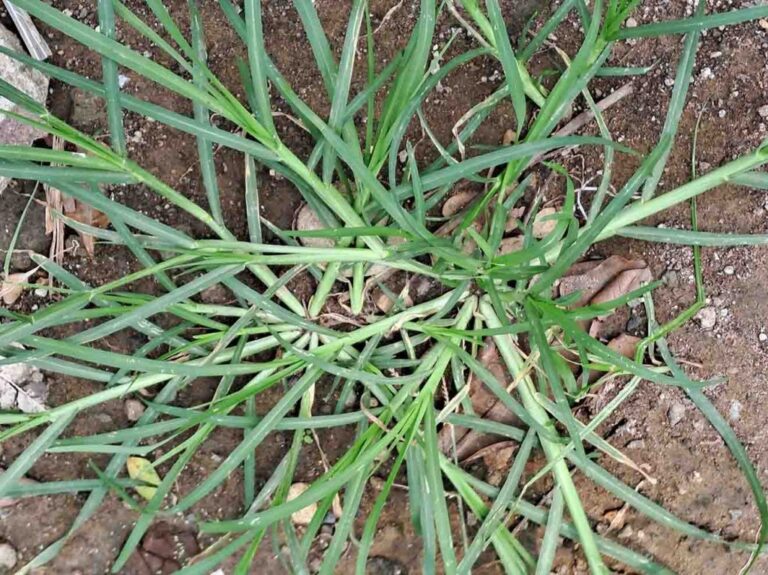
Goose grass, commonly known as wiregrass or crowfoot grass, is a weed that grows in fields and lawns. Part of the Poaceae family, which also includes cereal grains like wheat and rice, goose grass has been used in folk medicine in regions such as Asia, Africa, and South America. Although often seen as a nuisance in gardens, this resilient plant has a variety of medicinal uses that make it invaluable to natural health practitioners.

Traditional Uses of Goose Grass

1. Wound Healing

Goose grass has long been used in traditional medicine for its ability to promote wound healing. Its astringent and anti-inflammatory properties help stop bleeding and reduce inflammation, accelerating the healing process.

2. Anti-Inflammatory

The herb is frequently used to treat inflammation-related conditions, including arthritis, skin rashes, and digestive problems. Goose grass helps reduce swelling and provides relief from pain associated with inflammation.

3. Diuretic

Known for its diuretic effects, goose grass increases urine production, which can be beneficial for individuals suffering from urinary tract infections (UTIs) or edema (fluid retention).

4. Antipyretic

Goose grass has also been used to reduce fever. Its ability to balance the body’s internal temperature makes it a common remedy for feverish conditions.

5. Other Traditional Uses

Goose grass has a long list of additional uses, including the treatment of diarrhea, dysentery, liver problems, and various skin diseases. It is considered an essential part of holistic healing in many cultures.

Potential Health Benefits of Goose Grass

1. Antioxidant Properties

Goose grass is rich in antioxidants, including flavonoids and phenolic compounds. These compounds help protect cells from damage caused by free radicals, potentially reducing the risk of chronic diseases such as cancer and heart disease.

2. Anti-Inflammatory Effects

Modern studies confirm that goose grass extracts contain anti-inflammatory properties, further supporting its traditional use in reducing inflammation in conditions like arthritis, skin conditions, and gastrointestinal issues.

3. Anti-Diabetic Potential

Some research has shown that goose grass may help regulate blood sugar levels, making it potentially beneficial for those with diabetes or at risk of developing the condition. It helps improve insulin sensitivity and may aid in managing blood sugar.

4. Liver Protective Effects

Animal studies suggest that goose grass might help protect the liver from damage, potentially preventing liver diseases. However, more research is needed to confirm these effects in humans.

5. Wound Healing

Studies have supported the traditional use of goose grass for accelerating wound healing. Its anti-inflammatory properties contribute to reducing swelling and promoting faster recovery.

6. Antimicrobial Activity

Goose grass may have antimicrobial effects, which could help fight against certain bacterial and fungal infections, making it a natural remedy for skin ailments.

How to Use Goose Grass

Goose grass can be consumed or applied in various forms:

1. Juice

Fresh goose grass leaves can be juiced and consumed on an empty stomach to take advantage of its detoxifying and healing properties.

2. Tea

Dried goose grass leaves can be brewed into a tea, offering a soothing and healing drink that supports digestion, inflammation relief, and detoxification.

3. Poultice

A poultice made from crushed goose grass leaves can be applied topically to wounds or irritated skin to promote healing and reduce inflammation.

Important Considerations

While goose grass offers many health benefits, there are a few important considerations to keep in mind:

  • Source and Preparation: Ensure that you obtain goose grass from a clean, pesticide-free source. Wash it thoroughly before consumption or topical use.
  • Dosage: Consult a healthcare professional or herbalist to determine the appropriate dosage for your needs.
  • Allergies: Some individuals may be allergic to goose grass. It’s recommended to perform a patch test before applying it topically or consult a doctor before ingesting it.
  • Pregnancy and Breastfeeding: Pregnant or breastfeeding women should consult a healthcare provider before using goose grass.

Top FAQs About Goose Grass

Q1: What are the health benefits of goose grass?
Goose grass is known for its wound healing, anti-inflammatory, diuretic, and antimicrobial properties. It is also believed to help regulate blood sugar and protect liver health.

Q2: How can I use goose grass at home?
You can use goose grass in various forms, such as fresh juice, dried tea, or a poultice for topical applications.

Q3: Is goose grass safe to consume?
Goose grass is generally safe when consumed in moderate amounts. However, it’s important to consult a healthcare provider, especially if you’re pregnant, breastfeeding, or on medication.
Q4: Can goose grass help with diabetes?
Some studies suggest that goose grass may help regulate blood sugar levels, making it beneficial for individuals with diabetes or those at risk.

Q5: How does goose grass help with wound healing?
Goose grass contains anti-inflammatory and astringent properties that promote faster healing of wounds by reducing inflammation and supporting tissue regeneration.


Conclusion

Goose grass may be a humble weed, but its potential health benefits are far from ordinary. From wound healing and inflammation reduction to its possible effects on diabetes and liver health, goose grass offers a wide array of natural remedies. By incorporating this herb into your wellness routine and maintaining a balanced lifestyle, you can harness its power for better health and vitality.

So, the next time you spot goose grass growing in your yard or field, remember that nature has provided a powerful ally for your health, right under your nose.


Conclusion Label:
Goose Grass, Health Benefits, Traditional Medicine, Herbal Remedies, Wound Healing, Anti-Inflammatory, Diabetes, Liver Health, Herbal Tea, Natural Healing

Goosegrass in Traditional Medicine: Health Benefits, Uses, and Potential Risks

Goosegrass, also known as Eleusine indica, is a common herb that has been used for centuries in traditional medicine for its impressive health benefits. Often overlooked in modern times, this powerful plant has roots deeply embedded in ancient healing practices. In this article, we will explore the health benefits of goosegrass, its various uses, a simple recipe to incorporate it into your diet, and the potential side effects you should be aware of.

The Health Benefits of Goosegrass

  1. Supports Detoxification
    Goosegrass has been used traditionally to aid in the detoxification of the body. It is believed to help eliminate toxins, promote healthy liver function, and assist in kidney health. The herb acts as a natural diuretic, encouraging the removal of excess fluid from the body, which helps in cleansing and promoting overall well-being.

  2. Promotes Digestive Health
    Consuming goosegrass may help in improving digestion and soothing gastrointestinal discomfort. It is known to have mild laxative effects, promoting regular bowel movements and aiding in the treatment of constipation. The herb’s anti-inflammatory properties can also help soothe the digestive tract and relieve bloating or gas.

  3. Boosts Immune Function
    Packed with antioxidants and nutrients, goosegrass has the ability to strengthen the immune system. It contains compounds that help combat infections and protect the body from harmful pathogens. Regular use of goosegrass can potentially reduce the risk of chronic illnesses and improve overall vitality.

  4. Reduces Inflammation
    Goosegrass has potent anti-inflammatory properties that can help alleviate pain and swelling associated with conditions like arthritis or injuries. It may help to reduce inflammation in the body, providing relief from joint pain, muscle soreness, and other inflammatory conditions.

  5. Supports Skin Health
    The herb is also beneficial for skin health. Goosegrass has antimicrobial properties that make it useful for treating minor skin infections, acne, and wounds. Applying goosegrass-infused oil or tea to affected areas may promote healing and reduce skin irritation.

  6. Helps in Weight Management
    Some studies suggest that goosegrass may aid in weight management by promoting fat burning. The herb’s natural diuretic properties help eliminate excess water weight, and its ability to improve digestion may support a healthier metabolism.

Uses of Goosegrass in Traditional Medicine

Goosegrass is versatile and can be used in various forms:

  • Tea: One of the most common ways to use goosegrass is by brewing it into a tea. Simply steep dried goosegrass leaves in hot water for 10-15 minutes. This tea is known for its detoxifying effects and digestive benefits.
  • Tinctures: Goosegrass tinctures are available, offering a more concentrated form of the herb for therapeutic use.
  • Poultices and Ointments: For external use, goosegrass can be made into a poultice to treat skin ailments such as wounds, burns, and rashes.
  • Powder: The dried and powdered form of goosegrass can be added to smoothies or capsules to incorporate its health benefits into your daily diet.

Goosegrass Recipe: A Simple Detox Tea

Here’s a simple and effective recipe to make goosegrass tea, ideal for detoxification and improving digestion:

Ingredients:

  • 1 tablespoon dried goosegrass leaves
  • 1 cup boiling water
  • Honey (optional, for sweetness)

Instructions:

  1. Add the dried goosegrass leaves to a tea infuser or directly into a cup.
  2. Pour boiling water over the leaves.
  3. Let it steep for 10-15 minutes.
  4. Strain the tea (if necessary) and add honey for a touch of sweetness.
  5. Enjoy this refreshing and detoxifying herbal tea daily.

Potential Side Effects of Goosegrass

While goosegrass offers numerous health benefits, it’s important to be aware of any potential side effects:

  1. Diuretic Effect: Due to its natural diuretic properties, goosegrass may cause frequent urination, which could lead to dehydration if not monitored.
  2. Low Blood Pressure: For individuals with low blood pressure, goosegrass might exacerbate the condition. It is advised to use the herb cautiously if you already suffer from hypotension.
  3. Allergic Reactions: Some people may experience allergic reactions to goosegrass, particularly if they have sensitivities to other plants in the Poaceae family.
  4. Interaction with Medications: As goosegrass can influence blood pressure and fluid balance, it may interact with medications such as diuretics or antihypertensive drugs. Always consult a healthcare provider before incorporating it into your routine if you’re on medication.

Top FAQs About Goosegrass

Q1: What is goosegrass used for in traditional medicine?
Goosegrass is used for detoxification, improving digestion, boosting immunity, reducing inflammation, supporting skin health, and aiding in weight management.

Q2: How can I use goosegrass at home?
Goosegrass can be used in various forms such as tea, tinctures, poultices, or powders. The most common and easiest way is to brew it as a tea.

Q3: Is goosegrass safe to consume?
Goosegrass is generally safe when consumed in moderation. However, it may cause side effects like frequent urination or interactions with certain medications. Always consult a healthcare professional before use.

Q4: How do I make goosegrass tea?
To make goosegrass tea, steep one tablespoon of dried goosegrass leaves in one cup of boiling water for 10-15 minutes. Strain and enjoy.

Q5: Can goosegrass help with weight loss?
Goosegrass may support weight loss by promoting fat burning and reducing water retention. However, it should be used in conjunction with a healthy diet and lifestyle.


Conclusion

Goosegrass, though often overlooked, holds significant value in traditional medicine for its diverse health benefits. From detoxifying the body to boosting digestion, reducing inflammation, and improving skin health, this humble herb proves to be a powerful natural remedy. Whether you're using it in the form of tea, tinctures, or topical treatments, goosegrass is a worthy addition to your holistic health toolkit. However, as with any herb, be mindful of potential side effects, and consult your healthcare provider if you have concerns or are on medication.

By incorporating goosegrass into your daily routine, you can take an important step toward natural healing and holistic health. So, the next time you come across this common plant, consider its numerous benefits for your well-being.

Saturday, January 25, 2025

Ancient Remedies for Modern Health: A Guide to Nature’s Healing Power

In today’s fast-paced world, we often look to quick fixes and synthetic treatments for our ailments. However, throughout history, humans have relied on natural remedies for health and wellness. Ancient remedies made from herbs, roots, and plants have been passed down through generations, offering potent healing powers that modern medicine continues to explore.

In this post, we’ll dive into some of the most effective ancient remedies that can help treat a variety of conditions—from digestive issues to inflammation. Whether you’re looking to support your immune system, relieve pain, or improve digestion, these time-tested remedies may be just what you need.

1. Blackberries: Nature's Anti-Inflammatory Powerhouse

Blackberries are not only delicious, but they also offer remarkable health benefits. Packed with antioxidants, fiber, and vitamins, these tiny berries can help treat diarrhea, reduce inflammation, and stimulate metabolism. Their high vitamin C content boosts immune health, making them a great natural remedy for staying healthy.

How to use it: Enjoy fresh blackberries or make a tea by steeping the leaves in hot water to ease digestive discomfort.

2. Cayenne: A Natural Pain Reliever

Cayenne pepper is famous for its ability to relieve pain, particularly in cases of joint pain or muscle soreness. The active compound in cayenne, capsaicin, is known for reducing pain by blocking pain signals in the body.

How to use it: Apply cayenne in topical ointments for sore muscles or take it in food or supplements for an internal boost.

3. Alfalfa: A Digestive and Immune-Boosting Herb

Alfalfa is a powerful herb that aids digestion and helps with blood clotting. It is rich in vitamins, minerals, and antioxidants that can also enhance the immune system and promote overall health.

How to use it: Alfalfa can be consumed as a supplement, tea, or in the form of sprouts in salads or smoothies.

4. Aloe: The Go-To Remedy for Burns and Wounds

Aloe vera is one of the most well-known healing plants. It is commonly used to treat burns, insect bites, and minor wounds due to its soothing, anti-inflammatory, and cooling properties. Aloe helps to speed up skin healing and reduce redness and irritation.

How to use it: Apply fresh aloe gel directly from the plant or use aloe-based creams and gels available in stores.

5. Echinacea: Immune System Booster

Echinacea is widely known for its ability to strengthen the immune system and fight off infections. It’s commonly used to reduce the duration and severity of cold and flu symptoms.

How to use it: Echinacea can be taken as a tea, capsule, or tincture to help prevent or treat illnesses, especially during cold and flu season.

6. Aspen: The Ancient Fever Fighter

Aspen has been used in folk medicine for centuries, particularly in treating fevers, coughs, and pain. It is often brewed into a tea to bring relief from flu symptoms.

How to use it: Brew the bark into a tea to help reduce fever and alleviate symptoms associated with colds or flu.

7. Ginger Root: The Ultimate Digestive Aid

Ginger root has been revered for its digestive properties for centuries. It’s known to reduce nausea, support digestive health, ease bloating, and alleviate inflammation. It can also help with circulation and fever relief.

How to use it: Fresh ginger can be used in teas, smoothies, or meals. Ginger supplements are also available for those looking for a more concentrated form.

8. Sage: A Remedy for Digestive Disorders and More

Sage has been used for centuries to treat digestive disorders, colds, sore throats, and more. It is considered an effective herb for calming an upset stomach, soothing sore throats, and promoting overall well-being.

How to use it: Brew sage leaves into a tea or use the essential oil for relief from sore throats or respiratory issues.

9. Beeswax: Natural Skin Healer

Beeswax is not only used in candles but also in natural medicine. It is known for its ability to treat burns, insect bites, and even bee stings. Its anti-inflammatory and antimicrobial properties make it an excellent choice for skin healing.

How to use it: Apply beeswax-based balms or ointments to affected areas for soothing relief.

10. Chamomile: A Gentle Solution for Intestinal Problems

Chamomile is well-known for its calming effects, especially when used as a tea. It has powerful properties that help treat intestinal issues like bloating, nausea, and indigestion. Chamomile also aids in relaxation, making it great for those looking to relieve stress.

How to use it: Brew chamomile tea to soothe digestive discomfort and promote restful sleep.


Top FAQs About Ancient Remedies

Q1: Are ancient remedies safe to use? Ancient remedies made from natural ingredients are generally safe when used as directed. However, it’s always important to consult a healthcare professional before trying any new remedy, especially if you have underlying health conditions or are pregnant.

Q2: Can I rely solely on ancient remedies for serious health issues? While ancient remedies are helpful for minor ailments and overall wellness, they are not a substitute for professional medical treatment. For serious or chronic conditions, always seek advice from a doctor or healthcare provider.

Q3: How can I incorporate these remedies into my daily routine? You can easily incorporate these remedies into your daily routine through teas, supplements, or by adding natural ingredients to your meals. For example, adding ginger to your smoothies or sipping chamomile tea before bed are simple ways to get started.

Q4: How do I know if an ancient remedy is effective? Many of these remedies have been used for centuries, and their effectiveness is backed by traditional use. However, scientific studies continue to explore the benefits of these natural treatments, and it’s always a good idea to pay attention to how your body responds.

Q5: Are these remedies suitable for children? Some ancient remedies are safe for children, but others may not be appropriate, especially for young children. Always check with a pediatrician before giving herbs or supplements to children.


Final Thoughts

Incorporating ancient remedies into your daily life can offer numerous health benefits, from digestive support to immune system boosts. Nature has provided us with powerful ingredients that have stood the test of time, and embracing them can lead to a healthier, more balanced life. Just remember, as with any natural treatment, moderation and proper guidance are key to maximizing their benefits.

Stay healthy, stay natural, and always listen to your body!


Top 10 Ancient Remedies for Natural Healing: From Blackberries to Ginger Root. Explore the power of ancient remedies like blackberries, cayenne, ginger, and more to improve digestion, relieve pain, and boost immunity. Learn how to use these herbs for natural healing!"

DISCLAIMER:

THIS WEBSITE DOES NOT PROVIDE MEDICAL OR OTHER PROFESSIONAL ADVICE. The information provided on this website (blog), including but not limited to text, graphics, images, and other materials, is for informational purposes only. It is not intended to serve as a substitute for professional medical, legal, or any other kind of advice. Always seek the guidance of a qualified professional or relevant authorities with any questions you may have regarding information you read on this website. This includes any content found in Healthy Roots & Habits Blog, articles, website, social media channels, and written by the authors.

Featured Post

Healthy Foods That Aren’t Actually Healthy: Debunking Common Food Myths

When it comes to healthy eating, we all want to make the right choices. But what if some of the foods you think are healthy aren't actua...