Showing posts with label Holistic Wellness. Show all posts

Sunday, August 24, 2025

Jasmine Home Remedies and Beauty Tips for Skin, Hair & Relaxation

Jasmine, known for its soothing fragrance and healing properties, has been used in traditional wellness and beauty practices for centuries. From an aromatic bath that calms the senses to a relaxing oil massage that nourishes the skin, jasmine offers a wide range of natural remedies and beauty benefits.

This fragrant flower is more than just ornamental—it is a natural healer that promotes relaxation, skin care, and overall well-being.


🌼 Jasmine for Beauty & Skin Care

  1. Aromatic Bath

    • Soaking jasmine flowers in hot water creates a relaxing and fragrant bath.

    • It soothes the mind, reduces stress, and leaves the skin refreshed.

  2. Skin Moisturizer

    • Jasmine oil, when mixed with coconut oil, acts as a natural moisturizer.

    • It helps in reducing dryness and promotes soft, supple skin.

  3. Anti-Aging Support

    • Jasmine is rich in antioxidants that fight free radicals, slowing down wrinkles and fine lines.

  4. Brightens Skin

    • Applying diluted jasmine oil can improve complexion and give a healthy glow.


🌿 Jasmine for Hair Care

  1. Scalp Nourishment

    • Massaging the scalp with jasmine-infused coconut oil promotes stronger and shinier hair.

  2. Controls Dandruff

    • Jasmine oil’s antimicrobial properties help in reducing dandruff and scalp itchiness.

  3. Strengthens Hair Roots

    • Regular use prevents hair fall and supports healthy hair growth.


🌸 Jasmine for Wellness & Home Remedies

  • Stress Relief – The fragrance of jasmine naturally reduces anxiety and promotes better sleep.

  • Muscle Relaxation – Jasmine oil massage soothes tired muscles and improves blood circulation.

  • Mood Enhancer – Its aroma acts as a natural antidepressant and uplifts mood.


✅ Tips for Using Jasmine Safely

  • Always dilute jasmine oil with a carrier oil like coconut or almond oil before use.

  • Perform a patch test to avoid skin irritation.

  • Use fresh jasmine flowers for baths or skin remedies for maximum benefit.


❓ Top FAQs on Jasmine Home Remedies & Beauty Tips

1. Can jasmine flowers be used for skin care?
Yes, soaking jasmine flowers in hot water refreshes and hydrates the skin.

2. Is jasmine oil good for massage?
Yes, mixed with coconut oil, jasmine oil provides a soothing and nourishing massage.

3. Does jasmine help reduce stress?
Yes, its fragrance calms the nerves and relieves anxiety.

4. Can jasmine oil improve hair health?
Yes, it strengthens roots, reduces dandruff, and promotes shiny hair.

5. Is jasmine effective for anti-aging?
Yes, its antioxidants protect the skin from wrinkles and premature aging.

6. Can jasmine be used for an aromatic bath?
Yes, jasmine flowers in hot water create a relaxing and fragrant bath.

7. Does jasmine oil lighten skin?
It improves skin tone and gives a natural glow.

8. Is jasmine good for sleep?
Yes, its aroma promotes relaxation and better sleep.

9. Can jasmine oil cause side effects?
It is safe when diluted; direct use may irritate sensitive skin.

10. Is jasmine safe for daily use?
Yes, in diluted form, jasmine can be used daily for skin, hair, and wellness.


🌟 Conclusion

Jasmine is not just a flower of fragrance but a natural healer for skin, hair, and overall wellness. From aromatic baths and soothing massages to glowing skin and healthy hair, jasmine is a perfect addition to your holistic beauty and health routine. By embracing jasmine in your daily self-care, you invite both relaxation and radiance naturally.

Jalapeno Home Remedies and Beauty Tips for Weight Loss, Skin & Health

Jalapeños are fiery green peppers that not only spice up our favorite dishes like nachos and tacos but also come with surprising health, wellness, and beauty benefits. These hot peppers are packed with vitamins, antioxidants, and essential minerals that support weight management, boost red blood cell growth, and improve overall health.

Including jalapeños in your diet is more than just adding heat—it’s about unlocking a wide range of home remedies and natural benefits.


🌸 Jalapeños for Health Benefits

  1. Boosts Metabolism & Weight Loss

    • Jalapeños contain capsaicin, the compound that generates heat.

    • This natural heat increases metabolic rate, helping to burn calories and manage weight.

  2. Rich in Antioxidants

    • These peppers are packed with antioxidants that fight free radicals, protecting the body from cell damage and premature aging.

  3. Supports Red Blood Cell Growth

    • With a high potassium content, jalapeños help in the growth of red blood cells, improving oxygen circulation and energy levels.

  4. Strengthens Immunity

    • Jalapeños are rich in vitamins A and C, which help boost the immune system and fight infections.


🌼 Jalapeños Beauty Benefits

  1. Healthy Skin Glow

    • Antioxidants in jalapeños protect skin from oxidative stress, promoting a clear and youthful complexion.

  2. Anti-Aging Support

    • Their vitamin C content boosts collagen production, which helps reduce wrinkles and fine lines.

  3. Hair Health

    • Improved blood circulation from jalapeños ensures stronger hair roots and healthy hair growth.

⚠️ Note: Always consume in moderation—excessive use may irritate sensitive skin or stomach.


🌿 Home Remedies with Jalapeños

  • For Weight Loss – Add jalapeños to soups, salads, or tacos to boost fat burning naturally.

  • For Cold Relief – Jalapeños clear nasal passages and help in easing congestion.

  • For Energy Boost – Their potassium content enhances stamina and prevents fatigue.


✅ Tips for Safe Use of Jalapeños

  • Handle with care, as jalapeño oils can irritate skin and eyes.

  • Wash hands thoroughly after chopping.

  • Avoid overconsumption if you suffer from acidity or stomach ulcers.


❓ Top FAQs on Jalapeños Home Remedies & Beauty Tips

1. Do jalapeños help in weight loss?
Yes, capsaicin increases metabolism and helps burn calories.

2. Can jalapeños improve skin health?
Yes, their antioxidants promote clear and glowing skin.

3. Are jalapeños good for hair growth?
Yes, improved blood circulation supports stronger hair roots.

4. Do jalapeños boost red blood cell growth?
Yes, their potassium content helps in the formation of red blood cells.

5. Can jalapeños clear nasal congestion?
Yes, they open nasal passages and provide relief from colds.

6. Are jalapeños good for immunity?
Yes, vitamins A and C help boost immune defense.

7. Can jalapeños slow aging?
Yes, antioxidants and vitamin C fight free radicals and support collagen production.

8. Is it safe to eat jalapeños daily?
Yes, in moderation, but avoid if you have stomach issues.

9. Do jalapeños improve digestion?
Yes, capsaicin can stimulate digestion, though excessive intake may irritate the stomach.

10. Can jalapeños increase energy levels?
Yes, their potassium helps prevent fatigue and boosts stamina.


🌟 Conclusion

Jalapeños are more than just fiery peppers—they are a nutrient-rich superfood that supports weight loss, boosts immunity, improves circulation, and enhances beauty naturally. By adding jalapeños to your meals in moderation, you not only spice up your diet but also unlock their powerful health and beauty benefits for holistic living.

Jackfruit Home Remedies and Beauty Tips for Health, Skin & Hair

Jackfruit, often called the “jumbo fruit”, is the largest fruit in the world and is well-loved for its unique aroma, sweet taste, and rich nutrition. This tropical fruit is more than just a delicious summer treat—it is packed with powerful nutrients that make it a valuable food for health, beauty, and natural healing.

From preventing eye problems to boosting energy and balancing thyroid health, jackfruit is a complete package for holistic well-being. Let’s explore its home remedies and beauty benefits.


🌸 Jackfruit Health Benefits

  1. Supports Eye Health

    • Rich in vitamin A, eating jackfruit helps prevent macular degeneration and night blindness.

    • It also improves overall vision and protects eye tissues from damage.

  2. Boosts Energy

    • Jackfruit is high in natural sugars and carbohydrates, making it an instant energy booster.

    • Perfect for fatigue and weakness.

  3. Lowers Blood Pressure

    • Loaded with potassium, jackfruit helps in regulating blood pressure and improving heart health.

  4. Aids Thyroid Metabolism

    • The copper present in jackfruit supports thyroid function and hormone balance.


🌼 Jackfruit Beauty Benefits

  1. Glowing Skin

    • The antioxidants in jackfruit fight free radicals, promoting youthful and glowing skin.

    • A paste of jackfruit seed with milk can help brighten skin naturally.

  2. Anti-Aging Remedy

    • Regular consumption delays wrinkles and fine lines due to its vitamin C and antioxidant content.

  3. Hair Health

    • Jackfruit seeds, when ground into a paste and applied, may strengthen hair roots and reduce hair fall.


🌿 Home Remedies with Jackfruit

  • For Digestion – Eating ripe jackfruit helps prevent constipation due to its high fiber content.

  • For Wounds – Jackfruit latex is traditionally used on wounds to aid healing.

  • For Skin Glow – Applying jackfruit seed powder with honey acts as a natural face pack.


✅ Tips for Using Jackfruit Safely

  • Eat in moderation, as overconsumption may cause stomach bloating.

  • People with diabetes should monitor intake due to natural sugars.

  • Store seeds and pulp properly to prevent fermentation.


❓ Top FAQs on Jackfruit Home Remedies & Beauty Tips

1. Can jackfruit improve eyesight?
Yes, its vitamin A content helps prevent macular degeneration and night blindness.

2. Is jackfruit good for high blood pressure?
Yes, the potassium in jackfruit lowers blood pressure and improves heart health.

3. Does jackfruit give energy quickly?
Yes, it is rich in natural sugars and is an excellent energy booster.

4. Can jackfruit help in thyroid function?
Yes, copper in jackfruit aids thyroid metabolism and hormone regulation.

5. Is jackfruit good for skin glow?
Yes, applying jackfruit seed paste improves complexion and reduces aging signs.

6. Does jackfruit help in weight loss?
Yes, its fiber keeps you full longer and supports digestion.

7. Can jackfruit be eaten daily?
Yes, but in moderate amounts to avoid indigestion or bloating.

8. Are jackfruit seeds edible?
Yes, roasted or boiled seeds are nutritious and beneficial for digestion and skin.

9. Can jackfruit reduce wrinkles?
Yes, its antioxidants fight free radicals that cause aging.

10. Is jackfruit safe for diabetics?
Yes, but intake should be limited as it contains natural sugars.


🌟 Conclusion

Jackfruit is more than just a tropical fruit—it is a nutrient powerhouse that supports eye health, heart function, thyroid balance, and natural beauty. From glowing skin and anti-aging benefits to boosting energy and lowering blood pressure, jackfruit truly stands out as a holistic superfood. Adding jackfruit to your daily diet and beauty routine can help you embrace a healthier, more vibrant lifestyle naturally.

Thursday, July 31, 2025

Cabbage Home Remedies and Beauty Tips: Natural Benefits for Skin, Digestion & Weight Loss

Cabbage, often underestimated as a simple kitchen vegetable, is actually a nutrient-dense powerhouse. Packed with vitamins, minerals, antioxidants, and fiber, cabbage not only boosts your internal health but also offers multiple home remedies for skin care and digestion.

Let’s explore the top cabbage benefits, natural remedies, and beauty tips that make it a must-have in your wellness routine.


🌿 1. Cabbage for Skin Care: Sun Tan Relief and Cooling

Boiled cabbage leaves in water create a natural remedy for sunburns and tanned skin. Once cooled, the water can be dabbed on affected areas to:

  • Soothe and cool sun-damaged skin

  • Reduce redness and irritation

  • Hydrate and refresh the skin naturally

Tip: Use it as a toner by storing cabbage-infused water in the fridge and applying with a cotton pad.


🌿 2. Cabbage for Constipation Relief

Cabbage is loaded with dietary fiber and water, making it a natural digestive aid. Eating cabbage regularly:

  • Promotes bowel regularity

  • Prevents constipation

  • Improves gut health

Try This: Add lightly sautéed or raw cabbage to your salads or soups for daily fiber intake.


🌿 3. Cabbage for Weight Loss and Fat Metabolism

A unique compound in cabbage—tartronic acid—helps convert excess sugar and fat into energy, preventing fat accumulation in the body.

Including cabbage in a weight loss diet can:

  • Support fat metabolism

  • Reduce sugar cravings

  • Keep you feeling fuller for longer due to its fiber content

Cabbage Soup Tip: A warm bowl of cabbage soup is a healthy, low-calorie, and satisfying meal for those managing weight naturally.


🌿 4. Cabbage for Detox and Immunity Boost

Rich in vitamin C, vitamin K, and sulfur compounds, cabbage helps in:

  • Boosting immune health

  • Detoxifying the liver

  • Fighting inflammation and oxidative stress

Fermented cabbage (sauerkraut) is also an excellent probiotic, enhancing gut flora and digestion.


🧴 Beauty Tip: Cabbage Face Pack for Glowing Skin

Cabbage can also be used externally as a face pack:

  • Ingredients: Cabbage paste + honey + a few drops of lemon juice

  • Benefits: Fights dullness, improves skin texture, and reduces acne inflammation

  • Usage: Apply once a week for glowing, hydrated skin


🧘‍♀️ Holistic Living with Cabbage

Incorporating cabbage in your meals aligns perfectly with holistic and natural living:

  • It's affordable and easily accessible

  • Can be used raw, boiled, sautéed, or fermented

  • Complements Ayurvedic and plant-based lifestyles


✅ Conclusion: Add Cabbage to Your Wellness Routine Today

Whether you're aiming for better digestion, radiant skin, or healthy weight management, cabbage is a versatile veggie that deserves more attention in your daily diet. From sunburn relief to constipation treatment and natural fat burning, this humble vegetable can do wonders naturally—without chemicals or expensive treatments.

Make cabbage a regular part of your healthy lifestyle and experience its simple yet powerful healing benefits.


❓ Top FAQs: Cabbage Home Remedies and Natural Benefits

1. Can I use cabbage water daily on my face?
Yes, it’s safe to apply cabbage water as a natural toner or coolant for your skin.

2. Is cabbage effective for constipation?
Absolutely. Its high fiber and water content help relieve constipation naturally.

3. How does tartronic acid in cabbage help in weight loss?
Tartronic acid aids in converting sugar and fat into energy, preventing fat buildup.

4. Can I eat cabbage every day?
Yes, in moderation. It’s great for digestion, skin, and detox, especially when steamed or lightly cooked.

5. What are the best ways to include cabbage in meals?
Salads, soups, stir-fry, or fermented (as sauerkraut) are great ways to enjoy cabbage.

6. Is cabbage juice good for skin and body?
Yes, cabbage juice is packed with antioxidants and detoxifying compounds that benefit skin and liver health.

7. Does cabbage help reduce bloating?
Yes, due to its fiber, it supports digestion, though it may cause gas in sensitive individuals.

8. Is cabbage suitable for weight loss diets?
Definitely. It’s low in calories, high in fiber, and promotes satiety and fat metabolism.

9. Can cabbage be used as a face mask?
Yes, cabbage paste mixed with honey and lemon helps brighten and hydrate the skin.

10. Is cabbage good for liver detox?
Yes, sulfur compounds and antioxidants in cabbage support liver detoxification.

Banana Home Remedies and Beauty Tips: A Natural Glossary to Glowing Skin & Healthy Hair

Bananas are not just a tasty, energy-boosting fruit. They are also packed with a rich storehouse of vitamins, minerals, carbohydrates, and healthy sugars, making them a powerful ingredient in natural health and beauty routines. Whether you're battling dry feet, hair loss, or aging skin, the humble banana can become your go-to solution straight from the kitchen.

In this blog post, discover the top banana home remedies and natural beauty tips that promote glowing skin, soft hair, and more. It's time to embrace holistic healing with one of nature’s most affordable superfoods!


🥇 Nutritional Power of Bananas

Bananas are loaded with:

  • Vitamin B6 & C – for immunity and skin health

  • Potassium – maintains fluid balance

  • Magnesium – supports muscle and nerve function

  • Natural sugars (sucrose, fructose, glucose) – provide quick energy

  • Dietary Fiber – aids in digestion

This blend makes bananas not only a healthy snack but also a perfect ingredient in DIY skin and hair care routines.


🌿 Banana for Skin Care: Natural Glow & Anti-Aging

1. Anti-Aging Face Mask

Bananas contain antioxidants and vitamin C which combat free radicals, the culprits behind premature aging.

DIY Tip:

  • Mash 1 ripe banana and mix it with 2 tablespoons of milk

  • Apply on face for 15–20 minutes

  • Rinse with lukewarm water
    Result: Fights wrinkles, fine lines, and nourishes the skin


2. Natural Blemish Remover

Thanks to its rich vitamin content, banana helps lighten blemishes and even out skin tone.

DIY Tip:

  • Blend mashed banana with a teaspoon of honey

  • Apply on blemishes or pigmented spots

  • Use 3 times a week for best results


3. Softening Dry Feet

Banana's natural moisture content helps relieve cracked and dry heels.

DIY Tip:

  • Mash ripe banana and apply on clean feet

  • Leave for 10–15 minutes

  • Rinse off and pat dry
    Result: Soft, smooth, and hydrated feet


💁 Banana for Hair Care: Nourish and Restore

1. Banana-Yogurt Hair Conditioner for Hair Loss

Bananas strengthen hair roots and promote shine, while yogurt soothes the scalp and adds protein.

DIY Tip:

  • Mash 1 banana and mix with 2 tablespoons of yogurt

  • Apply to hair roots and ends

  • Leave for 30 minutes and wash with mild shampoo
    Result: Reduces hair fall and adds luster


🧘‍♀️ Banana for Internal Health

Besides its topical uses, banana is:

  • Easily digestible

  • Good for digestion and gut health

  • Helpful in regulating blood pressure due to high potassium

  • A natural pre-workout energy booster

Incorporate bananas in your diet through smoothies, oatmeal, or banana pancakes for both taste and health!


🌱 Conclusion: Bananas Are Nature’s Beauty Multitasker

From softening dry feet to revitalizing dull hair and fighting skin aging, bananas offer a budget-friendly, natural, and effective remedy for many of your beauty woes. Rich in nutrients and versatile in use, they deserve a place in your self-care and skincare routine.

Next time you have an overripe banana in your kitchen, think twice before tossing it — your skin, hair, and body will thank you!


🙋‍♀️ Top FAQs About Banana Home Remedies

1. Can I use banana on my face daily?

Yes, a mashed banana mask can be used 3–4 times a week for hydration and glow.

2. Does banana help with wrinkles?

Yes, bananas have anti-aging properties due to antioxidants and vitamin C.

3. How do bananas help with hair loss?

Bananas strengthen hair roots and provide moisture, reducing breakage and hair fall.

4. Is banana good for cracked feet?

Yes, applying mashed banana on feet helps soothe and repair cracked heels naturally.

5. Can I mix banana with milk for face masks?

Absolutely. Banana and milk are a great combination for anti-aging and softening skin.

6. Are there any side effects of using banana on skin?

Generally, banana is safe, but those with fruit allergies should patch test before applying.

7. How long should I leave banana on my hair?

Leave banana-based masks on hair for 20–30 minutes before washing off.

8. Can banana be used for oily skin?

Yes, especially when mixed with lemon or honey to balance oil levels.

9. Is it better to use ripe or unripe bananas in beauty routines?

Ripe bananas are best for masks as they are softer and richer in nutrients.

10. What’s the best way to store banana-based masks?

Prepare fresh each time, as banana oxidizes quickly and loses its properties.

Saturday, May 17, 2025

Top Health Benefits of Passionflower – Nature’s Powerful Relaxation Herb

While most of us are familiar with the tropical sweetness of passionfruit, fewer know about its botanical cousin: passionflower. This remarkable herb, part of the Passiflora family, has a long history of use dating back to the 16th century. Traditionally used for calming the mind, promoting restful sleep, and relieving anxiety, passionflower is a natural remedy that’s making a major comeback in modern wellness.


Let’s explore what makes passionflower a true superherb in the world of holistic health.


🌿 What Is Passionflower?

Passionflower (Passiflora incarnata) is a flowering plant native to the Americas. Known for its vibrant petals and intricate structure, this plant isn’t just beautiful — it’s packed with medicinal properties.

The herb has been used for centuries by Native American tribes and later by European settlers for its sedative, antispasmodic, and anxiety-reducing effects.


💆 Top Health Benefits of Passionflower

1. Promotes Restful Sleep

Passionflower is widely used in natural sleep aids. It helps increase GABA (gamma-aminobutyric acid) in the brain, which lowers nervous activity, helping you fall asleep naturally without grogginess.

2. Reduces Anxiety and Stress

Passionflower tea or supplements are known to calm the mind, reduce anxiety levels, and promote emotional balance, making it an excellent herbal support for people with generalized anxiety disorder (GAD) or stress-related tension.

3. Relieves Menopausal Symptoms

Women going through menopause may benefit from passionflower’s ability to reduce hot flashes, mood swings, and insomnia due to its mild estrogenic properties.

4. Eases Digestive Discomfort

Traditionally, passionflower has also been used to soothe the stomach and reduce symptoms of indigestion or gastrointestinal upset caused by stress or tension.

5. Supports Heart Health

Early research suggests that passionflower may help in lowering blood pressure and improving circulation, thanks to its natural calming effects on the nervous system.


🌼 How to Use Passionflower

  • Tea: Brew dried passionflower leaves in hot water for a calming herbal tea.

  • Tincture: Available at health stores, these concentrated drops are taken orally.

  • Capsules: Easy-to-swallow supplement form, often combined with other calming herbs.

  • Topical Applications: Sometimes used in oils or creams for muscle relaxation.

🌿 Tip: Always consult a healthcare provider before adding any herbal supplement to your routine.


❓ Top FAQs About Passionflower

1. Is passionflower safe for daily use?
Yes, when used in moderation. However, consult your doctor if you're pregnant, breastfeeding, or taking medications.

2. Does passionflower really help with sleep?
Yes, several studies show passionflower can help improve sleep quality, especially when taken as a tea or supplement.

3. Can I take passionflower with anxiety medication?
It may interact with certain medications. Always consult a physician before combining herbal remedies with prescription drugs.

4. Are there any side effects?
Some users may experience dizziness or drowsiness. Avoid driving or operating machinery until you know how it affects you.

5. Where can I buy passionflower?
You can find it in health food stores, online herbal shops, or natural wellness sections of pharmacies.


✅ Conclusion

Passionflower is more than just a pretty plant — it’s a powerful herbal remedy with centuries of proven use. Whether you're seeking better sleep, reduced anxiety, or natural hormone support, this herb offers gentle, effective results. As always, listen to your body, consult your healthcare provider, and consider integrating this natural superherb into your daily wellness routine.

If you're looking for a holistic solution for rest and calm, passionflower may be the answer nature intended.

Thursday, May 8, 2025

Health Benefits of Betel Leaf: A Natural Remedy for Digestion, Pain, and More

Betel leaf (Piper betle) is far more than a cultural symbol—it's a powerhouse of natural healing and holistic wellness. Known in Sanskrit as Nagavallari and Saptashira, this herb has been used in Ayurvedic medicine for centuries. Native to India, betel leaf is an essential part of religious rituals and celebrations—but beyond tradition lies its incredible medicinal value.


This article explores the top health benefits of betel leaf, how to use it for digestion, pain relief, constipation, and answers common questions about its daily use.


🧬 Key Nutrients in Betel Leaf

Betel leaves are packed with:

  • Vitamin C – boosts immunity and heals wounds

  • Thiamine (Vitamin B1) – supports nerve function

  • Niacin (Vitamin B3) – improves metabolism

  • Riboflavin (Vitamin B2) – aids cell growth

  • Carotene – precursor to Vitamin A, good for eyes

  • Calcium – strengthens bones and supports nerve function


💚 Medicinal Uses of Betel Leaf

1. Natural Pain Reliever

Crush a fresh betel leaf and apply it to the affected area to reduce pain. Chewing the leaf and spitting the juice can also soothe internal discomfort. Apply to wounds and bandage to promote faster healing.

2. Rich in Antioxidants

Betel leaves help fight free radicals, reduce oxidative stress, and support body detox. They also regulate pH levels and improve gut health.

3. Relieves Constipation

Drinking betel water on an empty stomach helps relieve constipation. Crush a leaf in water, leave overnight, and drink in the morning.

4. Constipation Relief for Children

Dip the betel stem in castor oil and insert gently like a suppository to relieve constipation in infants or toddlers.

5. Boosts Digestion

Traditionally chewed after meals, betel aids digestion. For children, boil betel leaves with black pepper, strain, and give 2 teaspoons twice a day.


❓ Top FAQs About Betel Leaf

Q1: Can I chew betel leaf daily?
Yes, betel leaf without additives like tobacco or areca nut can be chewed daily for digestive and oral health benefits.

Q2: Is betel leaf safe for kids?
Yes, in small quantities and specific preparations (like boiled water with pepper), it can help with digestion and constipation.

Q3: Does betel leaf help with stomach issues?
Absolutely. Betel balances stomach acid, supports gut health, and relieves bloating and gas.

Q4: Can betel be used for external wounds?
Yes. Crushed betel leaf applied to wounds can reduce pain and speed up healing due to its antibacterial properties.

Q5: Are there any side effects?
Betel leaf is generally safe when used naturally. Avoid pairing it with lime, tobacco, or pakku, which have known health risks.


✅ Conclusion: Rediscover the Healing Power of Betel Leaf

Betel leaf is more than tradition—it's a time-tested natural remedy with powerful health benefits. Whether it’s easing digestion, relieving pain, or healing wounds, this leaf deserves a place in your holistic wellness routine. Embrace the Ayurvedic wisdom and let nature guide your path to better health.

Tuesday, May 6, 2025

Warning Signs and Symptoms of Heart Disease: Don’t Ignore These Signals

Heart disease is often called a "silent killer" — many people don't realize they have it until it's too late. The good news? Your body often gives early warning signs. Recognizing these symptoms of heart disease could save your life or someone you love.


🔍 Top Warning Signs of Heart Disease

1. Chest Discomfort or Pain

A classic symptom, often described as pressure, squeezing, or fullness in the chest. It may occur during physical activity or at rest.

2. Shortness of Breath

Feeling winded even after mild activity or while lying down can indicate a heart problem.

3. Fatigue and Weakness

Unusual tiredness, especially in women, can be an early sign of heart disease — even if you're getting enough rest.

4. Pain in Arms, Back, Neck, or Jaw

Discomfort in these areas (especially the left arm) can be a sign of reduced blood flow to the heart.

5. Irregular Heartbeat (Palpitations)

Skipped beats, racing heart, or fluttering may signal an arrhythmia, which can be a warning of a heart condition.

6. Swelling in Legs, Ankles, or Feet

This could mean the heart isn't pumping blood efficiently, causing fluid buildup in the lower extremities.

7. Dizziness or Fainting

A sudden loss of balance, lightheadedness, or fainting could be related to reduced blood flow and needs immediate medical attention.

8. Persistent Cough or Wheezing

A cough that produces white or pink mucus can be linked to heart failure when fluid builds up in the lungs.


👩‍⚕️ Heart Disease Symptoms in Women

Women often experience less obvious symptoms, which can delay diagnosis:

  • Nausea or vomiting

  • Indigestion or gas-like pain

  • Pain in the upper back or jaw

  • Extreme, unexplained fatigue


❓ Top FAQs About Heart Disease Symptoms

Q1: Can heart disease show no symptoms at all?

Yes. Some people have what's called "silent heart disease," where damage builds up with few or no noticeable signs.

Q2: How are symptoms in women different?

Women may not feel chest pain but experience fatigue, jaw pain, nausea, or shortness of breath, especially under stress.

Q3: Is chest pain always a sign of a heart attack?

Not always, but any unusual chest pain should be taken seriously, especially if it’s combined with shortness of breath or arm pain.

Q4: What age should I start watching for heart symptoms?

Heart disease can affect anyone, but risk increases after age 40, or earlier if you have diabetes, high blood pressure, or a family history.

Q5: Can stress or anxiety mimic heart disease symptoms?

Yes, stress can cause symptoms similar to heart disease. However, only a medical evaluation can rule out actual heart problems.


✅ Conclusion: Know the Signs, Save a Life

Heart disease doesn’t always scream; sometimes it whispers. Paying attention to your body, staying active, eating heart-friendly foods, and managing stress naturally are essential. Early recognition of symptoms is key to prevention and survival.

Don’t wait until it’s too late. Stay aware. Stay informed. And take care of your heart — because every heartbeat matters. 💓

Thursday, April 3, 2025

Lady's Finger (Okra) Water: A Natural Drink for Digestion, Blood Sugar Control & Wellness

In the world of natural remedies and holistic wellness, more people are turning to simple, affordable drinks to boost their health. One such drink gaining popularity is Lady’s Finger (Okra) water. Packed with essential nutrients and antioxidants, this easy-to-make drink is an excellent addition to your health and wellness routine.

If you’re looking for a natural way to support your digestive health, regulate blood sugar, or promote glowing skin, Lady’s Finger (Okra) water might just be the secret you need. Let’s dive into what Lady’s Finger (Okra) water is, how to make it, and the incredible health benefits it offers.

What is Lady's Finger (Okra) Water?

Lady’s Finger, also known as Okra, is a nutrient-dense vegetable that can be consumed in various ways. While it’s commonly used in soups, stews, and stir-fries, one of the lesser-known methods of enjoying this vegetable is through its water infusion.

Lady’s Finger (Okra) water is made by soaking fresh Okra pods in water overnight. During this soaking process, the water absorbs vital nutrients such as vitamins A, C, and K, along with minerals like calcium, magnesium, and potassium. The soluble fiber, mucilage, found in Okra contributes to its slightly thick consistency and is known for its digestive benefits.

How to Make Lady’s Finger (Okra) Water

Making Lady’s Finger (Okra) water is incredibly simple and requires just a few ingredients. Here's a step-by-step guide to making it at home:

Ingredients:

  • 2 to 4 fresh Lady’s Finger (Okra) pods

  • 1 cup (250ml) of water

  • Optional: A squeeze of lemon or a teaspoon of honey for added flavor

Instructions:

  1. Wash the Lady’s Finger (Okra): Rinse the Okra pods thoroughly to remove any dirt or pesticides.

  2. Slice or Soak Whole: You can either slice the Okra pods to release more nutrients or keep them whole for a milder flavor.

  3. Soak in Water: Place the Okra in a glass of water and let it soak overnight (8–12 hours). For best results, cover the glass and leave it at room temperature.

  4. Strain and Drink: In the morning, strain the water and drink it on an empty stomach for maximum benefits.

You can also blend the soaked Okra with water for a smoother texture before straining it and drinking.

Health Benefits of Lady’s Finger (Okra) Water

Lady’s Finger (Okra) water is packed with health-promoting nutrients and antioxidants. Here are some of the top benefits of consuming this natural drink:

  1. Supports Digestive Health: The mucilage in Okra helps lubricate the digestive tract, easing constipation and promoting gut health. It can also improve the health of beneficial bacteria in your intestines.

  2. Helps Regulate Blood Sugar: Okra has been found to help regulate blood sugar levels due to its high fiber content. This makes it a helpful drink for individuals with diabetes or insulin resistance.

  3. Promotes Heart Health: Okra is rich in antioxidants such as flavonoids and polyphenols, which help reduce oxidative stress and inflammation. These compounds can support heart health and lower bad cholesterol levels.

  4. Aids in Weight Management: Since Okra water is low in calories and high in fiber, it helps keep you full for longer, reducing unnecessary snacking and promoting weight loss.

  5. Boosts Immune System: Okra is loaded with vitamin C, which plays a key role in strengthening your immune system, helping you fight off infections and illnesses.

  6. Supports Skin Health: The antioxidants and vitamins in Okra water promote healthy, glowing skin. By reducing inflammation and encouraging collagen production, Okra water can help prevent premature aging and improve skin texture.

Lady's Finger (Okra) Water for Women’s Health

Lady’s Finger (Okra) water is especially beneficial for women’s health, providing nutrients that support reproductive and menstrual health:

  1. Regulates Menstrual Cycle: Okra is rich in iron and folate, which help support healthy blood production and reduce the risk of anemia during menstruation.

  2. Boosts Fertility: Okra water is thought to support fertility due to its rich vitamin and mineral profile, which helps balance hormones crucial for reproductive health.

  3. Supports Pregnancy: Okra’s folate content is essential for fetal development, helping to prevent neural tube defects in babies.

  4. Enhances Skin and Hair Health: The antioxidants in Okra water promote skin health and reduce hair breakage, making it beneficial for overall beauty.

How to Incorporate Lady’s Finger (Okra) Water into Your Routine

There are various ways to incorporate Lady’s Finger (Okra) water into your daily routine to suit your health goals:

  1. Drink It on an Empty Stomach: For maximum nutrient absorption, drink Okra water first thing in the morning.

  2. As a Pre-Meal Drink: Consuming Okra water 30 minutes before meals can help with digestion and blood sugar regulation.

  3. Blend It into Smoothies: Add Okra water to smoothies for an extra health boost and to mask its flavor if preferred.

  4. Use It in Cooking: Okra water can be used as a thickening agent for soups, stews, or sauces.

Top FAQs About Lady’s Finger (Okra) Water

Q1: How often should I drink Lady’s Finger (Okra) water?
A1: You can drink it daily or a few times a week, depending on your health goals. For the best results, consume it regularly.

Q2: Does Lady’s Finger (Okra) water have any side effects?
A2: Lady’s Finger (Okra) water is generally safe, but excessive consumption may cause bloating due to its high fiber content.

Q3: Can pregnant women drink Lady’s Finger (Okra) water?
A3: Yes, Okra water is safe during pregnancy and can be beneficial due to its high folate content. Always consult your doctor before making dietary changes.

Q4: How long does it take to see results from drinking Okra water?
A4: Results can vary, but many individuals notice improvements in digestion, hydration, and energy levels within a few days to a couple of weeks.

Q5: Is Lady’s Finger (Okra) water good for diabetes?
A5: Yes, Lady’s Finger (Okra) water may help regulate blood sugar levels but should not replace medical treatments. Consult your doctor before using it for diabetes management.

Conclusion: Embrace the Power of Lady’s Finger (Okra) Water for Your Health

Lady’s Finger (Okra) water is an affordable, easy-to-make, and natural wellness drink that offers a wealth of health benefits. Whether you want to improve digestion, regulate blood sugar, enhance skin health, or boost overall immunity, Lady’s Finger (Okra) water is a powerful addition to your holistic health routine. So why not try incorporating this nutritious drink into your daily life and experience its many benefits for yourself?

Monday, March 24, 2025

Fascinating Kidney Facts: How These Organs Keep You Healthy

The kidneys are one of the most important organs in our body, yet many people don’t realize how hardworking they are. These bean-shaped organs play a crucial role in maintaining overall health by filtering blood, balancing fluids, and producing essential hormones. Here are some mind-blowing facts about the kidneys that will help you appreciate their incredible functions.

1. Kidneys Filter 50 Times More Than You Think!

Your kidneys process 25% of the blood pumped by your heart. Every 30 minutes, they filter your entire blood supply. That means in a day, your kidneys filter blood nearly 50 times!

2. Each Kidney Has 1 Million Nephrons – The Real Workers

A single kidney contains around 1 million nephrons, which act as tiny filtration units. These nephrons work tirelessly to remove waste and excess fluids, ensuring a clean and balanced internal environment.

3. Kidneys Filter 180 Liters of Blood Every Day

Let’s do some math: 125 ml x 60 minutes x 24 hours = 180,000 ml (180 liters) That’s the amount of blood your kidneys filter daily – more than 7 times the amount of blood in your body!

4. Kidneys Reabsorb 178 Liters of Fluids Daily

Although the kidneys filter 180 liters of blood daily, only 1.5 to 2 liters are excreted as urine. The rest is reabsorbed, ensuring your body stays hydrated and balanced.

5. Kidneys Help Regulate Blood Pressure

Kidneys don’t just filter blood; they also regulate blood pressure. They adjust sodium levels and release hormones like renin, which helps control blood pressure and keep it stable.

6. They Help in the Production of Red Blood Cells

Kidneys produce erythropoietin, a hormone that stimulates red blood cell production. Without it, you could develop anemia, leading to fatigue and weakness.

7. Kidneys Activate Vitamin D

Your kidneys convert Vitamin D into its active form, which is essential for calcium absorption and maintaining strong bones. Without healthy kidneys, your bones could weaken over time.

8. The Length of All Your Nephrons Is 16 Kilometers!

If all the nephrons in your kidneys were lined up end to end, they would stretch 16 kilometers! That’s about the distance of a short road trip!

9. Kidneys Maintain Acid-Base Balance

Your kidneys help keep the pH balance of your body stable. This prevents excess acidity, which can lead to serious health issues like metabolic acidosis.

10. Kidneys Work 24/7 Without Rest

Unlike other organs, your kidneys never stop working. They function continuously to remove toxins, balance fluids, and regulate hormones, ensuring optimal body function.


Top FAQs About Kidney Health

1. How can I keep my kidneys healthy?
Drink plenty of water, eat a balanced diet, reduce salt intake, and exercise regularly.

2. What are the early signs of kidney problems?
Swelling in the legs, fatigue, frequent urination, and changes in urine color could indicate kidney issues.

3. How much water should I drink for kidney health?
Aim for 8-10 glasses of water per day unless advised otherwise by a doctor.

4. Can kidneys regenerate if damaged?
Kidneys have some regenerative ability, but severe damage can be irreversible. Early detection is key!

5. What foods are good for kidney health?
Berries, apples, cabbage, fish, and garlic support kidney function.


Conclusion

Your kidneys are powerful multitaskers, working round the clock to filter blood, regulate blood pressure, produce essential hormones, and keep your body balanced. Protecting your kidneys with a healthy lifestyle can prevent chronic kidney disease and other serious health issues. Drink water, eat wisely, and show your kidneys some love – they deserve it!

Friday, March 21, 2025

Health Benefits of Goose Grass: A Natural Remedy for Wound Healing, Inflammation, and More

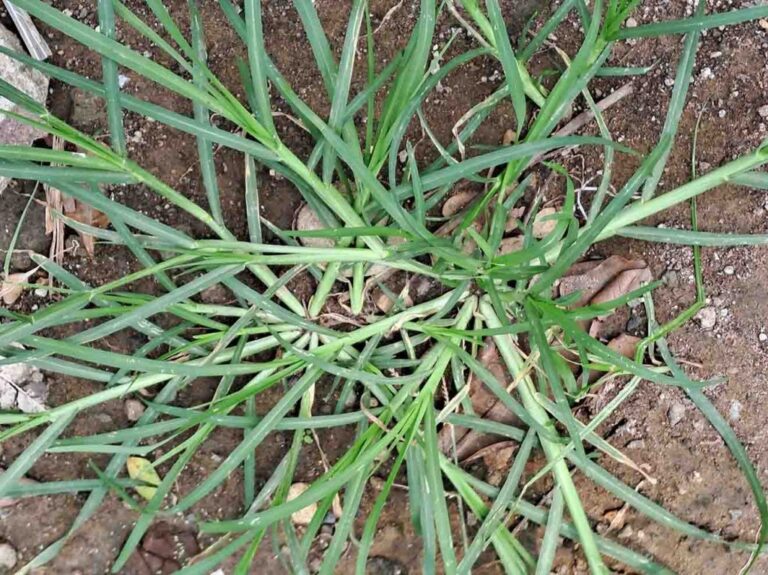
Nature offers us an abundance of health-enhancing plants, and goose grass (Eleusine indica) is one such hidden gem. Despite being labeled a common weed, goose grass has a rich history in traditional medicine and is known for its potent health benefits. From promoting wound healing to managing inflammation, diabetes, and liver health, goose grass offers a variety of healing properties.

In this comprehensive guide, we will explore the traditional uses and potential health benefits of goose grass, and how this natural herb can support your overall wellness journey.

Goose Grass: A Closer Look

Goose grass, commonly known as wiregrass or crowfoot grass, is a weed that grows in fields and lawns. Part of the Poaceae family, which also includes cereal grains like wheat and rice, goose grass has been used in folk medicine in regions such as Asia, Africa, and South America. Although often seen as a nuisance in gardens, this resilient plant has a variety of medicinal uses that make it invaluable to natural health practitioners.

Traditional Uses of Goose Grass

1. Wound Healing

Goose grass has long been used in traditional medicine for its ability to promote wound healing. Its astringent and anti-inflammatory properties help stop bleeding and reduce inflammation, accelerating the healing process.

2. Anti-Inflammatory

The herb is frequently used to treat inflammation-related conditions, including arthritis, skin rashes, and digestive problems. Goose grass helps reduce swelling and provides relief from pain associated with inflammation.

3. Diuretic

Known for its diuretic effects, goose grass increases urine production, which can be beneficial for individuals suffering from urinary tract infections (UTIs) or edema (fluid retention).

4. Antipyretic

Goose grass has also been used to reduce fever. Its ability to balance the body’s internal temperature makes it a common remedy for feverish conditions.

5. Other Traditional Uses

Goose grass has a long list of additional uses, including the treatment of diarrhea, dysentery, liver problems, and various skin diseases. It is considered an essential part of holistic healing in many cultures.

Potential Health Benefits of Goose Grass

1. Antioxidant Properties

Goose grass is rich in antioxidants, including flavonoids and phenolic compounds. These compounds help protect cells from damage caused by free radicals, potentially reducing the risk of chronic diseases such as cancer and heart disease.

2. Anti-Inflammatory Effects

Modern studies confirm that goose grass extracts contain anti-inflammatory properties, further supporting its traditional use in reducing inflammation in conditions like arthritis, skin conditions, and gastrointestinal issues.

3. Anti-Diabetic Potential

Some research has shown that goose grass may help regulate blood sugar levels, making it potentially beneficial for those with diabetes or at risk of developing the condition. It helps improve insulin sensitivity and may aid in managing blood sugar.

4. Liver Protective Effects

Animal studies suggest that goose grass might help protect the liver from damage, potentially preventing liver diseases. However, more research is needed to confirm these effects in humans.

5. Wound Healing

Studies have supported the traditional use of goose grass for accelerating wound healing. Its anti-inflammatory properties contribute to reducing swelling and promoting faster recovery.

6. Antimicrobial Activity

Goose grass may have antimicrobial effects, which could help fight against certain bacterial and fungal infections, making it a natural remedy for skin ailments.

How to Use Goose Grass

Goose grass can be consumed or applied in various forms:

1. Juice

Fresh goose grass leaves can be juiced and consumed on an empty stomach to take advantage of its detoxifying and healing properties.

2. Tea

Dried goose grass leaves can be brewed into a tea, offering a soothing and healing drink that supports digestion, inflammation relief, and detoxification.

3. Poultice

A poultice made from crushed goose grass leaves can be applied topically to wounds or irritated skin to promote healing and reduce inflammation.

Important Considerations

While goose grass offers many health benefits, there are a few important considerations to keep in mind:

  • Source and Preparation: Ensure that you obtain goose grass from a clean, pesticide-free source. Wash it thoroughly before consumption or topical use.
  • Dosage: Consult a healthcare professional or herbalist to determine the appropriate dosage for your needs.
  • Allergies: Some individuals may be allergic to goose grass. It’s recommended to perform a patch test before applying it topically or consult a doctor before ingesting it.
  • Pregnancy and Breastfeeding: Pregnant or breastfeeding women should consult a healthcare provider before using goose grass.

Top FAQs About Goose Grass

Q1: What are the health benefits of goose grass?
Goose grass is known for its wound healing, anti-inflammatory, diuretic, and antimicrobial properties. It is also believed to help regulate blood sugar and protect liver health.

Q2: How can I use goose grass at home?
You can use goose grass in various forms, such as fresh juice, dried tea, or a poultice for topical applications.

Q3: Is goose grass safe to consume?
Goose grass is generally safe when consumed in moderate amounts. However, it’s important to consult a healthcare provider, especially if you’re pregnant, breastfeeding, or on medication.

Q4: Can goose grass help with diabetes?
Some studies suggest that goose grass may help regulate blood sugar levels, making it beneficial for individuals with diabetes or those at risk.

Q5: How does goose grass help with wound healing?
Goose grass contains anti-inflammatory and astringent properties that promote faster healing of wounds by reducing inflammation and supporting tissue regeneration.


Conclusion

Goose grass may be a humble weed, but its potential health benefits are far from ordinary. From wound healing and inflammation reduction to its possible effects on diabetes and liver health, goose grass offers a wide array of natural remedies. By incorporating this herb into your wellness routine and maintaining a balanced lifestyle, you can harness its power for better health and vitality.

So, the next time you spot goose grass growing in your yard or field, remember that nature has provided a powerful ally for your health, right under your nose.


Conclusion Label:
Goose Grass, Health Benefits, Traditional Medicine, Herbal Remedies, Wound Healing, Anti-Inflammatory, Diabetes, Liver Health, Herbal Tea, Natural Healing

Sunday, January 19, 2025

Dashamoolarishta for Balanced Health: Benefits, Uses, and FAQs


In the world of Ayurveda, natural remedies have been used for centuries to maintain health and prevent disease. One such powerful elixir that has gained significant attention in recent years is Dashamoolarishta. This age-old Ayurvedic tonic is known for its profound health benefits and holistic approach to overall wellness.

But what exactly is Dashamoolarishta, and how does it contribute to better health? In this blog, we’ll dive deep into the many benefits of this traditional herbal remedy, its uses, and common FAQs to help you incorporate it into your wellness routine.

What is Dashamoolarishta?

Dashamoolarishta is a traditional Ayurvedic formulation made from a blend of 10 powerful roots (known as "Dashamoola"). These roots, mixed with other medicinal herbs and fermented in a liquid base, create a potent remedy for a variety of health issues. The name "Dashamoola" translates to "ten roots," and the formulation is renowned for its ability to balance the body's vital energies (doshas) and support overall vitality.

The key ingredients of Dashamoolarishta typically include roots like Bilva, Shalparni, and Gokshura, which are known for their medicinal properties in Ayurveda. Together, these herbs help cleanse and strengthen the body, promote digestion, enhance immunity, and support healthy circulation.

Benefits of Dashamoolarishta

  1. Supports Digestion and Gut Health: Dashamoolarishta is known to aid digestion by stimulating the digestive fire (Agni). It helps alleviate common digestive issues like bloating, indigestion, and constipation. By enhancing the digestive system, it promotes nutrient absorption and overall gut health.

  2. Boosts Immunity: The herbal blend in Dashamoolarishta helps to strengthen the immune system. It provides the body with natural antioxidants that fight off free radicals, supporting the body's defense mechanisms against infections and illnesses.

  3. Improves Respiratory Health: Dashamoolarishta has been traditionally used to treat respiratory conditions, such as asthma and bronchitis. Its anti-inflammatory properties help clear the respiratory tract and soothe inflammation, providing relief from breathing difficulties.

  4. Promotes Healthy Blood Circulation: Regular consumption of Dashamoolarishta can enhance blood circulation and promote heart health. The tonic supports the function of the cardiovascular system by reducing cholesterol levels and improving circulation to the extremities.

  5. Helps in Managing Stress: With its adaptogenic properties, Dashamoolarishta is known to reduce stress levels and improve mood. It helps the body adapt to stress more effectively, calming the nervous system and promoting a sense of well-being.

  6. Balances Hormones and Supports Reproductive Health: Dashamoolarishta is often used in Ayurveda for managing hormonal imbalances, particularly in women. It is believed to support the reproductive system, regulate menstrual cycles, and improve fertility.

  7. Supports Joint and Bone Health: The anti-inflammatory properties of Dashamoolarishta also make it beneficial for joint health. It helps reduce inflammation in the joints, easing symptoms of arthritis and promoting flexibility and mobility.

How to Use Dashamoolarishta

Dashamoolarishta is typically taken in a liquid form, either on its own or diluted with water. The recommended dosage is usually about 10-20 ml taken twice a day after meals. However, it’s always best to consult with a qualified Ayurvedic practitioner before incorporating any new supplement into your routine.

Precautions to Keep in Mind

  • Pregnancy & Lactation: Pregnant or breastfeeding women should consult a healthcare provider before using Dashamoolarishta.
  • Underlying Conditions: People with underlying health conditions like diabetes or hypertension should use Dashamoolarishta under medical supervision.
  • Allergic Reactions: If you are allergic to any of the herbs used in Dashamoolarishta, avoid using it and consult your doctor.

Top FAQs About Dashamoolarishta

1. What is Dashamoolarishta used for? Dashamoolarishta is used for a variety of health benefits, including supporting digestion, boosting immunity, promoting respiratory health, reducing inflammation, and improving circulation. It is also beneficial for managing stress and enhancing reproductive health.

2. How should Dashamoolarishta be taken? Dashamoolarishta is typically consumed in doses of 10-20 ml twice a day, diluted with water if needed. It is advised to take it after meals to maximize its benefits.

3. Is Dashamoolarishta safe for long-term use? Yes, Dashamoolarishta is generally safe for long-term use when taken in appropriate doses. However, it’s always advisable to consult an Ayurvedic practitioner for personalized guidance, especially if you are taking other medications or have pre-existing health conditions.

4. Can Dashamoolarishta be used for weight loss? While Dashamoolarishta is not marketed as a weight-loss supplement, its ability to improve digestion, boost metabolism, and promote healthy circulation can indirectly support weight management.

5. Are there any side effects of Dashamoolarishta? Dashamoolarishta is considered safe for most individuals when taken as directed. However, excessive consumption may lead to mild digestive discomfort or an upset stomach. It is important to stick to the recommended dosage.

6. Can Dashamoolarishta help with skin health? Dashamoolarishta's detoxifying properties can improve skin health by removing toxins from the body. While it is not a direct treatment for skin conditions, it can contribute to clearer skin by promoting overall well-being.

Conclusion

Incorporating Dashamoolarishta into your daily wellness routine can be a game-changer for your health. Whether you're looking to improve digestion, boost immunity, support respiratory health, or reduce stress, this Ayurvedic tonic has a myriad of benefits to offer.

As with any herbal remedy, it's important to consult with a healthcare provider before starting any new supplement. By doing so, you can ensure that you’re using Dashamoolarishta safely and effectively, unlocking its full potential for holistic health and vitality.


By adopting healthy roots and habits, we can naturally nourish our bodies and foster a balanced lifestyle. Whether it’s through Ayurvedic remedies or other natural therapies, your health journey is one of continual improvement—and Dashamoolarishta could be a valuable part of that path.

Punarnavadi Arishta: Your Natural Remedy for Detox and Digestive Health

In today's fast-paced world, many of us seek natural ways to support our health and well-being. One such ancient Ayurvedic remedy that has stood the test of time is Punarnavadi Arishta—a traditional herbal preparation known for its powerful detoxifying and rejuvenating effects. Whether you’re looking to support your digestive health, detoxify your liver, or boost your overall vitality, Punarnavadi Arishta can be a beneficial addition to your wellness routine.

Let’s dive into the incredible benefits of Punarnavadi Arishta, how it works, and why it’s a cornerstone in Ayurvedic healing practices.

What is Punarnavadi Arishta?

Punarnavadi Arishta is an Ayurvedic herbal formulation that contains the root of the Punarnava plant (Boerhavia diffusa), along with a mix of other herbs and ingredients. Known for its rejuvenating properties, this potent tonic is commonly used in Ayurveda to restore balance to the body and mind.

The name "Punarnavadi" is derived from the Sanskrit words "Punarnava," meaning "renew" or "revive," and "Arishta," which refers to a fermented herbal liquid preparation. This blend of herbs undergoes a fermentation process, making the nutrients more bioavailable and easier for the body to absorb.

Key Benefits of Punarnavadi Arishta:

  1. Detoxifies and Cleanses the Liver
    One of the most notable benefits of Punarnavadi Arishta is its ability to support liver health. The liver is responsible for detoxifying the body, and Punarnavadi Arishta helps enhance its function by promoting the elimination of toxins. It is particularly useful for individuals experiencing sluggish digestion, bloating, or liver-related issues like jaundice and hepatitis.

  2. Supports Digestive Health
    Punarnavadi Arishta is highly effective for improving digestion. It can help reduce symptoms such as indigestion, bloating, and constipation. The blend of herbs aids in promoting healthy bowel movements, restoring balance to your digestive system, and preventing the accumulation of ama (toxins) in the body.

  3. Anti-Inflammatory and Pain-Relieving
    The herbal ingredients in Punarnavadi Arishta, including Punarnava, possess anti-inflammatory properties that can help reduce pain and swelling in conditions such as arthritis. It can support joint health, ease discomfort, and improve mobility, making it an excellent choice for those dealing with inflammatory conditions.

  4. Boosts Immunity
    By supporting the liver and digestive system, Punarnavadi Arishta also helps in the overall strengthening of the immune system. A healthy gut is crucial for immunity, and this herbal formulation supports the gut microbiome while reducing inflammation, making it an ideal tonic for maintaining overall wellness.

  5. Promotes Healthy Urinary System
    Punarnavadi Arishta is beneficial for the urinary system as well. It helps to flush out excess water retention and can be used in conditions like edema (swelling caused by fluid retention). The anti-inflammatory properties of Punarnava also support kidney function and promote urinary tract health.

  6. Restores Energy and Vitality
    Regular consumption of Punarnavadi Arishta helps rejuvenate and restore energy levels, especially after long periods of fatigue or illness. Its restorative properties help balance the doshas in the body, which can enhance your overall vitality and stamina.

How to Use Punarnavadi Arishta

Punarnavadi Arishta is usually available as a liquid syrup or tonic, which can be consumed with warm water or as prescribed by your Ayurvedic practitioner. The recommended dosage typically ranges from 10-30 ml, taken twice a day, depending on the condition being treated.

It’s always best to consult an Ayurvedic professional before starting any new herbal regimen, especially if you have any pre-existing medical conditions or are taking other medications.

Top FAQs About Punarnavadi Arishta

1. What is the best time to take Punarnavadi Arishta?
It’s best to take Punarnavadi Arishta after meals, typically twice a day. Taking it after meals aids in better digestion and absorption of its nutrients.

2. Can Punarnavadi Arishta be taken with other medications?
Although Punarnavadi Arishta is a natural and safe herbal remedy, it's important to consult with a healthcare provider before combining it with other medications, especially for liver, kidney, or digestive issues.

3. Is Punarnavadi Arishta safe for pregnant or breastfeeding women?
Pregnant and breastfeeding women should avoid taking Punarnavadi Arishta without medical supervision. Always consult with a healthcare provider to ensure it's safe for you.

4. How long does it take to see results from Punarnavadi Arishta?
The time it takes to notice results varies based on individual health conditions. Generally, you can expect to see improvements in digestion, energy levels, and detoxification within a few weeks of consistent use.

5. Are there any side effects of Punarnavadi Arishta?
Punarnavadi Arishta is generally considered safe when taken in the recommended dosages. However, excessive use may lead to digestive discomfort, diarrhea, or nausea. If you experience any adverse effects, discontinue use and consult a healthcare professional.

6. Can Punarnavadi Arishta help with weight loss?
While Punarnavadi Arishta supports digestive health and detoxification, it’s not specifically formulated as a weight loss remedy. However, by improving metabolism and reducing water retention, it may aid in overall weight management.

7. Is Punarnavadi Arishta suitable for children?
Punarnavadi Arishta is generally safe for children, but the dosage should be adjusted based on age and weight. Always consult a pediatrician or Ayurvedic practitioner before administering any herbal tonic to children.

Conclusion: Embrace the Healing Power of Ayurveda

Punarnavadi Arishta is a time-tested Ayurvedic remedy known for its detoxifying, anti-inflammatory, and digestive benefits. By incorporating this herbal tonic into your wellness routine, you can enhance your digestive health, support liver function, boost immunity, and restore energy. With its all-natural formulation, it offers a holistic approach to health that aligns with the principles of Ayurveda—empowering your body to heal, restore balance, and thrive.

Whether you’re looking to address specific health concerns or simply maintain overall well-being, Punarnavadi Arishta provides a natural, effective solution. As always, be sure to consult with a healthcare professional before starting any new supplement, especially if you have underlying health conditions.

Friday, January 17, 2025

Holistic Wellness: A Complete Guide to Nurturing the Body, Mind, and Spirit

In a fast-paced world full of stress and distractions, the concept of holistic wellness is gaining increasing attention. Holistic wellness isn’t just about being free from illness or having a strong body—it's about achieving harmony and balance between the body, mind, and spirit. This approach nurtures all aspects of your well-being, helping you live a healthier, happier, and more fulfilled life.

At its core, holistic wellness is the belief that true health stems from the interconnectedness of all areas of life. It encourages you to care for your physical, emotional, mental, and spiritual health in a way that fosters overall harmony. Let’s dive deeper into each element of holistic wellness and how you can incorporate it into your daily life.

The Three Pillars of Holistic Wellness

1. Physical Wellness

Physical wellness refers to the health of your body and how well you maintain it. It includes regular exercise, balanced nutrition, hydration, sleep, and regular medical check-ups. Taking care of your body is the foundation of holistic health. Without physical wellness, it’s difficult to achieve balance in other areas of your life.

Tips for improving physical wellness:

  • Exercise regularly (aim for at least 30 minutes of moderate activity most days of the week).
  • Eat a balanced diet rich in fruits, vegetables, whole grains, and lean proteins.
  • Prioritize sleep by aiming for 7-9 hours each night.
  • Stay hydrated with water, herbal teas, and limiting sugary drinks.
  • Regularly schedule check-ups with your healthcare provider.

2. Mental Wellness

Mental wellness is about cultivating a healthy mindset and emotional well-being. It involves managing stress, nurturing positive thoughts, building resilience, and engaging in activities that keep the mind sharp. Mental health is just as important as physical health, and practices like mindfulness, therapy, journaling, and positive affirmations can help promote mental clarity and emotional stability.

Tips for improving mental wellness:

  • Practice mindfulness or meditation for at least 10-15 minutes each day.
  • Challenge negative thought patterns and replace them with positive affirmations.
  • Stay connected with supportive friends and family.
  • Engage in mental exercises like puzzles, reading, or learning a new skill.
  • Seek professional help when needed, whether it’s therapy or counseling.

3. Spiritual Wellness

Spiritual wellness is often misunderstood. It doesn’t necessarily mean religion, though it can, but rather a connection to something greater than oneself. It’s about finding purpose, cultivating inner peace, and aligning your life with your values and beliefs. Spiritual wellness can be nurtured through practices like meditation, prayer, nature walks, creative expression, or volunteering.

Tips for improving spiritual wellness:

  • Engage in meditation, prayer, or deep reflection on a regular basis.
  • Spend time in nature to reconnect with the world around you.
  • Practice gratitude by journaling or taking time to reflect on the positive aspects of life.
  • Volunteer or engage in acts of kindness to serve others.
  • Create space for creative self-expression, whether through art, music, or other hobbies.

The Benefits of Holistic Wellness

When you integrate holistic wellness into your daily routine, you’ll notice several benefits across all areas of your life:

  • Improved Physical Health: Regular exercise, a balanced diet, and adequate sleep will lead to better energy, stamina, and a reduced risk of chronic diseases.
  • Better Mental Clarity: Taking time for mindfulness and emotional self-care can reduce anxiety, improve focus, and foster a more positive outlook on life.
  • Stronger Emotional Resilience: When you take care of your emotional and spiritual health, you can handle life’s challenges with greater ease and a deeper sense of inner peace.
  • Increased Fulfillment and Purpose: Aligning your life with your values and priorities brings a greater sense of meaning and satisfaction, helping you live more intentionally.

Integrating Holistic Wellness Into Your Life

The beauty of holistic wellness is that it's customizable. It doesn’t require perfection, but rather a balanced approach to incorporating these principles into your daily routine. Small, consistent changes can have a significant impact over time.

  • Start small: Begin by focusing on one area at a time, whether it's physical activity or mental well-being. Once you feel comfortable with one change, add another.
  • Be mindful: Pay attention to your habits and patterns. Are there areas of your life that need more attention? Are you neglecting your emotional health or spiritual well-being?
  • Create a routine: Consistency is key. Create a daily or weekly routine that includes time for self-care practices, physical activity, and mental relaxation.
  • Seek support: Surround yourself with like-minded individuals who also prioritize holistic health. Whether it’s a support group, a wellness coach, or a close friend, having a support system can help you stay motivated.

Top FAQs About Holistic Wellness

1. What is holistic wellness?
Holistic wellness is an approach to health that focuses on nurturing the body, mind, and spirit. It involves adopting healthy habits in all areas of life, including physical, mental, and emotional well-being.

2. How can I improve my holistic wellness?
To improve your holistic wellness, you should focus on balancing physical, mental, and spiritual health. This can include eating well, exercising, practicing mindfulness, seeking emotional support, and finding ways to connect with your inner self or higher purpose.

3. Is holistic wellness the same as traditional medicine?
Holistic wellness complements traditional medicine, but it is broader. While traditional medicine focuses on treating physical symptoms, holistic wellness addresses the whole person—body, mind, and spirit—aiming for preventive care and overall balance.

4. How does spiritual wellness affect my health?
Spiritual wellness helps you find purpose, inner peace, and connection to something greater than yourself. It promotes emotional resilience and mental well-being, which can have a positive effect on your overall health and stress levels.

5. Can I practice holistic wellness without being religious?
Absolutely! Holistic wellness isn’t limited to religious practices. It’s about finding what brings you peace, meaning, and connection. Meditation, nature walks, journaling, and mindfulness are all excellent ways to nurture your spiritual wellness without adhering to a specific religion.


Final Thoughts on Holistic Wellness

Holistic wellness offers a roadmap for living a balanced, healthy, and fulfilling life. By nurturing the body, mind, and spirit, you create a harmonious foundation for overall well-being. Remember, small changes lead to big results. Prioritize self-care, explore wellness practices, and trust the process as you work toward a more balanced and holistic lifestyle.

Are you ready to embrace holistic wellness in your life? Start today by focusing on small, intentional changes that foster balance and growth in all areas of your health!

DISCLAIMER:

THIS WEBSITE DOES NOT PROVIDE MEDICAL OR OTHER PROFESSIONAL ADVICE. The information provided on this website (blog), including but not limited to text, graphics, images, and other materials, is for informational purposes only. It is not intended to serve as a substitute for professional medical, legal, or any other kind of advice. Always seek the guidance of a qualified professional or relevant authorities with any questions you may have regarding information you read on this website. This includes any content found in Healthy Roots & Habits Blog, articles, website, social media channels, and written by the authors.

Featured Post

Healthy Foods That Aren’t Actually Healthy: Debunking Common Food Myths

When it comes to healthy eating, we all want to make the right choices. But what if some of the foods you think are healthy aren't actua...