Showing posts with label liver health. Show all posts

Sunday, May 11, 2025

The Amazing Benefits of Dandelions & How to Use Them for Holistic Health

When we think of dandelions, we often picture a common weed in the lawn or a flower kids blow on to make a wish. However, dandelions are much more than just a pesky plant. In fact, they are a powerhouse of health benefits and have been used for centuries in traditional medicine around the world. Known for their detoxifying properties and nutrient-rich profile, dandelions are a must-have in your journey toward holistic health and natural living.


What Are Dandelions?

The dandelion (Taraxacum officinale) is a flowering plant found in many parts of the world. Often seen as a weed, every part of the dandelion—its roots, leaves, and flowers—is medicinal and nutritious. The word "dandelion" comes from the French term "dent de lion," meaning "lion's tooth," referring to the plant's jagged, tooth-shaped leaves.

The Health Benefits of Dandelions

Dandelions are packed with vitamins, minerals, and antioxidants that support overall health. Here are some of the key benefits of incorporating dandelions into your wellness routine:

1. Supports Liver Health

Dandelions have long been used in traditional medicine as a liver detoxifier. The roots of the dandelion plant contain compounds that promote the production of bile, which helps in the digestion of fats and the removal of toxins from the liver. Drinking dandelion root tea or consuming it as a supplement can support liver function and aid in detoxification.

2. Rich in Nutrients

Dandelions are a nutrient-dense plant. They are high in vitamins like A, C, and K, as well as iron, calcium, potassium, and folate. These nutrients help support immune health, bone strength, eye health, and even skin health. The leaves are especially rich in antioxidants, which help combat oxidative stress in the body.

3. Supports Digestive Health

Dandelion is often used to improve digestion. It can stimulate the appetite, promote regular bowel movements, and relieve constipation. The fiber in dandelion leaves helps maintain gut health by supporting the growth of beneficial bacteria in the gut microbiome. Dandelion is also known to be a gentle diuretic, helping to reduce water retention and support kidney health.

4. Helps Manage Blood Sugar

Studies have shown that dandelion can help regulate blood sugar levels by improving insulin sensitivity and supporting the pancreas. This makes it a beneficial herb for those looking to maintain stable blood sugar levels and manage diabetes.

5. Boosts Skin Health

Dandelions are great for skin health due to their anti-inflammatory and antioxidant properties. Dandelion root can be used to make a topical oil or cream that can help reduce eczema, acne, and psoriasis. The plant’s ability to cleanse the body of toxins helps promote clearer skin, making it a popular remedy for various skin conditions.

How to Use Dandelions

Dandelions are incredibly versatile and can be consumed in many different ways. Here are some of the most popular methods of using dandelions for health and wellness:

1. Dandelion Tea

One of the easiest ways to use dandelions is by brewing a cup of dandelion tea. You can make it using dried leaves or roots. Simply steep the dried plant in hot water for a few minutes. This tea can be enjoyed daily for liver detoxification, digestive support, and overall well-being.

2. Dandelion Salad

Dandelion greens are edible and can be used to make a nutritious salad. The leaves have a slightly bitter taste, which can be balanced with other salad ingredients such as olive oil, lemon, and garlic. A great addition to any detox diet!

3. Dandelion Root Coffee

For those who love coffee but want a healthier alternative, dandelion root coffee is a great option. You can roast and grind dandelion roots to make a coffee substitute that is caffeine-free and rich in nutrients. It's also great for liver detoxification.

4. Dandelion Extracts and Supplements

If you're looking for a more concentrated form, dandelion is available as an extract or supplement. These products provide a potent dose of the herb’s beneficial compounds and can be used to support liver function, digestion, and overall health.

5. Dandelion Oil for Skin

To treat skin conditions such as eczema, acne, or psoriasis, try applying dandelion-infused oil directly to affected areas. This natural remedy can help reduce inflammation and promote healing.

Top FAQs About Dandelions

1. Are dandelions safe to consume?
Yes, dandelions are safe for most people to consume. However, if you are allergic to plants in the Asteraceae family (like ragweed), it’s best to avoid dandelions. Always consult a healthcare provider if you’re pregnant, nursing, or on medication.

2. Can dandelions help with weight loss?
While dandelions are not a weight loss miracle, they can support digestive health and reduce water retention, which may help with feeling less bloated. Their high fiber content also promotes satiety, which may aid in weight management.

3. How do I make dandelion tea?
To make dandelion tea, simply steep 1–2 teaspoons of dried dandelion leaves or roots in boiling water for 5-10 minutes. You can drink this tea up to 2-3 times per day for liver detoxification and digestive support.

4. Can dandelions help with high blood pressure?
Dandelion’s diuretic properties may help reduce water retention, which can contribute to high blood pressure. However, dandelion should not replace medical treatment. Always consult your doctor if you have hypertension.

5. Can I use dandelions on my skin?
Yes, dandelion oil and topical applications of dandelion can be used to reduce skin inflammation and promote healing of skin conditions like acne and eczema. Always do a patch test before using it extensively on your skin.

Conclusion

Dandelions are not only a common weed but a nourishing herb that has been used for centuries to promote health and well-being. Packed with vitamins, minerals, and antioxidants, dandelions support liver health, digestive health, skin health, and more. Whether you choose to drink dandelion tea, eat its leaves in a salad, or use it in skincare products, this versatile plant offers a wealth of benefits. By incorporating dandelions into your natural health routine, you can harness the power of this plant for detoxification, nourishment, and overall wellness.

Monday, April 28, 2025

What is Hepatic Steatosis and How to Reverse Fatty Liver Disease?

Hepatic steatosis, commonly referred to as fatty liver, is a condition where fat builds up in the liver cells. While it may seem like a minor issue at first, if left unchecked, it can lead to severe health complications. So, what exactly causes fatty liver, is it fatal, and how long can someone live after being diagnosed with it?


What is Hepatic Steatosis (Fatty Liver)?

Hepatic steatosis occurs when there is an excess accumulation of fat in the liver cells. There are two primary causes of fatty liver:

  1. Overeating: Consuming more calories than the body needs, especially from unhealthy foods, can lead to fat deposits in the liver.

  2. Overconsumption of Alcohol: Drinking excessive amounts of alcohol can overwhelm the liver, causing it to store fat instead of metabolizing it.

This condition can be classified as either non-alcoholic fatty liver disease (NAFLD) or alcoholic fatty liver disease (AFLD), depending on the underlying cause. Both types of fatty liver are associated with other liver complications, such as cirrhosis and liver cancer, if left untreated.

Can Hepatic Steatosis Be Fatal?

Yes, hepatic steatosis can be fatal if it progresses to more severe liver damage. If fatty liver disease is not addressed, it can advance to cirrhosis, which is permanent scarring of the liver tissue. Over time, cirrhosis can lead to liver failure or even liver cancer.

However, the good news is that fatty liver is often reversible, especially when it is caught early and appropriate lifestyle changes are made. With the right interventions, many people are able to reverse the effects of fatty liver and restore their liver’s health.

How Long Can Someone Live with Hepatic Steatosis?

The lifespan of someone with hepatic steatosis largely depends on how advanced the condition is when diagnosed and how well it is managed. If the liver has not progressed to cirrhosis or liver cancer, and if the individual takes steps to reverse the condition, they can live a long and healthy life. However, without proper care and lifestyle changes, fatty liver disease can progress to more severe stages, leading to life-threatening complications.

How to Reverse Hepatic Steatosis

The key to reversing fatty liver disease lies in making significant lifestyle changes, including:

  1. Stop Drinking Alcohol: If alcohol consumption is the cause of fatty liver, the most important step is to stop drinking entirely. Even moderate drinking can exacerbate liver damage.

  2. Drastically Change Your Diet: Adopting a liver-friendly diet is crucial for healing fatty liver. Focus on whole foods like fruits, vegetables, lean proteins, and whole grains. Limit your intake of processed foods, sugary snacks, and trans fats.

  3. Avoid Harmful Medications: Be cautious with medications like Tylenol (acetaminophen), as excessive use can be harmful to the liver. Consult your healthcare provider before taking any medications, and avoid over-the-counter supplements that may be toxic to the liver.

  4. Drink Coffee: Some studies suggest that drinking coffee may help reduce fat buildup in the liver and promote liver health. Aim for around four cups per day for optimal benefit.

  5. Exercise Regularly: Regular physical activity can help with weight loss and reduce fat in the liver. Aim for at least 30 minutes of moderate-intensity exercise most days of the week.

  6. Vaccinate Against Hepatitis B and Get Tested for Hepatitis C: Protecting yourself from viral infections like hepatitis B and C can help prevent further liver complications.

  7. Eliminate Fast Food and Processed Foods: Fast foods and processed foods are often high in unhealthy fats and sugars that contribute to fatty liver. Focus on whole, natural foods to support liver health.

  8. Limit Carbohydrates and Avoid Fried Foods: Reducing your intake of refined carbs and avoiding fried foods can help reduce fat accumulation in the liver.

Top FAQs About Hepatic Steatosis

1. Is hepatic steatosis reversible?
Yes, in many cases, hepatic steatosis can be reversed with lifestyle changes, such as stopping alcohol consumption, adopting a healthier diet, and exercising regularly.

2. What causes fatty liver disease?
Fatty liver disease can be caused by overeating, excessive alcohol consumption, obesity, insulin resistance, and certain medications.

3. Can fatty liver lead to cirrhosis?
Yes, if fatty liver disease is left untreated, it can progress to cirrhosis, which can lead to liver failure or liver cancer.

4. How can I prevent fatty liver disease?
Prevention involves maintaining a healthy weight, eating a balanced diet, avoiding excessive alcohol intake, and exercising regularly.

5. What are the signs of fatty liver disease?
Symptoms may include fatigue, discomfort in the upper right abdomen, and unexplained weight loss. However, many people with fatty liver experience no symptoms at all in the early stages.

Conclusion

Hepatic steatosis, or fatty liver disease, may seem like a manageable condition, but if left untreated, it can lead to severe liver damage, including cirrhosis and liver cancer. The good news is that fatty liver disease is often reversible, especially when caught early. By making critical lifestyle changes such as cutting out alcohol, adopting a healthy diet, exercising, and avoiding liver toxins, you can improve liver health and significantly reduce your risk of progression to more severe liver conditions. Always consult with your healthcare provider to tailor a plan that works best for your specific needs.

Post Title Suggestions:

  1. ""

  2. "Can Fatty Liver Disease Be Reversed? Learn About Hepatic Steatosis and Recovery"

  3. "Is Hepatic Steatosis Fatal? Early Signs and Prevention Tips for Liver Health"

  4. "How Long Can You Live with Fatty Liver Disease? Understanding Hepatic Steatosis"

Labels: 

Meta Description: 

Early Signs of Liver Failure: How to Spot Them and What You Can Do

Your liver is one of the most important organs in your body, responsible for detoxifying your blood, supporting digestion, and performing countless other functions vital to your overall health. But what happens when your liver starts to fail? Liver failure is a serious condition, and understanding its early signs and potential recovery options can help save your life.


Is Liver Failure Always Permanent?

One of the most encouraging things about liver failure is that it is not always permanent. If detected early, some liver conditions can be treated, and the liver has a remarkable ability to regenerate itself. The key to recovery lies in identifying the issue before it becomes too advanced.

For liver failure caused by infections, medication side effects, or alcohol abuse, prompt treatment can often help reverse the damage. For example, stopping the use of harmful substances and addressing the root cause can allow your liver to heal and function normally again.

However, chronic conditions like cirrhosis or chronic hepatitis can lead to long-term liver damage. Once the liver reaches end-stage liver disease, the damage becomes irreversible, and a liver transplant may be the only option.

Early Signs of Liver Failure

Recognizing liver failure early on is critical for timely intervention and recovery. Here are the key symptoms to watch for:

1. Yellowing of the Skin or Eyes (Jaundice)

One of the most noticeable signs of liver trouble is jaundice, which causes the skin and the whites of your eyes to turn yellow. This occurs when the liver is unable to process bilirubin, a substance produced when the liver breaks down old red blood cells.

2. Swelling in the Belly or Legs

Fluid retention is common in liver disease. You might notice swelling in your abdomen (ascites) or in your legs (edema), which happens when the liver is unable to make enough albumin, a protein that helps keep fluid from leaking into surrounding tissues.

3. Confusion or Memory Issues

When the liver is not working properly, toxins can build up in the blood and affect the brain, leading to confusion, forgetfulness, or even altered behavior. This condition is called hepatic encephalopathy, and it can progress if not treated.

4. Severe Fatigue and Weakness

Chronic fatigue is one of the most common complaints of individuals with liver disease. As your liver struggles to function, your overall energy levels may drop significantly, leading to a constant feeling of tiredness and weakness.

5. Bleeding or Bruising Easily

A liver that isn’t functioning properly might not be able to produce enough of the proteins that help your blood clot. This can result in easy bruising or excessive bleeding, even from minor injuries.

If you notice any of these symptoms, it’s essential to consult a liver specialist (hepatologist) as soon as possible. Early detection is the key to preventing irreversible damage.

Recovery Options for Liver Failure

While liver failure can be life-threatening, the good news is that many cases of liver failure can be managed, and in some instances, reversed. Here are some of the recovery options:

1. Medications and Antiviral Treatments

If liver failure is caused by an infection, such as hepatitis B or hepatitis C, antiviral medications can help reduce the viral load and prevent further liver damage. In some cases, these treatments can allow the liver to heal itself.

2. Alcohol Cessation

If alcohol abuse is the cause of liver damage, stopping alcohol consumption immediately can help prevent further deterioration of liver function. In cases of alcohol-related liver failure, stopping drinking can allow the liver to begin the healing process.

3. Lifestyle Changes

Adopting a liver-friendly diet, exercising regularly, and maintaining a healthy weight can support liver health and help prevent further damage. Avoiding toxins and harmful substances, such as unnecessary medications or drugs, is also crucial.

4. Liver Transplant

In cases of advanced liver failure where the liver cannot regenerate, a liver transplant may be necessary. This procedure involves replacing the damaged liver with a healthy one from a donor, and it can be life-saving for individuals with end-stage liver disease.

Top FAQs About Liver Failure and Recovery

1. What causes liver failure?
Liver failure can be caused by various factors, including viral infections (such as hepatitis), excessive alcohol consumption, obesity, fatty liver disease, or autoimmune diseases.

2. Can liver failure be reversed?
Yes, liver failure can sometimes be reversed if it is detected early. Treating the underlying cause of liver damage, such as stopping alcohol use or taking antiviral medications, can help the liver heal.

3. What are the early warning signs of liver failure?
Early warning signs include jaundice (yellowing of the skin and eyes), swelling in the belly or legs, confusion, fatigue, and easy bruising or bleeding.

4. How is liver failure diagnosed?
Liver failure is typically diagnosed through blood tests that measure liver enzymes, imaging tests like ultrasounds, and sometimes liver biopsy to assess the extent of damage.

5. What can I do to protect my liver?
To protect your liver, maintain a healthy diet, avoid excessive alcohol consumption, exercise regularly, stay hydrated, and get vaccinated against hepatitis. Regular check-ups with your healthcare provider are also recommended.

Conclusion

Liver failure is a serious condition that can cause significant damage to your health. However, with early detection, lifestyle changes, and proper treatment, it is possible to recover from liver failure and prevent further damage. If you experience any signs of liver problems, such as jaundice, swelling, or confusion, seek medical attention promptly. With the right care, you can protect your liver and live a healthy, vibrant life.

Friday, April 25, 2025

Protecting Your Liver: How to Safely Enjoy Alcohol Without Damaging Your Liver

Alcohol consumption is a common part of social life, but if you're concerned about liver health and want to avoid liver failure, it’s important to understand how alcohol affects the liver and what you can do to minimize the damage. While moderate drinking may be okay for some, excessive alcohol intake can lead to liver diseases, including fatty liver, cirrhosis, and liver failure. So, what can you do to enjoy a drink without putting your liver at risk?


How Alcohol Affects the Liver

The problem with alcohol isn't just the calories or sugar content – it's how the liver processes it. Unlike sugar or fat, alcohol isn't used directly by your muscles. Instead, it goes to the liver, where it's converted into fat. This fat is then either stored in the liver or transported to other parts of your body, such as your beer belly or muscles, depending on how active you are.

The liver's ability to process alcohol is limited. If you drink too much, the fat that accumulates in the liver can begin to cause damage. Over time, this can result in fatty liver disease, where the liver becomes enlarged and inefficient at processing toxins. Eventually, this can progress to cirrhosis or liver failure if not addressed.

How Much Alcohol is Safe?

One key to liver health is moderation. The general guideline for safe drinking is that a male adult can handle up to 21 small drinks per week. This means:

  • 1/3 liter of beer (about one can or bottle)

  • 1/8 liter of wine (around one glass)

  • A single shot of liquor

Anything beyond this amount can accumulate in the liver, potentially leading to fatty liver. So, if you're looking to enjoy your drinks responsibly, it's important to track your intake and be mindful of how much you're consuming.

Wine vs. Hard Liquor: Which is Better for the Liver?

Many people wonder whether wine is better for the liver than hard liquor. While the type of alcohol you consume matters, the quantity is much more important. Wine, particularly red wine, contains antioxidants like resveratrol, which have some health benefits when consumed in moderation. However, even wine can cause liver damage if consumed excessively.

In comparison, hard liquor (such as whiskey, vodka, or rum) is more concentrated in alcohol, which means it can lead to faster liver damage if consumed in large amounts. The key here is moderation – regardless of the type of alcohol, overconsumption can damage the liver.

Tips to Protect Your Liver While Drinking

If you want to enjoy alcohol without harming your liver, here are some strategies to follow:

  1. Limit Alcohol Consumption – Stick to the recommended guidelines of no more than 21 drinks per week for men, with each drink equivalent to a small glass of beer, wine, or a shot of liquor.

  2. Introduce Alcohol-Free Days – Give your liver time to regenerate by having several alcohol-free days during the week.

  3. Avoid Drinking Every Day – It’s better to drink in moderation and avoid consuming alcohol daily.

  4. Stay Active – Regular exercise can help prevent fat buildup and improve your liver’s ability to process alcohol.

  5. Hydrate – Drink plenty of water to help your liver flush out toxins.

  6. Take Breaks from Alcohol – Incorporate periods of abstinence, like during Lent or another time of the year, to give your liver a chance to regenerate.

  7. Eat Liver-Friendly Foods – A diet rich in antioxidants, healthy fats, and fiber can support liver health and reduce the risk of liver disease.

What Can You Do to Reverse Liver Damage?

If you’ve been drinking excessively, you may wonder if it’s possible to reverse the damage to your liver. The good news is that the liver has a remarkable ability to regenerate itself. However, this only happens if you reduce or eliminate alcohol consumption and make healthier lifestyle choices.

If you've developed fatty liver disease or other liver conditions, taking steps to reduce alcohol intake, eating a healthy diet, and exercising regularly can help your liver recover. In advanced stages, such as cirrhosis, liver damage may be irreversible, so it’s crucial to address liver health as early as possible.

Top FAQs About Alcohol and Liver Health

  1. How much alcohol is safe for liver health?

    • For men, the recommended maximum is 21 small drinks per week. Anything beyond that can lead to fatty liver and other liver issues.

  2. Is wine better for your liver than hard liquor?

    • While wine, especially red wine, contains antioxidants, the amount of alcohol consumed is more important. Both wine and hard liquor can harm the liver if consumed in excess.

  3. What are the first signs of liver damage from alcohol?

    • Early signs of liver damage include fatigue, nausea, loss of appetite, and jaundice (yellowing of the skin and eyes). If you notice these symptoms, seek medical advice immediately.

  4. Can liver damage be reversed?

    • The liver can regenerate if caught early, but advanced liver damage, such as cirrhosis, is irreversible. It’s important to address liver health as soon as possible.

  5. How can I support my liver health while drinking?

    • Drink in moderation, avoid daily alcohol consumption, stay active, eat a liver-friendly diet, and give your liver time to regenerate with alcohol-free days.

Conclusion

If you enjoy drinking but want to protect your liver from damage, the key is moderation and mindfulness. Limiting your alcohol intake, taking breaks from drinking, and living a healthy lifestyle can help you maintain a healthy liver. While wine may offer some antioxidants, the most important factor is how much you drink, not the type of alcohol. By following these simple guidelines, you can enjoy alcohol without compromising your liver health.

Thursday, April 10, 2025

Top Foods for Liver and Kidney Health: Boost Detox and Function Naturally

The liver and kidneys play vital roles in detoxifying the body, filtering waste, and maintaining overall health. To support these organs in performing their essential functions, it's important to eat foods that promote detoxification, reduce inflammation, and enhance their natural processes. In this article, we’ll explore the best foods for liver and kidney health and offer practical tips on how to nourish these crucial organs.


Foods for Liver Health

The liver is responsible for filtering toxins, storing nutrients, and producing bile for digestion. To keep it functioning optimally, consider including the following foods in your diet:

  1. Leafy Greens
    Leafy greens like spinach, kale, and collard greens are excellent choices for liver health. These vegetables are packed with chlorophyll, which helps detoxify the liver and support its detoxification processes.

  2. Cruciferous Vegetables
    Broccoli, Brussels sprouts, and cauliflower are part of the cruciferous vegetable family. These vegetables contain sulfur compounds that help activate enzymes in the liver, boosting its ability to detoxify and filter waste.

  3. Berries
    Blueberries, strawberries, and cranberries are rich in antioxidants like vitamin C, which help protect the liver from oxidative damage. The antioxidant properties of berries also support liver cell regeneration and detoxification.

  4. Fatty Fish
    Salmon, sardines, and mackerel are excellent sources of omega-3 fatty acids, which are known for their anti-inflammatory properties. Omega-3s help reduce liver inflammation and promote overall liver function.

  5. Nuts
    Walnuts and almonds are rich in healthy fats and antioxidants. They help reduce inflammation in the liver and support the organ’s natural detoxification processes.

  6. Turmeric
    Turmeric contains curcumin, a compound with strong anti-inflammatory and antioxidant properties. Adding turmeric to your diet can support liver health by reducing inflammation and oxidative stress.

  7. Garlic
    Garlic is known for its ability to activate liver enzymes responsible for flushing out toxins. Additionally, its sulfur-containing compounds enhance the liver’s detoxification process.

Foods for Kidney Health

The kidneys filter waste from the blood, regulate fluid balance, and maintain electrolyte levels. To keep them functioning at their best, these kidney-friendly foods can be beneficial:

  1. Berries
    Like their benefits for liver health, berries are also excellent for the kidneys. They are low in potassium and packed with antioxidants, which can help reduce inflammation and protect kidney function.

  2. Cabbage
    Cabbage is a nutrient-dense, low-potassium vegetable that provides an abundance of vitamins K and C. It helps reduce inflammation and supports kidney function while being gentle on the kidneys.

  3. Cauliflower
    Cauliflower is another cruciferous vegetable that is both low in potassium and high in fiber. It supports detoxification and helps maintain healthy kidney function.

  4. Fish
    Fatty fish like salmon and trout are rich in omega-3 fatty acids, which are beneficial for reducing kidney inflammation. Omega-3s also improve blood flow and kidney function.

  5. Sweet Potatoes
    A great source of vitamins and minerals, sweet potatoes provide potassium and fiber that are beneficial for kidney health. Unlike white potatoes, they are less likely to increase kidney stress.

  6. Olive Oil
    Olive oil is a heart-healthy fat that can reduce inflammation. It’s a great addition to your diet, as it helps protect kidney function and provides beneficial antioxidants.

  7. Garlic
    Similar to its liver benefits, garlic is also beneficial for kidney health due to its anti-inflammatory and antioxidant properties. It supports the kidneys by reducing oxidative stress.

General Tips for Supporting Liver and Kidney Health

  • Stay Hydrated: Drinking plenty of water is essential for both liver and kidney function. Proper hydration helps these organs filter waste and remove toxins more efficiently.

  • Limit Processed Foods: Excessive consumption of processed foods that are high in sodium, sugar, and unhealthy fats can strain the liver and kidneys. Opt for whole foods to support organ health.

  • Moderate Protein Intake: Especially for kidney health, it’s important to balance protein intake. Too much protein can put unnecessary strain on the kidneys, so be mindful of how much you consume.

  • Consult a Professional: If you have any existing liver or kidney conditions, it’s always best to consult with a healthcare professional or a registered dietitian to tailor a diet plan specific to your needs.

Top FAQs

  1. What are the best foods for liver detox?
    Leafy greens, cruciferous vegetables like broccoli and cauliflower, berries, and garlic are some of the top foods that support liver detoxification and overall health.

  2. Can I eat sweet potatoes if I have kidney disease?
    Yes, sweet potatoes are a kidney-friendly food as they are lower in potassium compared to regular potatoes. However, it’s important to monitor your portion sizes, especially if you’re on a potassium-restricted diet.

  3. Are berries good for both liver and kidney health?
    Yes, berries are rich in antioxidants, which help reduce inflammation and oxidative stress. They are low in potassium, making them suitable for both liver and kidney health.

  4. How can I support both liver and kidney health naturally?
    Eating a balanced diet that includes antioxidant-rich foods like berries, leafy greens, and cruciferous vegetables, along with healthy fats like those found in fish and olive oil, can help support both organs.

  5. Is garlic good for the liver and kidneys?
    Yes, garlic contains sulfur compounds that help activate enzymes in the liver and protect against oxidative stress. It also has anti-inflammatory properties that are beneficial for kidney health.

Conclusion

Supporting your liver and kidneys with the right foods is a key aspect of maintaining overall health and well-being. Incorporating antioxidant-rich foods like berries, leafy greens, and cruciferous vegetables, along with healthy fats from fish and olive oil, can help protect and support these vital organs. Remember to stay hydrated, limit processed foods, and consult a healthcare provider for personalized advice on your dietary needs. By nourishing your liver and kidneys, you’re taking proactive steps toward holistic health and vitality.

Thursday, March 27, 2025

Milk Thistle: A Natural Solution for Better Liver Health

The liver is one of the most important organs in the body, playing a crucial role in detoxifying harmful substances, metabolizing nutrients, and supporting digestion. Given its essential functions, it's important to take steps to ensure its health. One natural remedy that has gained attention for its liver-supporting benefits is milk thistle.


Milk thistle, scientifically known as Silybum marianum, is an herb that has been used for centuries to promote liver health and detoxification. Its active ingredient, silymarin, is a powerful antioxidant that helps protect the liver from damage, supports liver function, and aids in the regeneration of liver cells.

Health Benefits of Milk Thistle for the Liver

  1. Liver Detoxification
    Milk thistle is best known for its detoxifying properties. It helps the liver filter out toxins from the body more efficiently by boosting the production of bile, which is essential for digestion. This detoxifying action ensures that the liver remains free from harmful substances, promoting overall health.

  2. Liver Protection
    The silymarin in milk thistle acts as a potent antioxidant that helps protect liver cells from oxidative damage caused by free radicals. This protection is particularly beneficial for individuals who consume alcohol, take medications, or have liver conditions, as it helps minimize liver damage and reduces the risk of developing chronic liver diseases.

  3. Supports Liver Regeneration
    In addition to protecting liver cells, milk thistle has regenerative properties. Studies suggest that silymarin can help stimulate the growth of new liver cells, making it a valuable supplement for those recovering from liver damage caused by alcohol or toxic substances.

  4. Prevents Fatty Liver Disease
    Fatty liver disease (NAFLD) is a common condition where fat builds up in the liver, leading to inflammation and damage. Research shows that milk thistle can help reduce liver fat, lower liver enzyme levels, and prevent the progression of fatty liver disease, contributing to improved liver function.

  5. Anti-Inflammatory Effects
    Chronic liver inflammation can lead to liver fibrosis, cirrhosis, and other serious liver conditions. Milk thistle has anti-inflammatory properties that help reduce liver inflammation, promoting overall liver health and preventing long-term damage.

How to Use Milk Thistle for Liver Health

Milk thistle can be consumed in various forms, including capsules, tablets, liquid extracts, and teas. While supplements are the most popular choice, it's essential to follow recommended dosages to avoid any side effects. For optimal liver support, a typical dosage is 200-400 mg of standardized silymarin extract daily.

However, as with any supplement, it's always a good idea to consult with a healthcare provider before adding milk thistle to your routine, especially if you're pregnant, nursing, or on medication.

Top FAQs:

Q1: What is the primary active ingredient in milk thistle?
A1: The primary active ingredient in milk thistle is silymarin, a potent antioxidant known for its liver-protective and regenerative properties.

Q2: How does milk thistle help detoxify the liver?
A2: Milk thistle promotes the production of bile, aiding in the removal of toxins from the liver and supporting overall liver detoxification.

Q3: Can milk thistle help with fatty liver disease?
A3: Yes! Studies suggest that milk thistle can help reduce liver fat, lower liver enzyme levels, and prevent the progression of fatty liver disease.

Q4: How should I take milk thistle for liver health?
A4: Milk thistle can be taken in capsule, tablet, liquid extract, or tea form. The standard dosage is 200-400 mg of silymarin extract per day. Always follow dosage instructions and consult your doctor.

Q5: Are there any side effects of milk thistle?
A5: Milk thistle is generally considered safe for most people. However, some individuals may experience mild digestive discomfort or allergic reactions. Consult your healthcare provider before using it.

Conclusion

Milk thistle has long been recognized as a powerful natural remedy for supporting liver health. Its detoxifying, protective, and regenerative effects make it a valuable addition to any wellness routine aimed at maintaining optimal liver function. By incorporating milk thistle into your diet, you can promote better liver health, detoxify your body, and reduce the risk of liver-related diseases. However, always consult with your healthcare provider before starting any new supplement to ensure it’s right for your individual needs.

Friday, March 21, 2025

Health Benefits of Goose Grass: A Natural Remedy for Wound Healing, Inflammation, and More

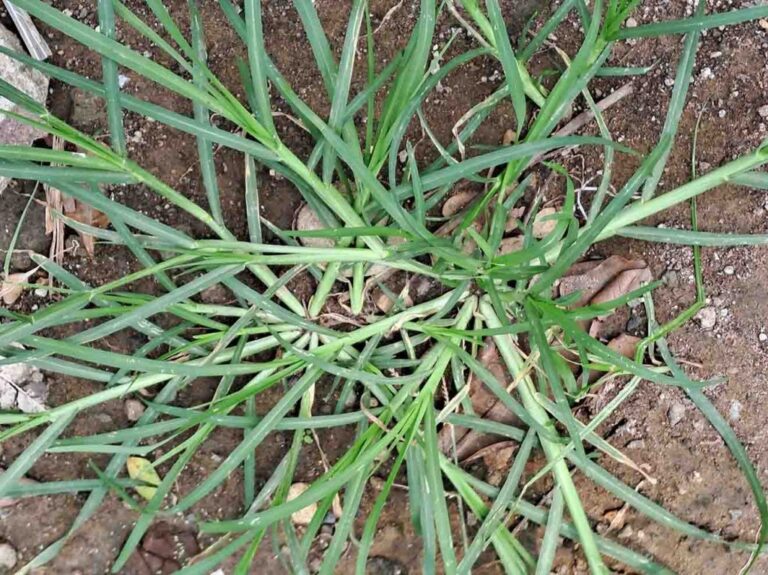
Nature offers us an abundance of health-enhancing plants, and goose grass (Eleusine indica) is one such hidden gem. Despite being labeled a common weed, goose grass has a rich history in traditional medicine and is known for its potent health benefits. From promoting wound healing to managing inflammation, diabetes, and liver health, goose grass offers a variety of healing properties.

In this comprehensive guide, we will explore the traditional uses and potential health benefits of goose grass, and how this natural herb can support your overall wellness journey.

Goose Grass: A Closer Look

Goose grass, commonly known as wiregrass or crowfoot grass, is a weed that grows in fields and lawns. Part of the Poaceae family, which also includes cereal grains like wheat and rice, goose grass has been used in folk medicine in regions such as Asia, Africa, and South America. Although often seen as a nuisance in gardens, this resilient plant has a variety of medicinal uses that make it invaluable to natural health practitioners.

Traditional Uses of Goose Grass

1. Wound Healing

Goose grass has long been used in traditional medicine for its ability to promote wound healing. Its astringent and anti-inflammatory properties help stop bleeding and reduce inflammation, accelerating the healing process.

2. Anti-Inflammatory

The herb is frequently used to treat inflammation-related conditions, including arthritis, skin rashes, and digestive problems. Goose grass helps reduce swelling and provides relief from pain associated with inflammation.

3. Diuretic

Known for its diuretic effects, goose grass increases urine production, which can be beneficial for individuals suffering from urinary tract infections (UTIs) or edema (fluid retention).

4. Antipyretic

Goose grass has also been used to reduce fever. Its ability to balance the body’s internal temperature makes it a common remedy for feverish conditions.

5. Other Traditional Uses

Goose grass has a long list of additional uses, including the treatment of diarrhea, dysentery, liver problems, and various skin diseases. It is considered an essential part of holistic healing in many cultures.

Potential Health Benefits of Goose Grass

1. Antioxidant Properties

Goose grass is rich in antioxidants, including flavonoids and phenolic compounds. These compounds help protect cells from damage caused by free radicals, potentially reducing the risk of chronic diseases such as cancer and heart disease.

2. Anti-Inflammatory Effects

Modern studies confirm that goose grass extracts contain anti-inflammatory properties, further supporting its traditional use in reducing inflammation in conditions like arthritis, skin conditions, and gastrointestinal issues.

3. Anti-Diabetic Potential

Some research has shown that goose grass may help regulate blood sugar levels, making it potentially beneficial for those with diabetes or at risk of developing the condition. It helps improve insulin sensitivity and may aid in managing blood sugar.

4. Liver Protective Effects

Animal studies suggest that goose grass might help protect the liver from damage, potentially preventing liver diseases. However, more research is needed to confirm these effects in humans.

5. Wound Healing

Studies have supported the traditional use of goose grass for accelerating wound healing. Its anti-inflammatory properties contribute to reducing swelling and promoting faster recovery.

6. Antimicrobial Activity

Goose grass may have antimicrobial effects, which could help fight against certain bacterial and fungal infections, making it a natural remedy for skin ailments.

How to Use Goose Grass

Goose grass can be consumed or applied in various forms:

1. Juice

Fresh goose grass leaves can be juiced and consumed on an empty stomach to take advantage of its detoxifying and healing properties.

2. Tea

Dried goose grass leaves can be brewed into a tea, offering a soothing and healing drink that supports digestion, inflammation relief, and detoxification.

3. Poultice

A poultice made from crushed goose grass leaves can be applied topically to wounds or irritated skin to promote healing and reduce inflammation.

Important Considerations

While goose grass offers many health benefits, there are a few important considerations to keep in mind:

  • Source and Preparation: Ensure that you obtain goose grass from a clean, pesticide-free source. Wash it thoroughly before consumption or topical use.
  • Dosage: Consult a healthcare professional or herbalist to determine the appropriate dosage for your needs.
  • Allergies: Some individuals may be allergic to goose grass. It’s recommended to perform a patch test before applying it topically or consult a doctor before ingesting it.
  • Pregnancy and Breastfeeding: Pregnant or breastfeeding women should consult a healthcare provider before using goose grass.

Top FAQs About Goose Grass

Q1: What are the health benefits of goose grass?
Goose grass is known for its wound healing, anti-inflammatory, diuretic, and antimicrobial properties. It is also believed to help regulate blood sugar and protect liver health.

Q2: How can I use goose grass at home?
You can use goose grass in various forms, such as fresh juice, dried tea, or a poultice for topical applications.

Q3: Is goose grass safe to consume?
Goose grass is generally safe when consumed in moderate amounts. However, it’s important to consult a healthcare provider, especially if you’re pregnant, breastfeeding, or on medication.

Q4: Can goose grass help with diabetes?
Some studies suggest that goose grass may help regulate blood sugar levels, making it beneficial for individuals with diabetes or those at risk.

Q5: How does goose grass help with wound healing?
Goose grass contains anti-inflammatory and astringent properties that promote faster healing of wounds by reducing inflammation and supporting tissue regeneration.


Conclusion

Goose grass may be a humble weed, but its potential health benefits are far from ordinary. From wound healing and inflammation reduction to its possible effects on diabetes and liver health, goose grass offers a wide array of natural remedies. By incorporating this herb into your wellness routine and maintaining a balanced lifestyle, you can harness its power for better health and vitality.

So, the next time you spot goose grass growing in your yard or field, remember that nature has provided a powerful ally for your health, right under your nose.


Conclusion Label:
Goose Grass, Health Benefits, Traditional Medicine, Herbal Remedies, Wound Healing, Anti-Inflammatory, Diabetes, Liver Health, Herbal Tea, Natural Healing

Monday, March 10, 2025

How Saffron Supports Liver Health: Benefits for Fatty Liver, Inflammation & More

The liver is one of the most vital organs in our body, responsible for detoxification, metabolism, and the processing of nutrients. A healthy liver is essential for overall well-being, but many factors such as poor diet, excessive alcohol consumption, and environmental toxins can put it at risk. One natural remedy that has gained attention for its potential benefits for liver health is saffron.

Saffron, the vibrant spice derived from the Crocus sativus flower, is known for its numerous health benefits. While it's commonly used in cooking, saffron has also been valued for its medicinal properties, particularly in traditional medicine. Recent studies suggest that saffron may play a crucial role in supporting liver health by reducing liver fibrosis, inflammation, and oxidative stress, and even managing conditions like fatty liver and hyperlipidemia.

In this article, we will explore how saffron can benefit your liver and its role in promoting overall liver function.

How Saffron Helps the Liver

  1. Liver Fibrosis Reduction: Saffron may help reduce liver fibrosis, a condition characterized by the excessive accumulation of scar tissue in the liver. This condition can lead to liver cirrhosis and eventually liver failure. By reducing fibrosis, saffron helps maintain healthy liver function and reduces the risk of further liver damage.

  2. Liver Inflammation Reduction: Chronic inflammation in the liver can lead to various liver diseases, including fatty liver disease and cirrhosis. Saffron has been shown to reduce the mRNA levels of pro-inflammatory factors, which help reduce inflammation. It also enhances the expression of anti-inflammatory factors, supporting a healthy balance within the liver.

  3. Oxidative Stress Management: Oxidative stress occurs when free radicals damage cells, contributing to the development of liver disease. Saffron has antioxidant properties that can reduce oxidative stress not only in the liver but also in other organs like the kidneys and brain. This helps protect liver cells from oxidative damage and supports their regeneration.

  4. Fatty Liver and Hyperlipidemia: Fatty liver disease, often associated with high cholesterol or triglyceride levels, can be detrimental to liver health. Saffron may help manage fatty liver by improving lipid profiles and reducing harmful fats in the liver. It also supports the normalization of lipid profiles, potentially preventing the progression of fatty liver disease and hyperlipidemia.

  5. Regulation of Liver Enzymes: Elevated levels of liver enzymes like Aspartate Aminotransferase (AST) and Alanine Aminotransferase (ALT) are often signs of liver damage. Saffron has been shown to help lower these enzyme levels, signaling improved liver function and protection against liver damage.

  6. Normalization of Insulin Resistance: Insulin resistance can contribute to the development of fatty liver and metabolic disorders. Saffron may help restore normal insulin sensitivity, thus preventing the onset of conditions like type 2 diabetes, which are often linked with liver disease.

How Saffron Works: The Science Behind the Benefits

Saffron contains powerful bioactive compounds such as polyphenols, which are known for their antioxidant and anti-inflammatory properties. These compounds play a crucial role in regulating bile acid metabolism, which is essential for liver function. By improving bile flow and reducing oxidative stress, saffron helps protect the liver from damage caused by free radicals and inflammation.

Additionally, saffron's natural compounds help modulate inflammatory responses and enhance the liver's ability to detoxify and repair itself. This makes saffron a promising natural remedy for maintaining and improving liver health over time.

Top FAQs About Saffron and Liver Health

1. How does saffron benefit the liver? Saffron reduces liver fibrosis, inflammation, and oxidative stress. It also helps manage fatty liver and hyperlipidemia while supporting normal liver enzyme levels and improving insulin sensitivity.

2. Can saffron help with fatty liver disease? Yes, saffron has been shown to help manage fatty liver disease by improving lipid profiles and reducing excess fat in the liver.

3. What are the active compounds in saffron that support liver health? Saffron contains polyphenols and other antioxidant compounds that help reduce inflammation, protect against oxidative stress, and support bile acid metabolism in the liver.

4. Can saffron help lower liver enzyme levels? Yes, saffron has been shown to reduce elevated levels of liver enzymes such as AST and ALT, which are indicative of liver damage.

5. How should saffron be consumed for liver health? Saffron can be consumed as a spice in food, or it can be taken in the form of saffron tea or supplements. It's important to consult a healthcare provider before starting any new supplement regimen.

Conclusion

Saffron is more than just a spice that adds flavor and color to your food—it's a powerful natural remedy for liver health. With its ability to reduce liver fibrosis, inflammation, and oxidative stress, saffron offers a promising option for supporting liver function and preventing liver diseases like fatty liver and hyperlipidemia. By incorporating saffron into your diet, you can help protect your liver, improve its function, and enhance your overall well-being.

So, next time you're preparing a meal or looking for a natural supplement, consider adding saffron to your routine for its potential liver health benefits. Your liver will thank you!

Saturday, March 8, 2025

The Incredible Benefits of Neem Leaves for Health and Wellness

Neem leaves have been a cornerstone of Ayurvedic medicine for thousands of years due to their powerful medicinal properties. Packed with compounds like nimbin, azadirachtin, and various flavonoids, neem leaves offer a natural way to enhance your health, manage common ailments, and support overall wellness. In this article, we’ll explore the numerous benefits of neem leaves, how to use them effectively, and potential side effects to consider.


Why Are Neem Leaves Beneficial?

Neem leaves contain a wealth of bioactive compounds that exhibit anti-inflammatory, antioxidant, antimicrobial, and anticancer properties. With over 140 compounds, including vitamin C, nimbin, and nimbanene, neem leaves help neutralize harmful free radicals, reduce inflammation, and boost immunity. This makes them a valuable addition to your holistic health routine.


Top Benefits of Neem Leaves

1. Supports Skin Health

Neem's antibacterial and antifungal properties make it effective in treating acne, eczema, and other skin infections. Applying neem paste can help reduce inflammation and soothe the skin.

2. Manages Diabetes Naturally

Neem leaves help regulate blood sugar levels by influencing glucose metabolism. Studies suggest that neem extracts can enhance insulin sensitivity and lower cholesterol levels.

3. Promotes Liver Health

The hepatoprotective properties of neem help detoxify the liver and prevent damage caused by free radicals. Neem's antioxidants support liver function and protect against inflammation.

4. Boosts Immunity

Rich in antioxidants, neem leaves help strengthen the immune system by eliminating toxins and supporting white blood cell function.

5. Fights Infections

Neem's antimicrobial effects can combat bacterial, viral, and fungal infections effectively. It’s particularly useful in treating oral infections and preventing dental caries.


How to Use Neem Leaves

  • For Skin: Make a paste of neem leaves and apply it to acne-prone areas.
  • For Immunity: Drink neem tea made by boiling a few leaves in water.
  • For Diabetes: Consume 2-3 neem leaves daily after consulting a healthcare provider.
  • For Oral Health: Use neem-based toothpaste to prevent cavities and gum diseases.

Potential Side Effects of Neem Leaves

While neem is generally safe, excessive consumption can cause kidney damage or irritation. It is advisable to limit intake to 4-5 leaves per day or consult a healthcare provider. Pregnant or breastfeeding women should avoid neem due to insufficient safety data.


Top FAQs About Neem Leaves

1. Can neem leaves help with acne?
Yes, the antibacterial properties of neem can reduce acne and inflammation.

2. Is neem safe for diabetics?
Neem may help manage blood sugar levels, but consult your doctor before use.

3. How many neem leaves should I eat daily?
Limit to 4-5 leaves per day to avoid potential side effects.

4. Can neem improve liver function?
Yes, neem's antioxidant properties support detoxification and liver health.

5. Are there any side effects of neem?
Excessive use can cause kidney issues; moderation is key.


Conclusion

Neem leaves are a powerful natural remedy with a range of health benefits—from managing diabetes to promoting skin and liver health. However, it is essential to use neem in moderation and consult a healthcare professional if you have any underlying conditions. By incorporating neem into your daily routine, you can take a significant step towards holistic health and well-being.

Tuesday, March 4, 2025

The Essential Functions of the Liver: Understanding Its Vital Role in Your Health

The liver is a powerhouse organ that plays a central role in maintaining overall health and well-being. While it's often out of sight, it’s never out of mind when it comes to its many vital functions. This large, spongy organ, located on the right side of the body beneath the ribs, is responsible for a range of essential activities that help keep your body running smoothly.

Key Functions of the Liver

Here’s a breakdown of the liver’s major functions:

1. Digestion

  • Bile Production: The liver produces bile, which is crucial for breaking down fats in the small intestine, allowing the body to absorb fat-soluble vitamins and nutrients efficiently.
  • Blood Purification: After the nutrients from food are absorbed in the small intestine, the liver processes and purifies the blood, removing toxins and harmful substances.

2. Blood Processing

  • Toxin Filtering: The liver filters out harmful substances, such as medications, alcohol, and toxins, ensuring they do not circulate in the bloodstream.
  • Hemoglobin Processing: It processes hemoglobin from red blood cells for iron content, ensuring the body can use iron effectively.
  • Amino Acid and Clotting Factor Regulation: The liver also regulates the levels of amino acids and blood-clotting factors, contributing to the body’s ability to repair tissue and prevent excessive bleeding.

3. Blood Sugar Regulation

  • Glucose Storage: The liver helps maintain stable blood sugar levels by converting excess glucose into glycogen, which is stored for later use.
  • Glucose Release: When the body needs more energy, the liver releases glucose into the bloodstream, ensuring your body has the energy it needs.

4. Immune Response

  • Immune Factors Production: The liver produces immune factors that help the body fight infections. It also removes harmful bacteria from the bloodstream, contributing to your immune health.

5. Other Essential Functions

  • Albumin Production: The liver produces albumin, a protein that carries hormones, medications, and fatty acids through the bloodstream.
  • Cholesterol and Fat Transport: It also produces cholesterol and proteins, which help transport fats through the body, contributing to overall metabolic health.
  • Ammonia Detoxification: The liver converts harmful ammonia into urea, which is then eliminated through the kidneys in urine.
  • Bilirubin Removal: It helps remove bilirubin from the blood, a byproduct of red blood cell breakdown that, if not processed properly, could lead to jaundice.

Importance of Liver Health

The liver is capable of regenerating quickly if treated well, which means it’s often more resilient than other organs in the body. However, if neglected through poor diet, excessive alcohol consumption, or other harmful habits, liver damage can occur over time. Maintaining liver health is essential to ensure all of these critical functions continue to work properly.


Top FAQs About Liver Health

1. How can I maintain a healthy liver? Eating a balanced diet rich in fruits, vegetables, and whole grains, staying hydrated, exercising regularly, and avoiding excessive alcohol consumption are key to maintaining liver health.

2. What foods are good for the liver? Foods such as leafy greens, garlic, beets, turmeric, citrus fruits, and cruciferous vegetables are excellent for liver health, as they help detoxify the liver and support its functions.

3. Can the liver regenerate after damage? Yes, the liver is known for its ability to regenerate. However, if damage is severe (such as in liver cirrhosis), regeneration can be limited. Regular care is essential to support liver function.

4. What are the signs of liver problems? Symptoms like jaundice (yellowing of the skin or eyes), fatigue, nausea, dark urine, and abdominal pain can indicate liver issues. It’s important to consult a healthcare provider if you experience these symptoms.

5. How much alcohol is safe for the liver? Moderation is key. For most people, moderate drinking means up to one drink per day for women and two drinks per day for men. Chronic alcohol consumption can lead to liver damage.


Conclusion

The liver plays a crucial role in digestion, detoxification, blood sugar regulation, immune support, and much more. Understanding its functions and taking steps to care for it can help ensure that this vital organ continues to support your health throughout your life. By adopting healthy habits such as eating a balanced diet, staying active, and avoiding excessive toxins, you can keep your liver functioning at its best.

Friday, February 28, 2025

What is Fatty Liver? Causes, Types, and How It Affects Your Health

Fatty liver disease is a condition where excess fat builds up in the liver. This organ typically stores fat and breaks it down when needed, but when the fat content increases beyond a certain threshold, it disrupts the liver’s normal functioning. At first, the liver may continue to work properly despite the fat buildup. However, as the condition progresses, it can lead to severe damage, causing liver fibrosis (scarring) or even cirrhosis, which is the advanced scarring that can ultimately lead to liver failure.

What are the Types of Fatty Liver Disease?

There are two primary types of fatty liver disease: Alcoholic Fatty Liver Disease (AFLD) and Non-Alcoholic Fatty Liver Disease (NAFLD). Both have their own unique causes and risk factors, but they share the common characteristic of fat accumulation in the liver.

1. Alcoholic Fatty Liver Disease (AFLD)

As the name suggests, alcoholic fatty liver disease is caused by excessive alcohol consumption. The liver works to break down alcohol, but this process produces toxic substances and free radicals, which can lead to inflammation. Over time, continuous alcohol consumption can lead to liver damage, where fat begins to accumulate in liver cells. In the early stages, the liver may continue functioning normally, but over time, it can develop fibrosis, which can progress to liver cirrhosis – irreversible liver damage.

2. Non-Alcoholic Fatty Liver Disease (NAFLD)

Non-alcoholic fatty liver disease occurs when there is a buildup of fat in the liver without the influence of alcohol. The exact cause of NAFLD is still unknown, but factors like obesity, poor diet, insulin resistance, and genetic factors are known to contribute to the condition. NAFLD can lead to a condition called steatohepatitis, which involves inflammation and liver cell damage. If left untreated, it can progress to fibrosis and ultimately liver cirrhosis, similar to AFLD.

Symptoms and Risk Factors

In its early stages, fatty liver disease may not cause any noticeable symptoms. As the disease progresses, some common symptoms include:

  • Fatigue
  • Abdominal discomfort
  • Enlarged liver (hepatomegaly)
  • Unexplained weight loss
  • Jaundice (yellowing of the skin and eyes)

Risk factors for fatty liver disease include:

  • Excessive alcohol consumption (AFLD)
  • Obesity and overweight
  • Type 2 diabetes or insulin resistance
  • High cholesterol or triglycerides
  • Poor diet, especially high in sugars and fats
  • Genetic predisposition

Top FAQs About Fatty Liver Disease

1. Can fatty liver disease be reversed?

  • Yes, in the early stages, fatty liver disease can often be reversed by making lifestyle changes such as losing weight, exercising, and improving your diet.

2. What foods should I avoid if I have fatty liver?

  • Avoid alcohol, processed foods, fried foods, sugary snacks, and beverages high in sugar. Focus on a healthy diet with fruits, vegetables, lean proteins, and whole grains.

3. Is fatty liver disease serious?

  • If left untreated, fatty liver disease can lead to liver damage, cirrhosis, and even liver failure. Early detection and management are key to preventing serious complications.

4. Can I drink alcohol with fatty liver disease?

  • It is advised to avoid alcohol altogether if you have fatty liver disease, especially if it is alcoholic fatty liver disease (AFLD). For NAFLD, even small amounts of alcohol can exacerbate the condition.

5. How is fatty liver disease diagnosed?

  • Fatty liver disease is typically diagnosed through blood tests, imaging techniques like ultrasound, and sometimes liver biopsy to assess the degree of liver damage.

How to Prevent and Manage Fatty Liver Disease

  • Maintain a healthy weight: Losing excess weight through a balanced diet and regular exercise can significantly reduce fat buildup in the liver.
  • Eat a balanced diet: A diet rich in fruits, vegetables, whole grains, and lean proteins while avoiding sugary foods and excessive fats is key to managing fatty liver disease.
  • Avoid alcohol: Limit or completely avoid alcohol to prevent further liver damage, particularly in AFLD.
  • Exercise regularly: Physical activity helps in weight management and improves liver health.
  • Control underlying conditions: Managing diabetes, high blood pressure, and high cholesterol can help reduce the risk of fatty liver disease.

Conclusion

Fatty liver disease is a serious condition that can lead to liver damage if not addressed. Whether caused by excessive alcohol consumption (AFLD) or other factors like obesity and poor diet (NAFLD), the condition can lead to complications like liver cirrhosis if left untreated. Early detection, lifestyle changes, and proper medical intervention are crucial for preventing further liver damage and maintaining good liver health.


This article provides comprehensive insight into fatty liver disease, its types, symptoms, and ways to prevent and manage it. With lifestyle modifications like a balanced diet, regular exercise, and managing underlying health conditions, fatty liver disease can be managed effectively.

Friday, February 14, 2025

Top Superfoods for Your Liver, Lungs, Skin, Kidneys & More: Boost Your Health Naturally

Superfoods That Support Your Liver, Lungs, Skin, Kidneys & More

In our fast-paced world, it’s easy to forget about the importance of taking care of our body’s vital organs. Luckily, nature provides us with an incredible array of foods that can promote optimal organ health. Whether you're looking to detox your liver, support your lungs, enhance your skin, or boost your digestive tract, certain superfoods can make a world of difference. In this post, we’ll dive into some powerful superfoods that can support your liver, lungs, skin, kidneys, blood, and digestive system, giving you a holistic approach to well-being.


1. Liver Health: Detox and Regenerate

The liver plays a critical role in detoxifying our bodies. It helps remove toxins, supports metabolism, and stores nutrients. To keep your liver functioning at its best, add these superfoods to your diet:

  • Turmeric: This golden spice contains curcumin, which is known for its powerful anti-inflammatory and antioxidant properties. It helps the liver detoxify and regenerate, promoting overall liver health.
  • Beetroot: Rich in antioxidants and betalains, beets are fantastic for cleansing the liver and supporting its detoxification processes.
  • Carrots: Carrots are packed with beta-carotene and antioxidants, which support the liver in neutralizing toxins and maintaining its health.

2. Lung Health: Breathe Easier

Our lungs are essential for oxygenating our blood, and keeping them healthy is key to overall well-being. These superfoods can help:

  • Garlic: Known for its anti-inflammatory and immune-boosting properties, garlic supports lung health by helping to clear airways and reduce inflammation.
  • Pineapple: Pineapple contains bromelain, an enzyme that helps break down mucus and reduce inflammation in the lungs. It’s also packed with vitamin C, which strengthens the immune system.
  • Ginger: A powerful anti-inflammatory, ginger helps clear mucus and reduce the symptoms of respiratory issues, making it a great choice for lung health.

3. Skin Health: Glow from Within

Your skin is a reflection of your internal health, and the right foods can help nourish and protect it. Here are some skin-loving superfoods:

  • Apple: Apples are packed with vitamins, minerals, and antioxidants that help keep the skin hydrated and glowing. Their high water content also helps maintain skin elasticity.
  • Beetroot: Full of vitamins A and C, beetroot promotes healthy blood flow and helps fight free radicals, which are responsible for aging skin.
  • Carrot: Carrots are a fantastic source of beta-carotene, which helps protect the skin from UV damage and boosts skin repair.

4. Kidney Health: Cleanse and Detox

Kidneys are essential for filtering toxins and maintaining fluid balance in the body. These foods can help support kidney function:

  • Cucumber: High in water content, cucumbers are excellent for flushing toxins out of the body and keeping the kidneys well-hydrated.
  • Lemon: The acidity in lemon helps detoxify the kidneys and flush out excess waste, while its vitamin C content supports kidney health.
  • Celery: Celery has natural diuretic properties, which help promote kidney detoxification and prevent the buildup of waste in the kidneys.

5. Blood Health: Nourish Your Circulatory System

Your blood plays a vital role in transporting oxygen and nutrients throughout your body. These superfoods can help enhance blood circulation and overall health:

  • Pomegranate: Rich in antioxidants, pomegranate helps improve blood flow and reduces oxidative stress, making it a powerful tool for heart and blood vessel health.
  • Orange: Loaded with vitamin C, oranges help strengthen blood vessels and enhance iron absorption, which is crucial for maintaining healthy blood.
  • Ginger: Ginger not only helps with digestion but also improves circulation and blood flow, which contributes to better overall blood health.

6. Digestive Health: Support Your Gut

A healthy digestive system is the foundation of overall wellness. These foods can help keep your digestive tract functioning smoothly:

  • Cucumber: Due to its high water content, cucumber helps with digestion by flushing out toxins and keeping things moving in the digestive tract.
  • Green Apple: Apples are rich in fiber, which helps support healthy digestion and regulate bowel movements.
  • Aloe Vera: Known for its soothing properties, aloe vera helps calm the digestive tract, reduce inflammation, and promote better gut health.

Top FAQs:

Q1: How can turmeric benefit my liver health? A1: Turmeric contains curcumin, which has powerful anti-inflammatory and antioxidant properties. It helps the liver detoxify, regenerate, and reduces inflammation, promoting overall liver health.

Q2: Which foods are best for boosting lung health? A2: Garlic, pineapple, and ginger are excellent for lung health. Garlic has anti-inflammatory properties, pineapple contains bromelain to reduce mucus, and ginger helps clear the airways.

Q3: What foods can improve skin health? A3: Apples, beetroot, and carrots are fantastic for skin health. They are rich in vitamins and antioxidants that help protect, hydrate, and repair the skin.

Q4: How does cucumber benefit kidney health? A4: Cucumber is high in water, which helps flush toxins out of the kidneys and keeps them hydrated, promoting healthy kidney function.

Q5: What are some good foods for digestive health? A5: Cucumber, green apples, and aloe vera are great for digestive health. They help hydrate the digestive tract, regulate bowel movements, and soothe inflammation.


Conclusion:

Taking care of your body’s vital organs is essential for maintaining overall health and well-being. Incorporating these superfoods into your daily diet can help support your liver, lungs, skin, kidneys, blood, and digestive system. Remember, it’s not about any one food being a cure-all, but rather, a balanced approach to eating nutrient-dense, whole foods that work together to promote a healthy body inside and out.

By nourishing your body with these natural remedies, you’re giving your organs the best chance to function at their highest capacity. Here’s to better health, one superfood at a time!

How Liver Disease Affects Women More Severely as They Age: What You Need to Know

Understanding Liver Disease in Women as They Age

As we age, our health undergoes many changes, and one often-overlooked area is the liver. Many people don’t realize just how important liver health is to overall well-being, and how it can become a serious concern as we get older. Liver diseases are becoming increasingly common, and while they affect both men and women, women are more vulnerable to certain liver conditions, particularly as they age.

In this post, we’ll dive into the reasons why liver diseases are more severe for women and what you should look out for as you get older. We’ll also explore common liver conditions like Non-Alcoholic Fatty Liver Disease (NAFLD), autoimmune hepatitis, and viral hepatitis, and how lifestyle changes can help reduce your risk.

Liver Disease in Women: Why It’s More Serious as You Age

Many people are unaware of how liver disease impacts our health, especially in women. The liver is a vital organ that plays a crucial role in detoxification, digestion, and metabolism. However, due to various genetic and lifestyle factors, women are more prone to liver-related health problems, and these conditions often become more severe with age.

Some factors make women more susceptible to liver diseases, including:

  • Hormonal Changes: Hormonal fluctuations during menopause or pregnancy can contribute to liver dysfunction.
  • Genetics: Women may inherit genetic predispositions that increase the likelihood of liver disease.
  • Lifestyle Factors: Unhealthy eating habits, physical inactivity, and poor lifestyle choices (like high alcohol consumption) can lead to liver damage over time.
  • Autoimmune Diseases: Women are more likely than men to develop autoimmune diseases, where the body's immune system attacks the liver.

Key Liver Diseases in Women

Non-Alcoholic Fatty Liver Disease (NAFLD)

One of the most common liver conditions affecting women is Non-Alcoholic Fatty Liver Disease (NAFLD). This condition occurs when there is an excessive buildup of fat in the liver cells, not caused by alcohol consumption. NAFLD is more common in women, especially those with higher levels of belly fat, sedentary lifestyles, or poor eating habits.

If left untreated, NAFLD can progress to Non-Alcoholic Steatohepatitis (NASH), which is more serious and can eventually lead to liver cirrhosis or failure.

Autoimmune Hepatitis

In autoimmune hepatitis, the body’s immune system attacks liver cells, leading to inflammation, swelling, and damage. This condition is more common in women than men, and symptoms can worsen with age. If left untreated, autoimmune hepatitis can lead to liver failure, making early detection and treatment critical.

Viral Hepatitis

Viral hepatitis refers to inflammation of the liver caused by viruses, such as hepatitis A, B, C, D, and E. While hepatitis A and E are often contracted through contaminated food or water, hepatitis B, C, and D can lead to chronic liver disease. Hepatitis C, in particular, is a major cause of liver damage and is more common in women in certain regions. Without proper care, viral hepatitis can lead to cirrhosis, liver cancer, or even death.

How to Prevent Liver Disease: Lifestyle Changes to Consider

The good news is that many liver conditions can be prevented or managed with the right lifestyle choices. Here are some tips to help protect your liver as you age:

  1. Eat a Healthy Diet: Focus on a balanced diet rich in fruits, vegetables, lean proteins, and whole grains. Avoid excessive sugar and processed foods that can contribute to fatty liver disease.

  2. Stay Active: Regular exercise helps maintain a healthy weight and reduces the risk of developing liver conditions like NAFLD. Aim for at least 30 minutes of moderate physical activity most days of the week.

  3. Limit Alcohol Consumption: Excessive alcohol can lead to liver damage, so it’s essential to drink in moderation, or avoid alcohol altogether if you have liver concerns.

  4. Manage Stress: Chronic stress can impact overall health and increase the risk of developing autoimmune diseases, including autoimmune hepatitis. Practice stress-reducing techniques like meditation, yoga, or deep breathing exercises.

  5. Get Regular Checkups: Regular visits to your doctor can help detect liver disease early. Make sure to get screened for conditions like hepatitis, especially if you have risk factors or a family history.

Top FAQs About Liver Disease in Women

  1. What are the symptoms of liver disease in women? Symptoms can include fatigue, unexplained weight loss, abdominal pain, yellowing of the skin or eyes (jaundice), and dark urine. If you experience any of these symptoms, consult a doctor immediately.

  2. Can lifestyle changes reverse liver disease? Early-stage liver disease, such as NAFLD, can often be managed or reversed with lifestyle changes like diet, exercise, and alcohol moderation. However, advanced liver diseases like cirrhosis or liver failure may require medical intervention.

  3. How do I know if I’m at risk for liver disease? Risk factors include obesity, excessive alcohol consumption, a sedentary lifestyle, a family history of liver disease, and certain viral infections. Talk to your doctor about your specific risk factors and the necessary tests.

  4. Is autoimmune hepatitis more common in women? Yes, autoimmune hepatitis affects women more frequently than men. If you have symptoms like fatigue, joint pain, or abdominal discomfort, it's essential to get evaluated for autoimmune liver conditions.

  5. Can viral hepatitis be prevented? Vaccination is available for hepatitis A and B. Practicing safe sex and avoiding sharing needles or other personal items can help prevent hepatitis C and D. Early detection is essential for managing viral hepatitis effectively.

Conclusion

Liver disease is a growing concern, especially for women as they age. While certain conditions like Non-Alcoholic Fatty Liver Disease, autoimmune hepatitis, and viral hepatitis can be severe, they are preventable and manageable with the right approach. Prioritizing a healthy lifestyle, getting regular checkups, and understanding your risks are crucial steps toward protecting your liver health. If you notice any signs or symptoms of liver disease, it’s important to seek medical advice early to avoid complications.

Monday, January 27, 2025

Signs of Liver Damage and Effective Home Remedies for Liver Health

The liver is one of the most important organs in the body. It plays a vital role in detoxifying harmful substances, metabolizing nutrients from the food we eat, producing bile for digestion, and supporting blood clotting. So when the liver is damaged, its ability to perform these essential functions is compromised. This can lead to serious health complications, some of which may even be life-threatening.

Signs of Liver Damage

The symptoms of liver damage can vary depending on the severity and cause of the damage. In the early stages, you might not experience any obvious signs. However, as the damage progresses, you may notice the following:

  1. Fatigue: A common sign of liver issues is feeling constantly tired or fatigued.
  2. Yellowing of the Skin and Eyes (Jaundice): This occurs when the liver can no longer process bilirubin effectively.
  3. Abdominal Pain: Pain or discomfort in the upper right side of the abdomen.
  4. Swelling: Fluid retention, often in the abdomen or legs, may signal liver problems.
  5. Nausea and Vomiting: These symptoms often accompany digestive issues related to liver dysfunction.
  6. Dark Urine: The presence of dark-colored urine is another sign that something might be wrong with the liver.
  7. Loss of Appetite: A decrease in appetite and unexplained weight loss can occur as the liver becomes damaged.

Causes of Liver Damage

Liver damage can result from various causes, such as:

  • Excessive Alcohol Consumption: Chronic alcohol use is one of the leading causes of liver disease.
  • Hepatitis: Viral infections, like hepatitis B or C, can cause liver inflammation and damage over time.
  • Fatty Liver Disease: Non-alcoholic fatty liver disease (NAFLD) occurs when fat builds up in the liver.
  • Medications and Toxins: Certain medications, chemicals, or even herbal supplements can damage the liver if used excessively or improperly.

How to Cleanse Your Liver Naturally with Home Remedies

If you’ve noticed any signs of liver damage, it's essential to seek medical advice. However, incorporating natural home remedies can support liver health and help detoxify the organ, promoting healing.

Here are some natural remedies you can try to cleanse your liver:

1. Lemon Water

Lemon water is a simple and effective remedy for liver detox. The high vitamin C content helps in breaking down toxins and boosting the liver’s natural detoxification process. Drinking warm lemon water first thing in the morning can kickstart your liver function for the day.

2. Turmeric

Turmeric contains curcumin, a compound known for its anti-inflammatory and antioxidant properties. It has been shown to support liver function by promoting the production of bile, a substance necessary for digestion. You can add turmeric to your food or drink it as a tea.

3. Milk Thistle

Milk thistle is often recommended for liver health due to its powerful antioxidant properties. It helps protect liver cells from toxins and supports liver regeneration. Milk thistle supplements or teas are widely available and can be added to your liver detox regimen.

4. Dandelion Root

Dandelion root has long been used as a remedy for liver health. It can help detoxify the liver and promote bile production. You can brew dandelion root tea or take supplements.

5. Beetroot Juice

Beetroot is rich in antioxidants and nutrients like betaine, which help protect the liver from damage and aid in its detoxification process. Drinking fresh beetroot juice or adding beets to your diet regularly can support liver health.

6. Garlic

Garlic contains sulfur compounds that activate liver enzymes, which are crucial for detoxification. Eating raw garlic or adding it to your meals can support liver health and help cleanse toxins from the body.

7. Green Tea

Green tea is packed with antioxidants known as catechins, which help improve liver function and reduce the buildup of fat in the liver. Drinking 1-2 cups of green tea per day can be a simple way to boost your liver health.

Top FAQs About Liver Damage and Home Remedies

Q1: How do I know if my liver is damaged?
A1: Common signs of liver damage include fatigue, jaundice (yellowing of the skin and eyes), abdominal pain, dark urine, and loss of appetite. If you experience any of these symptoms, it’s important to consult with a healthcare professional.

Q2: Can home remedies really help repair liver damage?
A2: While home remedies can support liver function and help with detoxification, they may not cure severe liver damage. It’s important to use these remedies as part of an overall health plan, which includes consulting with a healthcare provider for proper diagnosis and treatment.

Q3: What are the best foods for liver detox?
A3: Foods like leafy greens, beets, garlic, turmeric, and citrus fruits are all excellent for supporting liver health and detoxification. Drinking plenty of water and avoiding alcohol can also help.

Q4: How long does it take to cleanse the liver?
A4: The liver is a resilient organ and can begin healing relatively quickly, but the exact time frame depends on the extent of damage and the person’s overall health. For mild damage, improvement may be seen in weeks to months with consistent liver support.

Q5: Is it safe to use supplements for liver health?
A5: Some liver supplements, like milk thistle and dandelion root, are generally safe when used appropriately. However, it's always best to consult a healthcare professional before starting any new supplement regimen, especially if you have existing health conditions.

Conclusion

Taking care of your liver is essential for maintaining overall health and wellness. If you suspect liver damage, consider adding natural remedies like lemon water, turmeric, and garlic to your daily routine. However, remember that these remedies are not substitutes for professional medical treatment. If you’re experiencing severe symptoms, be sure to consult a doctor immediately.

By adopting a healthy lifestyle that includes a balanced diet, regular exercise, and stress management, you can support your liver and overall health, helping it function optimally for years to come.

DISCLAIMER:

THIS WEBSITE DOES NOT PROVIDE MEDICAL OR OTHER PROFESSIONAL ADVICE. The information provided on this website (blog), including but not limited to text, graphics, images, and other materials, is for informational purposes only. It is not intended to serve as a substitute for professional medical, legal, or any other kind of advice. Always seek the guidance of a qualified professional or relevant authorities with any questions you may have regarding information you read on this website. This includes any content found in Healthy Roots & Habits Blog, articles, website, social media channels, and written by the authors.

Featured Post

Healthy Foods That Aren’t Actually Healthy: Debunking Common Food Myths

When it comes to healthy eating, we all want to make the right choices. But what if some of the foods you think are healthy aren't actua...