Showing posts with label Natural Healing. Show all posts

Saturday, September 6, 2025

Corn Silk (Corn Hair) Benefits: Natural Remedy for Kidney Health, Diabetes & Inflammation

Corn silk, also known as corn hair, is often discarded as waste when removing the husk of corn. However, this silky thread-like fiber is a powerhouse of natural healing. For centuries, traditional medicine has used corn silk tea and extracts to support kidney health, control blood sugar, and reduce inflammation. Modern research is now shedding light on its impressive nutritional and medicinal properties.

This article explores the top health benefits of corn silk (corn hair), its potential risks, and frequently asked questions to help you understand how to include it in your wellness routine.


✅ Key Health Benefits of Corn Silk

1. Supports Kidney and Urinary Health

Corn silk acts as a natural diuretic, helping the body flush out toxins and excess fluids. It is commonly used to:

  • Reduce the risk of kidney stones

  • Ease urinary tract infections (UTIs)

  • Relieve bladder irritation

2. Rich in Antioxidants

Corn silk contains powerful antioxidants that protect cells from damage caused by free radicals. This may lower the risk of chronic diseases and support overall longevity.

3. Helps Control Blood Sugar

Studies suggest corn silk may:

  • Improve insulin production

  • Protect the pancreas

  • Stabilize blood sugar levels naturally

This makes it a helpful natural remedy for people at risk of diabetes.

4. Manages Blood Pressure

By removing excess sodium and fluid from the body, corn silk helps regulate blood pressure, supporting heart health.

5. Anti-Inflammatory Effects

Corn silk has natural anti-inflammatory properties that can reduce swelling, pain, and discomfort caused by arthritis, gout, and other inflammatory conditions.

6. May Have Anti-Cancer Properties

Compounds like maysin found in corn silk have shown potential in inhibiting tumor growth and boosting the immune system’s ability to fight abnormal cells.

7. Nutrient-Rich Superfood

Corn silk provides essential nutrients, including:

  • Vitamin K – Important for blood clotting and bone health

  • Magnesium & Potassium – Regulate blood pressure and muscle function

  • Calcium – Strengthens bones and teeth


⚠️ Considerations & Side Effects

While corn silk is generally safe, it’s important to be mindful of certain situations:

  • Vitamin K Interaction – If you take blood-thinning medications like Warfarin, consult your doctor before consuming corn silk.

  • Blood Pressure – Since it lowers blood pressure, use with caution if you are already on hypertension medication.

  • Limited Human Studies – More research is needed to confirm its long-term safety and effectiveness.


🌿 How to Use Corn Silk

  • Corn Silk (corn hair) Tea – Steep fresh or dried corn silk in hot water for 10–15 minutes.

  • Powdered Form – Available as capsules or herbal powders in health stores.

  • Extracts – Liquid extracts for easier dosing.

👉 Always start with small amounts and consult your healthcare provider before long-term use.


🤔 Top FAQs on Corn Silk Benefits

Q1. What is corn silk used for?
Corn silk is used for kidney health, urinary infections, reducing inflammation, controlling blood sugar, and supporting blood pressure management.

Q2. Can corn silk help with weight loss?
Yes, its diuretic effect may help reduce water retention and support healthy metabolism, indirectly aiding weight loss.

Q3. How do you make corn silk tea?
Boil 1–2 tablespoons of fresh or dried corn silk in water for 10 minutes, strain, and drink warm.

Q4. Is corn silk safe for daily use?
Corn silk is safe in moderate amounts, but long-term use should be discussed with a healthcare provider.

Q5. Does corn silk interact with medicines?
Yes, especially with blood thinners (Warfarin) and high blood pressure medicines. Always check with your doctor before use.

Q6. Can pregnant women use corn silk?
It is not recommended without medical supervision, as it may affect blood sugar and blood pressure levels.

Q7. Is corn silk good for children?
Children should avoid using corn silk unless prescribed by a healthcare professional.

Q8. Can corn silk prevent kidney stones?
Yes, its diuretic effect may help reduce kidney stone formation by flushing out excess minerals.

Q9. What nutrients are found in corn silk?
It contains Vitamin K, calcium, potassium, and magnesium, which support bone, heart, and immune health.

Q10. How long does it take to see results from corn silk?
Results may vary. Some people notice benefits like reduced swelling or better urinary flow within a few days.


🎯 Conclusion

Corn silk, often overlooked, is a natural remedy packed with antioxidants, vitamins, and minerals that support kidney health, blood sugar control, and overall wellness. While it shows promising health benefits, it should be used wisely, especially for those on medications or with chronic conditions.

Incorporating corn silk (corn hair) tea or supplements into your wellness routine could be a simple yet effective way to boost natural health—just remember, consistency and moderation are key.

Thursday, August 28, 2025

Why Yoga is Important for Mental and Physical Health | Benefits of Yoga for Daily Life

Yoga is more than just a fitness routine – it is a holistic lifestyle practice that nurtures the body, calms the mind, and uplifts the spirit. Rooted in ancient traditions, yoga combines postures (asanas), breathing techniques (pranayama), and meditation to bring harmony between the mind and body.

In today’s fast-paced world, yoga is gaining global recognition for its mental, physical, and emotional benefits, making it one of the most effective natural approaches to health and well-being.


🌿 Mental and Emotional Benefits of Yoga

1. Stress & Anxiety Relief

Yoga lowers cortisol (stress hormone) levels, calms the nervous system, and promotes deep relaxation, making it a powerful natural stress reliever.

2. Improved Mood

Regular yoga practice boosts serotonin and endorphins, which help fight depression, improve self-esteem, and bring lasting happiness.

3. Enhanced Mental Clarity & Focus

Through meditation and mindful breathing, yoga enhances concentration, memory, and cognitive health, leading to sharper mental alertness.

4. Increased Body Awareness

Yoga cultivates mindfulness by connecting breath with movement, allowing you to be more present and aware of your body and emotions.


💪 Physical Benefits of Yoga

1. Improved Flexibility & Balance

From beginners to advanced practitioners, yoga helps stretch muscles, improve flexibility, and enhance coordination and balance.

2. Better Posture

Daily yoga practice corrects spinal alignment, reduces stiffness, and improves overall posture, especially for those with sedentary jobs.

3. Heart Health

Yoga reduces blood pressure, cholesterol, and heart rate, supporting long-term cardiovascular health.

4. Pain Management

Gentle yoga poses can help relieve chronic pain, especially in conditions like arthritis, back pain, and migraines.

5. Better Sleep

Yoga improves sleep quality, reduces insomnia, and helps the body enter deeper, more restorative sleep cycles.


🌸 Other Advantages of Yoga

  • Boosted Immunity – Supports the body’s natural defense system.

  • Digestive Health – Reduces bloating and improves metabolism.

  • Weight Management – Aids fat reduction and improves body composition.

  • Detoxification – Eliminates toxins and improves organ function.


✅ Conclusion

Yoga is not just an exercise – it is a lifestyle practice that heals and strengthens both the body and the mind. By incorporating yoga into your daily routine, you can achieve better physical fitness, mental clarity, stress relief, and emotional balance.

Whether you are seeking to improve flexibility, manage weight, reduce anxiety, or simply find inner peace, yoga offers a natural path toward a healthier, happier, and more mindful life.


❓ Top FAQs on Yoga and Its Benefits

1. How often should I practice yoga for best results?
Ideally, 20–30 minutes daily or at least 3–4 times a week can bring noticeable benefits.

2. Can beginners practice yoga at home?
Yes, beginners can start with simple poses, online tutorials, or guided sessions at home.

3. Does yoga help with weight loss?
Yes, yoga supports weight management by improving metabolism, reducing stress, and promoting mindful eating.

4. Can yoga replace the gym for fitness?
Yoga improves strength, flexibility, and stamina, but for intense muscle building, it can be combined with strength training.

5. Does yoga really reduce stress and anxiety?
Absolutely. Yoga lowers cortisol levels and activates the parasympathetic nervous system, reducing stress and anxiety.

6. Is yoga safe for all ages?
Yes, yoga is safe for children, adults, and seniors, with modifications as per individual needs.

7. Can yoga improve sleep quality?
Yes, yoga calms the mind, relaxes the body, and helps regulate sleep cycles.

8. Which yoga poses are best for beginners?
Mountain Pose, Child’s Pose, Cat-Cow, and Downward Dog are great starting points.

9. Does yoga help with chronic pain?
Yes, studies show yoga helps reduce pain in conditions like arthritis, migraines, and back pain.

10. How soon can I see benefits from yoga?
Some benefits like reduced stress and improved mood are immediate, while physical changes appear in a few weeks of consistent practice.

Sunday, May 11, 2025

The Amazing Benefits of Dandelions & How to Use Them for Holistic Health

When we think of dandelions, we often picture a common weed in the lawn or a flower kids blow on to make a wish. However, dandelions are much more than just a pesky plant. In fact, they are a powerhouse of health benefits and have been used for centuries in traditional medicine around the world. Known for their detoxifying properties and nutrient-rich profile, dandelions are a must-have in your journey toward holistic health and natural living.


What Are Dandelions?

The dandelion (Taraxacum officinale) is a flowering plant found in many parts of the world. Often seen as a weed, every part of the dandelion—its roots, leaves, and flowers—is medicinal and nutritious. The word "dandelion" comes from the French term "dent de lion," meaning "lion's tooth," referring to the plant's jagged, tooth-shaped leaves.

The Health Benefits of Dandelions

Dandelions are packed with vitamins, minerals, and antioxidants that support overall health. Here are some of the key benefits of incorporating dandelions into your wellness routine:

1. Supports Liver Health

Dandelions have long been used in traditional medicine as a liver detoxifier. The roots of the dandelion plant contain compounds that promote the production of bile, which helps in the digestion of fats and the removal of toxins from the liver. Drinking dandelion root tea or consuming it as a supplement can support liver function and aid in detoxification.

2. Rich in Nutrients

Dandelions are a nutrient-dense plant. They are high in vitamins like A, C, and K, as well as iron, calcium, potassium, and folate. These nutrients help support immune health, bone strength, eye health, and even skin health. The leaves are especially rich in antioxidants, which help combat oxidative stress in the body.

3. Supports Digestive Health

Dandelion is often used to improve digestion. It can stimulate the appetite, promote regular bowel movements, and relieve constipation. The fiber in dandelion leaves helps maintain gut health by supporting the growth of beneficial bacteria in the gut microbiome. Dandelion is also known to be a gentle diuretic, helping to reduce water retention and support kidney health.

4. Helps Manage Blood Sugar

Studies have shown that dandelion can help regulate blood sugar levels by improving insulin sensitivity and supporting the pancreas. This makes it a beneficial herb for those looking to maintain stable blood sugar levels and manage diabetes.

5. Boosts Skin Health

Dandelions are great for skin health due to their anti-inflammatory and antioxidant properties. Dandelion root can be used to make a topical oil or cream that can help reduce eczema, acne, and psoriasis. The plant’s ability to cleanse the body of toxins helps promote clearer skin, making it a popular remedy for various skin conditions.

How to Use Dandelions

Dandelions are incredibly versatile and can be consumed in many different ways. Here are some of the most popular methods of using dandelions for health and wellness:

1. Dandelion Tea

One of the easiest ways to use dandelions is by brewing a cup of dandelion tea. You can make it using dried leaves or roots. Simply steep the dried plant in hot water for a few minutes. This tea can be enjoyed daily for liver detoxification, digestive support, and overall well-being.

2. Dandelion Salad

Dandelion greens are edible and can be used to make a nutritious salad. The leaves have a slightly bitter taste, which can be balanced with other salad ingredients such as olive oil, lemon, and garlic. A great addition to any detox diet!

3. Dandelion Root Coffee

For those who love coffee but want a healthier alternative, dandelion root coffee is a great option. You can roast and grind dandelion roots to make a coffee substitute that is caffeine-free and rich in nutrients. It's also great for liver detoxification.

4. Dandelion Extracts and Supplements

If you're looking for a more concentrated form, dandelion is available as an extract or supplement. These products provide a potent dose of the herb’s beneficial compounds and can be used to support liver function, digestion, and overall health.

5. Dandelion Oil for Skin

To treat skin conditions such as eczema, acne, or psoriasis, try applying dandelion-infused oil directly to affected areas. This natural remedy can help reduce inflammation and promote healing.

Top FAQs About Dandelions

1. Are dandelions safe to consume?
Yes, dandelions are safe for most people to consume. However, if you are allergic to plants in the Asteraceae family (like ragweed), it’s best to avoid dandelions. Always consult a healthcare provider if you’re pregnant, nursing, or on medication.

2. Can dandelions help with weight loss?
While dandelions are not a weight loss miracle, they can support digestive health and reduce water retention, which may help with feeling less bloated. Their high fiber content also promotes satiety, which may aid in weight management.

3. How do I make dandelion tea?
To make dandelion tea, simply steep 1–2 teaspoons of dried dandelion leaves or roots in boiling water for 5-10 minutes. You can drink this tea up to 2-3 times per day for liver detoxification and digestive support.

4. Can dandelions help with high blood pressure?
Dandelion’s diuretic properties may help reduce water retention, which can contribute to high blood pressure. However, dandelion should not replace medical treatment. Always consult your doctor if you have hypertension.

5. Can I use dandelions on my skin?
Yes, dandelion oil and topical applications of dandelion can be used to reduce skin inflammation and promote healing of skin conditions like acne and eczema. Always do a patch test before using it extensively on your skin.

Conclusion

Dandelions are not only a common weed but a nourishing herb that has been used for centuries to promote health and well-being. Packed with vitamins, minerals, and antioxidants, dandelions support liver health, digestive health, skin health, and more. Whether you choose to drink dandelion tea, eat its leaves in a salad, or use it in skincare products, this versatile plant offers a wealth of benefits. By incorporating dandelions into your natural health routine, you can harness the power of this plant for detoxification, nourishment, and overall wellness.

Imphepho: Africa’s Sacred Herb for Holistic Health and Healing

In the world of traditional healing and natural medicine, few plants are as revered as Imphepho. Known as a sacred herb in many African cultures, particularly in Southern Africa, Imphepho (scientifically known as Helicrysum species) has long been used for both spiritual and medicinal purposes. Often referred to by names such as Sewejaartjies, Kooigoed, and Everlasting, this remarkable herb carries a legacy as one of the most potent and versatile healing plants in South Africa.


The History and Significance of Imphepho

Imphepho holds deep spiritual significance and is considered to be the first plant shown to healers in their early stages of learning. It is believed that this herb guided the healers to discover and understand the therapeutic powers of other plants. Its name, Helicrysum, comes from the Greek words “Helios” (meaning Sun) and “Chrysos” (meaning gold), reflecting the golden-yellow hues of its flowers.

The herb's importance is also closely tied to African traditions, where it is commonly used for spiritual cleansing, ancestor communication, and energy purification. The smoke of Imphepho is burned during rituals to invoke trance states, call upon the ancestors, and create a sacred atmosphere. The traditional act of smudging with Imphepho is said to purify the space, clear negative energies, and invoke healing.

Medicinal Benefits of Imphepho

Beyond its spiritual uses, Imphepho is highly valued for its medicinal properties. Scientific studies and centuries of traditional use have confirmed its effectiveness as a powerful antiseptic, anti-inflammatory, anti-microbial, and analgesic herb. Here's a closer look at the many ways Imphepho is used for health and healing:

  • Cleansing & Protecting Newborns: Imphepho is often used to wash newborn babies, offering them protection and a spiritual cleanse.

  • Healing Wounds: The plant’s infusion can be used to wash wounds, effectively sterilizing and promoting healing.

  • Respiratory Health: Tea made from Imphepho is commonly consumed to relieve symptoms of fever, coughs, colds, and flu. Inhalation of its smoke can also help alleviate headaches.

  • Women's Health: Imphepho tea is known to relieve menstrual pain, while also providing support for liver and kidney health.

  • Skin Health: Imphepho is used topically to treat various skin ailments, including rashes, spots, and fungal infections. It also aids in the regeneration of scars.

Imphepho and Modern Medicine

Imphepho is also showing promise in modern medical research. It has been investigated for its potential to treat Tuberculosis, herpes, and even HIV. The herb's anti-viral, anti-bacterial, and anti-fungal properties make it a valuable ally in the fight against a variety of illnesses. Furthermore, it has a positive influence on the liver, bladder, heart, and kidneys, providing all-around detoxification and wellness benefits.

Harvesting Imphepho: Respect for Nature

In traditional practice, harvesting Imphepho is done with great care and respect. Before collecting the plant, the gatherer must seek permission from the “guardian” spirit, which is often symbolized by a large or ancient tree nearby. This ritualistic approach ensures that the plant’s energy is honored and that its resources are used sustainably.

How to Use Imphepho

Imphepho can be used in several ways:

  • Smudging: Burn the dried leaves and flowers as incense for cleansing and spiritual connection.

  • Teas and Infusions: Brew tea from the leaves to aid in respiratory health, detox, and pain relief.

  • Topical Application: Use as a poultice or wash for skin conditions or wound healing.

  • Aromatherapy Oils: Modern essential oil extracts of Imphepho are available for use in massages and therapeutic practices.

Top FAQs About Imphepho

1. What is Imphepho used for?
Imphepho is used for a variety of purposes including spiritual cleansing, healing wounds, treating respiratory issues, and promoting liver health.

2. Can Imphepho help with menstrual pain?
Yes, Imphepho tea is known to relieve menstrual cramps and promote overall women’s health.

3. How do I use Imphepho for spiritual purposes?
You can burn Imphepho as incense or smudge the smoke to purify your space, invoke ancestral energies, and clear negative vibes.

4. Is Imphepho safe for babies?
Yes, Imphepho is traditionally used to wash newborns for protection and spiritual cleansing. Always consult with a healthcare professional before use.

5. Where can I buy Imphepho?
Imphepho can be found in medicine markets or local herbal shops in Southern Africa. Some varieties are also sold at nurseries for home gardening.

Conclusion

Imphepho is more than just a herb; it is a sacred plant that has woven itself into the fabric of African culture, spirituality, and healing practices. Whether you are looking for a natural remedy to support your immune system, ease your respiratory symptoms, or connect with ancestral energies, Imphepho offers a wealth of benefits for holistic health and natural living. By incorporating this powerful herb into your wellness routine, you can tap into the rich traditions and healing practices that have been passed down through generations.

Friday, April 4, 2025

Acalypha Indica: The Healing Herb for Respiratory, Digestive, and Skin Problems

At Healthy Roots & Habits, we are always on the lookout for natural remedies that can improve our overall well-being. Today, we delve into the wonders of Acalypha Indica, a powerful herb with numerous therapeutic benefits that have been embraced by traditional medicine for centuries. This versatile plant, native to tropical regions such as India, Indochina, and Africa, offers a range of healing properties that can support your health in various ways.

What Is Acalypha Indica?

Acalypha Indica, also known as Indian Nettle or Acalypha, belongs to the Euphorbiaceae family and grows widely across tropical regions. It can grow up to 1 meter in height and is characterized by its distinctive cup-shaped involucre that surrounds its flowers. Its therapeutic benefits are attributed to the potent bioactive compounds it contains, such as alkaloids, flavonoids, glycosides, steroids, and triterpenoids. These compounds give the plant anti-inflammatory, antibacterial, anti-cancer, and diuretic properties, making it an effective natural remedy for a variety of health issues.

Medicinal Uses of Acalypha Indica

Acalypha Indica has a long history of use in traditional medicine, particularly in treating skin infections, respiratory issues, and digestive problems. Here’s a closer look at its various applications:

1. Skin Care and Healing

  • Skin Infections: Acalypha Indica is widely known for its ability to treat skin ailments such as eczema, scabies, boils, and wounds. Crushed leaves or leaf paste can be applied topically to promote healing and act as an antiseptic.

  • Scabies Treatment: In many communities, the leaf sap or ground leaves mixed with water is used as a topical application for scabies, while a leaf decoction is used to cleanse the skin and eliminate parasites.

  • Wound Healing: The leaf powder is also effective in promoting faster wound healing due to its antiseptic properties.

2. Respiratory Health

  • Acalypha Indica is considered an excellent remedy for respiratory conditions such as asthma, bronchitis, and pneumonia. The decoction made from the whole plant can be used as an expectorant to relieve congestion and clear the airways.

  • The plant’s anti-inflammatory properties help reduce inflammation in the lungs, making it useful for chronic respiratory conditions like asthma.

3. Digestive Health

  • Anti-Helminthic Action: Acalypha Indica is known for its ability to expel intestinal worms. A decoction made from leaf powder and garlic can treat intestinal worms effectively.

  • Digestive Aid: It can also act as a laxative, helping to treat constipation and promote regular bowel movements.

4. Joint and Muscle Pain

  • The decoction of Acalypha Indica is often used as a massage cream to relieve joint pain and muscle soreness. It is particularly beneficial for those suffering from rheumatoid arthritis or other inflammatory conditions.

5. Additional Benefits

  • Ear Infections: The leaf decoction can be dropped into the ears to treat earache and ear infections.

  • Anti-Cancer Properties: The plant contains compounds that have shown potential in inhibiting the growth of cancer cells, making it an important herb for cancer prevention.

  • Diabetes Management: The root decoction is used to regulate blood sugar levels, making it helpful for those managing diabetes.

Top FAQs About Acalypha Indica

1. What is Acalypha Indica used for?
Acalypha Indica is used to treat a wide range of ailments, including skin infections, respiratory issues, digestive problems, joint pain, and even cancer prevention.

2. How do you use Acalypha Indica for skin infections?
You can crush the leaves into a paste and apply it directly to the affected area. It helps to reduce inflammation and promotes healing.

3. Can Acalypha Indica be used for respiratory conditions?
Yes, a decoction made from the plant can be used as an expectorant for conditions like asthma, pneumonia, and bronchitis.

4. Is Acalypha Indica safe to use?
When used in appropriate amounts, Acalypha Indica is safe for most people. However, it’s important to consult with a healthcare professional before using it, especially for pregnant or breastfeeding women.

5. Can Acalypha Indica be used for digestive problems?
Yes, Acalypha Indica is effective in treating digestive issues like constipation and intestinal worms, especially through the use of its leaf decoctions.

Conclusion

Acalypha Indica is more than just a tropical plant; it’s a powerful herbal remedy with numerous health benefits. From treating skin infections and respiratory problems to promoting digestive health and reducing inflammation, this versatile herb has earned its place in traditional medicine. If you’re looking for a natural remedy to enhance your well-being, consider incorporating Acalypha Indica into your health routine. Always consult with a healthcare provider to ensure it’s the right fit for your specific needs.

Start your journey to holistic health today with Acalypha Indica, a natural solution for a variety of ailments!

Tuesday, April 1, 2025

Healing Power of Naturopathy: A Natural Path to Better Health

In a world where health concerns are often treated with pharmaceutical solutions, many people are turning to naturopathy for a more natural, holistic approach to wellness. Naturopathy focuses on the body’s inherent ability to heal itself through natural therapies, such as nutrition, herbal remedies, detoxification, and lifestyle changes. If you’ve been struggling with common health issues like allergies, stress, or fatigue, naturopathy could be a beneficial approach to healing naturally.

What is Naturopathy?

Naturopathy, or naturopathic medicine, is a system of alternative medicine that uses natural remedies to support the body’s ability to heal itself. It involves the use of herbs, dietary changes, physical therapies, and mental wellness strategies. Rather than just masking symptoms, naturopathy focuses on addressing the root causes of ailments, promoting overall health and prevention.

Key Benefits of Naturopathy

Naturopathy is a powerful tool for enhancing your health. Here’s how it can benefit you:

  1. Detoxification and Cleansing
    Naturopathy promotes detoxification to help cleanse the body of harmful toxins. Using natural herbs and a clean diet, it aids in eliminating waste products that can accumulate in the body over time. Detoxification boosts energy levels, supports proper digestion, and enhances the body’s ability to absorb nutrients.

  2. Improved Immune System
    By supporting the body’s natural defenses, naturopathy helps to strengthen the immune system. Herbal remedies and nutritional supplements can enhance the body’s ability to fight infections and protect against illness. This holistic approach keeps the immune system in optimal shape for long-term health.

  3. Stress Relief and Mental Wellness
    Many people experience mental stress, anxiety, and emotional imbalance. Naturopathy offers natural solutions to ease these symptoms. It focuses on supporting brain health and emotional well-being with herbal remedies, mindfulness practices, and dietary adjustments. By reducing stress and promoting relaxation, naturopathy helps restore mental clarity and calmness.

  4. Holistic Pain Management
    Chronic pain, such as headaches or joint discomfort, can be debilitating. Naturopathy offers natural pain relief through the use of herbal treatments, acupressure, and lifestyle changes. By addressing the root cause of pain, this approach helps reduce inflammation and improve overall body function.

  5. Natural Healing through Nutrition
    Nutrition plays a central role in naturopathy. By focusing on wholesome, nutrient-rich foods and avoiding processed options, naturopathy helps the body replenish and repair itself. Nutritional guidance is tailored to each individual, ensuring that your body receives the necessary vitamins, minerals, and antioxidants to function optimally.

Naturopathy vs. Conventional Medicine: What's the Difference?

While conventional medicine often focuses on symptom management, naturopathy goes a step further by addressing the underlying causes of illness. Naturopathy emphasizes prevention, aiming to boost the body’s natural healing processes rather than relying on prescription drugs. This doesn’t mean naturopathy is opposed to traditional medicine—it can be used alongside conventional treatments for a more comprehensive, balanced approach to health.

How Nutritional Naturopathy Supports Your Health

Nutritional naturopathy specifically focuses on the role of food in health and healing. This form of naturopathy combines principles of nutrition with holistic therapies to improve physical and mental well-being. Nutritional naturopathy helps:

  • Boost metabolism: Foods rich in nutrients help regulate the body’s metabolism, improve energy levels, and maintain a healthy weight.

  • Enhance digestive health: Certain natural remedies can soothe the digestive tract, promote healthy gut flora, and improve nutrient absorption.

  • Support skin health: Proper nutrition supports collagen production, which is key for healthy skin and reducing signs of aging.

Common Conditions Treated by Naturopathy

Naturopathy is beneficial for a wide variety of conditions, including:

  • Stress and anxiety

  • Fatigue

  • Chronic pain (headaches, muscle pain, etc.)

  • Digestive issues (constipation, bloating, etc.)

  • Skin disorders (eczema, acne, etc.)

  • Allergies

  • Immune system weaknesses

If you’ve been struggling with any of these health challenges, naturopathy could provide a natural, effective solution for healing and overall well-being.

Frequently Asked Questions About Naturopathy

1. What is the difference between naturopathy and conventional medicine?
Naturopathy focuses on natural therapies to help the body heal itself, while conventional medicine typically involves prescription medications and treatments to manage symptoms. Naturopathy emphasizes prevention and holistic healing.

2. Is naturopathy safe?
Yes, naturopathy is generally safe, especially when done under the guidance of a trained naturopathic practitioner. It uses natural remedies with minimal side effects and focuses on non-invasive treatments.

3. Can I use naturopathy alongside my regular medications?
Yes, naturopathy can complement conventional treatments. However, it’s always important to consult with a healthcare provider before combining natural therapies with prescribed medications.

4. How can I get started with naturopathy?
To start, consider consulting with a naturopathic doctor or practitioner who can assess your health and create a personalized treatment plan using natural remedies. This may include nutrition, herbal treatments, and lifestyle modifications.


Conclusion

Naturopathy offers a powerful, natural approach to health that focuses on healing the body from within. Through proper nutrition, herbal remedies, and detoxification, naturopathy supports overall wellness and helps address the root causes of common health issues. Whether you’re looking to improve your immune function, relieve stress, or boost your energy levels, naturopathy provides a holistic solution for lasting health and vitality.

By exploring the world of naturopathy, you can unlock the healing power of nature and take control of your health in a natural, sustainable way.

Tuesday, March 25, 2025

Kyllinga Brevifolia: Unlock the Healing Power of Green Kyllinga for Natural Wellness

In the world of natural medicine, Kyllinga brevifolia, also known as green kyllinga or shortleaf spikesedge, has been used for centuries for its potent health benefits. This hardy, grass-like plant primarily found in tropical and subtropical regions is packed with bioactive compounds that support a wide range of health needs. From reducing inflammation to promoting digestive health, this herb has earned its place in holistic health practices.

The Remarkable Health Benefits of Kyllinga Brevifolia

Kyllinga brevifolia is a true powerhouse of natural healing. Below, we dive into the key benefits of this plant:

  1. Anti-inflammatory Properties One of the most notable attributes of Kyllinga brevifolia is its strong anti-inflammatory effects. It is highly beneficial for individuals dealing with arthritis, joint pain, or other inflammatory conditions. The compounds within Kyllinga help calm inflammation, offering natural relief from muscle soreness and chronic discomfort.

  2. Antimicrobial Activity Kyllinga brevifolia is also known for its antimicrobial properties, which make it an effective remedy for skin infections. The plant possesses antibacterial and antifungal qualities, making it ideal for treating rashes, fungal infections, and other skin ailments. It accelerates the healing process while preventing further infections.

  3. Digestive Health Support If you struggle with digestive issues like bloating, constipation, or indigestion, Kyllinga brevifolia can offer soothing relief. This herb promotes a healthy gut by calming the stomach and encouraging smooth digestion, ensuring your digestive system works efficiently.

  4. Pain Relief Kyllinga brevifolia is recognized for its natural analgesic properties. Whether it’s muscle pain, headaches, or joint discomfort, Kyllinga’s compounds provide effective pain relief without relying on synthetic medications.

  5. Antioxidant Properties Rich in antioxidants, Kyllinga brevifolia helps combat oxidative stress, which can cause premature aging and cellular damage. The antioxidants protect the body from harmful free radicals, supporting long-term health and vitality.

  6. Diuretic Effect This plant also has mild diuretic effects, helping to promote healthy kidney function and flush out toxins. It supports fluid balance in the body, reducing water retention and contributing to overall wellness.

  7. Respiratory Health Support For those dealing with respiratory conditions like asthma or bronchitis, Kyllinga brevifolia can provide relief. Its natural compounds help to soothe the respiratory tract, clear mucus, and ease congestion, promoting better breathing and lung health.

How to Use Kyllinga Brevifolia for Maximum Benefits

Kyllinga brevifolia is versatile and can be used in various forms to support your health. Here are some of the most common and effective ways to incorporate this herb into your wellness routine:

  1. Kyllinga Tea Drinking Kyllinga tea is a simple and soothing way to enjoy its digestive and anti-inflammatory benefits. To prepare, boil a cup of water, add 1 teaspoon of dried Kyllinga leaves or a small handful of fresh ones, and simmer for 10-15 minutes. Strain and drink 2-3 times a day for maximum benefit.

  2. Topical Application for Skin Health For skin issues, grind fresh Kyllinga leaves with a little water to create a paste. Apply the paste to affected areas for a natural remedy to rashes, burns, and fungal infections.

  3. Poultice for Pain Relief Crush fresh Kyllinga leaves to make a poultice that can be applied to sore muscles, joints, or areas of inflammation. This provides immediate relief from pain and discomfort.

  4. Decoction for Respiratory Health To support respiratory health, boil Kyllinga roots for 20 minutes to make a decoction. This remedy helps clear mucus and ease symptoms associated with colds or chronic respiratory issues.

  5. Powdered Supplement If you prefer a concentrated form, you can dry and grind Kyllinga brevifolia into a powder. Mix it with water or honey and consume it daily to help with digestion, inflammation, and overall health.

Precautions and Considerations

While Kyllinga brevifolia is generally safe, there are a few precautions to keep in mind:

  • Moderation: As with any herbal remedy, use Kyllinga brevifolia in moderation. Excessive use may lead to adverse effects.

  • Consult a Healthcare Provider: If you are pregnant, breastfeeding, or taking medication, it’s important to consult with a healthcare provider before using Kyllinga.

  • Allergic Reactions: Always perform a patch test when applying Kyllinga topically to ensure you don’t have an allergic reaction.

Conclusion: Embrace the Healing Power of Kyllinga Brevifolia

Kyllinga brevifolia, with its powerful anti-inflammatory, antimicrobial, and digestive benefits, is a fantastic addition to any natural health regimen. Whether you're seeking relief from inflammation, digestive issues, or respiratory discomfort, this versatile herb has something to offer. Embrace its healing power and incorporate it into your wellness routine for improved overall health.

Monday, March 24, 2025

Discover the Healing Power of Ayurvedic Therapies: Abhyanga, Pizhichil, Shirodhara, and More

In the world of holistic health and natural living, Ayurveda has been a guiding force for thousands of years, promoting balance and wellness through natural therapies. One of the most cherished elements of Ayurveda is its powerful and rejuvenating massage treatments. Among these, Abhyanga, Pizhichil, Shirodhara, Potli, Back Care Therapy, and Head, Neck and Shoulder Care stand out for their therapeutic benefits in relieving stress, improving circulation, and enhancing overall wellness. Let’s dive into these ancient practices and uncover how they can be incorporated into your wellness routine.

Abhyanga: The Ayurvedic Full Body Massage

Abhyanga is a deeply soothing Ayurvedic treatment involving the application of warm herbal or medicated oils to the body. This therapy can target specific areas or the entire body. The gentle strokes and rhythmic motions of the massage lubricate the skin, relieve tension, and promote relaxation. Regular Abhyanga massages are known to alleviate stress, improve circulation, enhance immunity, and support skin health. It’s an ideal way to wind down after a long day or prepare your body for the demands of the week ahead.

Pizhichil: A Deeply Relaxing Therapy for Pain Relief

Pizhichil is an Ayurvedic therapy that involves the pouring of warm medicated oil over the body while being massaged in rhythmic, gentle movements. This combination of warm oil and massage helps to relieve joint and muscle pain, reduce stress, and promote deep relaxation. Often recommended for those with rheumatic diseases or chronic pain, Pizhichil is known to rejuvenate the body and promote better flexibility and movement. It is an ideal therapy for anyone seeking relief from pain, fatigue, or stress.

Shirodhara: A Calming Therapy for the Mind and Head

Shirodhara involves the continuous pouring of warm oil on the forehead in a slow and consistent stream. This therapeutic treatment has been practiced for centuries to calm the nervous system, relieve anxiety, and improve sleep quality. The therapy targets the third eye chakra to balance the mind and relieve mental tension. If you suffer from headaches, insomnia, or emotional stress, Shirodhara could be a wonderful addition to your wellness routine. Not only does it help alleviate physical discomfort, but it also promotes mental clarity and calm.

Potli Therapy: A Herbal Healing Massage

In Potli Therapy, small bags filled with medicinal herbs are heated in warm oil and used to massage the body. This treatment is highly effective for relieving muscular pain, particularly in the back and joints. The heated herbal bags provide therapeutic heat, which relaxes the muscles and stimulates blood circulation. Potli Therapy is a great option for individuals dealing with stiffness, tension, or poor circulation. It also works to improve skin tone and strengthen the nervous system, making it an all-around healing practice.

Back Care Therapy: Alleviate Lower Back Pain

After a long day of sitting or physical exertion, your back may become sore and tense. Back Care Therapy is an excellent solution to relieve lower back pain. It typically involves the use of Abhyanga techniques or targeted massage to relieve tension in the lower back muscles. If you experience chronic back pain or muscle stiffness, incorporating regular back care sessions into your routine can promote better posture, reduce discomfort, and improve your overall mobility.

Head, Neck, and Shoulder Care: Stress Relief for Tense Areas

If you're dealing with neck and shoulder tension due to poor posture or stress, a Head, Neck, and Shoulder Care therapy can provide much-needed relief. This massage typically uses warm oils and soothing techniques to target the areas where stress tends to accumulate the most. Whether you work at a desk all day or suffer from tension headaches, this treatment can help alleviate pain and improve flexibility. It’s also a fantastic way to recharge and reset your body during periods of mental exhaustion.


Top FAQs:

  1. What is the difference between Abhyanga and Pizhichil?

    • Abhyanga is a full-body massage using warm herbal oil, while Pizhichil involves pouring warm medicated oil over the body in rhythmic strokes. Pizhichil is especially beneficial for pain relief.
  2. How often should I get an Ayurvedic massage?

    • For best results, it is recommended to receive Ayurvedic massages like Abhyanga and Pizhichil 1-2 times a week, depending on your individual health needs.
  3. Can Shirodhara help with insomnia?

    • Yes, Shirodhara is known to promote better sleep by calming the nervous system and reducing mental stress. Many individuals report improved sleep quality after regular sessions.
  4. What are the benefits of Potli Therapy?

    • Potli Therapy helps alleviate muscle stiffness, back pain, and poor circulation. It also improves skin tone and strengthens the nervous system, making it a holistic healing practice.
  5. Is Back Care Therapy suitable for chronic pain?

    • Yes, Back Care Therapy can help alleviate both acute and chronic back pain by reducing muscle tension and improving circulation in the affected area.

Conclusion:

Ayurvedic therapies like Abhyanga, Pizhichil, Shirodhara, Potli Therapy, and Back Care Therapy offer a natural and effective way to reduce stress, relieve pain, and rejuvenate the body. These ancient treatments promote holistic health by addressing both physical and mental well-being. By incorporating these practices into your routine, you can enhance your wellness journey and live a more balanced, healthy life. Whether you are seeking relaxation, pain relief, or emotional healing, Ayurveda offers the tools to nourish your body and mind, naturally.

Friday, March 21, 2025

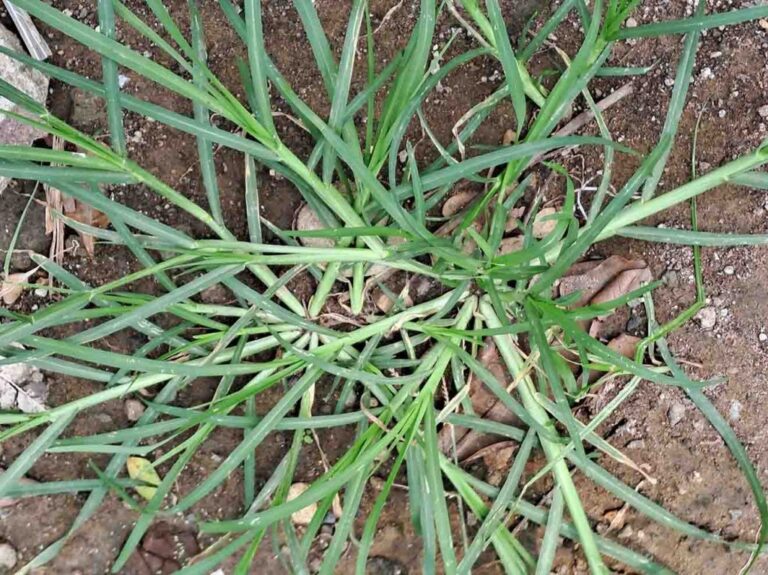
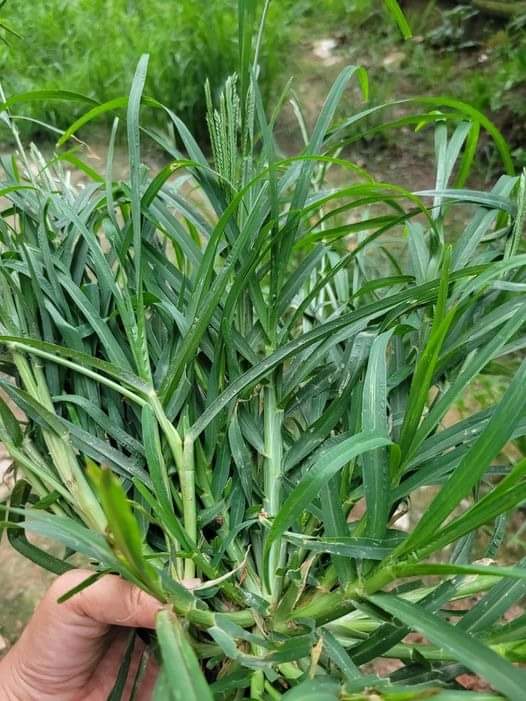
Health Benefits of Goose Grass: A Natural Remedy for Wound Healing, Inflammation, and More

Nature offers us an abundance of health-enhancing plants, and goose grass (Eleusine indica) is one such hidden gem. Despite being labeled a common weed, goose grass has a rich history in traditional medicine and is known for its potent health benefits. From promoting wound healing to managing inflammation, diabetes, and liver health, goose grass offers a variety of healing properties.

In this comprehensive guide, we will explore the traditional uses and potential health benefits of goose grass, and how this natural herb can support your overall wellness journey.

Goose Grass: A Closer Look

Goose grass, commonly known as wiregrass or crowfoot grass, is a weed that grows in fields and lawns. Part of the Poaceae family, which also includes cereal grains like wheat and rice, goose grass has been used in folk medicine in regions such as Asia, Africa, and South America. Although often seen as a nuisance in gardens, this resilient plant has a variety of medicinal uses that make it invaluable to natural health practitioners.

Traditional Uses of Goose Grass

1. Wound Healing

Goose grass has long been used in traditional medicine for its ability to promote wound healing. Its astringent and anti-inflammatory properties help stop bleeding and reduce inflammation, accelerating the healing process.

2. Anti-Inflammatory

The herb is frequently used to treat inflammation-related conditions, including arthritis, skin rashes, and digestive problems. Goose grass helps reduce swelling and provides relief from pain associated with inflammation.

3. Diuretic

Known for its diuretic effects, goose grass increases urine production, which can be beneficial for individuals suffering from urinary tract infections (UTIs) or edema (fluid retention).

4. Antipyretic

Goose grass has also been used to reduce fever. Its ability to balance the body’s internal temperature makes it a common remedy for feverish conditions.

5. Other Traditional Uses

Goose grass has a long list of additional uses, including the treatment of diarrhea, dysentery, liver problems, and various skin diseases. It is considered an essential part of holistic healing in many cultures.

Potential Health Benefits of Goose Grass

1. Antioxidant Properties

Goose grass is rich in antioxidants, including flavonoids and phenolic compounds. These compounds help protect cells from damage caused by free radicals, potentially reducing the risk of chronic diseases such as cancer and heart disease.

2. Anti-Inflammatory Effects

Modern studies confirm that goose grass extracts contain anti-inflammatory properties, further supporting its traditional use in reducing inflammation in conditions like arthritis, skin conditions, and gastrointestinal issues.

3. Anti-Diabetic Potential

Some research has shown that goose grass may help regulate blood sugar levels, making it potentially beneficial for those with diabetes or at risk of developing the condition. It helps improve insulin sensitivity and may aid in managing blood sugar.

4. Liver Protective Effects

Animal studies suggest that goose grass might help protect the liver from damage, potentially preventing liver diseases. However, more research is needed to confirm these effects in humans.

5. Wound Healing

Studies have supported the traditional use of goose grass for accelerating wound healing. Its anti-inflammatory properties contribute to reducing swelling and promoting faster recovery.

6. Antimicrobial Activity

Goose grass may have antimicrobial effects, which could help fight against certain bacterial and fungal infections, making it a natural remedy for skin ailments.

How to Use Goose Grass

Goose grass can be consumed or applied in various forms:

1. Juice

Fresh goose grass leaves can be juiced and consumed on an empty stomach to take advantage of its detoxifying and healing properties.

2. Tea

Dried goose grass leaves can be brewed into a tea, offering a soothing and healing drink that supports digestion, inflammation relief, and detoxification.

3. Poultice

A poultice made from crushed goose grass leaves can be applied topically to wounds or irritated skin to promote healing and reduce inflammation.

Important Considerations

While goose grass offers many health benefits, there are a few important considerations to keep in mind:

  • Source and Preparation: Ensure that you obtain goose grass from a clean, pesticide-free source. Wash it thoroughly before consumption or topical use.
  • Dosage: Consult a healthcare professional or herbalist to determine the appropriate dosage for your needs.
  • Allergies: Some individuals may be allergic to goose grass. It’s recommended to perform a patch test before applying it topically or consult a doctor before ingesting it.
  • Pregnancy and Breastfeeding: Pregnant or breastfeeding women should consult a healthcare provider before using goose grass.

Top FAQs About Goose Grass

Q1: What are the health benefits of goose grass?
Goose grass is known for its wound healing, anti-inflammatory, diuretic, and antimicrobial properties. It is also believed to help regulate blood sugar and protect liver health.

Q2: How can I use goose grass at home?
You can use goose grass in various forms, such as fresh juice, dried tea, or a poultice for topical applications.

Q3: Is goose grass safe to consume?
Goose grass is generally safe when consumed in moderate amounts. However, it’s important to consult a healthcare provider, especially if you’re pregnant, breastfeeding, or on medication.

Q4: Can goose grass help with diabetes?
Some studies suggest that goose grass may help regulate blood sugar levels, making it beneficial for individuals with diabetes or those at risk.

Q5: How does goose grass help with wound healing?
Goose grass contains anti-inflammatory and astringent properties that promote faster healing of wounds by reducing inflammation and supporting tissue regeneration.


Conclusion

Goose grass may be a humble weed, but its potential health benefits are far from ordinary. From wound healing and inflammation reduction to its possible effects on diabetes and liver health, goose grass offers a wide array of natural remedies. By incorporating this herb into your wellness routine and maintaining a balanced lifestyle, you can harness its power for better health and vitality.

So, the next time you spot goose grass growing in your yard or field, remember that nature has provided a powerful ally for your health, right under your nose.


Conclusion Label:
Goose Grass, Health Benefits, Traditional Medicine, Herbal Remedies, Wound Healing, Anti-Inflammatory, Diabetes, Liver Health, Herbal Tea, Natural Healing

Goosegrass in Traditional Medicine: Health Benefits, Uses, and Potential Risks

Goosegrass, also known as Eleusine indica, is a common herb that has been used for centuries in traditional medicine for its impressive health benefits. Often overlooked in modern times, this powerful plant has roots deeply embedded in ancient healing practices. In this article, we will explore the health benefits of goosegrass, its various uses, a simple recipe to incorporate it into your diet, and the potential side effects you should be aware of.

The Health Benefits of Goosegrass

  1. Supports Detoxification
    Goosegrass has been used traditionally to aid in the detoxification of the body. It is believed to help eliminate toxins, promote healthy liver function, and assist in kidney health. The herb acts as a natural diuretic, encouraging the removal of excess fluid from the body, which helps in cleansing and promoting overall well-being.

  2. Promotes Digestive Health
    Consuming goosegrass may help in improving digestion and soothing gastrointestinal discomfort. It is known to have mild laxative effects, promoting regular bowel movements and aiding in the treatment of constipation. The herb’s anti-inflammatory properties can also help soothe the digestive tract and relieve bloating or gas.

  3. Boosts Immune Function
    Packed with antioxidants and nutrients, goosegrass has the ability to strengthen the immune system. It contains compounds that help combat infections and protect the body from harmful pathogens. Regular use of goosegrass can potentially reduce the risk of chronic illnesses and improve overall vitality.

  4. Reduces Inflammation
    Goosegrass has potent anti-inflammatory properties that can help alleviate pain and swelling associated with conditions like arthritis or injuries. It may help to reduce inflammation in the body, providing relief from joint pain, muscle soreness, and other inflammatory conditions.

  5. Supports Skin Health
    The herb is also beneficial for skin health. Goosegrass has antimicrobial properties that make it useful for treating minor skin infections, acne, and wounds. Applying goosegrass-infused oil or tea to affected areas may promote healing and reduce skin irritation.

  6. Helps in Weight Management
    Some studies suggest that goosegrass may aid in weight management by promoting fat burning. The herb’s natural diuretic properties help eliminate excess water weight, and its ability to improve digestion may support a healthier metabolism.

Uses of Goosegrass in Traditional Medicine

Goosegrass is versatile and can be used in various forms:

  • Tea: One of the most common ways to use goosegrass is by brewing it into a tea. Simply steep dried goosegrass leaves in hot water for 10-15 minutes. This tea is known for its detoxifying effects and digestive benefits.
  • Tinctures: Goosegrass tinctures are available, offering a more concentrated form of the herb for therapeutic use.
  • Poultices and Ointments: For external use, goosegrass can be made into a poultice to treat skin ailments such as wounds, burns, and rashes.
  • Powder: The dried and powdered form of goosegrass can be added to smoothies or capsules to incorporate its health benefits into your daily diet.

Goosegrass Recipe: A Simple Detox Tea

Here’s a simple and effective recipe to make goosegrass tea, ideal for detoxification and improving digestion:

Ingredients:

  • 1 tablespoon dried goosegrass leaves
  • 1 cup boiling water
  • Honey (optional, for sweetness)

Instructions:

  1. Add the dried goosegrass leaves to a tea infuser or directly into a cup.
  2. Pour boiling water over the leaves.
  3. Let it steep for 10-15 minutes.
  4. Strain the tea (if necessary) and add honey for a touch of sweetness.
  5. Enjoy this refreshing and detoxifying herbal tea daily.

Potential Side Effects of Goosegrass

While goosegrass offers numerous health benefits, it’s important to be aware of any potential side effects:

  1. Diuretic Effect: Due to its natural diuretic properties, goosegrass may cause frequent urination, which could lead to dehydration if not monitored.
  2. Low Blood Pressure: For individuals with low blood pressure, goosegrass might exacerbate the condition. It is advised to use the herb cautiously if you already suffer from hypotension.
  3. Allergic Reactions: Some people may experience allergic reactions to goosegrass, particularly if they have sensitivities to other plants in the Poaceae family.
  4. Interaction with Medications: As goosegrass can influence blood pressure and fluid balance, it may interact with medications such as diuretics or antihypertensive drugs. Always consult a healthcare provider before incorporating it into your routine if you’re on medication.

Top FAQs About Goosegrass

Q1: What is goosegrass used for in traditional medicine?
Goosegrass is used for detoxification, improving digestion, boosting immunity, reducing inflammation, supporting skin health, and aiding in weight management.

Q2: How can I use goosegrass at home?
Goosegrass can be used in various forms such as tea, tinctures, poultices, or powders. The most common and easiest way is to brew it as a tea.

Q3: Is goosegrass safe to consume?
Goosegrass is generally safe when consumed in moderation. However, it may cause side effects like frequent urination or interactions with certain medications. Always consult a healthcare professional before use.

Q4: How do I make goosegrass tea?
To make goosegrass tea, steep one tablespoon of dried goosegrass leaves in one cup of boiling water for 10-15 minutes. Strain and enjoy.

Q5: Can goosegrass help with weight loss?
Goosegrass may support weight loss by promoting fat burning and reducing water retention. However, it should be used in conjunction with a healthy diet and lifestyle.


Conclusion

Goosegrass, though often overlooked, holds significant value in traditional medicine for its diverse health benefits. From detoxifying the body to boosting digestion, reducing inflammation, and improving skin health, this humble herb proves to be a powerful natural remedy. Whether you're using it in the form of tea, tinctures, or topical treatments, goosegrass is a worthy addition to your holistic health toolkit. However, as with any herb, be mindful of potential side effects, and consult your healthcare provider if you have concerns or are on medication.

By incorporating goosegrass into your daily routine, you can take an important step toward natural healing and holistic health. So, the next time you come across this common plant, consider its numerous benefits for your well-being.

Thursday, March 20, 2025

Ultimate Guide to Ayurvedic Massage Therapies for Holistic Health

Ayurvedic massage therapies have been practiced for thousands of years and are an integral part of holistic health and natural living. These therapeutic techniques not only focus on relaxation but also rejuvenate your mind, body, and spirit. By using herbal or medicated oils, Ayurvedic massages help detoxify, balance, and heal the body. Here, we will explore the most popular Ayurvedic massage therapies that are known for their health benefits and healing properties.


1. Abhyanga: A Therapeutic Full-Body Massage

Abhyanga is a traditional Ayurvedic full-body massage that uses medicated or herbal oils to lubricate the body and release stress from tension-prone areas. This therapy is ideal for maintaining overall wellness, as it helps promote relaxation, enhances circulation, and reduces fatigue. Abhyanga is known for its rejuvenating effects, and regular practice can contribute to enhanced energy levels and improved mental clarity. It is highly effective for stress management and can provide relief from chronic pain.

Key Benefits of Abhyanga:

  • Improves circulation
  • Relieves stress and anxiety
  • Strengthens muscles and joints
  • Enhances skin health

2. Pizhichil: Warm Oil for Pain Relief

Pizhichil is a rejuvenating therapy where warm, medicated oil is poured in a continuous stream over the body, combined with rhythmic hand movements. This massage helps relieve muscle tension, reduce pain, and improve blood circulation. Pizhichil is especially beneficial for those suffering from rheumatic diseases, joint pain, and muscular discomfort. It’s a deeply relaxing therapy that calms the mind and body, offering complete rejuvenation.

Key Benefits of Pizhichil:

  • Reduces joint and muscle pain
  • Relieves stress and anxiety
  • Improves flexibility and mobility
  • Rejuvenates and restores the body

3. Shirodhara: Oil Stream for Mental Clarity

Shirodhara is a specialized treatment where a continuous stream of warm oil is poured on the forehead, known as the "third eye" in Ayurvedic practices. This process helps to calm the nervous system, reduce mental stress, and improve sleep quality. Shirodhara is particularly beneficial for those dealing with insomnia, anxiety, or emotional stress. The therapy’s gentle rhythm induces a deep state of relaxation, allowing the mind to achieve clarity and peace.

Key Benefits of Shirodhara:

  • Improves sleep quality
  • Reduces anxiety and mental stress
  • Enhances mental clarity
  • Balances the nervous system

4. Potli Massage: Herbal Healing with Hot Compress

In the Potli massage, small bags filled with medicinal herbs are heated and then used to massage specific body parts. This therapy is particularly effective for back pain, stiffness, and muscle tension. The hot compress therapy helps stimulate the nervous system, reduce inflammation, and improve blood circulation. Potli therapy can also contribute to better skin tone and muscle strength.

Key Benefits of Potli Massage:

  • Relieves back pain and stiffness
  • Strengthens the nervous system
  • Improves skin tone and texture
  • Increases circulation and mobility

5. Back Care Therapy: Alleviating Lower Back Pain

Back care therapy is designed to relieve lower back pain, a common issue caused by poor posture, sedentary lifestyles, or strenuous physical activities. Through targeted massage techniques, this therapy helps to release muscle tension, promote relaxation, and alleviate pain. Regular back care massages can improve posture and prevent chronic back issues, making it a must-try therapy for individuals with desk jobs or active lifestyles.

Key Benefits of Back Care Therapy:

  • Alleviates lower back pain
  • Reduces muscle tension
  • Improves posture
  • Promotes relaxation

6. Head, Neck, and Shoulder Care: Relaxing the Upper Body

A neck, shoulder, and head care massage targets the upper body muscles to release tension caused by stress, poor posture, and prolonged sitting. This massage focuses on the neck, shoulders, and scalp, helping to alleviate pain, reduce headaches, and promote relaxation. It is especially helpful for individuals who suffer from stress-induced tension or those who experience discomfort from working at desks for long hours.

Key Benefits of Head, Neck, and Shoulder Care:

  • Relieves neck and shoulder pain
  • Reduces tension and stress
  • Prevents headaches
  • Improves posture

Top FAQs About Ayurvedic Massages

1. How often should I get an Ayurvedic massage?
For optimal health benefits, getting an Ayurvedic massage 1-2 times a month is recommended. However, frequency may vary based on personal health conditions and goals.

2. Is Ayurvedic massage suitable for everyone?
Yes, Ayurvedic massage therapies are generally safe for most people. However, pregnant women, those with specific medical conditions, or individuals with allergies to certain oils should consult with a healthcare professional before starting therapy.

3. How long does each Ayurvedic massage session last?
The duration of a session typically lasts between 30 minutes to 90 minutes, depending on the type of therapy and the areas being treated.

4. Can Ayurvedic massages help with stress?
Yes, Ayurvedic massages are highly effective in reducing stress and promoting relaxation. Techniques like Shirodhara and Abhyanga are particularly beneficial for stress relief.

5. Are Ayurvedic oils safe to use?
Ayurvedic oils are typically made from natural ingredients and are safe to use. However, it is important to ensure that you are not allergic to any of the herbs used in the oils.


Conclusion: Experience the Healing Power of Ayurvedic Massages

Ayurvedic massage therapies offer a holistic approach to maintaining physical, mental, and emotional well-being. Whether you're looking to relieve pain, reduce stress, or rejuvenate your body, therapies like Abhyanga, Pizhichil, and Shirodhara can provide lasting benefits. By incorporating these ancient healing practices into your wellness routine, you can enhance your overall health and live a more balanced, natural lifestyle.

Saturday, March 8, 2025

The Incredible Benefits of Neem Leaves for Health and Wellness

Neem leaves have been a cornerstone of Ayurvedic medicine for thousands of years due to their powerful medicinal properties. Packed with compounds like nimbin, azadirachtin, and various flavonoids, neem leaves offer a natural way to enhance your health, manage common ailments, and support overall wellness. In this article, we’ll explore the numerous benefits of neem leaves, how to use them effectively, and potential side effects to consider.


Why Are Neem Leaves Beneficial?

Neem leaves contain a wealth of bioactive compounds that exhibit anti-inflammatory, antioxidant, antimicrobial, and anticancer properties. With over 140 compounds, including vitamin C, nimbin, and nimbanene, neem leaves help neutralize harmful free radicals, reduce inflammation, and boost immunity. This makes them a valuable addition to your holistic health routine.


Top Benefits of Neem Leaves

1. Supports Skin Health

Neem's antibacterial and antifungal properties make it effective in treating acne, eczema, and other skin infections. Applying neem paste can help reduce inflammation and soothe the skin.

2. Manages Diabetes Naturally

Neem leaves help regulate blood sugar levels by influencing glucose metabolism. Studies suggest that neem extracts can enhance insulin sensitivity and lower cholesterol levels.

3. Promotes Liver Health

The hepatoprotective properties of neem help detoxify the liver and prevent damage caused by free radicals. Neem's antioxidants support liver function and protect against inflammation.

4. Boosts Immunity

Rich in antioxidants, neem leaves help strengthen the immune system by eliminating toxins and supporting white blood cell function.

5. Fights Infections

Neem's antimicrobial effects can combat bacterial, viral, and fungal infections effectively. It’s particularly useful in treating oral infections and preventing dental caries.


How to Use Neem Leaves

  • For Skin: Make a paste of neem leaves and apply it to acne-prone areas.
  • For Immunity: Drink neem tea made by boiling a few leaves in water.
  • For Diabetes: Consume 2-3 neem leaves daily after consulting a healthcare provider.
  • For Oral Health: Use neem-based toothpaste to prevent cavities and gum diseases.

Potential Side Effects of Neem Leaves

While neem is generally safe, excessive consumption can cause kidney damage or irritation. It is advisable to limit intake to 4-5 leaves per day or consult a healthcare provider. Pregnant or breastfeeding women should avoid neem due to insufficient safety data.


Top FAQs About Neem Leaves

1. Can neem leaves help with acne?
Yes, the antibacterial properties of neem can reduce acne and inflammation.

2. Is neem safe for diabetics?
Neem may help manage blood sugar levels, but consult your doctor before use.

3. How many neem leaves should I eat daily?
Limit to 4-5 leaves per day to avoid potential side effects.

4. Can neem improve liver function?
Yes, neem's antioxidant properties support detoxification and liver health.

5. Are there any side effects of neem?
Excessive use can cause kidney issues; moderation is key.


Conclusion

Neem leaves are a powerful natural remedy with a range of health benefits—from managing diabetes to promoting skin and liver health. However, it is essential to use neem in moderation and consult a healthcare professional if you have any underlying conditions. By incorporating neem into your daily routine, you can take a significant step towards holistic health and well-being.

Sunday, February 9, 2025

Ayurvedic Remedies for Common Diseases: Natural Healing for Everyday Health

In today’s fast-paced world, maintaining good health often feels like a constant struggle. While modern medicine offers quick solutions, many people are turning to natural healing practices to avoid the side effects of conventional treatments. Ayurveda, the ancient system of medicine from India, is one such practice that has stood the test of time. With its emphasis on balance, natural herbs, and holistic health, Ayurvedic remedies offer effective solutions for many common ailments we face every day.

In this article, we’ll explore how Ayurvedic remedies can help with some of the most common health issues, and how you can incorporate these practices into your routine for a healthier lifestyle.

What is Ayurveda?

Ayurveda, which translates to "science of life," is a holistic healing system that focuses on balancing the mind, body, and spirit. It uses natural ingredients like herbs, oils, and spices, along with lifestyle practices, to promote health and treat diseases. Ayurveda also emphasizes the importance of diet, exercise, and stress management in maintaining overall well-being.

Common Diseases and Ayurvedic Remedies

  1. Cold and Cough
    Remedy: Tulsi (Holy Basil) and Ginger
    Ayurveda recommends using tulsi and ginger to combat respiratory issues like colds and coughs. Tulsi is known for its anti-inflammatory and antimicrobial properties, while ginger helps soothe the throat and clear congestion. You can make a tea with tulsi leaves, ginger, and honey for relief.

  2. Digestive Issues (Indigestion, Gas, Bloating)
    Remedy: Triphala and Cumin
    Triphala, a blend of three fruits—amla, haritaki, and bibhitaki—is commonly used in Ayurveda to improve digestion and regulate bowel movements. Cumin, known for its carminative properties, also aids in digestion by reducing bloating and gas. A cup of warm water with cumin seeds or Triphala powder can ease digestive discomfort.

  3. Skin Conditions (Acne, Eczema, Psoriasis)
    Remedy: Neem and Turmeric
    Neem is revered for its antibacterial and antifungal properties, making it an excellent herb for treating acne, eczema, and other skin conditions. Turmeric, known for its anti-inflammatory and antimicrobial effects, is another powerful herb that can help reduce redness and irritation. A paste made from neem powder and turmeric can be applied to the skin for relief.

  4. Joint Pain and Arthritis
    Remedy: Ashwagandha and Guggul
    Ashwagandha is a powerful adaptogen that helps reduce inflammation and alleviate joint pain. Guggul, a resin derived from the Commiphora wightii tree, is also used to treat joint pain and improve circulation. A combination of these two herbs can provide natural relief for arthritis and other musculoskeletal conditions.

  5. Stress and Anxiety
    Remedy: Brahmi and Jatamansi
    Brahmi, also known as Bacopa monnieri, is a potent herb for calming the mind and improving cognitive function. Jatamansi, known for its sedative properties, helps reduce stress and anxiety. You can take these herbs in powder or capsule form to promote mental well-being and manage stress.

  6. Sleep Issues (Insomnia, Poor Sleep Quality)
    Remedy: Ashwagandha and Chamomile
    If you're struggling with sleep problems, Ashwagandha can help you relax and reduce cortisol levels, leading to better sleep. Chamomile, a soothing herb, is well-known for its calming properties and can be used as a tea before bedtime to promote restful sleep.

How to Incorporate Ayurvedic Remedies Into Your Routine

  • Start with the basics: Begin by focusing on your diet and lifestyle. Ayurveda encourages eating a balanced, seasonal diet, getting regular exercise, and managing stress through yoga or meditation.
  • Use herbal teas and supplements: Herbal teas made from tulsi, ginger, or chamomile can be easily incorporated into your daily routine. You can also try Ayurvedic supplements like Triphala or Ashwagandha to address specific health concerns.
  • Consult an Ayurvedic practitioner: If you're unsure about the right remedies for your needs, consulting an Ayurvedic expert can help tailor a personalized treatment plan.

Top FAQ's on Ayurvedic Remedies

1. Are Ayurvedic remedies safe for everyone?
Yes, Ayurvedic remedies are generally safe when used correctly. However, it’s important to consult with a healthcare professional or an Ayurvedic practitioner, especially if you're pregnant, nursing, or have pre-existing health conditions.

2. How long does it take to see results from Ayurvedic treatments?
The timeline for results can vary depending on the condition and the individual's body. Some people may notice improvements in a few days, while others may need a few weeks of consistent use to see results.

3. Can I combine Ayurvedic remedies with conventional medicine?
Yes, Ayurvedic remedies can often complement conventional treatments. However, it’s important to inform your doctor if you’re taking any herbal supplements to avoid interactions with prescription medications.

4. Are Ayurvedic remedies expensive?
Ayurvedic remedies are often affordable, especially when compared to conventional treatments. Many herbs and spices are available in local markets, and you can create simple remedies at home.

5. What is the best way to store Ayurvedic herbs and supplements?
To preserve their potency, store Ayurvedic herbs and supplements in a cool, dry place, away from direct sunlight. Ensure that containers are tightly sealed to prevent moisture and contamination.

Conclusion

Ayurveda offers a rich array of natural remedies for common diseases that are both effective and gentle on the body. By incorporating these time-tested treatments into your routine, you can address everyday health concerns without the reliance on synthetic medications. Whether it's improving digestion, managing stress, or treating skin conditions, Ayurvedic practices can support your journey to a healthier, more balanced life.

Saturday, January 25, 2025

Ancient Remedies for Modern Health: A Guide to Nature’s Healing Power

In today’s fast-paced world, we often look to quick fixes and synthetic treatments for our ailments. However, throughout history, humans have relied on natural remedies for health and wellness. Ancient remedies made from herbs, roots, and plants have been passed down through generations, offering potent healing powers that modern medicine continues to explore.

In this post, we’ll dive into some of the most effective ancient remedies that can help treat a variety of conditions—from digestive issues to inflammation. Whether you’re looking to support your immune system, relieve pain, or improve digestion, these time-tested remedies may be just what you need.

1. Blackberries: Nature's Anti-Inflammatory Powerhouse

Blackberries are not only delicious, but they also offer remarkable health benefits. Packed with antioxidants, fiber, and vitamins, these tiny berries can help treat diarrhea, reduce inflammation, and stimulate metabolism. Their high vitamin C content boosts immune health, making them a great natural remedy for staying healthy.

How to use it: Enjoy fresh blackberries or make a tea by steeping the leaves in hot water to ease digestive discomfort.

2. Cayenne: A Natural Pain Reliever

Cayenne pepper is famous for its ability to relieve pain, particularly in cases of joint pain or muscle soreness. The active compound in cayenne, capsaicin, is known for reducing pain by blocking pain signals in the body.

How to use it: Apply cayenne in topical ointments for sore muscles or take it in food or supplements for an internal boost.

3. Alfalfa: A Digestive and Immune-Boosting Herb

Alfalfa is a powerful herb that aids digestion and helps with blood clotting. It is rich in vitamins, minerals, and antioxidants that can also enhance the immune system and promote overall health.

How to use it: Alfalfa can be consumed as a supplement, tea, or in the form of sprouts in salads or smoothies.

4. Aloe: The Go-To Remedy for Burns and Wounds

Aloe vera is one of the most well-known healing plants. It is commonly used to treat burns, insect bites, and minor wounds due to its soothing, anti-inflammatory, and cooling properties. Aloe helps to speed up skin healing and reduce redness and irritation.

How to use it: Apply fresh aloe gel directly from the plant or use aloe-based creams and gels available in stores.

5. Echinacea: Immune System Booster

Echinacea is widely known for its ability to strengthen the immune system and fight off infections. It’s commonly used to reduce the duration and severity of cold and flu symptoms.

How to use it: Echinacea can be taken as a tea, capsule, or tincture to help prevent or treat illnesses, especially during cold and flu season.

6. Aspen: The Ancient Fever Fighter

Aspen has been used in folk medicine for centuries, particularly in treating fevers, coughs, and pain. It is often brewed into a tea to bring relief from flu symptoms.

How to use it: Brew the bark into a tea to help reduce fever and alleviate symptoms associated with colds or flu.

7. Ginger Root: The Ultimate Digestive Aid

Ginger root has been revered for its digestive properties for centuries. It’s known to reduce nausea, support digestive health, ease bloating, and alleviate inflammation. It can also help with circulation and fever relief.

How to use it: Fresh ginger can be used in teas, smoothies, or meals. Ginger supplements are also available for those looking for a more concentrated form.

8. Sage: A Remedy for Digestive Disorders and More

Sage has been used for centuries to treat digestive disorders, colds, sore throats, and more. It is considered an effective herb for calming an upset stomach, soothing sore throats, and promoting overall well-being.

How to use it: Brew sage leaves into a tea or use the essential oil for relief from sore throats or respiratory issues.

9. Beeswax: Natural Skin Healer

Beeswax is not only used in candles but also in natural medicine. It is known for its ability to treat burns, insect bites, and even bee stings. Its anti-inflammatory and antimicrobial properties make it an excellent choice for skin healing.

How to use it: Apply beeswax-based balms or ointments to affected areas for soothing relief.

10. Chamomile: A Gentle Solution for Intestinal Problems

Chamomile is well-known for its calming effects, especially when used as a tea. It has powerful properties that help treat intestinal issues like bloating, nausea, and indigestion. Chamomile also aids in relaxation, making it great for those looking to relieve stress.

How to use it: Brew chamomile tea to soothe digestive discomfort and promote restful sleep.


Top FAQs About Ancient Remedies

Q1: Are ancient remedies safe to use? Ancient remedies made from natural ingredients are generally safe when used as directed. However, it’s always important to consult a healthcare professional before trying any new remedy, especially if you have underlying health conditions or are pregnant.

Q2: Can I rely solely on ancient remedies for serious health issues? While ancient remedies are helpful for minor ailments and overall wellness, they are not a substitute for professional medical treatment. For serious or chronic conditions, always seek advice from a doctor or healthcare provider.

Q3: How can I incorporate these remedies into my daily routine? You can easily incorporate these remedies into your daily routine through teas, supplements, or by adding natural ingredients to your meals. For example, adding ginger to your smoothies or sipping chamomile tea before bed are simple ways to get started.

Q4: How do I know if an ancient remedy is effective? Many of these remedies have been used for centuries, and their effectiveness is backed by traditional use. However, scientific studies continue to explore the benefits of these natural treatments, and it’s always a good idea to pay attention to how your body responds.

Q5: Are these remedies suitable for children? Some ancient remedies are safe for children, but others may not be appropriate, especially for young children. Always check with a pediatrician before giving herbs or supplements to children.


Final Thoughts

Incorporating ancient remedies into your daily life can offer numerous health benefits, from digestive support to immune system boosts. Nature has provided us with powerful ingredients that have stood the test of time, and embracing them can lead to a healthier, more balanced life. Just remember, as with any natural treatment, moderation and proper guidance are key to maximizing their benefits.

Stay healthy, stay natural, and always listen to your body!


Top 10 Ancient Remedies for Natural Healing: From Blackberries to Ginger Root. Explore the power of ancient remedies like blackberries, cayenne, ginger, and more to improve digestion, relieve pain, and boost immunity. Learn how to use these herbs for natural healing!"

DISCLAIMER:

THIS WEBSITE DOES NOT PROVIDE MEDICAL OR OTHER PROFESSIONAL ADVICE. The information provided on this website (blog), including but not limited to text, graphics, images, and other materials, is for informational purposes only. It is not intended to serve as a substitute for professional medical, legal, or any other kind of advice. Always seek the guidance of a qualified professional or relevant authorities with any questions you may have regarding information you read on this website. This includes any content found in Healthy Roots & Habits Blog, articles, website, social media channels, and written by the authors.

Featured Post

Healthy Foods That Aren’t Actually Healthy: Debunking Common Food Myths

When it comes to healthy eating, we all want to make the right choices. But what if some of the foods you think are healthy aren't actua...